
































Emerald green streams, surging waves, and picturesque river scenery—whitewater rafting is an outdoor activity ideal for nature lovers and adventure enthusiasts alike. With rain almost guaranteed somewhere in the UK, rivers often maintain their flow, making whitewater rafting possible nearly year-round. However, if you're looking to experience the thrill of whitewater rafting in the colder months, you'll need to pack up warm and choose specialised waterproof clothing.
This guide is tailored for beginners and enthusiasts looking to experience whitewater rafting in and around Manchester. It provides all the necessary information, including where to go, what to wear, equipment, safety tips, and the best times to go.
|
Key Takeaways: |
|
What Is White Water Rafting?
White water rafting is an adventurous water sport with a simple concept. Essentially, a group of people don buoyancy vests, helmets, and, especially in the UK, warm wetsuits, then hop onto a custom-made raft and drift down a rapid.
Along the way, you'll encounter bumps, waves, sharp turns, and a surge of adrenaline. White water gets its name from the uneven flow of the water when there's a steep downhill slope and numerous narrow channels. This traps air in the water, resulting in frothy, white water.
White water rafting has grown in popularity since the 1980s, particularly in Central Europe. Originally, rafts were made of wood, but nowadays, boats are made of rubber. Depending on the course of the river, you can master whitewater rapids of varying difficulty. The rafts are made of multiple layers of durable rubber, allowing them to cling to rocks and stones without breaking.
Overall, white water rafting is incredibly engaging, blending natural beauty, physical challenges, and teamwork for an exhilarating experience.
Best Places to Go White Water Rafting in Manchester
Manchester itself isn't known for whitewater rafting, but the good news is that it offers easy access to some of the best natural and man-made rafting spots in the surrounding area. Here are a few of our top picks around Manchester, perfect for whitewater rafting enthusiasts of all skill levels:

River Dee
The River Dee flows through North Wales and Cheshire, with calm and rapid sections suitable for whitewater rafting. The river is most known for its series of Class III and IV rapids, which will delight even the most experienced rafters. Furthermore, the picturesque route provides an interesting drive through the Welsh countryside.
River Tay
The River Tay, Scotland's longest river, strikes an outstanding balance between tranquil sections and exciting Class III rapids. The stretch between Aberfeldy and Grandtully is a popular whitewater rafting destination in Scotland. With low currents, calm waters, and a stunning natural setting, this rafting location is suitable for families and beginners, offering a safe and enjoyable experience.
River Tawe
The River Tawe, located in South Wales and flowing through Swansea, is a challenging whitewater rafting destination, especially after rain. Experienced rafting groups seeking steeper, more spectacular rapids can head to the River Tawe, near the Ness Valley. Furthermore, this less-busy, scenic area is ideal for rafters seeking a more relaxing experience.
The National Water Sports Centre, located near Manchester in Nottingham, offers rafting courses of varying difficulty, making it a perfect venue for training and recreational activities. The centre, one of the UK's best-known whitewater rafting training and competition venues, features artificial whitewater courses with regulated currents, making it suitable for rafting year-round. Its extensive facilities and safety assurances make it appropriate for both beginners and specialists.
Cardiff International White Water
Cardiff International White Water in Wales offers a unique urban whitewater rafting experience. This cutting-edge rafting facility offers whitewater routes suitable for both novice and experienced rafters. Adjustable currents provide a variety of difficulty levels, making it great for anyone looking to learn, improve their skills, or enjoy the thrill of rafting.
What Should I Wear for White Water Rafting in Manchester?
Whitewater rafting in and near Manchester, UK, particularly in winter, is characterised by low temperatures, frigid water, and unpredictable weather. Clothing should prioritise warmth, windproofness, waterproofness, and safety.
Basic Clothing
Whether it's winter or any other season, avoiding hypothermia is essential for whitewater rafting. Therefore, a three-layer technique is advised.
Base Layer: Quick-drying clothing is ideal for wicking moisture away from your skin, keeping it dry and avoiding heat loss from dampness and cold. Avoid cotton clothing, which absorbs moisture and dries slowly, resulting in ineffective insulation.
Mid-Layer: A lightweight down or fleece jacket can act as the primary insulation, retaining body heat. Choose a style that fits comfortably yet isn't restrictive, allowing you to move freely.
Outer Layer: In the summer, a wetsuit can be used to warm the water layer with body heat. A drysuit is windproof, waterproof, and breathable, making it ideal for winter whitewater rafting.
Key Areas for Warmth and Protection
In addition to basic gear, further warmth and protection are required. A scarf or neck warmer protects against the wind while also providing warmth.
Hands: Waterproof, warm gloves keep hands flexible while paddling and protect against colds and cuts. In milder conditions, waterproof gloves are adequate.
Feet: Wear wool or quick-drying socks and non-slip, waterproof waders. Avoid conventional trainers, as they can become heavy and prone to frostbite when wet.
Eyes: Consider wearing anti-fog eyewear, especially in high winds or severe splashing.
Overall, the weather in and around Manchester is variable, with rain and wind expected at any time. Even in winter, there may be brief bright moments, but the weather is generally cold and rainy. As a result, regardless of the season, remaining warm and moisture-proof is critical, with winter necessitating additional insulation and waterproof clothes.
What Equipment Do I Need to Go White Water Rafting in Manchester?
Whitewater rafting in Manchester requires not only appropriate clothing but also a range of gear to ensure safety and comfort. The following is a compilation of essential and recommended equipment, based on professional rafting advice and practical needs.

Life Jacket (PFD)
A life jacket (PFD) provides buoyancy and prevents drowning, making it mandatory for rafting. Choose a professional rafting life jacket that meets British BS standards, fits snugly, and has adjustable shoulder and waist straps.
Helmet
A helmet protects against head injuries from impacts with rocks, the boat, or other obstacles in rapids. Choose a lightweight, ventilated, professional rafting helmet with a chin strap to prevent it from falling off in the event of a capsize or collision.
Change of Clothes and Towel
The weather in the UK can be unpredictable, so dry yourself immediately and change into dry clothing after rafting to prevent catching a cold. Bringing your own towel is also recommended for added convenience and hygiene.
Ready-to-Eat Food and Drinking Water
Carry high-energy snacks like chocolate and energy bars. Keep a thermos filled with hot water, especially in colder weather.
Sunscreen
Even on cloudy days, the water's surface still reflects intense UV rays, so it's recommended to use SPF 50+ waterproof sunscreen.
Waterproof Bag
A waterproof bag can store items like your phone, camera, keys, and wallet that are sensitive to moisture. Use a roll-top waterproof bag and secure it to your boat or your body with a quickdraw. It can also be used to store wet clothing to prevent other items from getting soaked.
Inflatable Seat Cushion
Relieves the discomfort of sitting in cold water for extended periods and prevents cold or scratched buttocks.
Emergency Medicine Kit
An emergency medicine kit should include Band-Aids, iodine swabs, and mosquito repellent. Women can also prepare sanitary pads, tampons, and wet wipes.
Portable Power Supply
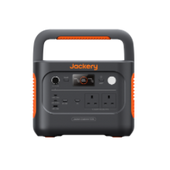
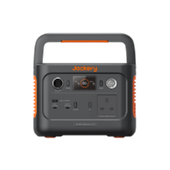
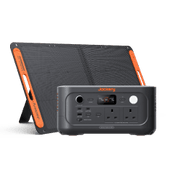
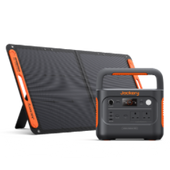
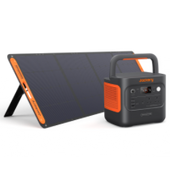
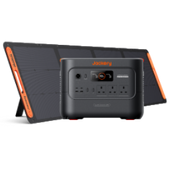
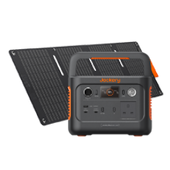
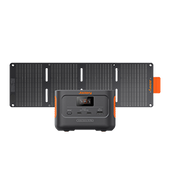
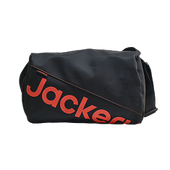
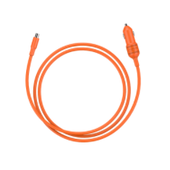
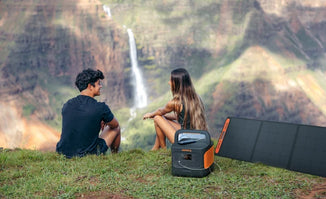
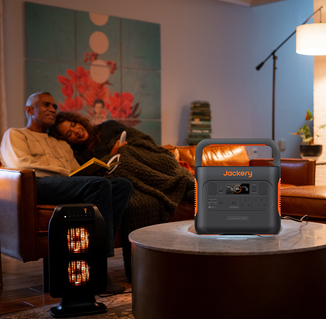
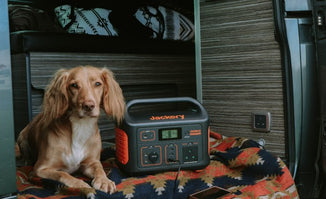
During whitewater rafting, a portable power supply can keep your GPS, walkie-talkie, phone, and action camera charged at all times. Jackery, a renowned name in outdoor power supplies and portable gadgets, sells products like the Jackery Explorer 500 v2, which provides reliable power for whitewater rafting.

However, rafting companies usually provide the necessary safety gear (including rafting shoes, buoyancy aids, and helmets), so be sure to check before booking exactly what equipment they offer and whether you need to bring anything yourself. This will help you avoid any problems and ensure you're fully prepared.
Jackery Portable Power Station for White Water Rafting
If you want to go whitewater rafting in Manchester, you must first select the appropriate equipment. Jackery, a top name in outdoor power supplies and portable gadgets, does not directly manufacture rafting equipment, but its products can provide reliable power for your whitewater rafting.
Jackery may charge these gadgets before departure and swiftly recharge them at rest stops, ensuring enough power for the entire rafting journey. The Jackery Portable Power Station can power GPS locators or emergency lighting in distant or low-signal places.
Jackery Explorer 500 v2 Portable Power Station
While the Jackery Explorer 500 v2 is an excellent portable power station, white water rafting in London (at locations like the Lee Valley White Water Centre) primarily involves a short, high-intensity activity. The power station would be most useful for pre- and post-rafting activities and for a multi-day trip where you might be camping or staying off-grid nearby.

Superior Battery Life & Durability: It uses a LiFePO4 (LFP) battery with an industry-leading 6,000 charge cycles to 70%+ capacity. This means you can rely on it for years of outdoor adventures, which is essential for a high-wear activity like rafting.
Excellent Portability: Weighing only 12.57 lbs (5.7 kg) and being one of the lightest and smallest in its class, it's easy to carry from your car to a staging area or a nearby campsite. Its compact, slim design is also convenient to pack in a car boot or under a seat.
Reliable in UK Conditions: It is engineered to operate in extreme temperatures from -20°C to 45°C. This ensures reliable power whether you're dealing with a cold, damp morning or a warmer summer day near the river.
Eco-Friendly Recharging: It is an emission-free, quiet alternative to traditional generators, aligning with the "leave no trace" ethos often associated with water-based nature activities. It is also designed for Solar Priority charging if you bring a Jackery SolarSaga 100W panel.
Safe & Stable Power: It features a 12-layer BMS (Battery Management System) and delivers a constant-voltage, pure-sine-wave output. This protects sensitive electronics like cameras, drones, or laptops from damage caused by power fluctuations, which is crucial when charging expensive gear.
Safety Tips for White Water Rafting in Manchester
Whitewater rafting in and around Manchester is a thrilling outdoor activity, but safety is paramount for enjoying it. Here are some safety tips for whitewater rafting in and around Manchester:

Safety Tip 1: Assess Your Health
Whitewater rafting is a moderate-to-intense outdoor activity that requires strong cardiovascular fitness and balance. It is not suggested for persons with chronic health disorders such as high blood pressure, heart disease, asthma, epilepsy, pregnant women, people over the age of 60, or those with poor physical fitness.
Safety Tip 2: Listen to Your Guide's Instructions
Your guide is experienced and trained in river safety. They will teach all you need to know about river rafting, including what to wear, where to swim, what to avoid, and when to paddle. As a result, whether you've been whitewater rafting before or not, always follow your guide's directions.
Safety Tip 3: Wear a Helmet and Life Jacket
If you fall into the water, hitting your head on rocks, logs, or branches can be dangerous. Therefore, always wear a helmet to minimise the risk of injury. Just like you should always wear a helmet, you should also wear and secure your life jacket—even in calm waters. This not only helps you stay afloat but also makes it easier for your guide to pull you back into the raft if you fall.
Safety Tip 4: Master the T-Grip
The T-Grip is so crucial because it prevents the paddle from slipping out of your hands and striking you or your rafting partner on the head and chest. The key to a T-Grip is to always keep one hand on the base of the paddle shaft and the other on the T-Grip.
Safety Tip 5: Proper Sitting Posture and Balance Control
Always maintain balance and sit properly unless instructed otherwise. For example, the front passenger should lean slightly forward, and the rear passenger should lean slightly back to maintain stability. When negotiating rapids and drop-offs, tuck your feet in and lean your head and body toward the centre of the raft about 25 degrees to lower your centre of gravity.
Safety Tip 6: Dealing with Falling Overboard or Capsizing
If you do fall overboard, remain calm; your life jacket will keep you afloat. Then, swim as far as you can to the raft and grab the outer safety line. If you can't reach the outside safety line, call your rafting partner and have them toss you a throw bag (a rescue bag with a rope attached) or hand you a paddle to hold on to.
When Is the Best Time to Go White Water Rafting in Manchester?
Whitewater rafting can be done all year in the United Kingdom. Whitewater rafting may be enjoyed rain or shine, hot or cold—make sure you have the appropriate weather gear. For example, colder weather may necessitate a heavier wetsuit and waterproof jacket, whereas hot weather may necessitate a thinner or shorter wetsuit.
April–October: During this period, temperatures are milder, rainfall is relatively stable, and river levels are moderate, making it ideal for outdoor water activities. This is especially suitable for families, beginners, school groups, and others who want to experience the joys of whitewater rafting in a safe environment.
November–March: While winter water temperatures are lower than summer, rafting enthusiasts continue to enjoy whitewater rafting. While winter currents are stronger and temperatures are lower, some sections are appropriate for year-round rafting, particularly when rivers are swollen, making the higher reaches more difficult and tempting to experienced rafters.
In general, the best time for whitewater rafting is from April to October. However, if you're looking for an adrenaline rush, you can also try the whitewater rapids in the colder months. In addition to white water rafting on major rivers, various artificial rafting routes around Manchester are open all year round, and some dam flood discharge rivers also offer commercial rafting.
Can Beginners Go White Water Rafting in Manchester?
Since virtually no experience is required, whitewater rafting is perfect for families and groups of all fitness levels. Therefore, whitewater rafting in and around Manchester is entirely accessible and ideal for beginners.
The following services and guarantees are available for beginners in and around Manchester:
Professional Instructor-Led: All respectable rafting companies will employ trained instructors who will provide comprehensive teaching on paddling skills, safe posture, and emergency protocols.
Complete Equipment Provided: Rafting companies usually supply basic equipment, such as life jackets, helmets, and paddles, so you don't need to bring any.
Safety Training: Before departure, you will receive a full safety briefing covering topics such as what to do if you go overboard and teamwork.
Level Grouping: Participants will be assigned to appropriate sections of the river based on their experience, ensuring that beginners are not placed in challenging sections.
In short, with the support of a professional team, even those new to whitewater rafting can safely and enjoyably experience this fun outdoor activity.
FAQs
The following are the frequently asked questions about white water rafting in Manchester:
1. Can you go white water rafting in the UK?
Yes, you can experience white water rafting in various locations across England, Scotland, and Wales. Whether you're a first-time rafting enthusiast or someone seeking a new challenge, there is a wealth of rafting experiences available.
Popular locations for white water rafting in the UK include the Lee Valley Whitewater Rafting Centre in Hertfordshire, the River Trivellin and the National Whitewater Rafting Centre in North Wales, the River Tay in Scotland, and the River Dart in Devon.
2. Can a beginner go white water rafting?
Yes, beginners can go whitewater rafting. Rafting companies will provide you with all necessary safety gear, such as wetsuits, helmets, and life jackets. Your guide will teach you how to paddle, where to sit and what to do if you fall off the raft.
3. What is the best month to go white water rafting?
Overall, white-water rafting is a fun outdoor sport year-round. Spring and early summer (April to October) may suit those seeking less congested, calmer seas. However, for thrill seekers, the frigid winter months (November to March) can be difficult.
For example, water levels on the River Tay in the UK are often higher during the winter months (November to March), resulting in deeper rafting depths and more splashes.
4. What do I wear for whitewater rafting?
When whitewater rafting, wear quick-drying synthetic or wool clothing and non-slip river-rafting shoes. In cooler conditions, consider adding a wetsuit, splash jacket, or fleece. Rafting companies will also supply necessary safety equipment, such as helmets and life vests.
Final Thoughts
In fact, whether you're a novice or a seasoned rafting enthusiast, there's a river in Manchester that will suit your skill level and adventurous spirit. Manchester's white water rafting destinations include the River Dee, River Tay, River Tawe, the National Water Sports Centre, and Cardiff International White Water.
Rafting companies usually offer all necessary safety equipment, so all you need to pack is a change of clothes, a towel, ready-to-eat food, drinking water, sunscreen, and a portable power bank (such as a Jackery Explorer 500 v2). Most importantly, follow your guide's instructions and carry appropriate safety gear to ensure your safety.


