



















![[Over £1200 Tier Gift] Bluetooth Speaker with Phone Stand - shipped Separately](http://uk.jackery.com/cdn/shop/files/Portable_Bluetooth_Speaker_with_Phone_Stand_2.png?v=1781595581&width=170)















Planning a trip to the UK's most unique outdoor destination? This guide will show you exactly how to enjoy legal wild camping on Dartmoor responsibly. Read on as we lead you through everything from checking the essential camping map to mastering the 'Leave No Trace' ethos, transitioning smoothly between the practical steps for every stage of your adventure.
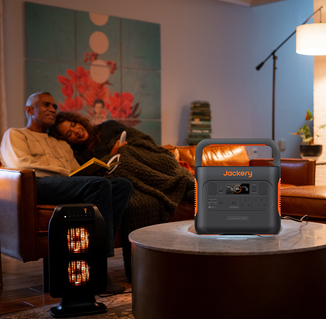
Before diving into those details, it's important to note that reliable power is key to a safe and seamless trip: a lightweight source, like the Jackery Solar Generator, ensures your navigation and safety devices stay charged, even miles from civilisation. In the following sections, you'll learn where to pitch your tent, what restrictions apply, and how to immerse yourself safely in the beautiful, rugged landscape of Dartmoor National Park.
|
Key Takeaways: |
|
How to Enjoy Wild Camping on Dartmoor?
When planning a wild camping trip on Dartmoor, it's essential to understand the rules and expectations set by the National Park Authority.
For a true Dartmoor walking excursion, you are permitted to responsibly backpack camp for one or two nights in some open moorland regions that are hidden from roads and villages. This is allowed, provided you adhere to a strict 'no impact' strategy, meaning you must be able to fit everything you need into your bag and leave absolutely no trace.
Essential Planning for Wild Camping on Dartmoor
For this kind of overnight action, thorough preparation and planning are crucial. This entails understanding precisely where it is both feasible and permissible to camp, as well as possessing the necessary tools and navigational abilities to live "well away from civilisation."
However, remember that not all areas of the National Park are suitable for camping. Knowing the ideal place to go before you set out is crucial for a hassle-free experience.
Key Guidelines for Wild Camping on Dartmoor: Map and Restrictions
One of the most important first steps is to check out the interactive map, which clearly displays where you may and are encouraged to backpack camp without obtaining prior permission from the landowner.
Check this map before planning your vacation to ensure you stay within the designated areas, which helps answer the question, "Can you wild camp on Dartmoor?" in a specific location. Additionally, please observe these important restrictions:
No overnight stays in cars, campers, or RVs are permitted anywhere on the moor.
There are restrictions on the size of your setup — no huge tents or large groups camping are allowed.
Where to Camp on Dartmoor?
Though Dartmoor is the only place in England where legal backpack camping is permitted in certain areas, many parts remain off-limits to protect the environment and livestock. Beginners may be unaware of these boundaries and pitch tents in restricted areas by accident.
Can you wild camp on Dartmoor freely? It depends on the location. To comply with the rules, use the official wild camping on Dartmoor map highlighting 'purple zones' where camping is permitted and other areas where it is banned.
Note: The Dartmoor National Park Authority provides this map and a helpful guide to assist you. If you are unsure, the Visitor Centre personnel are always friendly and informative.

(Image Source: Dartmoor Map Official Website)
Recommended Permitted Areas
Once you have checked the wild camping on the Dartmoor map, you will find that the best spots are often found on the high moor.
Great Mis Tor: A popular choice for its stunning views and relative accessibility, though it sits within a firing range (check schedules!).
Oke Tor: Located on the northern moor, offering excellent isolation and access to the dramatic high country.
Yes Tor: As one of the highest points, it offers incredible vistas, but is strictly regulated by firing times.
Setting Up Your Camp
After you have chosen an authorised camping spot from the map, you must adhere to a strict code of conduct to keep your presence unseen and 'leave no trace':
Pitch your tent at least 100 metres from roads and out of sight of roads or homes.
Avoid archaeological sites, farmland, enclosed moorland, and floodplains when setting up camp.
Army Firing Ranges
Dartmoor contains three active army shooting ranges (Okehampton, Merrivale, and Willsworthy). While the public can access these areas when they are not in use, the times for live fire exercises should always be verified before you travel.
Daytime: Look for red flags flying on the tors.
Nighttime: Look for red lights.
Golden Rule: Pitch your tent only when night falls, and pack up and leave as soon as possible in the morning.
What Equipment Do You Need to Wild Camp on Dartmoor?
To successfully enjoy wild camping on Dartmoor, packing the right gear is essential. Since you must carry everything in your backpack, weight and utility are the top priorities. Below is a guide to the essential equipment needed for a safe and compliant trip.

Shelter: Tent or Bivvy
Wild camping on Dartmoor is permitted only for lightweight tents that fit in a backpack. Family-sized tents are not authorised. For large groups, Dartmoor has many campsites better suited to them.
For a lighter setup, use a bivvy bag instead of a tent. Bivvy sacks are light and provide a minimal, immersive camping experience.
Cooking and Food
Strict No-Fire Rule: You must never start an open fire when wild camping on Dartmoor. The peat-rich soil is highly flammable, and there is a serious danger of fire spreading even in winter. This ban includes barbecues.
Instead, use modest gas stoves or meths burners placed securely on rocks to prevent scorching the ground. For food, backpacking is more enjoyable and more environmentally friendly when cooking items are shared among the group.
A stove is essential; hot drinks provide warmth and comfort. Bring a Nalgene or similar bottle to safely use as a hot water bottle in your sleeping bag.
Power and Electronics
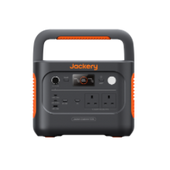
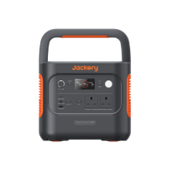
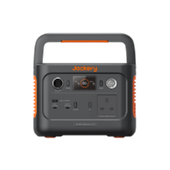
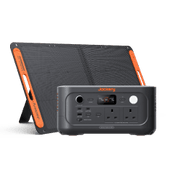
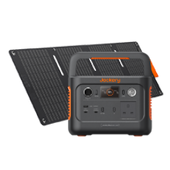
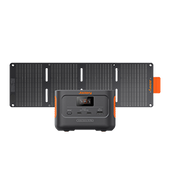
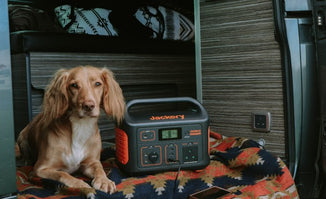
Keeping safety devices charged is critical. For reliable power, the Jackery Solar Generator 500 v2 is an excellent choice for shorter trips or those prioritizing a balance of weight and power; its compact design ensures phones, GPS devices, and headlamps remain charged without taking up excessive space.
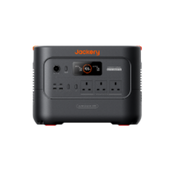
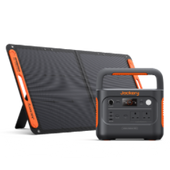
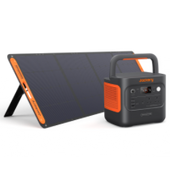
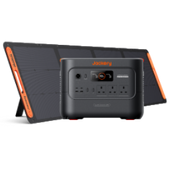
For longer expeditions or groups carrying more equipment (such as photography gear or drones), the Jackery Solar Generator 1000 v2 offers robust capacity. It ensures that all essential electronics remain operational throughout the trip, providing peace of mind in remote areas.
Sleeping System
For those new to camping, sleeping on the moors can be an adjustment. To ensure a good night's rest:
|
Wild Camping Sleeping System |
|
|
Sleeping Bag |
A quality sleeping bag is vital. Always check the comfort rating before purchasing. If a warmer bag is not available, a silk or synthetic liner can add warmth while taking up minimal backpack space. |
|
Sleeping Mat |
The ground on Dartmoor is often chilly and uneven. A foam mat is a good starting point, but for frequent wild campers, an inflatable insulated mat is a worthwhile investment for superior comfort and heat retention. |
Clothing
The golden rule of wild camping is to always pack one full set of dry clothing. These are strictly for emergencies or sleeping in. If on a two-day trek, campers may need to put wet clothes back on for the second day of walking to keep the dry set safe.
Insulation: An insulated down or synthetic jacket is ideal for winter wild camping.
Extremities: A warm hat and gloves make a tremendous difference, even in cooler summer evenings.
Water and Hygiene
Water: Water can often be collected from streams, but must be purified. Carry water purification tablets or a lightweight water filter to ensure it is safe to drink.
Toilet: Follow the "leave no trace" principle strictly. If facilities are unavailable, dig a hole at least 15cm deep and 50m away from water or paths. Pack out all toilet paper and sanitary items; do not bury them.
Safety Essentials
As with any expedition in a remote region, basic safety items are non-negotiable. The kit should include:
A physical map (OS Explorer OL28) and a compass (and the knowledge to use them).
A whistle for signalling distress.
A flashlight or headtorch with extra batteries.
A first aid kit.
A mobile phone, kept turned off or in aeroplane mode to save battery life, is ready for emergencies.
Always inform a trusted contact of the intended route and return time. Accidents can happen when least expected, and being prepared is the best defence.

Jackery Solar Generators for Wild Camping
Choosing a Jackery Solar Generator for wild camping is a popular decision due to its combination of clean power, portability, and user-friendliness in off-grid environments. Unlike traditional gas-powered generators, Jackery units operate very quietly (some as low as 30 dB), which is essential for enjoying the peace of the wilderness and adhering to quiet hours at campsites.
As a solar-powered solution, it produces no exhaust fumes, making it an eco-friendly and safe option for use both outdoors and inside tents, RVs, and other vehicles.
Jackery Portable Power Stations and the foldable SolarSaga panels are designed to be easily carried and packed. Smaller models can fit into a backpack, while larger units often feature built-in handles and wheels. The generators are built to withstand the rigours of the outdoors, including bumpy roads and varied conditions, ensuring they are a reliable companion in remote locations.
Jackery Solar Generator 500 v2
Choosing the Jackery Solar Generator 500 v2 (Explorer 500 v2 Portable Power Station paired with a SolarSaga 100W solar panel) for wild camping on Dartmoor offers several compelling advantages, focusing on portability, quiet, and reliable power for the strict "no-impact" nature of Dartmoor's backpack camping code.

Ultra-Lightweight: At only 12.57 lbs (5.7kg), it's one of the lightest and smallest 0.5kWh power stations available. This is crucial for Dartmoor's "Travel Light" code, which requires you to carry everything in a backpack during a walking expedition. The reduced size (27% smaller than some industry standards) makes it easy to pack into a rucksack, which is essential as you are discouraged from using large tents or large groups for wild camping.
Near-Silent Operation: Unlike traditional fuel generators, the Jackery operates at a very low noise level (around 28dB - 36dB), ensuring you don't disturb the peace and tranquillity of the moorland, which is a key part of the Dartmoor experience. As a solar-powered solution, it produces no fumes or toxic gases. This respects the "Tread Lightly" principle, which prohibits open fires/BBQs and emphasises leaving no trace.
Solar Rechargeability: When paired with a foldable Jackery SolarSaga 100W panel, you have a self-sufficient power source. This allows you to recharge your battery while walking, ensuring you have continuous power for multiple days without needing access to a vehicle or mains power.
All-Weather Performance: Dartmoor is known for its rapidly changing, often cold weather. The unit is engineered to operate in a wide temperature range, supporting charging and discharging from -20°C to 45°C. This means reliable performance even on freezing cold nights.
Jackery Solar Generator 1000 v2
Choosing the Jackery Solar Generator 1000 v2 (which includes the Explorer 1000 v2 Power Station and compatible SolarSaga 200W or 100W panels) for wild camping on Dartmoor is an excellent choice, as its features align well with the "Leave No Trace" principles and the specific requirements of Dartmoor's open moorland environment.

No Fires/Fumes (Critical Rule): Dartmoor strictly prohibits open fires and BBQs due to high wildfire risk. The Jackery is a zero-emission, silent power source that allows you to use low-power electric cooking appliances (like a small kettle or hot plate) safely and responsibly, without combustion.
Whisper-Quiet Operation: The unit operates at less than 30 dB (even as low as 22 dB in quiet mode), which is vital for preserving the peace and solitude of the moor and ensuring you are not a disturbance to other campers or wildlife.
Small Footprint: The power station weighs around 23.8 lbs (10.8 kg) and is designed to be relatively compact, fitting within the "travel light" and "small, lightweight tent" philosophy of Dartmoor camping.
Solid Capacity and Output: With a 1070 Wh capacity and a 1500 W continuous AC output 3000 W surge peak), the 1000 v2 can handle all typical camping devices, such as an electric kettle, portable fridge, coffee maker, and more. The "Solar Generator" component (Explorer 1000 v2 + SolarSaga Panels) means you can recharge off-grid during the day, extending your stay without needing to return to civilisation. This is ideal for longer expeditions on the moor.
The Rules for Wild Camping on Dartmoor
To preserve the stunning landscape and ensure that wild camping on Dartmoor remains a privilege for future generations, every visitor must adhere to strict byelaws. The overriding theme for all outdoor activities in the UK is the 'Leave No Trace' principle. If every visitor follows these guidelines, the moorland will remain a pristine environment for centuries to come.
Key Restrictions for Responsible Campers
When planning your trip to Dartmoor, remember that your stay must be minimal and unobtrusive:
Rule 1: No Open Flames
No barbecues or open fires are allowed at any time. The risk of wildfire on the peaty soil is dangerously high. If you wish to cook, you must use a portable gas camping stove (refer to the Kit List for recommendations).
Rule 2: Small Groups Only
Wild camping on Dartmoor is intended for solitary backpackers or small groups. Large group camping is not permitted; keep outings modest (a maximum of 6 people) to avoid noise and landscape degradation.
Rule 3: No Vehicles
Sleeping in a motorhome, camper van, or roof tent is strictly prohibited on the open moor.
Rule 4: Clean Campsites
Take all rubbish with you — carry it out for disposal. Before leaving, always double-check the pitch to ensure it is spotless.

Protecting Dartmoor's Beautiful Environment
Protecting the unique ecosystem is just as important as following the camping rules. Here is how visitors can ensure they leave the park exactly as they found it.
Animals and Wildlife Safety
Dartmoor is home to many animals, so it is vital to keep gates closed at all times. While most animals will ignore campers, please do not feed the famous Dartmoor ponies; feeding encourages them to congregate near dangerous roadways.
Be aware that foxes have been known to shred tents in search of food. To prevent this, pack all food away securely. Never leave food inside the tent if you go for a stroll, and bring it inside the sleeping compartment with you at night. Always maintain a safe distance from all wildlife, as animals or birds may be in mating or nesting season.
Waste and Hygiene Practices
It goes without saying that campers should not leave anything behind after a wild camp. Always keep an eye out for rubbish that may blow away. Even organic items like teabags, fruit skins, and nutshells will not biodegrade for years in this environment, so please collect those as well.
Toilet Etiquette: If you need to use the toilet, you must do so discreetly and responsibly.
Go at least 50 metres away from walkways, rivers, or streams. Use a trowel to dig a hole at least 15cm deep and make an effort to properly hide the pile once finished. Crucially, toilet paper, sanitary towels, and tampons must be stored, bagged, and carried home for disposal — never bury these items.
What to Do On Dartmoor
One of the primary advantages of wild camping on Dartmoor is that it gives you immediate access to the National Park's phenomenal outdoor activities. Here are a few must-do activities to enhance your trip after pitching your tent in a permitted area.
Discovering the Magic of Wistman's Wood
Wistman's Wood, a tiny but incredibly dense and deep woodland in the heart of the park, offers a truly one-of-a-kind experience. Low-hanging trees covered in dense green moss provide a natural, green ceiling, while lichen-covered boulders create a living, ancient carpet. Stepping into the woods, visitors cannot help but feel like they have been transported straight into an old fairytale.
These woods have inspired innumerable paintings, poetry, and creative minds. They are a world unto themselves and, despite their small size, are easy to become lost in, mentally at least. A visit here will take your mind off the rush and bustle of city life and remind you of nature's magnificence.
To find the woods, park at Two Bridges Car Park in Princetown and follow the signage. The woods are typically a 20-minute cross-country walk away and are definitely worth seeing as part of your wild camping adventure on Dartmoor.
Explore the Ancient Tors
The Dartmoor National Park is made up of mile after mile of huge and open, scrub-covered moorland, punctuated almost entirely by its trademark Tors. These massive, apparently irrational towers of rock are the result of years of weathering, which has worn the stone into precisely balanced, distinctive structures.
Exploring amongst the Tors feels like entering a prehistoric realm, with natural sculptures of various shapes and sizes scattered across the terrain, creating a strange and captivating scene. The park features approximately 160 Tors, so visitors are truly spoilt for choice when deciding which granite summit to conquer.
Meet the Wild Ponies
The National Park is home to approximately 1,500 Dartmoor Ponies that wander freely over the moors. These hardy creatures graze wild grasses all year and huddle together for warmth in the winter.
Visitors will not have trouble finding them, as they are distributed around the park. In the spring, you might be fortunate enough to get a sight of the newborn foals playing together over the moor. It is crucial not to approach too close to the ponies; after all, this is their home, so please give them the space they need.
Wild Swim in a Dartmoor River
Dartmoor is home to a complicated and magnificent network of rivers, which provide several opportunities for a refreshing wild swim. From the swimming holes at Poundsgate to the natural water slides at Oakham, Dartmoor has something for everyone searching for the rejuvenating pleasures of a dip in nature. A vacation to Dartmoor is not complete without a plunge, whether it is to cool down in the summer or to challenge yourself in the winter.
FAQs
The following are frequently asked questions about wild camping on Dartmoor.
1. Where on Dartmoor can I wild camp?
You can legally backpack camp for one or two nights only in specific, designated areas on Dartmoor, primarily within the common lands. The Dartmoor National Park Authority provides an official interactive map that clearly shows the 'purple zones' where camping is permitted and 'red zones' where it is banned.
You must check the official wild camping on Dartmoor map before setting off, as camping is only allowed in these designated areas and must always follow the "Leave No Trace" Code of Conduct.
2. Is the Dartmoor wild camping ban overturned?
Yes, the controversial High Court ruling that initially challenged the right to wild camp on the Commons was overturned by the Court of Appeal, and that decision was unanimously upheld by the UK Supreme Court in May 2025. This landmark ruling confirmed that the public has a legal right of access to the Dartmoor Commons for the purpose of "open-air recreation," which includes responsible, small-scale backpack camping. Therefore, the right to wild camping on Dartmoor has been legally affirmed.
3. Can you wild camp in Dartmoor in 2025?
Yes, you can. Following the May 2025 Supreme Court ruling that upheld the public's right to camp as a form of "open-air recreation," Dartmoor remains the only place in England and Wales where there is a legal right to wild camp without seeking permission from the landowner, provided you adhere to the National Park's specific byelaws and the Leave No Trace principles.
4. What happens if you get caught wild camping?
If you are caught wild camping on Dartmoor outside the designated, permitted areas (the 'purple zones' on the official map), you are technically committing a civil offence (trespass). In most cases across the UK, if you are respectful, apologetic, and immediately pack up and move when asked by a landowner or Ranger, there is no penalty.
However, if you refuse to leave when asked, the matter can escalate to the criminal offence of aggravated trespass, which can carry significant fines (up to £2,500) or, in rare cases, a prison sentence under the Police, Crime, Sentencing and Courts Act 2022.
Final Thoughts
Wild camping on Dartmoor offers an unparalleled opportunity to connect with nature, but it relies entirely on your commitment to the 'Leave No Trace' principles. By checking the official map, respecting the Tors, and protecting the Dartmoor ponies, you help preserve this legal right for everyone. Remember to pack your safety essentials, ensuring your devices remain powered by reliable, portable solutions like the Jackery Solar Generator 1000 v2 or 500 v2.


