














![[Over £1200 Tier Gift] Bluetooth Speaker with Phone Stand - shipped Separately](http://uk.jackery.com/cdn/shop/files/Portable_Bluetooth_Speaker_with_Phone_Stand_2.png?v=1781595581&width=170)




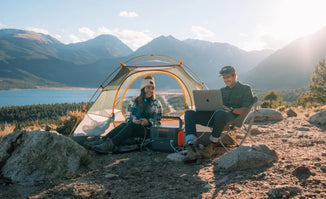




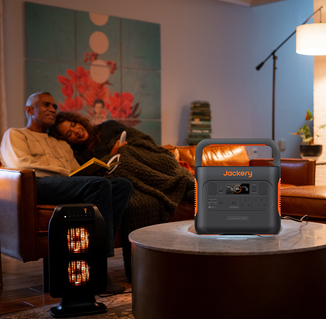


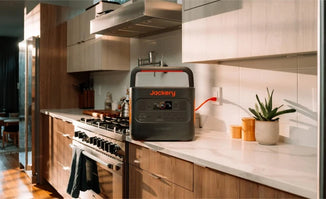
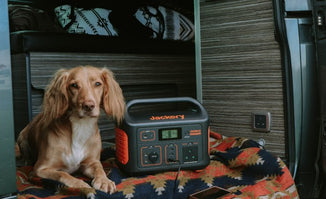


Enjoying the British scenery in winter offers a rare sense of calm, but demands thorough preparation. To succeed, equip yourself with top-quality winter camping accessories, starting with effective insulation and a dependable power source.
If you're camping in the modern age, bringing a Jackery Explorer 1000 v2 or 2000 v2 will ensure your important devices and heated blankets stay charged during the long, dark nights. This article covers everything from choosing a four-season tent to layering your clothes so your winter vacation is warm and fun, not freezing.
|
Key Takeaways: |
|
Importance of Winter Camping Accessories
Winter camping turns a beautiful landscape into a high-stakes environment where the right accessories aren't just for comfort—they are critical for survival and safety. While summer camping gear focuses on breathability and weight, winter gear is engineered to prevent life-threatening conditions like hypothermia and frostbite.
The Survival Priority: Heat Retention
In sub-zero temperatures, your body loses heat through evaporation, radiation, and conduction. For winter, you need an R-value (a measure of thermal resistance in sleeping pads) of 4 or higher, or a combination of a foam and inflatable pad, to create a barrier against the 'heatsink' effect, where the earth draws warmth from your body.
Moisture Management (Staying Dry = Staying Alive)
Sweat is one of the biggest dangers in winter. If you get wet from exertion and then stop moving, that moisture will rapidly cool your core. Using materials like merino wool or synthetics is essential. Cotton is "the enemy" because it absorbs water and loses all insulating properties when wet.
Essential "Force Multipliers" for Comfort
Small accessories can make the difference between a miserable night and a restful one. A durable Nalgene bottle filled with boiling water and tucked into your sleeping bag acts as a personal heater for up to 8 hours. Modern USB hand warmers can provide consistent heat for hours and serve as an emergency power bank for your phone, whose battery will drain faster in the cold.
Download the Winter Camping Accessories>>
Winter Camping Accessories: What to Bring Winter Camping?
Dedicate most of your time, budget, and focus here to prepare for your memorable UK winter camping trip. Premium winter camping accessories should include these key items for a safe and rewarding adventure in the British wilds.

A. Winter Camping Tent and Shelter
Four-season tents are designed to withstand extreme cold and wind. Under no circumstances should you use a summer tent in the cold. Choose a durable four-season tent with double walls to keep out dampness and harsh weather.
Pitching the Tent: Dawn and nightfall are also quite brief during the reduced daylight hours, so pitch your tent around lunchtime (1 p.m.), when the sun will be at its highest point in the sky. This way, you can conserve your artificial illumination for when it's dark and avoid the obvious challenges of setting up camp in complete darkness.
Consider the location before deciding where to camp. Is it shielded from the wind? Is the location safe from avalanches? Is there an adequate water source nearby, or will you have to melt snow? Is it at a safe distance from trees and branches that could fall onto your tent? Are there any markers that will help you find your way through the snow after you've left the tent? The answer to all of these questions should be yes.
B. Winter Camping Sleeping Bags and Bedding
The following are the basic sleeping bags and mats for winter camping:
Groundsheets and Sleeping Mats: These are vital for keeping the icy chill of the ground from seeping into your garments and your body. Consider using many layers of groundsheets and camping mats to increase insulation and create a warmer environment inside the tent.
Sleeping Bag and Liner: Not only should you select a high-quality sleeping bag designed to keep you warm in sub-zero temperatures, but an interior liner is even better. This simple additional layer creates another insulating chamber, helping you retain heat rather than losing it to your frigid environment.
However, be aware of how insulating layers interact, and always use the best available insulation. Visit our insulated clothing guide for more information on how to get the most out of insulation.
Staying Warm: If you're wondering how to stay warm while camping in the cold, the most crucial thing you can do is keep your sleeping quarters dry. You should try to keep everything dry, but the area where you sleep is the last place you want moisture to get in, as it will lead to endless sleepless nights.
C. What to Wear for Winter Camping
UK winter camping means tackling 'wet-cold.' With temps just above freezing, moisture from rain, sleet, or sweat is your main foe. Your clothes are your life support, regulating your body temperature and preventing hypothermia.
Gear and Clothing: Your gear should be in excellent condition and meet the necessary criteria, such as waterproof tents and coats that no longer bead water. Your extremities will appreciate you if you properly protect them with thick walking socks, caps, and gloves, as well as the appropriate snow boots.
Use merino wool or synthetics. Cotton absorbs water and loses insulation. Gaiters seal boots and trousers, blocking melting snow that can soak socks and lead to frostbite.
|
How to Wear for Winter Camping |
||
|
Layer |
Materials |
Golden Rule |
|
The Base Layer (Wicking) |
Merino wool or synthetic polyesters |
Avoid cotton. Cotton "kills" in winter because it absorbs moisture, loses all insulating power when wet, and actually drains heat from your body. |
|
The Mid Layer (Insulating) |
Fleece or synthetic "puffy" jackets |
It is highly breathable and continues to insulate even if it gets damp—making it ideal for the UK's humid winters. |
|
The Outer Layer (Shell) |
Waterproof/breathable membranes |
Look for "pit zips" (underarm zippers) to vent heat during activity so you don't sweat into your inner layers. |
Rucksack: Choose a larger-than-usual rucksack to fit the extra gear you'll need. Pack generously but sensibly to balance preparedness with portability.
Ski/Walking Poles: Even if you don't plan on doing much walking, ski or walking poles will help you maintain stability and balance as you travel. They can also be used to measure the depth of the snow and peg down your tent at the same time.
D. Heating & Power Accessories for Winter Camping
To stay warm and powered during a winter camping trip, your gear must withstand freezing temperatures and conserve energy efficiently. Modern accessories, like LiFePO4 power stations and heated sleeping bag liners, are essential for maintaining safety when the temperature drops.
Lighting: Because winter's days are so short, illumination should be one of your top priorities. At Glasgow's latitude, the winter solstice means the sun rises at 8:46 and sets at 15:45 on the shortest day of the year, leaving 17 hours of utter darkness. Equip yourself with adequate lighting, such as a camping lamp or head torch with extra batteries, as these will drain faster in the cold.
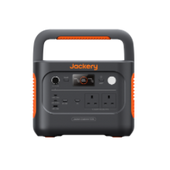
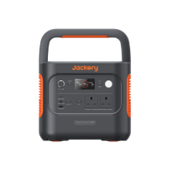
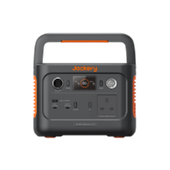
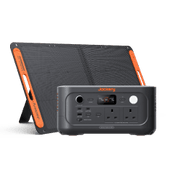
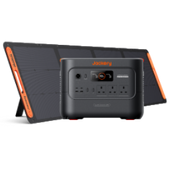
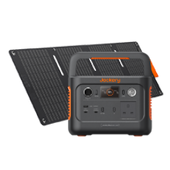
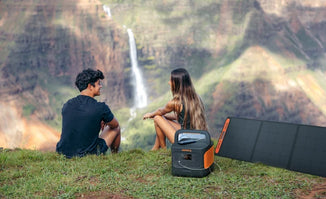
Jackery Portable Power Stations: A reliable power source is a game-changer for keeping your most important winter camping gear functioning all night long in Britain. The Jackery Explorer 1000 v2 is great for journeys in the middle of the range, and the Jackery Explorer 2000 v2 has a huge battery that can power electric blankets or heaters, so you can keep toasty and connected even when it's below freezing.

Fire: A bonfire completes your winter camping trip. Collect rocks and logs, fill gaps with tinder, and use a sure-fire starter—such as petroleum jelly-wrapped lint. Relax by your fire, and, if lucky, enjoy Northern Lights overhead.
Heated Sleeping Gear: Heated liners and blankets act as "force multipliers" for your sleeping bag, significantly increasing its temperature rating.
Hand Warmers & Personal Heat: Rechargeable hand warmers are safer and more sustainable than chemical packets, and many double as backup power banks for your phone.
E. Food & Hydration
Winter camping requires a high-calorie diet and strategic hydration to maintain your core body temperature. When temperatures drop, your body can burn between 3,000 and 5,000 calories per day just to stay warm and move through snow.
Eating: Eating high-calorie, carbohydrate-rich foods before bedtime should help you generate heat. When you go outside, it makes sense to put on an extra layer or two to keep your inner surroundings warm after the night.
Food and Hydration Needs: In extreme situations, it is vital to stay well-fed and well-hydrated. In cold weather, the human body expends considerably more calories trying to maintain its base temperature of 37 °C. You must continue to provide it with the necessary energy. Chocolate, almonds, cereal bars, cheese, and oil are high in carbs, protein, and fat, so they digest slowly and provide a constant supply of energy.
Alternate Between Water and Energy Drinks: Even though you may drink less in chilly weather, stay hydrated. Even if you don't feel any perspiration, you'll be sweating and losing water while breathing. If you're going camping and doing a lot of exercise, you'll need to replenish your electrolytes and water supply, so stock up on sports and energy drinks.
Gas Stove: If your winter camping kit allows it, consider a tiny gas camping stove to prepare warm meals. These will warm your heart and body!
F. Winter Camping Safety Items & Tools
When camping in the winter, your tools and safety items are your primary defence against the elements. Because temperatures can drop rapidly and daylight is limited, you need equipment that is specifically rated for sub-zero performance and moisture resistance.
Snow Shovel: A snow shovel is handy for clearing snow from the tent's entrance or for digging out an area for another purpose.
First Aid Kit: If you're camping with a group, at least one person should be a trained first aider. A complete first-aid kit should be readily available in case you need it and include basic wound-dressing supplies as well as effective pain relievers.
Whistle: Pack a whistle for your vacation, which you can use to find people in your party or draw their attention if you become stuck in a tricky circumstance.
How to Keep Warm in a Tent for Winter Camping?
There are a few ways to heat up tents in cold weather without using candles or fire heaters. That's two things you should never do, by the way. To ensure your comfort, selecting the right winter camping accessories can make all the difference in maintaining a safe temperature.

Insulation and Clothing
The most basic rule is to dress in layers. High-quality base layers and thermal wear are essential winter camping accessories for trapping body heat before it escapes into the tent air.
Flooring and Base Protection
Use an old picnic blanket to create a thicker, drier base underneath your sleeping mats and bags. This adds an extra barrier between you and the frozen ground, which is often the biggest source of heat loss.
Bedding and Blankets
Layer your sleeping area. Bring some lovely blankets to wrap around or tuck into your sleeping bags. This creates a multi-layered insulation system that traps pockets of warm air, keeping you much cosier than a single sleeping bag would.
Tent Layout and Draft Blocking
Place your rucksacks or bags at the corners of the tent to create a somewhat tighter enclosure that will prevent as much cold air from coming in. By reducing the empty volume of air your body has to heat, you can maintain a much more stable internal temperature.
Active Heating Gear
Using a portable power station, like the Jackery Portable Power Station, allows you to run low-wattage heating accessories (heated liners, heated blanket, portable space heater, or kettle) safely inside a tent where gas heaters would be dangerous.
What Temperatures Are Too Cold for Camping?
The answer to this question may vary from person to person because we all react differently to temperature changes, and some people are more comfortable in the cold than others. When preparing for the elements, having the right winter camping accessories can significantly lower your threshold for what feels "too cold."

Assessing Personal Comfort and Forecasts
When planning a camping trip, always examine the projected overnight and daily temperatures to help you decide what is ideal. You should check weather warnings and wind chill factors that may make the actual temperature feel much lower than the forecast indicates.
British Seasonal Guidelines
Any overnight temperatures below zero are best avoided for beginners. Therefore, camping in the UK between October and March is not suggested for the average camper owing to the cold weather.
However, if you are equipped with the best winter camping accessories, you can extend your season, provided you are well-prepared for sub-zero conditions and understand the risks of the British winter.
Jackery Portable Power Stations for Winter Camping
A Jackery Portable Power Station is a game-changer for winter camping in the UK, primarily because it provides a silent, fossil-fuel-free way to power critical heating and safety equipment. In the UK's uniquely "wet-cold" winter, managing moisture and core temperature is vital, and a Jackery allows you to do both safely inside a tent or vehicle.
It can power electric blankets and heated sleeping bag liners all night. Using a Jackery is safer than gas heaters, which pose a risk of carbon monoxide poisoning in enclosed tents. You can run small boot dryers or low-wattage glove warmers to dry out wet gear overnight, which is essential for preventing cold-weather injuries like frostbite.
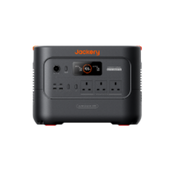
Jackery Explorer 2000 v2
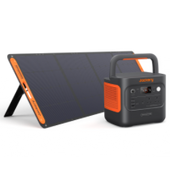
The Jackery Explorer 2000 v2 is an exceptional choice for winter camping in the UK because it offers a massive 2042Wh capacity in a design that is 41% smaller and 35.6% lighter than most 2kWh competitors. In the damp, freezing conditions of a UK winter, a reliable, high-capacity power source is critical for both safety and comfort.

Cold Weather Reliability
The unit is rated to operate in temperatures as low as -10°C (14°F). While lithium batteries naturally struggle in the cold, the 2000 v2's LiFePO₄ chemistry is housed in a "Cell-to-Body" (CTB) structure that provides better thermal stability and physical protection for off-road environments.
Powers High-Wattage Heat
With a 2200W continuous output (4400W surge), it can easily run essential winter gear that smaller units cannot, such as a 1500W portable space heater, an electric kettle for hot drinks, or a 12V heated blanket for multiple nights. It also features 2*AC outlets, 1*USB-A port (18W), and 2*USB-C ports (100W + 30W), allowing you to charge multiple devices, such as phones and laptops, simultaneously.
Ultra-Quiet for Stealth Camping
Operating at ≤30dB, it is virtually silent. This is perfect for the quiet surroundings of UK campsites or remote wild camping spots where you don't want to disturb the peace. Activate Quiet Charging Mode via the Jackery app for library-level silence at ≤30dB, perfect for indoor use without disruption. Even during use, noise stays minimal - 42dB (AC) and 30dB (DC). Perfect for home or outdoor use without disruption.
Emergency "Super Charge"
In winter, solar energy is limited by daylight. With Emergency Super Charge Mode, easily activated via the Smart App, the power station charges from 0% to 80% in just 52 minutes—perfect for when you need power in a hurry. Even in regular AC charging mode, a full charge takes only 103 minutes.
Jackery Explorer 1000 v2
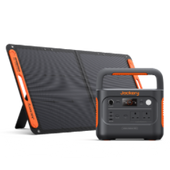
The Jackery Explorer 1000 v2 is exceptionally well-suited for winter camping in the UK because it addresses the two biggest challenges of the region's colder months: maintaining battery efficiency in freezing temperatures and safely powering heat-intensive gear in damp environments.

Superior Cold-Weather Performance
The UK's damp, freezing winters can cause traditional lithium batteries to drain rapidly or fail. This unit is rated for a discharge temperature as low as -10°C (14°F), ensuring it stays functional during a hard UK frost.
Unlike older battery chemistries, the LiFePO4 (LFP) cells in the v2 are more thermally stable. This means they are safer and more efficient when running continuous heating elements, such as electric blankets, for 8+ hours.
High Capacity for Essential Winter Gear
Winter camping requires more power than summer trips due to the need for "active" heating and shorter daylight hours. The 1500W output can handle high-draw appliances like a kettle (750W) for hot drinks or a small portable heater (800W) for roughly an hour to take the edge off a freezing tent.
The 1070Wh capacity provides enough energy to run a 150W electric blanket for over 6 hours continuously, which is often enough to keep a sleep system warm through the coldest part of the night.
Rapid Recharging for Limited Daylight
In the UK winter, you have very few hours of usable sunlight for solar charging. The 1000 v2 can be fully recharged from a wall outlet in just 1 hour via its emergency charge mode. This is perfect for a quick "top-up" at a campsite facility or pub before heading back into the wild. When paired with Jackery SolarSaga panels, it can still harvest energy on overcast days, helping to extend your off-grid stay without needing a petrol generator.
Top 10 Tips for Winter Camping
Comfort, safety, and simple routines that make life easier in the cold are all important for a good winter camping trip. These tips, combined with the basic gear you need for winter camping, can help you get comfortable, stay warm, and enjoy the quieter side of nature.
Tip 1: Choose Your Campsite Carefully
Winter is a terrific time to make wise decisions. Find a place to pitch that is sheltered from the wind but not in a dip where cold air gathers at night. Don't pitch your tent under dead branches, and check the ground for ice, water, or soft mud. If there is snow on the ground, stamp down a firm platform before putting up the tent. This will make the ground flatter and warmer for sleeping.
Tip 2: Master a Solid Setup Routine
In the winter, it's crucial to be quick and organised. Set up your sleeping area after you pitch the tent, but before the sun goes down. Always have ready access to basic items like a headlamp, warm clothes, and gloves. Also, it's a good idea to pack and unpack in the same order every time so you don't have to dig around with chilly hands.
Tip 3: Layer Smartly, Not Heavily
You don't have to wear big clothes to stay warm. Think in layers. Put on a base layer that wicks away moisture, then a fleece or lightweight insulated jacket, and finally a waterproof shell. When you move or stop, change layers. If you start to sweat, either take off a layer or slow down. When you stop moving, wet garments make you feel cold quickly.
Tip 4: Keep Warm The Proper Way
It's easier to maintain warmth than to regain it. Before you start to feel cold, add more layers. Put on dry socks before you go to bed. Keep a hot water bottle in your sleeping bag if it gets cold outside. In the evening, have a warm dinner. Your body makes heat more easily when it is fed.
Tip 5: Think Safety First
Winter is gorgeous, but less forgiving. Share your journey with someone at home. Carry a backup light, extra batteries, and a power bank to keep your best winter camping accessories charged. Check the weather frequently. If the wind or snow gets more severe than planned, relocate to a safer area or return.
Tip 6: Look After Your Gear In The Cold
Cold weather can affect equipment. Store your stove fuel upright, place your phone and batteries inside your jacket, and keep your water filter from freezing. Shake the ice off the tent in the morning to keep it from melting inside when you put it away. If snow falls, clear it off regularly to avoid adding weight to the tent.
Tip 7: Maintain Adequate Hydration
It's easy to forget to drink water when it's chilly, yet dehydration is especially severe in the winter. Take little, frequent sips. Bring the best winter camping accessories, like insulated flasks, to keep your water from freezing.
Tip 8: Focus on High-Energy Food Intake
Bring foods that are high in energy and easy to prepare with gloves on. Instant noodles, curry pouches, and fast oats are all effective. Snack frequently to stay warm and energetic throughout the day.
Tip 9: Manage Condensation
If you can, keep the vents open so moisture from your breath can escape. If you seal the tent completely, you'll wake up to a layer of frost inside. This frost will melt, making your things wet.
Tip 10: Allow Room For Enjoyment
The finest winter trips are those that balance planning and fun. Make a hot drink, look at the stars, or go for a walk in the dark. Camping in the cold is naturally slower and quieter. If you lean into that beat, you'll enjoy some of the best nights you've ever spent outside.
FAQs
The following are frequently asked questions about winter camping accessories.
1. What do you need for winter camping?
You need both good shelter and good insulation to enjoy the outdoors in the winter. A four-season tent, a sleeping bag with a comfort rating below zero, a sleeping mat with a high R-value, and a reliable heat source, like a gas stove for warm meals, are all must-have items for winter camping. Don't forget extra lights and tools to help you find your way, since winter days in the UK are rather short.
2. What are the 7 C's of camping?
The 7 C's are a simple framework to ensure you have the best winter camping accessories for survival and comfort:
Cutting Tool: A sturdy knife or multitool.
Combustion Device: Waterproof matches or a fire starter.
Cover: A tent, tarp, or emergency bivi.
Container: A stainless steel bottle for carrying and boiling water.
Cordage: Paracord for gear repairs or securing your tent in high winds.
Candle: Or any reliable light source, like a head torch.
Compass: Essential for navigating the misty winter landscapes of the UK.
3. What to wear when camping in the cold?
The secret to staying warm is the layering system. Start with a synthetic or merino wool base layer to wick sweat, then add a thick fleece or down mid-layer for insulation. Finish with a waterproof, windproof outer shell to protect against British rain and sleet. Always pack extra pairs of woollen socks and keep a dry set of thermals specifically for sleeping.
4. Is 40 degrees too cold to sleep in a tent?
In the UK, 40°F (around 4°C) is a common nighttime temperature during the shoulder seasons. While it is not "too cold" for an experienced camper, it requires proper winter camping accessories to stay comfortable. Without a proper sleeping mat to block ground chill and a bag rated for at least 0°C, you will likely feel the cold. With the right gear, however, 40°F can make for a very crisp and refreshing night under the stars.
Final Thoughts
As you plan your next sub-zero adventure, keep in mind that success is dependent on the minutiae of your equipment. Investing in high-performance winter camping accessories, such as thermal liners and a reliable Jackery Portable Power Station, provides a safety net against the unpredictable UK weather. By following these suggestions for campsite selection, hydration, and gear maintenance, you may enjoy the Northern Lights or a snow-covered landscape with complete peace of mind.


