





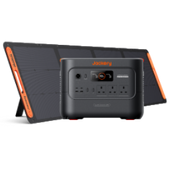
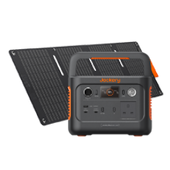


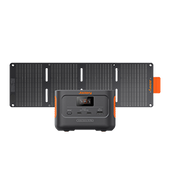
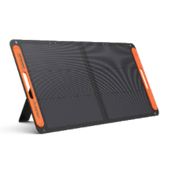














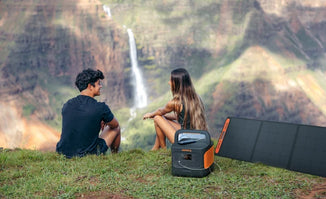


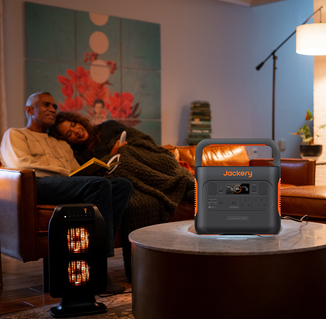


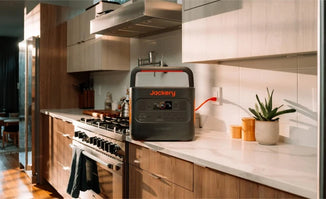
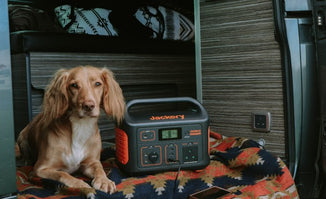


A cabin can feel peaceful until the lights flicker, the fridge stops, or there is not enough power for a winter evening. Remote cottages, woodland cabins and rural holiday stays often need a more thoughtful power plan than a standard home.
The right cabin power supply should match daily habits, seasonal use, evening demand and backup needs. This guide explains how cabin power works, what options are available in the UK, and how to choose a reliable setup without overspending.
|
Key Takeaways: |
|
Why Cabin Power Supply Is a Common Challenge in the UK
A reliable cabin power supply is not always straightforward in the UK, especially for remote cottages, woodland cabins, farm stays, fishing lodges and holiday cabins away from established grid infrastructure.
In rural areas, the nearest mains connection may be far from the property, and extending the grid can involve trenching, permissions, certified electrical work and high installation costs. Even when a cabin is connected, supply can be less stable in exposed locations where storms, falling branches or ageing rural lines cause outages.
Power planning also becomes harder because cabin use is often irregular. A weekend stay in summer may only need lights, phone charging and a small fridge. A winter visit can involve longer lighting hours, electric blankets, heating controls, Wi-Fi routers, water pumps, security cameras and kitchen appliances all running at similar times.
What Do Most Cabin Owners Get Wrong About Power Planning?
The first mistake is underestimating winter usage. Shorter days mean more lighting, colder weather increases heating-related demand, and batteries or solar systems often perform differently in low light. The second mistake is ignoring peak evening demand. A cabin may not use much electricity across the whole day, but the evening peak can be high when lights, cooking appliances, laptops and heating support are used together.
The third mistake is having no backup plan. A single power source may work most of the time, but remote cabins need resilience. A practical setup should consider daily energy use, peak load, winter performance and emergency backup before choosing between mains power, solar, battery storage or a hybrid system.
What Is a Cabin Power Supply and How Does It Work?
A cabin power supply is the system that provides electricity for a cabin’s daily needs, from basic lighting and phone charging to refrigeration, Wi-Fi, water pumps, small appliances and heating controls. In the UK countryside, cabins usually fall into two broad groups: grid-connected cabins and off-grid cabins.
A grid-connected cabin uses mains electricity from the local distribution network. This is common for rural cottages, converted outbuildings and holiday lets close enough to existing power lines. The cabin normally has a consumer unit, circuits, sockets and protection devices installed by a qualified electrician. It works much like a small home, but the connection cost can rise sharply if the property is far from the nearest supply point.
An off-grid cabin has no permanent mains connection. Instead, it generates and stores its own electricity, usually through solar panels, a battery, an inverter and sometimes a generator or portable power backup. This setup is common for woodland cabins, remote retreats, farm shelters and cabins where trenching a cable is too costly or impractical. The system must be sized around real usage, especially winter demand and evening peak loads.
What Do You Actually Need for a Reliable Cabin Power System?
A reliable cabin power system normally includes several core components.
- Solar panels generate electricity during daylight hours.
- Battery storage stores unused energy so it can be used in the evening, overnight or during cloudy periods.
- An inverter converts stored DC electricity into AC electricity for normal UK appliances.
- Backup options, such as a generator or expandable battery system, help cover long periods of poor weather or unusually high demand.
- Energy monitoring helps cabin owners see what is being produced, stored and consumed, making it easier to avoid overloads or unexpected shutdowns.
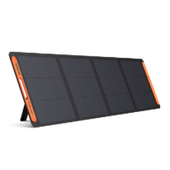
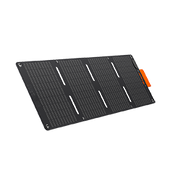
For cabins used regularly, battery storage is often the heart of the system. It allows solar energy to be used when people are actually in the cabin, rather than only when the sun is shining. Where a permanent electrical installation is difficult, a solar-plus-storage system such as the Jackery SolarVault 3 Series can be relevant for powering essential cabin loads without relying fully on fuel-based generators or expensive grid extension work.
|
Cabin power type |
How it works |
Best for |
Pros |
Cons |
|
Grid-connected cabin |
Electricity comes from the mains network through a fixed electrical installation. |
Rural cottages, holiday lets, cabins near existing supply lines. |
Familiar setup, supports higher loads, suitable for regular appliances. |
Connection can be expensive in remote areas; outages may still happen; requires certified installation. |
|
Off-grid cabin |
Power is generated and stored on site, usually with solar panels, batteries and an inverter. |
Remote cabins, woodland stays, farm cabins, seasonal retreats. |
Independent from the grid, lower running noise than generators, useful where mains access is impractical. |
Needs careful sizing; winter output is lower; high-power appliances may require a larger system. |
|
Hybrid cabin |
Combines grid, solar, battery storage and sometimes generator backup. |
Cabins with mains access but unreliable supply or high backup needs. |
Better resilience, can reduce grid dependence, flexible for year-round use. |
More complex design; higher upfront cost; needs proper control and monitoring. |
Common Power Options for Cabins in the UK
Remote cabins in the UK can be powered in several ways, but the right choice depends on location, usage pattern, budget and how much reliability is needed in winter. A small summer cabin used for weekends has very different needs from a year-round holiday let with a fridge, Wi-Fi, lighting, pumps and guest appliances. The four most common options are solar-based systems, generator-based setups, hybrid solutions and grid extension where a mains connection is possible.

Solar-Based Cabin Power Systems
A solar-based system uses photovoltaic panels to generate electricity, battery storage to keep surplus power, and an inverter to supply standard AC power for cabin appliances. It is a strong option for off-grid cabins, woodland retreats, small rural offices and holiday cabins where trenching cables from the grid would be expensive or disruptive.
The main benefit is low day-to-day running cost once installed. Solar is quiet, has no fuel deliveries, and works well for lighting, charging, routers, low-energy fridges, small tools and general cabin use. The main limitation is seasonal output. UK solar generation is much lower in winter than in summer, so the system must be sized for darker months if the cabin is used year-round.
For cabins where owners want a cleaner and quieter alternative to a generator, a solar-plus-battery setup can be practical. A system such as the Jackery SolarVault 3 Series may be relevant when the goal is to store solar energy, support essential loads and reduce dependence on fuel-based backup.
Generator-Based Setups
A generator produces electricity by burning petrol, diesel or LPG. It can provide strong short-term power and is useful for cabins with occasional high loads, such as tools, pumps, electric cooking equipment or emergency backup.
The advantage is immediate power on demand. Generators are also easy to understand and can be moved or replaced without redesigning the whole cabin system. However, they bring ongoing fuel cost, noise, exhaust fumes, maintenance and storage issues. They are usually better as a backup source than as the main daily power supply, especially for holiday cabins where guest comfort and noise control matter.
Hybrid Cabin Power Solutions
A hybrid system combines two or more sources, usually solar panels, battery storage and a generator. In some cases, it may also include a limited grid connection. This is often the most balanced option for year-round cabins in the UK.
Solar handles regular daytime charging, the battery covers evenings and overnight demand, and the generator is kept for poor-weather periods or unusual high-use days. The main consideration is system design. The inverter, battery capacity, solar input and backup source must work together safely. Energy monitoring is also important, because it helps prevent overloads and shows when stored energy is running low.
Grid Extension Where Possible
Grid extension means connecting the cabin to the local mains electricity network. This can be ideal for permanent homes, full-time rural cottages or commercial holiday lets with higher power needs. It supports normal appliances, fixed heating systems, EV charging potential and long-term property use.
The issue is cost and practicality. If the nearest supply point is far away, the project may involve trenching, wayleave agreements, distribution network approval and certified electrical work. For some remote cabins, the cost can be difficult to justify compared with a well-sized solar and battery system.
|
Power option |
What it is |
How it works |
What to consider |
Best recommendation |
|
Solar-based system |
Panels, battery and inverter for off-grid electricity. |
Generates power in daylight, stores surplus, supplies appliances through an inverter. |
Winter output, battery size, roof or ground space, peak load. |
Best for quiet, regular cabin power where loads are moderate. |
|
Generator-based setup |
Fuel-powered electricity source. |
Burns petrol, diesel or LPG to produce AC power. |
Noise, fuel storage, fumes, servicing, running cost. |
Best as backup or for occasional heavy loads, not daily comfort use. |
|
Hybrid solution |
Solar, battery and backup generator or grid support. |
Uses solar first, battery for stored energy, backup when needed. |
More design work, monitoring, inverter compatibility. |
Best all-round option for year-round remote cabins. |
|
Grid extension |
Permanent mains connection. |
Connects cabin to the local electricity network. |
Distance to grid, permissions, trenching, certified installation, upfront cost. |
Best for permanent homes or high-demand holiday lets where connection cost is reasonable. |
For most remote UK cabins, the practical choice is not simply “solar or generator”. A better approach is to calculate daily demand, identify evening peak loads, plan for winter, then choose a system that combines convenience with resilience. Solar with battery storage suits many cabins, while a small generator or grid connection can still have a role where higher loads or longer stays are expected.
How Much Energy Does a Cabin Typically Need?
The energy demand of a cabin depends less on its size and more on how it is used. A simple weekend cabin with LED lights and phone charging may need very little electricity, while a year-round remote home with refrigeration, broadband, water pumps, laundry and heating controls needs a much more robust cabin power setup.
Before choosing a system, it helps to separate daily energy use from peak demand. Daily use tells you how much battery capacity or solar generation is needed; peak demand tells you how powerful the inverter or mains connection must be.

Weekend Holiday Cabin
A weekend holiday cabin is usually occupied for short stays, often with limited appliances. The focus is comfort, lighting and basic convenience rather than full household operation.
|
Typical load |
Example items |
Estimated daily use |
|
Lighting |
4–6 LED lights |
0.2–0.5 kWh |
|
Charging |
Phones, tablets, camera batteries |
0.1–0.3 kWh |
|
Small fridge |
Compact efficient fridge |
0.4–0.8 kWh |
|
Wi-Fi/router |
Router or 4G/5G unit |
0.1–0.3 kWh |
|
Occasional appliances |
Kettle, small microwave, fan, radio |
0.5–1.5 kWh |
|
Typical total |
Light weekend use |
1.3–3.4 kWh/day |
Small Off-Grid Retreat
A small off-grid retreat may be used for working weekends, hobby use, fishing, woodland stays or short rural escapes. It often needs more dependable evening power and may include a water pump or small cooking appliances.
|
Typical load |
Example items |
Estimated daily use |
|
Lighting and charging |
LEDs, laptops, phones |
0.5–1.2 kWh |
|
Refrigeration |
Small fridge or cool box |
0.5–1.0 kWh |
|
Water pump |
Intermittent use |
0.2–0.6 kWh |
|
Connectivity |
Router, signal booster, security camera |
0.2–0.6 kWh |
|
Kitchen use |
Kettle, induction hob, microwave, toaster |
1.0–3.0 kWh |
|
Typical total |
Moderate off-grid use |
2.4–6.4 kWh/day |
Year-Round Remote Home
A year-round remote home needs a more serious power supply for cabin living. Heating is the key issue: full electric space heating can quickly make an off-grid system expensive, so many cabins use wood, LPG or another heating source while electricity supports controls, pumps and appliances.
|
Typical load |
Example items |
Estimated daily use |
|
Lighting and electronics |
LEDs, laptops, TV, charging |
1.0–2.5 kWh |
|
Refrigeration and cooking |
Fridge-freezer, kettle, microwave, small hob |
2.0–5.0 kWh |
|
Water and heating support |
Pumps, boiler controls, ventilation |
0.5–2.0 kWh |
|
Laundry and household use |
Washing machine, vacuum, tools |
1.0–3.0 kWh |
|
Connectivity and security |
Router, cameras, sensors |
0.3–1.0 kWh |
|
Typical total |
Excluding full electric space heating |
4.8–13.5 kWh/day |
These figures are planning ranges rather than fixed rules. For reliable sizing, list every appliance, note its wattage, estimate hours of use, then add a margin for winter, guests and evening peaks.
Solar Power for Cabin Use: Is It Enough in UK Weather?
Solar can be enough for many UK cabins, but only when expectations are realistic. A summer weekend cabin with LED lighting, phone charging, a small fridge and occasional laptop use may run comfortably from a modest solar and battery setup. A year-round cabin with daily cooking appliances, water pumps, Wi-Fi, tools and guest use needs more careful sizing.
The main challenge is seasonal variation. Long summer days can produce useful surplus, while short winter days bring lower output, weaker sunlight and more evening demand. This does not mean solar is unsuitable for cabin power supply, but it does mean the system should be planned around winter use rather than a sunny July weekend. Roof direction, shading from trees, panel angle and battery size all matter, especially for woodland cabins and rural sites with limited daylight.
Battery Storage and Why It Matters for Cabin Power Supply
Battery storage is what makes solar practical for cabin life. Solar panels generate power during daylight, but most cabin demand often happens in the evening: lights, cooking, Wi-Fi, charging, entertainment and heating controls. Without storage, much of the daytime generation may be wasted or underused.
A battery stores surplus solar energy and makes the cabin feel more like a normal living space. It allows lights to stay on after sunset, keeps a fridge running overnight, supports routers and security systems, and reduces the need to start a generator for small loads. For holiday cabins, storage also improves guest comfort because power is available when people actually need it, not only when the sun is shining.
Smart Cabin Energy Management with Modern Systems
Modern cabin power is not just about panels and batteries. Smart monitoring helps owners see how much energy is being generated, stored and used. This is useful in remote cabins because it turns guesswork into clear decisions. If the battery is low, high-load appliances can be delayed. If solar production is strong, that is the best time to run tools, charge devices or use kitchen appliances.
Smart systems may include an app, energy dashboard, smart meter, smart plugs or automatic charging settings. These tools help prioritise essential loads, avoid overloading the inverter and make better use of limited winter energy. For cabins used by guests, monitoring can also help owners understand real consumption patterns and adjust the system over time.
Example Setup for a Modern Cabin Energy System
A practical modern cabin setup could include solar panels, a modular battery, an inverter, energy monitoring and a small backup option for long cloudy periods. The solar panels produce electricity during the day, the battery stores surplus energy, and the inverter supplies AC power for normal cabin appliances.
For cabins that need a scalable solar-plus-storage system, the Jackery SolarVault 3 Series can fit naturally into this type of setup. Its modular design allows the system to be matched to different cabin needs, from essential lighting and connectivity to broader daily use.

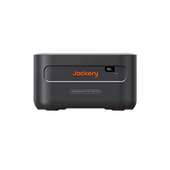
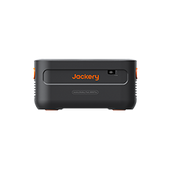
The Jackery SolarVault 3 Series is Jackery’s next-generation home solar storage solution, designed to help households generate, store, and use solar energy more efficiently. The series includes the SolarVault 3 Pro, SolarVault 3 Pro Max, and SolarVault 3 Pro Max AC, offering flexible options for balcony solar systems, existing PV installations, and larger home energy setups. With an integrated inverter, LiFePO4 battery technology, smart energy management, and expandable storage from 2.52 kWh to 15.12 kWh, the SolarVault 3 Series brings solar storage into a compact, modular, all-in-one system.
The system works by collecting solar power from connected panels, storing surplus electricity in the battery, and automatically supplying that energy when the home needs it most, such as in the evening, during peak electricity prices, or during a power outage.
The best result usually comes from combining efficient appliances, realistic winter planning and smart monitoring. Solar can work well for cabin power in the UK, but it should be treated as a designed energy system, not just a few panels on a roof.
Cost Overview and Long-Term Value Considerations
The cost of a cabin power supply can range from a simple weekend setup to a fully designed off-grid energy system. The right budget depends on how often the cabin is used, whether it needs winter reliability, and whether high-load appliances such as pumps, cooking equipment or tools are part of daily life.
|
Cabin setup |
Typical components |
Estimated UK cost range |
Best suited to |
|
Entry-level cabin setup |
Portable battery, small solar panels, LED lighting, phone/laptop charging |
£800–£3,000 |
Weekend cabins, fishing huts, small retreats |
|
Mid-range system |
Larger solar array, battery storage, inverter, monitoring, basic backup option |
£3,000–£9,000 |
Regular-use holiday cabins and off-grid workspaces |
|
Fully off-grid system |
Larger PV array, expandable battery bank, higher-power inverter, backup generator, professional design |
£9,000–£25,000+ |
Year-round cabins, remote homes, higher-demand sites |
Entry-Level Cabin Setup
An entry-level setup is designed for essential comfort rather than full household living. It may include a portable power station or compact battery, one or more solar panels, LED lights, USB charging, a small fridge or cool box, and basic sockets for low-power devices. This type of system is relatively affordable and quick to deploy, but it has clear limits. It is not ideal for electric heating, large kitchen appliances or long cloudy periods.
Cost usually goes towards the battery unit, solar panels, cables, mounting accessories and low-energy appliances. Long-term value comes from avoiding generator fuel for light use and making a simple cabin more usable without major installation work.
Mid-Range Cabin Power System
A mid-range system is more suitable for regular stays. It normally includes fixed or semi-fixed solar panels, a larger battery, an inverter for AC appliances, energy monitoring and possibly a small generator for backup. This setup can support lighting, Wi-Fi, refrigeration, laptops, water pumps and occasional kitchen appliances if the system is sized properly.
The main costs are solar generation capacity, battery storage, inverter quality, installation materials and monitoring equipment. This level often gives the best balance for UK holiday cabins because it improves comfort without the cost of a full remote-home system. A modular option such as the Jackery SolarVault 3 Series can be relevant here where the owner wants scalable storage, smart monitoring and a quieter alternative to relying on a generator every evening.
Fully Off-Grid Cabin System
A fully off-grid system is built for serious year-round use. It may include a larger solar array, expandable batteries, a higher-output inverter, backup generator connection, energy monitoring, protective electrical equipment and professional installation. The system must be designed around winter generation, peak evening demand and essential loads.
This is the most expensive option, but it can make sense when grid extension is unrealistic or the cabin is used as a remote home. Long-term value comes from independence, lower generator use, better resilience and improved usability throughout the year. The key is not simply buying the biggest system, but matching solar input, storage capacity and appliance choices to real cabin behaviour.
What to Consider When Choosing Your Cabin Power Supply?
Before choosing a cabin power supply, it is worth looking beyond the headline wattage or battery size. A good setup should match how the cabin is used, where it is located, and which devices need to run reliably. A weekend retreat with lights, phone charging and a small fridge will have very different power needs from an off-grid cabin used through winter.

Location and Grid Access
The first question is where the cabin sits. A rural cottage near an existing power line may be suitable for a mains connection, while a woodland cabin, lakeside retreat or remote holiday cabin may be better served by solar, battery storage or a hybrid system. Distance from the nearest grid point affects trenching, permissions, installation cost and long-term maintenance. Shaded valleys, tree cover and exposed coastal areas should also be considered because they affect solar output, wind exposure and weather resilience.
Insulation and Heating Strategy
Insulation has a direct impact on cabin power planning. A well-insulated cabin needs less energy to stay comfortable, especially in winter. Poor insulation can push owners towards high electric heating demand, which quickly increases the size and cost of the system. For many off-grid cabins, it is more practical to use electricity for lighting, refrigeration, pumps, controls and devices, while space heating comes from wood, LPG or another dedicated heat source.
Daily Usage Habits
A reliable power supply for cabin use starts with honest behaviour planning. Occasional weekend use may only need a small setup, while a cabin used for remote working, family stays or holiday rental needs more capacity. Cooking habits also matter. A kettle, induction hob, microwave or hairdryer can create short but high power peaks, even if daily energy use looks modest.
Winter Demand
UK cabin systems should be planned around darker months, not only summer performance. Winter brings shorter daylight hours, lower solar generation, more lighting, longer indoor use and greater heating-related demand. A system that works easily in July may feel limited in December without enough battery storage or backup.
Backup and Reliability
Remote cabins need a fallback plan. This could be a generator, additional battery capacity, a hybrid setup or a carefully managed essential-load circuit. Backup planning is especially important for fridges, water pumps, security systems, routers and any equipment that should keep running when the main supply is low.
Expansion Potential
Cabin use often grows over time. Owners may add Wi-Fi, cameras, extra appliances, guest facilities or longer winter stays. Choosing a modular system makes future upgrades easier. For cabins where solar storage may need to expand gradually, the Jackery SolarVault 3 Series can be relevant as a scalable option that supports changing energy needs without redesigning the whole cabin power system from the start.
FAQs
The following are the frequently asked questions about the cabin power supply:
1. What is the best way to power a cabin?
The best way to power a cabin depends on how often it is used. For a simple weekend cabin, a solar panel and battery setup may be enough for lights, charging, Wi-Fi and a small fridge. For a year-round remote cabin, a hybrid system is usually more reliable, combining solar panels, battery storage, an inverter and a backup generator or grid connection where possible. The key is to size the system around winter use and peak evening demand, not just average summer consumption.
2. Will a 200W solar panel run a fridge?
A 200W solar panel may help run a small efficient fridge, but it is unlikely to be enough on its own in UK conditions. A fridge needs power throughout the day and night, while a solar panel only generates electricity during daylight. In practice, you would need battery storage, an inverter and enough solar generation to cover cloudy days. For reliable cabin use, a 200W panel is better seen as part of a small system rather than a complete fridge power solution.
3. What's the best power pack for camping?
The best power pack for camping is one that matches your actual devices. For phone charging, lights and a camera, a compact portable power station may be enough. For a cool box, laptop, projector or small cooking appliance, choose a larger unit with AC sockets, enough battery capacity, solar charging support and clear safety protections. For longer trips, look for expandable storage, fast solar input and app-based monitoring so you can manage power more easily.
4. What will a 3000 watt solar panel run?
A 3000W solar panel system can support many cabin loads in good daylight, such as lights, a fridge, Wi-Fi, laptops, small kitchen appliances, pumps and battery charging. However, “3000W” describes peak solar output under strong conditions, not constant power all day. In the UK, actual generation changes by season, weather, shading and panel angle. With suitable battery storage and an inverter, a 3000W system can be a strong base for a modern off-grid cabin, but high-demand appliances such as electric heating, ovens and showers need careful planning.
5. Can you legally live in a log cabin permanently?
Yes, but only if the cabin has the right planning status and meets the required building standards for residential use. In England, normal outbuilding permitted development rules cover structures used for purposes incidental to the main house, but they do not cover separate self-contained living accommodation. Building regulations may also apply where there is sleeping accommodation, depending on size and use. Always check with the local planning authority before using a log cabin as a permanent home.
6. Can my son live in a log cabin in my garden?
Possibly, but not automatically. A garden log cabin used as a home or self-contained annexe is different from a garden office, gym or hobby room. If your son lives there independently, with sleeping, cooking or washing facilities, it may count as separate residential accommodation and could require planning permission, building regulations approval and council tax consideration. Occasional guest use is usually treated differently from permanent occupation, but the safest route is to speak to your local council before installing or converting the cabin.
Final Thoughts
Choosing a cabin power supply is not just about buying panels, a generator or a large battery. It starts with understanding how the cabin is used, especially during winter evenings when demand is highest.
For occasional stays, a compact solar and battery setup may be enough. For year-round use, a hybrid or professionally designed off-grid system is often more reliable. The best system is one that keeps essential loads running, allows room for future expansion and matches the cabin’s real lifestyle.


