






































A smart home energy monitoring system represents the clear difference between guessing and knowing whether dynamic time-of-use tariffs actually save you money. When paired with home battery storage, it automates the process of buying and selling electricity at precisely the correct moments, turning complex half-hourly utility pricing into a predictable, automated reduction in your monthly bill.
This is not a theoretical benefit. For UK households on dynamic tariffs, pairing a 10 kWh battery with a well-configured monitoring system can cut annual electricity bills by more than 50%. The key to unlocking these savings lies in understanding smart meters, selecting the right battery chemistry, and automating your system's charging schedules.
Understanding Time-of-Use Tariffs and Smart Meter Requirements
Time-of-Use (ToU) tariffs charge different prices per kilowatt-hour of electricity depending on the time of day, dividing the day into peak, off-peak, and shoulder hours to encourage load shifting. Peak hours—typically 4:00 PM to 7:00 PM—carry the highest rates, while overnight off-peak windows drop significantly lower. To see when these low-rate periods occur, check out our guide on When Is Off‑Peak Electricity? A Complete Guide.
Smart meters with half-hourly readings are mandatory for dynamic ToU plans, recording exactly when you draw energy so that your supplier can bill you accurately based on fluctuating prices. This half-hourly data stream serves as the core pipeline that feeds your monitoring system. Understand the differences between static and dynamic tariffs:
|
Tariff Class |
Static ToU (e.g., Economy 7) |
Dynamic ToU (e.g., Octopus Agile) |
|
Off-Peak Window |
Fixed cheap block daily, usually 7 hours overnight |
Changes every 30 minutes based on wholesale energy markets |
|
Price Variation |
Fixed, predictable cheap period |
Fluctuates half-hourly; can drop below zero or spike past 35p/kWh |
A common concern is whether time-of-use savings justify the upfront cost of battery storage, given round-trip conversion losses and cell degradation over time. If your off-peak rate is 7p/kWh and your peak rate is 30p/kWh, even a 15% conversion loss leaves a highly profitable margin.
However, the system requires active behavior change: running high-draw appliances during peak hours without utilizing stored battery power will quickly erase your savings. To evaluate night-time pricing variations, review our guide on Is Electricity Cheaper at Night? The Real Numbers.
How a Home Energy Monitoring System Enables Tariff Optimization
A smart home energy monitoring system tracks your real-time electricity consumption (in kWh) alongside live tariff rates. By integrating directly with your battery management system, the software automatically schedules charging when prices drop during off-peak hours and schedules discharging to power your home during expensive peak hours.
Rather than relying on a static, rigid charging schedule, AI-powered controllers evaluate live price signals on dynamic tariffs, delayed charging if prices are expected to drop further overnight. These systems combine historical usage data, weather forecasts, and solar generation models to calculate exactly how much off-peak grid electricity to import, ensuring the battery only charges as much as needed to cover your anticipated peak load plus a safe buffer.
Experienced users recommend charging your battery at maximum speed during the cheapest overnight window to cover your baseline evening loads. They also recommend shifting flexible loads—such as EV charging, dishwashers, and laundry—directly into off-peak hours. This reserves your stored battery capacity to cover inflexible evening household demands when grid rates are at their highest.
Optimization Tip: Automate your tariff switching early. A smart system automatically updates its charging logic if a supplier introduces seasonal price adjustments or monthly consumption thresholds. Energy dashboards and virtual meters then verify that your load-shifting strategy is reducing your overall energy costs, not just shifting your consumption windows.

Real-World Savings and Common Pitfalls
Battery arbitrage on a standard 10 kWh battery with an EV off-peak tariff (such as Octopus Go) can deliver over 50% savings on your annual electricity bills. Charging your battery at 7.5p/kWh overnight and discharging it during the 30p/kWh peak window saves roughly £2.20 per day (over £800 per year) after accounting for minor conversion losses.
However, round-trip conversion losses (typically 10% to 15%) must be factored into your ROI calculations—every 10 kWh imported will yield roughly 8.5 to 9 kWh of usable discharge. Additionally, cell degradation over time must be factored into your long-term ROI. Engineered with premium LiFePO4 cell chemistry, the system is rated for 6,000 cycles to an 80% State of Health (SoH). Because standard residential usage averages one full charge-discharge cycle per day, 10 years of operation amounts to just 3,650 cycles. This means at the end of its 10-year warranty window, a 10 kWh Jackery storage array will confidently deliver close to 90% of its original capacity, outlasting conservative industry degradation estimates.
Critical Warning: High-draw appliances—including heat pumps, immersion heaters, and EV chargers—will quickly erase your arbitrage savings if they run during peak hours. A single 11 kW EV charger running for an hour during peak rates costs £3.30, wiping out multiple days of battery savings. Always cluster these flexible loads into your cheap overnight window, leaving the battery to handle baseline, low-wattage household appliances.
Solar Integration and EPC Rating Benefits
Integrating solar panels with a home battery maximizes your self-consumption of free, on-site solar generation during the day, reducing your reliance on expensive grid imports. Furthermore, home batteries are officially recognized on UK Energy Performance Certificates (EPCs) for the first time under RdSAP 10 regulations. However, maximum EPC points are only awarded when the battery is paired with solar PV to offset grid-consumption carbon calculations.
These new EPC rules record battery storage and "smart readiness," future-proofing your property for upcoming environmental regulations. If you are upgrading your home, prioritize fabric-first measures like insulation first. Additionally, to ensure maximum safety and protect your home insurance, verify that your system is installed in compliance with the UK's strict PAS 63100:2024 safety clearance standards.
UK Tariff Examples and Automation Tools
UK energy suppliers offer several tariffs designed for smart storage integration:
- Octopus Agile: Offers dynamic, half-hourly wholesale pricing, allowing your energy monitoring system to target low-cost slots—occasionally negative rates—and completely avoid peak evening prices.
- Intelligent Octopus Go: Provides a continuous 6-hour cheap overnight window (23:30 to 05:30) that smart inverters utilize for high-current rapid charging.
- E.ON Next Smart Saver: Offers a highly competitive overnight rate of 6.7p to 6.9p/kWh for 7 hours (midnight to 7:00 AM) for EV and battery setups. Alternatively, their Next Smart Saver tariff provides a dedicated solar/battery off-peak structure with a super off-peak window from 2:00 AM to 5:00 AM.
While smart battery apps automate these schedules, pay close attention to your connection limits. Inverters with an aggregate export capacity of 16A per phase (equivalent to 3.68 kW) or less fall under the simpler G98 "connect and notify" process. However, rapid charging configurations or combined systems (e.g., a battery and solar inverter working together) that exceed 16A require prior approval from your local Distribution Network Operator (DNO) under G99 regulations. Many platforms also support Demand Flexibility Services, automatically discharging your battery to help stabilize the grid during stress events, earning you extra credits. If your property features multiple meters, avoid the errors of manual switching by automating your tariff schedule from day one. To learn more about navigating connection fees and standing tariffs, explore our Electricity Without Standing Charge — A Practical Guide.
Jackery SolarVault 3 Series – Next-Gen Tariff Optimization
Navigating G99 grid approvals, complex metering zones, and volatile dynamic tariffs is exactly why home battery storage is moving toward simple, integrated, and automated configurations. Instead of forcing homeowners to act as manual energy traders, the next generation of home batteries is designed to manage this complex load shifting out of the box.
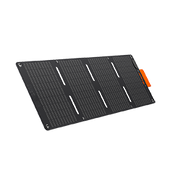
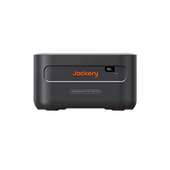
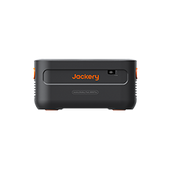
Drawing on Jackery's established pedigree in clean energy and our industry-leading plug-in solar architectures, the highly anticipated Jackery SolarVault 3 Series (officially launching in July 2026) is engineered specifically to conquer dynamic UK tariffs. The upcoming system integrates a high-efficiency inverter, durable LiFePO4 battery chemistry, and smart app control into a single, compact floor-standing unit.

The SolarVault 3 features a highly flexible, expandable storage capacity, allowing you to start with a smaller battery capacity and easily expand it later as your energy needs grow. This modular, all-in-one system is designed to seamlessly scale your home energy storage setup. By linking directly with your smart meter, the SolarVault app acts as your real-time home energy monitoring system, automatically shifting loads and tracking cost-based decisions directly from your phone. This upcoming launch (releasing in July 2026) bridges everyday solar generation with cost-effective, hands-off smart home energy management.
To see how these capacities align with your budget, explore our guide to the 10-kW Solar Battery Price UK market.
Frequently Asked Questions
How do ToU tariffs work in practice?
ToU tariffs charge higher rates during peak evening hours when grid demand is high and lower rates overnight during low-demand periods. Your savings are generated by shifting your heavy household electricity consumption into these cheap off-peak windows.
Will a battery alone save money?
Only if paired with active load shifting. Simply buying a battery to store electricity on a flat-rate tariff will not save money unless you are shifting your consumption from expensive peak hours to cheap overnight off-peak windows.
How do I configure my battery to charge at the cheapest times?
Configure your battery using a smart home energy monitoring system with automated tariff switching. The software reads half-hourly grid price signals to set the battery’s charging schedule automatically, requiring no manual intervention.
Should the battery prioritize home load or EV?
You should prioritize charging your home battery first during the cheap overnight window, and charge your electric vehicle during the same off-peak block. This ensures your battery's stored energy is fully available to cover your house during the evening peak.
How do I account for multiple meters or sub-meters?
Set up virtual meters in your energy monitoring system dashboard. This allows you to track cost signals and consumption metrics across each individual sub-meter, giving you an accurate picture of where your savings are generated.
What if I forget to switch tariff manually?
Automate your tariff switching by time, season, or consumption band. Manual switching is highly error-prone and can quickly erase the financial savings you are trying to capture.
Sources: Tariff optimization metrics and smart meter benefits are based on consumer studies published by British Gas and Smart Energy GB.


