





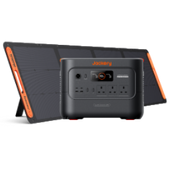
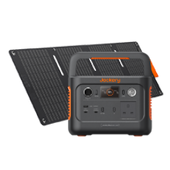


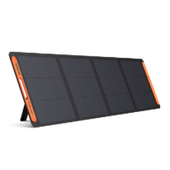
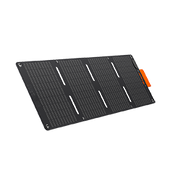



























Is plug-in solar legal in the UK? In 2026, the UK is moving towards clearer rules for safe, compliant plug-in solar systems, especially for sub-800W household setups. However, buyers still need to check product certification, inverter protection, socket suitability, landlord permission and the latest connection requirements before installing anything.
This guide explains why to choose plug-in solar, who it suits best, what limits to expect, how much it may save, and when storage such as the Jackery SolarVault 3 Series can help households use more daytime solar electricity later in the day.
|
Key Takeaways: |
|
Is Plug-in Solar Legal in the UK in 2026?
For anyone asking “is plug in solar legal UK?”, the short answer is: the UK is moving towards making compliant plug-in solar easier and more widely available in 2026, but households should still check the latest rules before buying or connecting a system.
In March 2026, the UK government announced plans to update the G98 distribution code and BS 7671 wiring regulations so households can connect sub-800W plug-in solar panels to domestic mains sockets, with tailored safety standards and without needing an electrician for suitable systems. This is an important step for the plug-in solar panels UK market, especially for renters, flat owners and households that cannot install full rooftop solar.
However, “legal” does not mean every product can simply be plugged in anywhere. A system should be designed for the UK market, use a compliant microinverter, include anti-islanding protection, and follow the latest connection and product safety requirements. The socket, wiring condition, outdoor cable routing and mounting method also matter.
Before choosing plug-in solar, UK households should check official guidance, product certification, DNO requirements and the manufacturer’s installation instructions. In practice, plug-in solar is becoming a more accessible option in 2026, but it should still be treated as electrical equipment connected to the home, not as a casual gadget.

What Is Plug-in Solar and Why Is It Getting Attention?
Plug-in solar is a smaller and simpler form of household solar power. Instead of installing a full rooftop solar system with several panels, a dedicated inverter and a more complex electrical setup, plug-in solar usually uses one or two compact solar panels, a microinverter and a connection method designed for domestic use.
The solar panels collect daylight and turn it into direct current electricity. The microinverter then converts that electricity into alternating current, which can be used by household appliances. When the system is connected correctly, the solar electricity can help cover part of the home’s everyday background consumption, such as a fridge, router, laptop, lighting, washing machine cycle or daytime kitchen use.
Plug-in solar is getting attention in the UK because it feels more accessible than traditional rooftop solar. Many households like the idea of starting small, especially if they live in a rented home, a flat, a terraced house or a property where a full rooftop installation is not practical. It may also suit people who want to reduce grid electricity use but are not ready for a larger investment.
Another reason is flexibility. Plug-in solar panels can often be positioned in spaces such as balconies, gardens, patios, garages or suitable outbuildings, depending on the product design and local conditions. This makes the technology easier to imagine for homes that do not have an ideal south-facing roof.
The rising interest also comes from energy bills. A plug-in solar system will not power a whole house by itself, but it can generate useful electricity during daylight hours. For households that use power during the day, or pair solar with smart storage such as the Jackery SolarVault 3 Series where suitable, plug-in solar can become part of a more practical self-consumption setup.
Why More and More Households Choose Plug-in Solar?
The main reason many people ask why choose plug-in solar is simple: it lowers the barrier to home solar. A full rooftop system can be expensive, needs roof suitability checks, usually involves professional installation, and may not be possible for every property. Plug-in solar offers a smaller starting point. It is designed for households that want to generate some of their own electricity without committing to a large solar project from day one.
Cost is one of the biggest reasons. Plug-in solar panels are usually smaller than rooftop systems, so the upfront investment can be easier to manage. They also need less space. A household may only need a balcony, garden wall, patio, garage roof or other suitable outdoor area with good daylight. This makes the idea of solar feel more realistic for people who previously thought they had no route into renewable energy at home.
Why Choose Plug-in Solar for a Flat or Rented Home?
For flats and rented homes, plug-in solar can be attractive because it does not always require major building work. A renter may not be allowed to install rooftop panels, and a flat owner may not have direct control over the roof. Smaller plug-in solar panels can offer a more flexible option, provided the landlord, building management and safety rules allow it.
The appeal is not only about energy savings. It is also about access. Plug-in solar gives more households a way to take part in home energy generation, even if they do not own a detached house with a large roof.
Why Choose Plug-in Solar for a Terraced House?
Many UK terraced houses have limited roof space, shared rooflines, awkward orientations or shading from neighbouring buildings. A full rooftop solar system may still be possible, but it is not always straightforward. Plug-in solar can be a more modest starting point, especially where a household has a sunny rear garden, small extension roof, garage or patio area.
It can also help with daytime background loads. A terraced home still has devices running throughout the day, such as a fridge, broadband router, chargers, lighting and small appliances. Even a compact solar setup can support part of that everyday usage when conditions are suitable.
Why Choose Plug-in Solar If You Work from Home?
Working from home changes electricity use. Laptops, monitors, routers, lighting, kettles, washing machines and cooking appliances are often used during daylight hours. That timing matters because plug-in solar produces electricity when the sun is available.
For home workers, plug-in solar can feel more useful than for households that are empty all day. More of the generated electricity may be used directly instead of being wasted or exported. When paired with a battery-based solution such as the Jackery SolarVault 3 Series, where relevant and compliant, households can also store more daytime solar energy for later use.
Why Choose Plug-in Solar Before Investing in Rooftop Solar?
Plug-in solar can be a practical first step before a larger rooftop system. It helps households understand how much sunlight their property receives, when they use the most electricity, and whether solar fits their lifestyle.
It also reduces the pressure to make a large decision immediately. Instead of jumping straight into a full installation, a household can start with a smaller system, learn from real usage, and then decide whether a larger rooftop solar and storage setup makes sense later.

Who Is Plug-in Solar Best For in the UK?
Plug-in solar is not only for one type of home. Its main appeal is that it can work for households that may not have the space, budget or permission for a full rooftop system. In the UK, that includes many renters, flat owners, terraced houses and smaller homes where traditional solar can feel difficult to arrange.
- Renters: Plug-in solar can be worth exploring when rooftop panels are not allowed, but landlord permission, safe mounting and compliant connection are still needed.
- Flats with Balconies: A sunny, safely mounted balcony setup may help flat owners or tenants generate some electricity at home, but leasehold and management rules should be checked first.
- Terraced Homes: Plug-in solar can offer more flexibility where roof space is small, shaded or awkward. Rear walls, gardens, patios or garages may be possible options.
- People Working from Home: Daytime solar generation can match the use of laptops, monitors, routers, lighting, washing machines and kitchen appliances.
- Households Testing Solar First: A smaller system can help users understand their energy habits, sunlight conditions and whether solar fits their daily routine.
- Homes with Gardens, Sheds, Walls or Garages: These spaces may provide useful mounting options, as long as there is enough sunlight, safe access, strong fixing and weatherproof equipment.
What Savings Are Realistic with Plug-in Solar?
Before looking at savings, it helps to understand the likely cost. In the UK, plug-in solar is expected to sit well below the price of a full rooftop solar installation. Early market estimates often place small plug-in kits at around £400–£500, while an 800W system may cost more depending on the number of panels, inverter quality, mounting hardware and whether a battery is included. The UK government has also described plug-in solar as a lower-cost route into home solar, with sub-800W systems expected to become more accessible as the rules are updated.
|
Plug-in solar setup |
Typical use case |
Estimated upfront cost |
What to consider |
|
Small single-panel kit |
Balcony, patio, shed or garden use |
£300–£500 |
Lower output, easier entry point |
|
Larger plug-in solar kit |
Homes with more daytime use |
£500–£900+ |
Higher generation potential, more space needed |
|
Plug-in solar with storage |
Better evening self-consumption |
£1,000+ depending on capacity |
Higher cost, but less daytime waste |
|
Full rooftop solar system |
Whole-home solar strategy |
Usually several thousand pounds |
Higher output, professional installation |
Savings should be treated realistically. Plug-in solar panels will not remove a household’s electricity bill, and the exact return depends on panel size, sunlight, orientation, shading, local weather, electricity prices and how much of the generated power is used directly. Ofgem’s price cap changes also show why unit rates matter: when grid electricity is expensive, every kilowatt-hour used from your own solar power becomes more valuable.
How Plug-in Solar Helps Reduce Daytime Grid Use?
Plug-in solar works best when the home uses electricity while the panels are generating. This is called self-consumption, and it matters more than generation alone. A panel may produce a useful amount of electricity on a bright day, but the saving is strongest when that electricity replaces power you would otherwise buy from the grid.
Good examples include background and daytime appliances such as Wi-Fi routers, fridges, laptops, monitors, phone chargers, washing machines, dishwashers and small kitchen appliances. For a home worker, a sunny weekday can be especially useful because electricity demand and solar generation happen at the same time.
|
Appliance or load |
Why it suits plug-in solar |
Typical usage pattern |
|
Wi-Fi router |
Runs continuously |
Day and night |
|
Fridge/freezer |
Cycles throughout the day |
Continuous background load |
|
Laptop and monitor |
Often used during daylight |
Home working hours |
|
Washing machine |
Can be scheduled for daytime |
Flexible use |
|
Dishwasher |
Can run after lunch or early afternoon |
Flexible use |
|
Phone and tool charging |
Small but regular demand |
Daytime charging |
The table below gives a simple savings example. It assumes an electricity value of 26p per kWh, which is close to recent UK domestic electricity unit-rate discussions, but actual tariffs vary by supplier and region.
|
Annual solar generation |
Solar used directly |
Useful solar electricity |
Estimated annual saving |
|
300 kWh |
50% |
150 kWh |
£39 |
|
300 kWh |
80% |
240 kWh |
£62 |
|
500 kWh |
50% |
250 kWh |
£65 |
|
500 kWh |
80% |
400 kWh |
£104 |
|
800 kWh |
50% |
400 kWh |
£104 |
|
800 kWh |
80% |
640 kWh |
£166 |
This is why household behaviour matters. A plug-in solar kit on a shaded wall, used in a home that is empty all day, may save much less than the same kit placed well and used by someone working from home. Adding storage can also improve self-consumption by saving daytime electricity for evening use, although it increases the upfront cost.

Plug-in Solar vs Rooftop Solar: Which Makes More Sense?
Plug-in solar and rooftop solar are designed for different household situations. One is not automatically better than the other. The right choice depends on your property type, budget, available space, electricity use and how long you expect to stay in the home.
Rooftop solar is still the stronger option for households that want higher annual generation. A well-designed rooftop system can use more panels, capture more sunlight and cover a larger share of household electricity demand. It is usually the better route for homeowners with a suitable roof, long-term plans and the budget for professional installation.
Plug-in solar has a different role. It is more about access, flexibility and a lower starting point. For flats, rented homes, terraced houses, balconies, patios or small outdoor spaces, plug-in solar can make home solar feel possible where rooftop panels may be difficult, expensive or not allowed. It will not produce as much electricity as a full rooftop array, but it can still reduce daytime grid use when the system is positioned well and used correctly.
|
Factor |
Plug-in Solar |
Rooftop Solar |
|
Best for |
Flats, renters, small homes, balconies, patios, sheds and homes without ideal roofs |
Homeowners with suitable roof space and long-term plans |
|
Installation |
Simpler once UK rules and product standards are finalised |
Professional survey and installation normally required |
|
Output |
350–750 kWh |
2,500–5,000 kWh |
|
Upfront cost |
£300–£1,500 |
£5,000–£11,000 |
|
Flexibility |
Easier to move, remove or reposition where permitted |
Fixed long-term system |
|
Annual savings |
£40–£180 |
£600–£1,100 |
|
SEG export payments |
Not available |
Yes (8–15p/kWh) |
|
Storage pairing |
Helpful when daytime solar is not fully used |
Often valuable for increasing self-consumption from larger systems |
|
Planning permission |
No |
Usually not (PD rights) |
|
MCS certified |
No |
Yes |
|
Takes with you when moving |
Yes |
No |
|
Payback Period |
3-6 years |
7-12 years |
The choice also depends on how electricity is used. A household that works from home may get good practical value from plug-in solar because laptops, monitors, routers, fridges, washing machines and dishwashers often run during daylight hours. A larger family home with high evening demand may benefit more from rooftop solar combined with battery storage.
Plug-in solar can also work as a trial step. It gives households a way to understand solar generation, shading, appliance timing and self-consumption before committing to a full rooftop system. For people who are unsure about solar, that smaller first step can feel more realistic.

Plug-in Solar Without Storage vs Plug-in Solar with Storage
Plug-in solar can work with or without storage, but the best choice depends on when the household uses electricity. A simple plug-in solar setup without a battery is most useful when power is needed during the day. The panels generate electricity while the sun is available, and that power can help run background and daytime loads such as a fridge, Wi-Fi router, laptop, monitor, washing machine, dishwasher or small kitchen appliance.
This can be enough for some homes. For example, a person working from home may use a meaningful share of solar electricity directly during daylight hours. A household that can schedule appliances for sunny periods may also get good value from a battery-free setup.
Storage becomes more relevant when solar generation and electricity use do not match. Many UK households are out during the day and use more power in the evening for cooking, lighting, entertainment, washing and charging devices. Without storage, part of the daytime solar electricity may not be used when it is generated. A battery can store some of that surplus power and make it available later, improving self-consumption.
|
Factor |
Plug-in Solar Without Storage |
Plug-in Solar with Storage |
|
Best for |
Homes with daytime electricity use |
Homes with more evening electricity use |
|
Main benefit |
Lower upfront cost and simpler setup |
Better use of daytime solar later in the day |
|
Typical loads |
Router, fridge, laptop, monitor, daytime appliance cycles |
Evening lighting, TV, cooking support, device charging and night-time background loads |
|
Self-consumption |
Depends heavily on daytime usage |
Usually easier to increase self-consumption |
|
Upfront cost |
Lower |
Higher because of the battery system |
|
Flexibility |
Good for testing plug-in solar first |
Better for households building a smarter energy setup |
|
Energy waste risk |
Higher if nobody is home during the day |
Lower if storage is sized and managed well |
|
Best buying logic |
Start small and reduce daytime grid use |
Store solar power and use more of it at home |
The Jackery SolarVault 3 Series fits naturally into the storage side of the plug-in solar discussion. Its role is not about pushing more power into the grid. The stronger angle is helping households make better use of solar electricity they generate during the day.
For a home that produces solar power at lunchtime but uses more electricity after 5 pm, storage can make the system feel more practical. Daytime solar can be stored and used later for evening routines, small appliances, lighting, entertainment devices and background household loads. This is especially useful for households that cannot always shift washing, dishwashing or charging into the sunniest part of the day.
The Jackery SolarVault 3 Series is also relevant for people who want more control over home energy use. With storage, app-based monitoring and smarter energy management, a plug-in solar setup becomes less dependent on perfect timing. The focus changes from “how much solar did the panels generate?” to “how much of that solar electricity did the household actually use?”

Real Case Study in London
After looking into rooftop solar, a leaseholder in a purpose-built apartment in South East London discovered that the lease did not allow changes to the roof or other shared spaces. The building management business declined to grant permission. The owner of the apartment looked at plug-in solar as an option because their east-facing balcony receives morning sun from 7 a.m. to 1 p.m.
Overview of the Project
The leaseholder paid £380 for an 800W two-panel kit from a UK provider in April 2026 in response to the BS 7671 Amendment 4 update. For a one-time price of £180, a CPS-registered electrician connected the equipment and finished the G98 DNO notice. £560 was the total cost.
Execution
The supplier's exclusive clamps were used to mount the panels on the balcony rail. There was no need to dig into the building's framework. A companion app that displayed real-time generation was used to monitor the system. Peak output occurred in the morning because to the east-facing orientation, which was convenient for the occupant who worked from home and ran appliances during the day.
Outcomes
The system produced 180kWh in the first three months (April–June), saving about £43 at 24p/kWh. The apartment owner anticipates annual savings of between £130 and £160. At such rate, the payback period is 3.5–4.3 years. For a place where conventional solar was just not feasible, it was significant but not revolutionary. The leaseholder is currently investigating if the building's new EPC evaluation, which was prompted by the solar installation, may make it eligible for additional energy grants.
Safety Checklist Before Choosing Plug-in Solar Panels UK
Before buying plug-in solar panels UK, households should treat safety as part of the purchase decision, not as an afterthought. A plug-in solar kit may be smaller than rooftop solar, but it still connects electricity generation equipment to the home. The safest choice is a product designed for UK use, with clear instructions, compliant components and a connection method that matches the latest UK requirements.
Use this checklist before choosing a system:
|
Safety Question |
Why It Matters |
|
Is the product designed for UK rules? |
UK-ready products should be built around relevant safety, wiring and grid-connection requirements, rather than adapted from another market. |
|
Is the inverter within the permitted output? |
The inverter output must stay within the allowed limit for the connection type. Oversized or unsuitable inverters can create safety and compliance issues. |
|
Is the socket or connection method approved? |
A suitable, fixed and safe connection point is essential. Avoid extension leads, overloaded sockets, loose adapters or temporary cable chains. |
|
Is the mounting system wind-safe? |
Panels on balconies, walls, sheds or garden structures must be securely mounted against wind, vibration and movement. |
|
Are the cables weatherproof? |
Outdoor cables and connectors should be suitable for rain, UV exposure and temperature changes. Poor cable quality can increase fault and fire risk. |
|
Is landlord or freeholder permission needed? |
Renters, leaseholders and flat owners may need written approval before mounting panels or routing external cables. |
|
Is storage needed for evening use? |
A battery is not always required, but it can help households use more daytime solar later in the day. |
|
Is monitoring available? |
App or meter-based monitoring helps users see generation, usage and whether the system is working correctly. |
A good plug-in solar system should feel simple to use, but not careless to install. Check certification, mounting guidance, inverter protection, anti-islanding protection and after-sales support before buying.
For households considering storage, solutions such as the Jackery SolarVault 3 Series can be relevant when the goal is to improve self-consumption and use more solar electricity after sunset. The key is to choose a safe, compliant setup that suits the home, rather than only comparing panel wattage or price.
FAQs
The following are the frequently asked questions about the plug-in solar:
1. Is plug-in solar worth choosing in 2026?
Plug-in solar can be worth choosing in 2026 if you want a lower-cost way to generate some of your own electricity, especially during the day. It is most suitable for households that cannot install rooftop solar or want to start small. Savings will depend on sunlight, panel size, placement, electricity prices and how much solar power you use directly.
2. Why choose plug-in solar instead of rooftop solar?
Choose plug-in solar if you need a smaller, more flexible option for a flat, rented home, terrace, balcony, garden or garage space. Rooftop solar usually produces more electricity, but it costs more and needs a suitable roof and professional installation. Plug-in solar is better seen as an accessible entry point rather than a full replacement for rooftop solar.
3. Are plug-in solar panels good for renters?
They can be a good option for renters because they are smaller and easier to remove than rooftop solar. However, tenants should still get landlord permission before installing panels, especially if they need to mount equipment on a balcony, wall, shed, garden structure or external area.
4. How much can plug-in solar save?
A small plug-in solar system may save tens to low hundreds of pounds per year, depending on system size and self-consumption. The strongest savings come when the home uses electricity while the panels are generating, such as for routers, fridges, laptops, monitors, washing machines and dishwashers.
5. Do I need a battery with plug-in solar?
No, a battery is not always needed. Plug-in solar without storage can still support daytime loads. A battery becomes more useful if your home generates solar during the day but uses more electricity in the evening. Storage solutions such as the Jackery SolarVault 3 Series can help households use more of their daytime solar later in the day, where the setup is suitable and compliant.
6. Do I need planning permission for plug-in solar panels?
In many cases, domestic solar panels may fall under permitted development, but there are limits and conditions. Planning rules can be different for flats, listed buildings, conservation areas and visible external installations. UK households should check local planning rules, lease terms and building management requirements before installing. The UK Planning Portal explains that solar panels may be permitted development, but conditions still apply.
7. Can I get SEG payments for a plug-in solar system?
Possibly, but households should not rely on SEG payments before checking eligibility. The Smart Export Guarantee allows eligible small-scale low-carbon generators to receive payment for electricity exported to the grid, but suppliers set their own tariffs and criteria. Very small plug-in systems may face practical issues around certification, metering and supplier acceptance.
8. Can my landlord refuse to let me install plug-in solar?
A landlord may refuse if the installation affects the building, safety, insurance, appearance, lease terms or shared areas. Renters should ask for written permission before buying. If future UK rules give renters clearer rights, the practical position may improve, but permission is still important for mounting, cabling and liability.
Final Thoughts
Plug-in solar makes sense for UK households that want a smaller, more flexible way to start generating their own electricity in 2026. It will not suit every property, and it should not be treated as a shortcut around safety rules.
For people without a suitable roof, or for households that want to test solar before making a larger investment, plug-in solar can be a practical first step. It can help reduce daytime grid use, especially when appliances are used while the panels are generating.
The best results come from matching the system to real household behaviour. If most electricity is used during the day, a simple plug-in solar setup may be enough. If more energy is used in the evening, storage becomes more relevant. In that situation, the Jackery SolarVault 3 Series can support better self-consumption by storing daytime solar power for later use, where the setup is suitable and compliant.


