





































Solar panels often generate the most electricity when many households are not using much power. By the evening, when lights, cooking appliances, TVs and heating controls are in use, solar generation has usually dropped.
Solar battery storage helps close that timing gap by storing surplus daytime solar electricity for later. It can improve self-consumption, support time-of-use tariff strategies and add flexibility to a home energy system, but it is not automatically right for every property. The best result depends on your solar output, daily routine, tariff and budget.
|
Key Takeaways: |
|
What Is Solar Battery Storage?
Solar battery storage is a home energy system that stores electricity generated by solar panels, so more of that power can be used inside the home instead of being sent straight back to the grid.
In a typical UK home, solar panels generate electricity during daylight hours. The home uses this solar power first where possible, for things such as lighting, appliances, laptops, washing machines or heat pump operation during the day. When the panels produce more electricity than the home is using at that moment, the surplus can be used to charge a battery.
That stored electricity can then be used later, often in the evening when solar generation drops but household demand rises. For example, a battery may help run lights, kitchen appliances, entertainment devices or small overnight loads using energy collected earlier in the day.
If the battery becomes full, any remaining surplus electricity may be exported to the grid, depending on the system setup and tariff. If the battery is empty, the home simply draws electricity from the grid as normal.
For most UK households, solar battery storage is not a full replacement for the grid. It is a practical way to reduce grid dependence and make better use of solar panel generation.
How Does Solar Battery Storage Work?
Solar battery storage works by managing where your solar electricity goes during the day and making some of it available later. The process is usually automatic, but it helps to understand the basic flow.

Step 1: Solar Panels Generate Electricity
During daylight hours, solar panels convert light into electricity. The amount produced depends on several factors, including roof direction, roof angle, shading, panel size, weather and season. A south-facing roof with little shading will usually generate more than a shaded roof or a smaller panel array.
Step 2: Your Home Uses Electricity First
When solar electricity is being generated, your home normally uses it first. Appliances running during the day, such as a washing machine, dishwasher, fridge, laptop or heat pump, can use solar power directly. This is often the most efficient use of solar energy because the electricity is consumed immediately.
Step 3: Surplus Solar Charges the Battery
If your solar panels are producing more electricity than the home needs at that moment, the spare power can be sent to the battery. Instead of exporting all unused electricity to the grid, the battery stores part of it for later use.
Step 4: Stored Energy Is Used Later
In the evening, overnight or during cloudy periods, the home can draw electricity from the battery. This reduces the amount of power bought from the grid, especially during higher-use hours when solar panels are producing little or nothing.
Step 5: Smart Control Improves Timing
Some storage battery solar systems include smart controls. These can use electricity tariffs, solar forecasts or household demand patterns to decide when to charge, discharge or hold stored energy. This can be useful for homes on time-of-use tariffs or households trying to increase solar self-consumption.
Solar Battery Storage vs Solar Panels Alone
Solar panels alone can still be a worthwhile investment, especially for households that use a good amount of electricity during the day. If someone works from home, runs appliances in daylight hours or charges devices while the sun is out, they can use solar power directly and reduce grid electricity use without needing a battery.
The limitation is timing. Many UK homes use more electricity in the morning and evening, when solar generation is lower. Without battery storage, unused daytime solar electricity is usually exported to the grid. That can still earn money through an export tariff, but the export payment is often lower than the price paid for importing electricity later.
Solar battery storage helps close that timing gap. Instead of sending all surplus electricity away, the battery stores some of it for later use. This can increase the share of solar electricity used at home, particularly for households with evening demand, electric vehicles, heat pumps or time-of-use tariffs.
|
Setup |
How it works |
Best for |
Limitation |
|
Solar panels only |
Use solar power when it is generated and export surplus |
Homes with high daytime demand |
Less useful if most demand is in the evening |
|
Solar panels with battery storage |
Store surplus solar power for later |
Homes with evening use, EVs, heat pumps or time-of-use tariffs |
Higher upfront cost |
|
Battery without solar |
Charge from the grid during cheaper hours |
Homes on flexible tariffs |
Savings depend heavily on tariff differences |
A battery is not always necessary, but it can make a solar system more flexible. The right choice depends on when the household uses electricity, the size of the solar array, available tariffs and how long the owner plans to stay in the property.
Is Solar Battery Storage Worth It in the UK?
Solar battery storage can be worth it in the UK, especially for homes that already have solar panels or plan to install solar panels and a battery at the same time. The main benefit is simple: a battery helps you use more of your own solar electricity instead of exporting it during the day and buying electricity back from the grid later.
However, it is not automatically the best financial choice for every household. The value depends on how much surplus solar power you produce, when you use electricity, your import and export tariffs, the battery size and the total installation cost.
Solar battery storage is worth considering if you have solar panels and often export unused electricity. It can also be useful if much of your electricity use happens in the evening, when solar panels are producing little or nothing. Homes on time-of-use tariffs may benefit further, because some systems can charge when electricity is cheaper and discharge during more expensive peak periods.
It may also suit households with larger electrical loads, such as an EV, heat pump or high evening appliance use. Some systems also offer backup capability, which can be valuable during power cuts, although this depends on the battery and installation design.
Battery storage may be less attractive if your daytime energy use already matches your solar generation, your solar system is small, or your annual electricity consumption is low. It may also be harder to justify where installation is complex, space is limited or the owner expects a very short payback period.

Solar Battery Storage Cost in the UK
Solar battery storage in the UK usually costs several thousand pounds, so it should be treated as a long-term home energy investment rather than a quick bill-cutting add-on. The final price depends on the battery capacity, brand, chemistry, inverter arrangement, installation work and whether it is fitted alongside new solar panels or added to an existing system.
Capacity is one of the biggest cost drivers. A small battery may be enough for a flat or low-use household, while a larger home with an EV, heat pump or high evening demand may need more storage. Battery chemistry also matters. Many modern home batteries use lithium iron phosphate, often chosen for cycle life, thermal stability and longer warranties.
The setup can also affect cost. A hybrid inverter may be used when solar panels and battery storage are installed together, while an AC-coupled battery can be added to many existing solar systems. Labour, consumer unit upgrades, cabling, monitoring, smart controls and backup power hardware can all change the quote.
|
Battery size |
Typical household fit |
Typical UK installed cost |
What to consider |
|
3–5 kWh |
Flat, small home or low evening demand |
£3,000–£5,500 |
Good for basic evening use, but may fill and empty quickly |
|
5–10 kWh |
Typical 2–4 person home with solar panels |
£4,500–£8,000 |
Often the most common range for daily solar shifting |
|
10–15 kWh |
Larger home, EV top-ups, heat pump support or high evening use |
£7,000–£11,000 |
Better flexibility, but payback depends on regular use |
|
15 kWh+ |
High-consumption home or strong backup requirement |
£10,000–£15,000+ |
Needs careful sizing to avoid paying for unused capacity |
Installing a battery at the same time as solar panels can sometimes reduce labour and integration costs, as the installer is already working on the system. Adding a battery later can still make sense, but inverter compatibility and electrical upgrades should be checked before comparing quotes.
How Much Can You Save with Solar Battery Storage?
Savings from solar battery storage do not come from one fixed number. They depend on how much electricity your solar panels generate, how much surplus you can store, and whether using that stored electricity is worth more than exporting it.
The basic logic is simple. If your solar panels produce more electricity than the home needs at lunchtime, that surplus can either be exported to the grid or stored in a battery. If you store it and use it in the evening, the saving is linked to the grid electricity you avoid buying. In the UK, this can be valuable because import electricity is usually more expensive than many export payments.
A useful way to think about it is:
Annual benefit = value of stored solar used at home + tariff-shifting savings - value of exported electricity you would otherwise receive
For example, if a home stores 1 kWh of solar electricity and uses it later, the value depends on the import price avoided and the export rate given up. If the import price is 26p/kWh and the export rate is 10p/kWh, the net benefit of using that stored solar energy is about 16p before allowing for battery efficiency losses. If the export rate is 20p/kWh, the extra value of storing that electricity is much smaller.
|
Example scenario |
Stored or shifted energy per year |
Import price avoided |
Export value or cheap-rate cost given up |
Approx. annual benefit before battery degradation |
|
Small solar home, modest surplus |
700 kWh |
26p/kWh |
10p/kWh export value |
About £112 |
|
Typical solar home, regular evening use |
1,200 kWh |
26p/kWh |
10p/kWh export value |
About £192 |
|
Larger home with high evening demand |
1,800 kWh |
26p/kWh |
10p/kWh export value |
About £288 |
|
Time-of-use tariff shifting |
1,000 kWh |
30p/kWh peak rate avoided |
9p/kWh overnight charging cost |
About £210 |
|
High export tariff case |
1,200 kWh |
26p/kWh |
20p/kWh export value |
About £72 |
These examples are simplified, but they show why battery savings vary so much.
- A household with evening demand, a lower export rate and plenty of solar surplus may see stronger returns.
- A home with a generous export tariff, low consumption or little surplus solar may save less.
Round-trip efficiency also matters. If a battery is around 90% efficient, not every unit charged into it comes back as usable electricity.
Seasonal differences are important too: batteries may cycle often in spring and summer but less in winter when solar generation is lower. Over time, battery degradation can also reduce usable capacity, so savings should be viewed across the warranty period rather than just the first year.
Smart Export Guarantee and Solar Battery Storage
The Smart Export Guarantee, or SEG, is the UK scheme that pays eligible households for electricity they export to the grid. For homes with solar panels, this usually means getting paid for surplus electricity that is not used in the property at the time it is generated.
Export rates are not the same across all suppliers. Some tariffs pay a simple fixed rate per kWh, while others may have specific conditions, such as being an existing import customer, using an approved installer or having a smart meter that can record exports. Because these rates can change, it is worth comparing export tariffs before deciding how much solar electricity to store or send to the grid.
A solar battery changes the decision-making process. Without a battery, surplus solar electricity is usually exported once the home has used what it needs. With battery storage, that spare electricity can be held for later use, such as in the evening when the household would otherwise buy power from the grid.
If your import price is much higher than your export rate, using stored solar electricity at home may be more valuable than exporting it. For example, avoiding a 26p/kWh import cost can be better than receiving a much lower export payment. However, if your export tariff is strong, exporting may still make sense, especially when the battery is full or the household has low evening demand.
Battery storage is not about avoiding export altogether. It is about choosing when your electricity has the highest value: use it now, store it for later, or export it when the tariff makes sense.

Time-of-Use Tariffs and Battery Storage
Time-of-use tariffs can make solar battery storage more flexible. Instead of paying one flat electricity price throughout the day, some UK tariffs offer cheaper electricity during off-peak periods and higher prices during peak hours. This is common with tariffs designed for EV charging, smart homes or households that can shift demand away from busy evening periods.
A battery can support this by charging when electricity is cheaper and discharging when electricity is more expensive. For a home with solar panels, the battery may charge from surplus solar during the day, then help cover evening demand. For a home without solar panels, the battery may charge from the grid overnight and supply part of the home’s electricity during peak-rate hours.
The financial case depends on the tariff spread. If the gap between cheap off-peak electricity and expensive peak electricity is large enough, battery storage can create useful savings. If the gap is small, the benefit may be limited once battery efficiency losses and long-term wear are considered.
Smart control becomes important because manually managing charging and discharging every day is not practical for most households. A smart battery system can follow tariff windows, respond to household demand and, in some cases, use solar forecasts to decide whether to save capacity for daytime solar generation.
Time-of-use savings can be attractive, but they are not guaranteed. Tariffs can change, standing charges still apply, and cycling the battery more often affects long-term value. For most UK homes, the best result comes from combining tariff savings with better use of solar electricity, rather than relying on cheap overnight charging alone.
What Size Solar Battery Do You Need?
The right solar battery size depends less on the size of the house and more on how electricity is used across the day. A battery should be large enough to store useful surplus solar power, but not so large that much of its capacity sits unused for long periods.
A practical starting point is your annual electricity consumption.
- Divide the yearly figure by 365 to estimate daily use.
A home using 3,650 kWh per year uses about 10 kWh per day on average.
- The next step is to check when that electricity is used.
If most demand happens during daylight hours, solar panels may already cover a good share directly. If demand is mostly in the evening and overnight, a battery becomes more useful.
The solar panel system size also matters.
A 4 kW solar array may produce plenty of surplus on bright spring and summer days, but much less in winter. If the system rarely exports electricity, a large battery may not be fully charged often enough to justify the cost.
|
Household situation |
Daily electricity use |
Evening/overnight demand |
Suggested battery range |
What to check |
|
Small home or flat with solar |
4–7 kWh |
1–3 kWh |
3–5 kWh |
Avoid oversizing if surplus solar is limited |
|
Typical family home |
8–12 kWh |
3–6 kWh |
5–10 kWh |
Good match for regular evening appliance use |
|
Larger home with high evening use |
12–18 kWh |
6–10 kWh |
10–15 kWh |
Useful if solar export is frequent |
|
Home with heat pump or EV |
15–25 kWh+ |
8–15 kWh+ |
10–20 kWh+ |
Separate normal home use from EV charging needs |
|
Backup-focused setup |
Varies |
Essential loads only |
Depends on backup loads |
Size for fridge, Wi-Fi, lights and key circuits first |
A simple sizing method is to check annual and daily consumption, review when electricity is used, estimate how much surplus solar is normally exported, then match battery capacity to evening and overnight demand.
For example, a home that uses 8–10 kWh per day but only has 2–3 kWh of evening demand may not need a very large battery. A smaller system may capture most of the useful savings without adding unnecessary cost.
By contrast, a household with an EV, heat pump, electric cooking or high evening appliance use may benefit from more storage, provided the solar system or tariff strategy can charge it regularly. Backup power can also affect sizing, but backup capacity should be calculated around essential loads, not the whole home.
*The main rule is to avoid buying more capacity than you can regularly use. A well-sized battery should cycle often, support real household demand and fit within the available budget and installation space.
Where Jackery SolarVault 3 Series Fits In
Once the basic case for solar battery storage is clear, the next question is what kind of system fits the home. For households that want a flexible solar battery storage solution, the Jackery SolarVault 3 Series can be used as an example of a modular home energy storage system designed to help store surplus solar electricity and support smarter daily energy use.
Its role is not to replace the grid completely.
Instead, it can help households use more of their own solar power, reduce unnecessary export when self-use is more valuable, and manage stored electricity around daily routines. This can be useful for homes with evening demand, flexible tariffs, future EV use or a growing interest in energy independence.

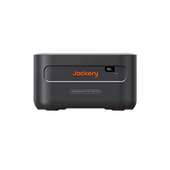
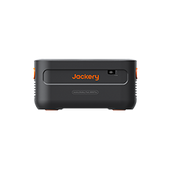
The Jackery SolarVault 3 Series is Jackery’s next-generation home solar storage solution, designed to help households generate, store, and use solar energy more efficiently. The series includes the SolarVault 3 Pro, SolarVault 3 Pro Max, and SolarVault 3 Pro Max AC, offering flexible options for balcony solar systems, existing PV installations, and larger home energy setups. With an integrated inverter, LiFePO4 battery technology, smart energy management, and expandable storage from 2.52 kWh to 15.12 kWh, the SolarVault 3 Series brings solar storage into a compact, modular, all-in-one system.
The modular capacity is especially relevant because UK homes do not all need the same battery size. A small household may only need enough storage for limited evening use, while a larger home may need more capacity for cooking, laundry, work devices or heating-related loads.
|
Household type |
Possible SolarVault 3 Series capacity |
How it may fit daily use |
Sizing note |
|
Small household |
2.52–5.04 kWh |
Helps cover limited evening lighting, Wi-Fi, TV, device charging and small appliance use |
Avoid oversizing if solar surplus is modest |
|
Family home |
5.04–10.08 kWh |
Can support evening cooking, laundry, lighting and device charging after solar generation drops |
Often a practical range for regular evening demand |
|
Home working household |
2.52–7.56 kWh |
Daytime solar may already cover laptops and appliances; storage helps shift remaining surplus into the evening |
Check whether daytime use already matches generation |
|
Home with EV |
10.08–15.12 kWh or more |
Can support wider household demand, but EV charging is energy-intensive and should be planned separately |
A full EV charge usually requires far more than a home battery cycle |
|
Home with heat pump |
10.08–15.12 kWh or more |
Can improve flexibility, especially with tariffs, but winter heating demand may be high |
Solar generation is lower when heat demand is highest |
|
Larger or future-ready setup |
Up to 45.36 kWh with expanded configuration |
Suitable where high consumption, backup planning or multi-load flexibility is needed |
Requires careful design, space planning and cost review |
Smart energy management also matters. A system that can align solar generation, battery charging, household demand and tariff timing may deliver better value than a battery that simply charges and discharges without context. For homes looking at flexible tariffs, higher self-consumption and a more adaptable energy setup, the Jackery SolarVault 3 Series fits naturally into the discussion as a scalable storage option rather than a one-size-fits-all answer.
FAQs
The following are the frequently asked questions about the solar battery storage:
1. Is battery storage worth it without solar panels?
It can be worth it if you are on a time-of-use tariff with a clear gap between cheaper off-peak electricity and more expensive peak electricity. The battery can charge when electricity is cheaper and discharge when prices are higher. Without solar panels, the financial case depends heavily on tariff spread, battery efficiency, cycle life and upfront cost.
2. How to decide whether solar battery storage is right for you?
Look at how much electricity you use, when you use it, how much solar electricity you export, and what import and export rates you receive. Battery storage is usually more attractive if you export surplus solar during the day and buy electricity back in the evening. It may be less suitable if your electricity use is already low or mostly during daylight hours.
3. Can I add battery storage to existing solar panels?
Yes, in many cases. A battery can often be added to an existing solar panel system using an AC-coupled setup or, in some cases, by upgrading to a compatible hybrid inverter. The right option depends on your current inverter, system age, wiring, available space and installer assessment.
4. Does a solar battery work during a power cut?
Not always. Many standard solar and battery systems shut down during a power cut for safety unless they include backup power hardware and suitable wiring. If backup is important, check whether the system supports emergency power, which circuits it can supply, and how quickly it switches over.
5. What is the difference between solar panel battery storage and storage battery solar?
“Solar panel battery storage” usually refers to a system where solar panels generate electricity and a battery stores surplus power for later. “Storage battery solar” is less natural wording, but it usually means the same idea: a battery used with solar energy. In both cases, the aim is to increase self-consumption and reduce grid reliance.
6. How long does a solar battery last?
Many home solar batteries last around 10–15 years, depending on battery chemistry, cycle life, depth of discharge, temperature, usage pattern and warranty terms. Lithium iron phosphate batteries are commonly used in modern home storage systems because they are designed for frequent cycling and long service life.
7. How long will a 10kWh battery last?
It depends on the load. A 10kWh battery could theoretically run a 1kW load for about 10 hours, before allowing for efficiency losses and usable capacity limits. In real homes, usage changes constantly. It may cover evening lighting, Wi-Fi, TV, fridge and small appliances for several hours, but it will drain much faster with electric heating, an oven, kettle, tumble dryer or EV charging.
8. What is the best battery storage for solar?
The best battery storage for solar is the one that matches your household demand, solar panel output, tariff, budget and installation setup. Key features to compare include usable capacity, battery chemistry, cycle life, inverter compatibility, backup support, smart controls, warranty, installation requirements and expandability. A modular system can be useful if your electricity use may grow later.
Final Thoughts
Solar battery storage can be a smart addition to a UK home, but only when it matches real energy use. It works best when there is surplus solar electricity to store, meaningful evening demand and a clear gap between import and export value. Before choosing a system, check your consumption data, solar generation, tariff options, installation requirements and expected payback period. The right battery should make daily energy use more efficient, not simply add extra capacity.


