





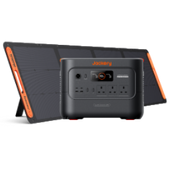
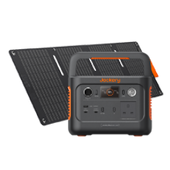


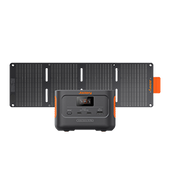
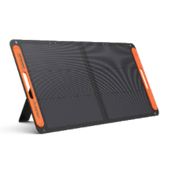
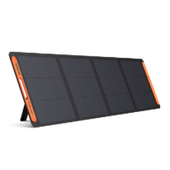
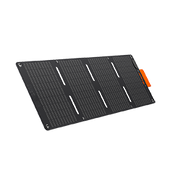


























Plug-in solar is becoming one of the most discussed small-scale solar options for UK households. It offers a simpler way to generate electricity at home without the scale, cost or installation work of a full rooftop solar system. For people living in flats, rented homes, terraces or properties with limited roof space, plug-in solar panels could make solar generation more accessible.
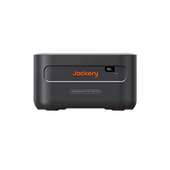
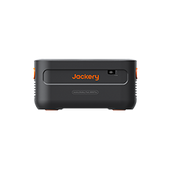
At the same time, UK buyers need to be careful. Plug-in solar is moving towards wider use, but households should still check final guidance, product certification, socket suitability, DNO requirements and safety standards before buying. Battery storage, including options such as the Jackery SolarVault 3 Series, can also make plug-in solar more useful by storing daytime electricity for evening use.
|
Key Takeaways: |
|
What Is Plug-in Solar?
Plug-in solar is a small-scale solar PV system designed to generate electricity for direct use inside a home. Instead of relying on a full rooftop solar installation, plug-in solar panels are usually installed on a balcony, garden frame, wall, shed roof or other suitable outdoor space. The system captures sunlight, converts it into electricity and sends that power towards household use through a simplified connection setup.
The main idea is accessibility. Traditional rooftop solar can be a strong long-term investment, but it often requires roof surveys, scaffolding, professional installation and higher upfront costs. Plug-in solar is designed to make home solar generation simpler and more flexible, especially for people living in flats, rented homes or smaller properties where a full roof system may not be realistic.
|
Type of Solar System |
Typical Use |
Installation Style |
Best For |
|
Plug-in solar |
Small-scale home generation |
Balcony, garden, wall or shed mounting |
Flats, renters, small homes |
|
Rooftop solar |
Larger home generation |
Fixed roof installation |
Homeowners with suitable roof space |
|
Portable solar |
Charging portable batteries |
Temporary outdoor setup |
Camping, travel, emergency use |
|
Solar with storage |
Using solar later |
Panels plus battery system |
Homes with evening energy demand |
A typical plug-in solar setup includes one or more solar panels, an inverter, mounting equipment and safety components. Some systems may also work with battery storage, allowing households to store unused daytime solar power and use it later in the evening.

(Data Source: UK Plug-in Solar)
How Do Plug-in Solar Panels Work?
To understand how plug-in solar panels work, it helps to look at the system as a simple energy chain. Sunlight is collected outdoors, converted into usable electricity and then directed towards the home’s electrical demand.
A typical plug-in solar system includes several main components:
- Solar Panels: These capture sunlight and produce direct current electricity.
- Microinverter or Inverter: This converts direct current electricity into alternating current electricity, which is the type used by UK household appliances.
- Mounting Structure: This keeps the panels safely fixed on a balcony, wall, garden frame, shed roof or other suitable surface.
- Connection Equipment: This links the solar system to the home’s electrical circuit through an approved connection method.
- Protection and Monitoring Devices: These may include safety cut-off functions, grid protection, smart meters or app monitoring.
- Battery Storage, If Added: This stores surplus solar electricity for later use instead of relying only on instant daytime consumption.
The working process is straightforward. First, sunlight hits the solar cells inside the panels. The panels then generate DC electricity. This electricity flows to the inverter, where it is converted into AC electricity. Once converted, the power can be used by household loads such as a fridge, router, washing machine, lighting or computer.
In most homes, electricity always flows towards active demand first. If the plug-in solar system is producing power while appliances are running, the home can use that solar electricity immediately and import less electricity from the grid.
For example, if a home is using 400W and the plug-in solar system is producing 300W, the grid only needs to supply the remaining 100W.
Without a battery, any solar power that is not used instantly may be exported or wasted depending on the system setup and local rules. With battery storage, more daytime solar energy can be stored and used later, especially in the evening when many UK households consume more electricity.

Are Plug-in Solar Panels Available in the UK?
Plug-in solar is moving towards wider use in the UK, but the practical rules are still important. In March 2026, the UK government announced plans to make plug-in solar panels available to households “within months”. The aim is to allow small systems to be connected more easily, giving renters, flat owners and households without suitable roof space a simpler way to generate some of their own electricity.
However, this does not mean every plug-in solar product can be used in every UK home without checks. Households should look for products designed for the UK market, suitable product certification, clear installation instructions and compliance with the latest official guidance.
|
*The UK government has said it will work with the Energy Networks Association, Distribution Network Operators, Ofgem and relevant safety bodies to update the G98 distribution code and BS 7671 wiring regulations for plug-in solar systems below 800W. This makes standards, certification and safe connection methods central to the UK rollout. |
So, can UK households use plug-in solar panels? The careful answer is: plug-in solar is being opened up for wider household use, but buyers should choose UK-ready systems and follow the rules that apply at the time of purchase and installation. The safest approach is not to import an overseas balcony solar kit and assume it is suitable for a UK socket, UK wiring or UK grid requirements.
The under-800W limit refers to the maximum output level being discussed for simplified plug-in solar connection. It is not the same as the total wattage printed on the solar panels. A system may have more panel capacity than inverter output, but the power sent into the home must remain within the permitted output limit. This distinction matters because solar panels rarely produce their full rated power all day, while the inverter controls the actual AC output.
Will households need an electrician? The government’s direction is to make sub-800W plug-in systems easier to install without requiring an electrician in suitable cases. Still, this depends on the final standards, the product design and the condition of the household electrical setup. Homes with old wiring, damaged sockets, unusual circuits or complex installations may still need professional advice.
Ofgem, DNOs and safety standards all play different roles. Ofgem oversees the energy market and helps shape consumer and grid-related rules. DNOs manage local electricity networks and need visibility of connected generation. Safety standards such as BS 7671 and G98 help make sure small solar systems disconnect safely, do not overload circuits and do not create risks for installers, households or network workers.
Where Can Plug-in Solar Panels Be Installed?
One of the main reasons plug-in solar attracts attention is its flexibility. Unlike a traditional rooftop system, it does not rely on one specific installation type. Plug-in solar panels can be installed in several outdoor locations, as long as the structure is stable, the panels receive enough sunlight and the setup follows the latest product and safety guidance.
- A balcony railing is one of the most obvious options, especially for flats and small homes. It can make good use of limited space, but shading from nearby buildings, rail design and landlord or building permission all matter.
- A garden frame offers more freedom. Panels can often be positioned at a better angle and adjusted more easily than on a balcony. This can improve performance, but the mounting must be secure enough to deal with wind and weather.
- A shed roof can be a practical choice if it has a clear aspect and enough structural strength. It uses space that might otherwise sit empty, although roof condition and load-bearing capacity should be checked first.
- A garage wall or south-facing wall can work well where floor space is limited. Wall mounting keeps the area tidy and accessible, but a vertical angle usually captures less sunlight than a tilted setup, especially outside summer.
- A patio structure may also support plug-in solar panels if there is enough light and the installation avoids blocking movement. Safety is important here, particularly where cables, frames or low panel edges could create trip hazards.
- A flat roof area can provide strong sunlight exposure and more flexibility in panel angle. However, it still needs safe fixing, wind resistance and suitable access for maintenance.
|
Installation Place |
Advantages |
Limitations |
|
Balcony |
Good for flats and renters |
Permission and shading matter |
|
Garden |
Flexible angle and placement |
Needs secure mounting |
|
Shed roof |
Uses unused outdoor space |
Roof strength must be checked |
|
Wall |
Saves floor space |
Vertical angle may reduce output |
|
Patio |
Easy access for cleaning |
Must avoid trip hazards |
|
Flat roof |
Better sunlight potential |
Needs safe fixing and access |
The best location is the one that combines sunlight, safety, secure mounting and practical access. A sunny south-facing position often performs best, but east- or west-facing areas can still be useful for everyday household demand.

How Much Electricity Can Plug-in Solar Panels Generate?
The amount of electricity plug-in solar panels can generate depends on the size of the panels and the real conditions around the home. A small plug-in solar system in the UK can help cover part of everyday electricity demand, but its output will change throughout the day and across the year. It should not be judged only by a bright summer afternoon, because UK solar generation is much lower in winter.
Panel Wattage: A larger panel array can capture more sunlight, but actual usable output may still be limited by the inverter. For example, a system with more solar panel capacity may perform better in cloudy weather, but the AC output sent into the home will still depend on the inverter’s permitted limit.
Orientation: South-facing panels usually produce the highest annual yield in the UK. East-facing panels generate more in the morning, while west-facing panels are better for afternoon and early evening demand. North-facing panels are usually weaker and are less suitable unless no better position is available.
Angle of the Solar Panel: The angle of the panel affects how much sunlight reaches the surface. A tilted panel often performs better than a vertical panel, although wall-mounted or balcony-mounted systems can still be useful where space is limited. Shading is another major factor. Trees, railings, chimneys, neighbouring buildings or even partial shadow across one panel can reduce generation noticeably.
Seasonal Variation is especially important in the UK. Output is normally strongest from May to August, moderate in spring and early autumn, and lowest from November to February. Short daylight hours, low sun angle and cloudy weather all reduce winter production.
|
Factor |
Impact on Plug-in Solar Generation |
|
Panel wattage |
Higher wattage can increase potential generation |
|
Orientation |
South is usually best; east and west can match daily usage patterns |
|
Panel angle |
A suitable tilt improves sunlight capture |
|
Shading |
Even partial shading can reduce output |
|
Season |
Summer output is much higher than winter output |
|
Weather |
Cloud, rain and haze reduce generation |
|
Inverter limit |
Controls the maximum usable AC output |
|
Dirt and maintenance |
Dust, leaves and bird droppings can reduce performance |
A simple UK monthly generation curve would usually rise from March, peak between May and August, drop through September and October, and reach its lowest point from November to February.
|
Period |
Typical UK Output Level |
Practical Meaning |
|
May to August |
Highest |
Best months for strong daytime solar generation |
|
March, April, September, October |
Moderate |
Useful production, but more weather-dependent |
|
November to February |
Lowest |
Short days and low sunlight reduce output sharply |

How Much Can Plug-in Solar Panels Save in the UK?
The saving from plug-in solar panels in the UK depends less on the headline panel size and more on self-consumption. In simple terms, self-consumption means how much of the solar electricity the household can use at the moment it is generated. The more solar power used directly at home, the less electricity needs to be bought from the grid.
This is why two homes with the same plug-in solar system may see different savings. A household where someone works from home, runs appliances during the day or has a steady daytime base load may use more solar electricity immediately. A household that is empty from morning to evening may export or waste more of the generated power unless it uses timers, smart plugs or battery storage.
Typical daytime loads can make a noticeable difference. A fridge and freezer run throughout the day. A Wi-Fi router, laptop, monitor, dehumidifier or daytime heat pump load can also absorb part of the solar output. Larger appliances such as washing machines and dishwashers can be scheduled during sunny hours. EV trickle charging may also be relevant in some cases, but only where the equipment, socket, circuit and charging method are suitable and safe.
|
Daytime Load |
Typical Use Pattern |
Why It Helps Solar Savings |
|
Fridge and freezer |
Runs on and off all day |
Uses small amounts of solar power regularly |
|
Wi-Fi router |
Constant daytime load |
Helps absorb low solar generation |
|
Laptop and monitor |
Work-from-home demand |
Matches daytime production well |
|
Washing machine |
Can be scheduled |
Uses solar during peak daylight hours |
|
Dishwasher |
Can be delayed to daytime |
Shifts demand away from evening grid use |
|
Heat pump |
Daytime heating or hot water |
Can use larger amounts of solar power |
|
Dehumidifier |
Often used for several hours |
Good match for daytime solar output |
|
EV trickle charging |
Slow charging where suitable |
Can absorb surplus solar if safely set up |
A practical way to estimate savings is to look at annual generation, self-consumption rate and electricity price. For example, if a plug-in solar system generates 600 kWh per year and the household uses 70% of that power directly, 420 kWh replaces grid electricity. At an electricity price of 25p per kWh, that would save about £105 per year.
|
Example System Scenario |
Annual Solar Generation |
Self-Consumption Rate |
Solar Used at Home |
Estimated Saving at 25p/kWh |
|
Low daytime use |
500 kWh |
40% |
200 kWh |
£50 |
|
Moderate daytime use |
600 kWh |
60% |
360 kWh |
£90 |
|
Strong daytime use |
700 kWh |
75% |
525 kWh |
£131 |
|
With battery support |
700 kWh |
85% |
595 kWh |
£149 |
These figures are examples, not guaranteed results. Real savings depend on system size, location, orientation, weather, tariff, household habits and whether storage is used. For many UK homes, the best way to improve savings is to shift flexible loads into daylight hours or add battery storage so more solar energy can be used later instead of being lost to poor timing.
What Happens to Extra Solar Power?
When a plug-in solar system generates more electricity than the home is using at that moment, the extra energy needs somewhere to go. In a simple daytime setup, solar power first supports the appliances currently running in the home. If the system produces more than those appliances need, the surplus may be exported, limited by the system, or stored in a battery, depending on the final UK setup, product design and connection rules.
For most households, direct use gives the clearest saving. Every unit of solar electricity used at home can reduce the amount of electricity bought from the grid. This is usually more valuable than sending small amounts of power away, especially if export payments are limited, unavailable or not easy to access for a small plug-in solar system.
Export rules should always be checked with the energy supplier. Larger rooftop solar systems may qualify for export tariffs when properly registered and metered, but small plug-in systems may not follow the same process. The final UK framework, supplier requirements, DNO guidance and metering setup will all matter. Buyers should not assume that every unused unit of plug-in solar electricity will automatically earn a payment.
Battery storage can make surplus solar more useful. Instead of relying only on appliances that happen to be running at midday, a battery can store unused daytime electricity and release it later in the evening.
Do Plug-in Solar Panels Need Battery Storage?
Plug-in solar panels do not always need battery storage. A basic plug-in solar system can still be useful if the home has enough daytime electricity demand. For example, households where someone works from home, runs appliances during the day or has constant loads such as a fridge, freezer, router, laptop or dehumidifier may be able to use a good share of the solar electricity as it is generated.
The limitation is timing. Solar panels produce most of their electricity during daylight hours, while many UK households use more electricity in the evening. Cooking, lighting, TV, computers, laundry, heating controls and other daily routines often happen after work, when solar generation is falling or has already stopped. In this situation, a plug-in solar system without storage may produce useful energy at midday, but some of that value can be lost if nobody is home to use it.
Battery storage becomes more relevant when the household wants to shift solar electricity from daytime to evening. Instead of sending unused solar away or letting the system reduce output, a battery can store that electricity and release it later. This can increase self-consumption, reduce grid imports during peak-use hours and make a small solar setup feel more useful in everyday life.

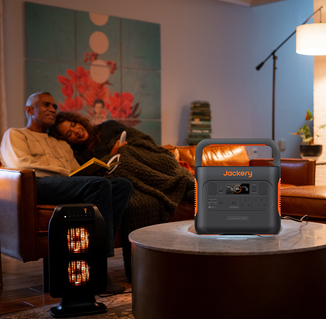
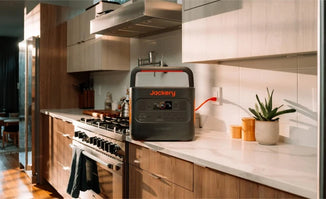
For households that want plug-in solar to support more than daytime appliances, the Jackery SolarVault 3 Series can be positioned as a home energy storage option that helps store solar electricity and use it later. This is especially relevant for UK homes where solar power is generated during the day but electricity use rises after work, in the evening or during peak tariff periods. Rather than treating plug-in solar as a simple daytime-only system, storage can turn it into a more flexible home energy setup.
That said, storage is not automatically the right choice for everyone. It adds upfront cost and may not be necessary for a household with strong daytime self-consumption. The decision should be based on daily routines, electricity tariff, system size, available installation space and how much unused solar power is likely to be generated.
|
Setup |
Best For |
Main Benefit |
Limitation |
|
Plug-in solar without storage |
Daytime users |
Lower system cost |
Less useful when nobody is home |
|
Plug-in solar with storage |
Evening energy use |
More solar used at home |
Higher upfront cost |
|
Rooftop solar with storage |
Larger households |
Higher generation and storage |
More complex installation |
|
Portable solar with power station |
Outdoor and backup use |
Flexible and mobile |
Not the same as home circuit solar |
Plug-in Solar vs Rooftop Solar: What Is the Difference?
Plug-in solar and rooftop solar both use solar panels to generate electricity, but they are designed for different types of households. Plug-in solar is mainly about accessibility and simplicity. Rooftop solar is usually about larger generation, long-term savings and a more complete home energy plan.
A plug-in solar system is typically smaller. It may use one or several panels installed on a balcony, wall, garden frame, shed roof or other suitable outdoor space. The aim is to cover part of the home’s daytime electricity demand without the scale and complexity of a full rooftop installation. This can make it more attractive for flats, renters, small homes and people who want to start with a lower-cost solar setup.
Rooftop solar is usually larger and more permanent. It is installed on the main roof by professionals and is designed to generate a greater share of household electricity across the year. Because the system is fixed, it normally requires more planning, including roof suitability, orientation, shading, structural condition, inverter choice, grid connection and, in many cases, battery storage.
|
Feature |
Plug-in Solar |
Rooftop Solar |
|
Typical system size |
Small |
Larger |
|
Installation |
Simpler, depending on rules |
Professional installation |
|
Best location |
Balcony, wall, garden, shed |
Main roof |
|
Upfront cost |
Lower |
Higher |
|
Annual generation |
Lower |
Higher |
|
Best for |
Flats, renters, small spaces |
Homeowners with suitable roofs |
|
Flexibility |
Easier to move or remove |
Fixed installation |
Neither option is automatically better. A homeowner with a sunny, south-facing roof and long-term plans for the property may get more value from rooftop solar, especially if they want higher annual generation or a full solar-plus-storage setup. A tenant, flat owner or household with limited roof access may find plug-in solar more realistic because it uses smaller spaces and can be easier to remove or relocate.
The choice also depends on electricity habits. Plug-in solar works best when the household can use the generated electricity directly during the day or store it for later. Rooftop solar can produce much more energy, but it also needs a stronger investment case and suitable installation conditions.

Are Plug-in Solar Panels Safe?
Plug-in solar panels can be safe when they are designed, certified and installed correctly. The safety question is not only about the solar panels themselves, but also about the inverter, socket, cables, mounting system and the way the product connects to the home.
Product certification is the first point to check. A plug-in solar system for the UK should be designed for UK conditions and should meet the relevant electrical and safety standards. Buyers should avoid unverified products, unclear technical documents or systems imported from another market without UK-ready certification.
The inverter is especially important. It must convert solar electricity safely and include the right protection functions. Anti-islanding protection is one of the key features. This means the system should shut down automatically if the grid goes off, so it does not continue sending electricity into the circuit during a power cut or maintenance work.
Socket suitability also matters. A plug-in solar system should only be connected through an approved method and a suitable electrical point. Extension leads, loose adapters, overloaded circuits or damaged sockets should not be used. Outdoor cables and connectors need to be weatherproof, properly rated and protected from water, sharp edges and accidental damage.
Mounting is another safety factor. Panels installed on a balcony, wall, shed roof, garden frame or flat roof must be fixed securely against wind, vibration and movement. A panel that is safe in calm weather may not be safe during strong UK winds if the mounting system is weak.
Fire safety depends on good product design, cable quality, correct connections and avoiding overloaded equipment. The system should also have clear installation instructions, protection devices and monitoring where needed.
FAQs
The following are the frequently asked questions about the plug-in solar:
1. What is plug-in solar?
Plug-in solar is a small-scale solar PV system designed to generate electricity for use inside a home. It normally includes solar panels, an inverter, mounting equipment and a safe connection method. It is simpler and smaller than a full rooftop solar system.
2. Are plug-in solar panels legal in the UK?
Plug-in solar is moving towards wider use in the UK, but households should still follow the latest official guidance. Buyers should choose products designed for the UK market, check certification, and make sure the installation method meets current safety and grid requirements.
3. Can I plug solar panels into a normal socket?
This depends on the final UK rules, the product design and the condition of the household electrical system. A plug-in solar kit should not simply be treated like a normal appliance. It must use an approved connection method and include proper inverter and safety protection.
4. Do I need a battery for plug-in solar?
Not always. A battery is less necessary if the home uses plenty of electricity during the day. It becomes more useful when solar generation happens during the day but household demand is higher in the evening.
5. Are plug-in solar panels good for renters?
They can be a useful option for renters because they are generally smaller and more flexible than rooftop solar. However, renters should check landlord permission, building rules, mounting safety and whether the system can be removed without damage.
6. What is the difference between plug-in solar and portable solar?
Plug-in solar is designed to support household electricity use through a home connection setup. Portable solar is usually used to charge power stations or batteries for camping, travel, outdoor work or emergency backup, rather than feeding electricity into a home circuit.
7. Where does Jackery SolarVault 3 Series fit?
The Jackery SolarVault 3 Series fits into the storage side of plug-in solar. It can help households store solar electricity generated during the day and use it later, which is useful when more electricity is needed after work, in the evening or during peak tariff periods.
8. Which appliances can use plug-in solar electricity?
Plug-in solar electricity can support appliances that are running while the system is generating power. Common examples include a fridge, freezer, Wi-Fi router, laptop, monitor, washing machine, dishwasher, dehumidifier and other suitable daytime loads.
Is Plug-in Solar Worth It in the UK?
Plug-in solar can be worth it in the UK for the right household, but it should be seen as a practical energy-saving tool rather than a full replacement for a rooftop solar system. Its main value is accessibility. It gives flats, renters, smaller homes and households without suitable roof space a simpler way to generate some electricity and reduce daytime grid use.
The best results usually come from high self-consumption. If solar generation matches daytime loads such as a fridge, router, laptop, washing machine, dishwasher or dehumidifier, the system can make better use of the electricity it produces. If the home is empty during the day, savings may be lower unless appliances are scheduled or battery storage is added.
For UK buyers, the key is patience and product choice. Plug-in solar is moving towards wider use, but households should still follow the latest rules, choose UK-ready certified products and avoid unsafe connection methods. Battery storage, including options such as the Jackery SolarVault 3 Series, can make plug-in solar more useful by shifting daytime generation into evening use.


