







































As homeowners across the UK navigate the complexities of home comfort and rising energy costs, choosing the right heating system has never been more critical. While gas heating traditionally offers lower running costs per kilowatt-hour, with electricity priced at 26.32p per kWh compared to gas at 7.97p per kWh, modern electric systems provide zero direct emissions and exceptional installation flexibility.
To bridge the gap between clean electric heating and high grid prices, innovative portable solutions like the Jackery Explorer 3000 v2 and Jackery Explorer 2000 Plus v2 enable households to store cheap off-peak or solar energy, ensuring efficient, low-cost warmth throughout the winter.
|
Key Takeaways: |
|
Electric vs Gas Heating: Understanding the Basics
While gas heating (along with alternative fuels like LPG or oil) typically relies on a central boiler burning fuel to circulate hot water throughout the property, electric systems convert electricity directly into heat at the point of use.
How Electric Heating Works?
Electric heating systems operate by converting electrical energy directly into thermal energy without relying on combustion or fuel storage. Because heat is produced locally at the device, there are no flue losses, allowing electric systems to operate at nearly 100% efficiency at the point of use. Common types include:
- Electric Radiators and Panel Heaters: Warm room air primarily through natural convection.
- Storage Heaters: Absorb cheaper off-peak electricity overnight and release warmth during the day.
- Electric Underfloor Heating: Provides consistent radiant heat via cables or matting beneath the floor.
- Infrared Panels and Portable Heaters: Radiate warmth directly onto surfaces and occupants, or offer targeted heating.

How Gas Central Heating Works
Gas heating is a centralised system that relies on burning natural gas to generate heat. The heart of the system is a central gas boiler—typically a combi, system, or conventional unit—which combusts the gas to heat water. The primary mechanics of a gas central heating system include:
- Heat Generation: Modern condensing boilers achieve up to 98% efficiency by capturing and recycling heat from exhaust gases.
- Heat Distribution: Heated water is pumped through pipework to radiators or wet underfloor heating, warming the surrounding air via convection.
- Hot Water Supply: The boiler also typically provides domestic hot water for taps, showers, and baths.
Electric vs Gas Heating: Pros and Cons
Both electric and gas heating offer distinct advantages depending on your property type and long-term goals. We examine the main pros and cons of each to help you decide for your home.
Pros of Electric Heating
- Low Installation Costs: Systems like panel heaters are simple to fit, making them ideal for retrofits, flats, or homes without gas connections.
- Zero Direct Emissions: They produce no carbon dioxide during operation. Paired with renewable tariffs or solar panels, they offer a highly sustainable solution.
- Low Maintenance: With few moving parts, electric appliances require minimal servicing and eliminate annual maintenance expenses.
- Smart Control: Modern systems offer precise room-by-room temperature management and can utilise cheaper off-peak tariffs.
- Product Variety: Options range from simple plug-in heaters to high-efficiency storage heaters and air-source heat pumps.
Cons of Electric Heating
- Slower Warm-Up Times: Standard convection and storage systems may take longer to heat larger spaces compared to gas boilers.
- Grid Dependency: Homes lose heating entirely during power outages.
- High Heat Pump Costs: While highly efficient, air-source heat pumps require substantial upfront investment.
- Legacy Issues: Older storage heaters (pre-2018) are less efficient, harder to control, and may contain asbestos.

Pros of Gas Heating
- Rapid Heating: Gas boilers deliver high thermal output quickly, efficiently heating rooms and providing domestic hot water even during severe cold snaps.
- Modern Efficiency: Advanced condensing boilers achieve up to 98% efficiency by capturing latent heat from exhaust gases.
- Grid Independence: Systems can continue to function during power outages (provided there is back-up power for the pump and ignition).
Cons of Gas Heating
- Environmental Impact: Burning gas releases greenhouse gases. Consequently, UK government policy is restricting gas boilers in new builds to support decarbonisation.
- Ongoing Maintenance: Boilers require compulsory annual servicing by a Gas Safe engineer to ensure safety, efficiency, and warranty validity.
- High Installation Costs: Retrofitting a boiler or installing a new gas line involves substantial upfront expenditure and invasive pipework.
- Safety Risks: Poorly maintained systems present risks of gas leaks and carbon monoxide poisoning.
Is Electric Heating Cheaper Than Gas? Compare Systems
When evaluating whether electric heating is cheaper than gas, the answer depends on whether you focus on initial setup expenses or long-term energy bills. Determining the most cost-effective heating method requires comparing upfront installation fees, per-unit energy rates, annual running costs across different property types, and ongoing maintenance fees.
Comparison of Initial Installation Costs
In terms of capital expenditure, standard electric heating is generally cheaper and simpler to install than a traditional gas central heating network. However, advanced renewable electric solutions, such as air-source heat pumps, carry a significantly higher upfront price tag.
|
Gas Central Heating (Total Average) |
£2,500 – £4,000 |
|
Gas Boiler Unit |
£800 – £2,500 |
|
Pipework and Radiators |
£1,700 – £3,000 |
|
Electric Heating (Standard Total Average) |
£1,500 – £3,000 |
|
Electric Radiators |
£1,500 – £3,000 |
|
Installation Labour |
£500 – £1,000 |
|
Air Source Heat Pump (High-Efficiency Electric) |
£6,000 – £18,000 |
This table is for reference only. Equipment prices may vary depending on the brand, type, and other factors.
Comparison of Running Costs
While standard electric systems cost less to install, natural gas is currently much cheaper per unit of energy. The electricity unit rate is 26.32p per kWh under Ofgem’s price cap (October to December 2026 average for Direct Debit households), while the rate for gas is 7.97p per kWh. Because electricity costs more per unit, heating an entire home with standard electric heaters is generally far pricier than using gas central heating.
Below is a comparison of typical annual heating costs for different types of homes (for reference only):
|
Property Type |
Gas Central Heating (£/year) |
Standard Electric Heating (£/year) |
|
1-Bed Flat |
£475 |
£1,300 |
|
2-Bed House |
£680 |
£1,900 |
|
3-Bed House |
£890 |
£2,500 |
|
4-Bed House |
£1,100 |
£3,100 |
Note: Figures are based on average usage and will vary according to system efficiency, household insulation, and specific tariffs.
Comparison of Additional Costs
Beyond installation and fuel usage, secondary and long-term maintenance costs contribute significantly to the overall lifetime expenditure of both heating types.
Maintenance Expenses: Gas central heating systems require regular annual servicing by a registered Gas Safe engineer to ensure safety, maintain efficiency, and validate warranties, costing between £60 and £120 per year. Electric heaters feature fewer moving components and usually require minimal maintenance.
Repair Expenses: Due to the mechanical complexity of boilers, pumps, and water pipes, gas repairs are often more frequent and expensive, typically ranging from £100 to £500+. Electric system repairs are generally simpler, costing between £50 and £150.
Upgrade Expenses: Upgrading electric components to newer models typically ranges between £100 and £300. Upgrading gas central heating networks to integrate energy-efficient features can cost between £500 and £1,500.
Utility Connection Fees: Properties not currently connected to the UK gas grid face substantial main-connection fees ranging from £500 to £3,000+, making electric heating a much more practical choice for off-grid homes.
Saving on Gas and Electric Heating: Practical Tips
While the mechanics of gas and electric systems differ, the principles of energy efficiency remain the same: minimise heat loss, optimise usage, and embrace smart technology. Here are ten practical and actionable tips to help you keep your home warm without overspending.

Tip 1: Seal Draughts and Block Air Leaks
Leaky windows and doors can account for up to 25% of heating bills. Conduct a thorough property audit and seal gaps with weather strips or caulk. Adding simple draught excluders can also make a massive difference in retaining warmth.
Tip 2: Heat Only the Rooms You Use
Close doors to unused rooms and turn radiators down to a frost-protection setting. Using space heaters to warm individual rooms where you spend the most time is far more economical than heating the entire house.
Tip 3: Optimise Curtain and Furniture Placement
Keep radiators clear of heavy sofas or long curtains that restrict warm air circulation. Open curtains during sunny days to capture solar warmth, and close thick, insulated curtains at dusk to lock heat inside.
Tip 4: Optimise Your Temperature Settings
Lowering your thermostat by just 1°C can reduce heating bills by up to 10%. Aim for 18–20°C in living areas and 15–18°C in bedrooms, as every degree counts toward your savings.
Tip 5: Service Gas Heating Systems Regularly
Ensure your gas boiler receives an annual service by a Gas Safe engineer. Routine maintenance keeps the system running at optimal efficiency, prevents costly breakdowns, and protects against safety hazards.
Tip 6: Bleed Your Radiators Regularly
Trapped air inside hot-water radiators creates cold spots at the top, forcing your gas boiler to work harder. Bleeding your radiators releases trapped air, restoring full surface heating efficiency and improving hot water circulation.
Tip 7: Upgrade to Smart Thermostats and Timers
Install a smart thermostat to automate heating schedules based on your daily routine. Lowering temperatures while asleep or away eliminates unnecessary energy consumption and ensures power is only drawn when required.
Tip 8: Upgrade to Modern, Energy-Efficient Models
Older storage heaters and legacy boilers operate at lower efficiency and consume more fuel. Upgrading to modern energy-efficient electric radiators or condensing boilers reduces waste, leading to noticeable long-term savings.
Tip 9: Leverage Off-Peak Electricity Tariffs
If your home uses electric storage heaters or portable heaters, switch to an off-peak tariff like Economy 7. Storage heaters absorb cheaper overnight electricity to release warmth during the day, significantly lowering your energy costs.
Tip 10: Pair Portable Heating with Storage Batteries
Run portable heaters off high-capacity stations like the Jackery Explorer 3000 v2 or 2000 Plus v2. Store off-peak or solar power to run appliances during expensive peak rate periods, significantly lowering overall running costs.
Introduce Jackery Portable Power Stations for Saving Home Electric Costs
If you use a plug-in heater to warm one room on winter evenings, the Jackery Explorer 3000 v2 and Explorer 2000 Plus v2 can help you shift that heating cost to a cheaper time of day.
On a UK time-of-use tariff, you can charge either power station during off-peak hours, then plug your heater into it when the peak rate begins. How much you save depends on the gap between the two rates and the energy lost during charging and use.

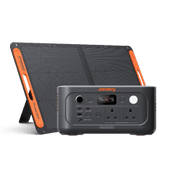
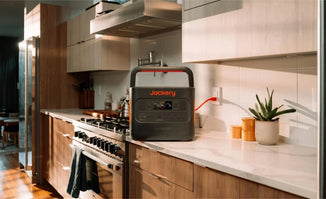
Jackery Explorer 2000 Plus v2 Portable Power Station
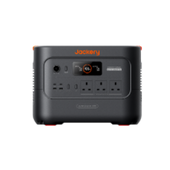
It has a capacity of 2,048 Wh. The LiFePO₄ battery delivers a 2,400 W rated output (4,800 W surge), powering one or two electric heaters or a mix of heating and essential devices. Expand capacity up to 12 kWh by adding battery modules as needs grow.
Key features include an ultra-quiet Silent Charging Mode (under 30dB), a sub-10 ms UPS function, and Emergency Super Charge for a full recharge in 1.7 hours. Wi-Fi and Bluetooth connectivity, plus the Jackery App's Smart Management, let you monitor consumption and schedule off-peak charging from your smartphone, backed by a 5-year warranty.
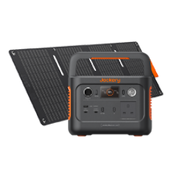
Jackery Explorer 3000 v2 Portable Power Station
Its 3,072 Wh LiFePO4 battery delivers up to 3,600 W of pure sine wave power (7,200 W surge), enough to run multiple electric heaters simultaneously. Advanced Cell-to-Body technology keeps the 27kg unit remarkably compact, while LiFePO₄ chemistry ensures over 4,000 charge cycles.
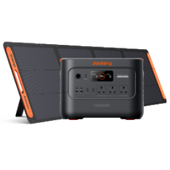
Recharge via AC mains in around 1.8 hours, or combine solar panels for faster replenishment. Through the Jackery App, you can monitor power usage, schedule off-peak charging, and prioritise heating devices, making it the ultimate backup solution for uninterrupted electric heating during peak rates or grid outages.
Electric vs Gas Heating: Which Is Better for the Environment?
Running costs and installation are only part of the equation; assessing the long-term environmental impact is equally critical. Home heating accounts for approximately 15% of the UK’s total greenhouse gas emissions, making your choice of system one of the most influential decisions for reducing your household carbon footprint.
Gas Heating and Carbon Emissions
Gas is a finite fossil fuel. Burning it in a boiler releases carbon dioxide directly into the atmosphere. Every hour a gas boiler runs, it contributes directly to global warming. With domestic heating responsible for 15% of national emissions, continuing to rely on fossil-fuel boilers remains a major barrier to achieving the UK's net-zero targets.
Electric Heating: A Greener Alternative
While electricity generation has historically relied on fossil fuels, the UK’s National Grid has rapidly transitioned to renewables. Today, wind and solar generate a substantial portion of the country's electricity. By combining electric heating with a zero-carbon tariff, you can ensure your home heating operates entirely carbon-free.
To maximise environmental performance, modern electric heating can be paired with intelligent energy storage:
Solar Charging and Renewable Storage: By connecting heating devices to a power station like the Jackery Explorer 3000 v2 or Jackery Explorer 2000 Plus v2, you can harness power directly from solar panels. Storing free, green solar energy during the day allows you to heat your space cleanly during winter evenings without drawing fossil-fuel-generated power from the grid.

Smart Management: With a companion app—such as the Jackery App—you can monitor your electricity consumption in real time, schedule charging for off-peak periods (when electricity is cheaper), and prioritise the power supply for your heating equipment during peak-price periods.
What’s Best for You: Electric or Gas Heating?
There is no universal "best" heating system. Whether electric or gas heating is right for your property depends on your home’s size, existing infrastructure, insulation levels, and how you actually use your heating day to day.
When Electric Heating Is Best
Electric heating is often the most practical, cost-effective, and future-proof choice under the following conditions:
- Homes Without a Gas Connection: If your property is off the gas grid, electric heating provides one of the simplest, cleanest ways to heat your home without needing a boiler, external flue, or fuel deliveries.
- Flats and Smaller, Energy-Efficient Properties: Well-insulated flats or smaller modern homes with lower overall heat demands benefit greatly from electric heating, as excellent insulation helps offset higher electricity unit rates.
- Zonal or Intermittent Heating Needs: For spaces used occasionally—such as home offices, conservatories, or spare bedrooms—electric appliances allow you to heat individual rooms independently without firing up the central heating across the entire house.
- Homes with Solar Panels or Renewable Microgeneration: If you generate your own solar electricity, you can power your electric heating cleanly and cost-effectively, reducing reliance on the national grid.

When Gas Central Heating Is Best
Under these circumstances, gas central heating remains the more economical and practical solution.
- Larger Family Homes: For larger properties with multiple bedrooms and bathrooms requiring whole-house heating throughout the winter, gas scales much better than standard electric heating.
- Properties Already Connected to the Gas Grid: If your home already has gas infrastructure and wet central heating pipework in place, replacing an existing gas boiler is usually far cheaper than installing an entirely new system.
- High and Continuous Heating Demands: If you keep your heating on for extended periods during cold spells or require high volumes of instant domestic hot water for multiple bathrooms, the lower per-unit cost of natural gas will save you significant money over time.
- Older or Drafty Properties with Modest Insulation: Older houses that lose heat rapidly require high thermal output to maintain warmth. The lower energy cost of gas makes it more affordable to keep these properties comfortable while insulation improvements are planned.
|
Scenario / Property Factor |
Electric Heating Is Best |
Gas Central Heating Is Best |
|
Gas Network Access |
Off-grid properties without a gas connection |
Properties already connected to the gas grid |
|
Property Size |
Flats, small homes, extensions, or loft conversions |
Medium-to-large family homes with multiple rooms |
|
Usage Patterns |
Intermittent or zonal heating (e.g., home office, evenings only) |
Continuous, whole-house heating required all day |
|
Property Insulation |
Highly insulated, energy-efficient, or modern builds |
Older, draftier homes with higher heat demand |
|
Upfront Budget and Faff |
Lower initial install cost; no pipes, boilers, or flues needed |
High setup cost, but infrastructure is likely already fitted |
|
Off-Grid and Peak Saver |
Ideal paired with solar panels or a Jackery Explorer 3000 v2 / 2000 Plus v2 |
Relies strictly on grid gas or bulky tank deliveries |
|
Carbon and Sustainability |
Zero point-of-use emissions; easily powered by green tariffs |
Uses fossil fuels; subject to phase-out restrictions |
This table is for reference only. Please consult a professional for more accurate installation advice.
Would It Be Possible to Switch from Gas Heating to Electric Heating?
While traditional UK homes were mostly designed around gas central heating, moving to electric is a practical, future-proof, and low-carbon alternative. Switching your property from gas to electric heating involves five essential steps:
Step 1: Research and Evaluate
Search for reputable suppliers offering independently tested, energy-efficient products. Decide whether you want a full whole-house replacement or a gradual "hybrid" room-by-room approach to spread out costs.
Step 2: Consultation and Solution Selection
Take advantage of free consultations with heating specialists. An engineer will assess your home's heat loss, insulation, glazing, and draft levels to recommend the best option (heat pumps, electric boilers, or electric radiators).
Step 3: Electrical Survey
Have a qualified electrician inspect your consumer unit (fuse board) and wiring. Since UK homes were primarily built for gas, this step ensures your electrical supply can safely handle the increased load.
Step 4: Gas System Decommissioning
A Gas Safe engineer will cap your gas line, remove the old boiler and flues, and disconnect existing radiators (typically around £50 per radiator depending on pipework access).
Step 5: Installation and Water Solution
Fit your new electric heating units and set up a dedicated hot water cylinder or immersion system. Installation timelines vary by solution:
- Electric Radiators: Usually completed in a single day
- Electric Boilers: Takes 1 to 2 days
- Air Source Heat Pumps: Takes 1 to 5 days
FAQs
The following are the frequently asked questions about the electric or gas heating:
1. What are the disadvantages of electric heating?
The primary drawback of electric heating is greater operating expenses, as UK electricity unit prices are much higher than gas. Heat pump installation can be pricey up front, and systems rely only on grid power during outages. Older storage heaters may be inefficient and difficult to manage.
2. Is it cheaper to heat a room with gas or electric?
Electric heating has greater operational expenses than gas heating because electricity costs more per unit than gas. Electric systems, on the other hand, often have reduced installation and maintenance expenses. Over time, the effectiveness of electric heating, particularly with contemporary heat pump technology, might offset some of the cost disparities.
3. Is it worth changing from gas to electric heating?
The length of time you want to stay in the house determines whether it is worthwhile to replace a gas boiler with electric heating. Electric heating costs more to operate per unit, but it is less expensive to install, requires less maintenance, and lasts longer than gas boilers. Get a quotation for both options before making a decision, as the cost savings from installation may exceed the additional running costs over time.
4. Is electric heating expensive to run?
If you merely examine the cost per unit of each type of fuel, electric heating costs more than gas (7.97p/kWh against 26.32p/kWh).
5. What is the cheapest way to heat a home in 2026?
For residences with a gas connection, a contemporary condensing gas boiler remains the most cost-effective way to heat the entire household. Electric heaters might be more cost-effective for single rooms that are used only rarely.
6. How do I know which system is better for my home?
The best option is determined by your home's size, energy requirements, and budget. Gas heating is generally preferable for bigger homes, whilst electric heating is best for smaller homes or those without a gas source.
7. How do safety concerns vary between electric heating and gas heating systems?
Electric heating systems are often seen as safer since they eliminate the hazards associated with gas leaks and carbon monoxide poisoning. However, electrical fires can still occur if systems are not properly maintained.
8. Can electric heating help reduce my home’s carbon footprint?
Yes, electric heating can assist lower your home's carbon impact, especially if your electricity is generated from renewable sources such as wind or solar power. This makes electric heating more environmentally friendly than fossil fuel-based heating systems.
Conclusion
Choosing between electric and gas heating depends on property size, insulation, budget and environmental priorities. While gas remains cheaper in larger homes with existing infrastructure, electric systems offer lower installation costs, zero direct emissions and renewable compatibility. As the UK progresses towards its 2050 net-zero target, electric heating becomes increasingly attractive, along with solar panels and portable power stations.
Solutions like the Jackery Explorer 3000 v2 or Explorer 2000 Plus v2 let you store off-peak or solar energy to power heaters during expensive peak-rate periods, cutting costs. By implementing the practical tips in this guide, you can make an informed decision, keeping your home warm, bills manageable and carbon footprint low.


