






























Low self-discharge (LSD) batteries are essential for UK emergency kits because they retain up to 85% of their power after one year of storage, unlike standard alkaline cells that often fail when needed most. While standard batteries leak corrosive fluid or lose charge while sitting in a drawer, LSD technology ensures critical gear remains operational during storms and grid outages.
This guide explains why LSD technology is the safest choice for emergency preparedness, how to store these cells properly, and which backup solutions ensure your home stays powered during a blackout.
Understanding the Mechanics of Battery Drain
Battery drain occurs due to internal chemical reactions that continue even when the device is disconnected. While standard rechargeable batteries can lose up to 20% of their charge on the first day and 4% daily thereafter, low self-discharge variants are engineered to significantly reduce this internal leakage.
Self-Discharge Explained
Three main factors drive battery drain in storage:
- Internal Chemical Reactions: Batteries are active chemical systems. Even when disconnected, slow internal reactions consume the stored energy over time.
- Temperature Impact: Heat accelerates chemical reactions. Storing batteries in a hot cupboard drains them faster, while cool storage (around 15°C) preserves energy.
- Parasitic Loads: Modern devices, such as emergency radios or digital thermometers, draw small amounts of current even when turned off to maintain memory or standby lights. This parasitic load kills batteries if they are left installed.
Types of Batteries for Emergency Preparedness
Selecting the right battery type involves distinguishing between primary (single-use) and secondary (rechargeable) cells. Understanding the common Batteries Sizes in the UK and their chemistries is vital for building an effective kit.
|
Battery Type |
Description |
Best Use Case |
Pros |
Cons |
|
Primary (Single-Use) |
Disposable batteries (Alkaline, Lithium). |
Long-term storage in grab bags. |
Excellent shelf life; ready instantly. |
Generates waste; single-use cost. |
|
Secondary (Rechargeable) |
Reusable batteries (NiMH, LiFePO4). |
Frequent use devices and power stations. |
Cost-effective; eco-friendly; high power. |
Requires charging maintenance. |
Selection Criteria: Choose your battery type based on shelf life, device compatibility, and how often you intend to use the device.
Low Self Discharge NiMH for High-Use Devices
Low self-discharge NiMH (Nickel-Metal Hydride) batteries are the ideal solution for high-drain devices used frequently. They bridge the gap between disposable convenience and rechargeable sustainability.
Best Applications
Use NiMH cells for devices you rotate annually or use often:
- Headlamps and handheld torches
- Emergency radios
- Handheld GPS units
Advantages
- Cost-Effective: NiMH cells are reusable hundreds of times.
- Waste Reduction: One set replaces hundreds of disposables.
- Retention: Modern variants retain approximately 70-85% of their charge after one year of storage.
Limitation
Standard alkaline batteries operate at 1.5V, while NiMH batteries operate at 1.2V. Most modern electronics handle this difference without issue, though some specific high-voltage equipment may show a low battery indicator earlier than expected.
Low Self Discharge Lithium for Long-Term Storage
Low self-discharge lithium chemistry offers the longest shelf life, often exceeding 10 years. This category splits into primary cells for small devices and advanced chemistry for large power stations.
Primary Lithium (AA/AAA)
Primary lithium cells are non-rechargeable but essential for critical backups.
- Best For: Smoke alarms, emergency GPS, and backup torches stored in cars.
- Pros: These cells offer a 10+ year shelf life and work in freezing temperatures where alkaline fail. They are also extremely lightweight.
LiFePO4 (Lithium Iron Phosphate)
LiFePO4 is the gold standard for high-capacity rechargeable power. Readers interested in the technical details can consult A Comprehensive Guide to Understanding Leisure Batteries for more on deep-cycle technology.
- Best For: High-capacity power stations and home backup systems.
- Pros: Extremely stable and safe. They retain charge for months without significant loss and offer thousands of cycles.
- Example: Modern solar generators use this chemistry to achieve lifespans exceeding 10 years.

Applications in UK Emergency Kits
A robust UK emergency kit requires a mix of chemistries to handle different scenarios effectively.
- Lighting: Use low self-discharge NiMH for daily-use torches. Keep a set of primary lithium batteries sealed as a backup for emergency lanterns to ensure light is available even if the NiMHs were not charged.
- Communications: Power emergency radios with reliable cells. Access to weather alerts and BBC local radio is vital during floods or storms.
- Medical Devices: Always follow manufacturer specs. Keep fresh spares for CPAP machines or blood pressure monitors. Do not rely on old rechargeables for life-critical equipment.
Powering Larger Essentials with Solar Generators
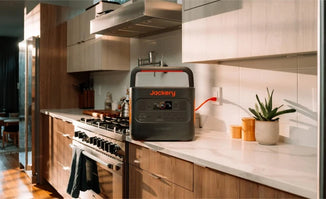
Small batteries cannot power high-wattage appliances like fridges, heaters, or medical gear. Solar generators bridge the gap between handheld gadgets and petrol generators. For a detailed breakdown of options, refer to our Backup Battery for Home Guide to match capacity to your needs.
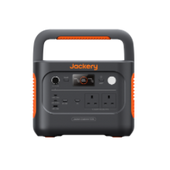
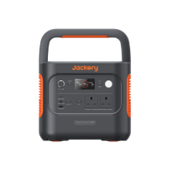
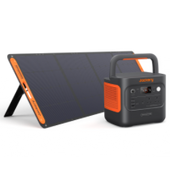
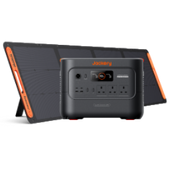
Jackery Solar Generator 2000 v2
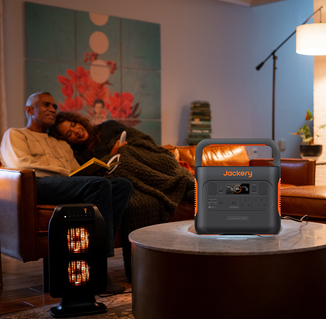
Jackery Solar Generator 2000 v2 is designed for substantial home backup during storms, offering a 2042Wh capacity.
- Capacity: The 2042Wh capacity handles high-demand appliances like microwaves, kettles, or space heaters.
- Reliability: Jackery Solar Generator 2000 v2 utilizes a LiFePO4 battery that offers 4,000 charge cycles. This equates to approximately 10 years of daily use.
- Emergency Ready: The Emergency Super Charging feature fills the battery rapidly via mains: 1.33 hours in Emergency Super Charging mode or 1.7 hours in Standard mode. Users can also charge 0-80% in just 52 minutes via the app.
- Retention: A quality Battery Management System (BMS) ensures the unit holds charge effectively during storage, minimizing parasitic drain.
Extended Power for Prolonged Outages
Sustained power for cooking and heating is critical during multi-day blackouts caused by severe flooding or infrastructure failure. When Preparing Home Power Outages Cold Weather, capacity is the most important metric.
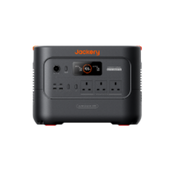
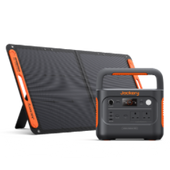
Jackery Solar Generator 3000 v2
Jackery Solar Generator 3000 v2 provides massive capacity for extended independence with 3072Wh of stored energy.
- Capacity: A massive 3072Wh capacity with 3600W output (7200W surge) supports 99% of household appliances.
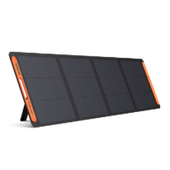
- Efficiency: The generator pairs with SolarSaga 200W panels to recharge via sunlight when the grid is down, providing indefinite power access.
- Quiet Operation: Jackery Solar Generator 3000 v2 runs at a whisper-quiet 30dB. Unlike loud petrol generators, the unit is safe and silent for indoor use.
- UPS Function: A <20ms switchover time keeps Wi-Fi routers and medical devices running instantly during a power cut, preventing data loss or equipment shutoff.
Maintaining and Storing Your Battery Stockpile
Proper storage at approximately 15°C extends the life of your investment.
Environment
Store all batteries in a cool, dry place. Avoid the extremes of uninsulated garages in winter or hot lofts in summer, as temperature fluctuations accelerate self-discharge.
Physical Safety
- Remove Batteries: Never leave batteries inside devices for long periods. This prevents leakage and stops parasitic drain from killing the cell.
- Insulation: Use insulating tape on terminals if storing loose cells together. If positive and negative terminals touch, they can short circuit and create a fire hazard.
Routine Maintenance
- Annual Check: Test the voltage of stored primary cells with a multimeter.
- Refresh Cycle: Recharge low self-discharge NiMH batteries and portable power stations every 3–6 months to keep the chemistry active.
- Visual Inspection: Discard any cells showing signs of swelling, rust, or leakage immediately.
Tips to Maximize Shelf Life
Heat is the primary enemy of battery life; following strict storage rules ensures power is ready when the grid fails.
- Avoid Heat: Never store emergency kits in hot attics, cars, or direct sunlight.
- Moderate Charge: Store rechargeable lithium units (like Solar Generators) at approximately 60-80% charge. Storing them completely empty can cause the battery to fall into a deep sleep mode from which it cannot recover.
- Rotation: Use the First In, First Out method. Mark purchase dates on packaging and use older stock before it expires.
Calculating Battery Requirements
Calculate your exact requirements using a consumption-based assessment framework rather than guessing.
Assessment Framework
- Identify Critical Devices: Count your essential gear (e.g., 2 torches, 1 radio, 1 lantern).
- Estimate Consumption: Determine daily runtime. If a torch uses 2 AA batteries every 8 hours, and you need 4 hours of light per night, that is 1 AA per day.
- Multiply by Duration: For a standard 3-day emergency kit, multiply your daily need by 3.
Hybrid Approach
- Immediate Use: Stock 1 week of disposables (primary lithium or alkaline) for immediate, zero-maintenance power.
- Indefinite Power: Maintain a set of rechargeables plus a solar charging method (like a Solar Generator) to ensure you have power even if the outage lasts weeks.
Conclusion
Low self-discharge batteries are a critical investment for reliability, safety, and long-term cost savings. Standard batteries are a liability in an emergency kit; LSD technology turns that liability into an asset.
Replace old alkalines with LSD NiMH or Lithium options to prevent leakage damage. For whole-home backup, consider LiFePO4-based solutions like the Jackery Solar Generator 2000 v2 or Jackery Solar Generator 3000 v2. Regular maintenance and proper storage ensure your power is ready when the grid fails.
Frequently Asked Questions
How do I safely dispose of old or damaged batteries in the UK?
Recycle batteries at designated collection points found in most supermarkets, electronics retailers, or your local recycling centre. You must not throw batteries in general household waste bins.
Can I mix different types of batteries in the same device during an emergency?
No, mixing brands, chemistries (e.g., alkaline with NiMH), or old and new batteries causes uneven discharge. This leads to leakage, device damage, or even rupture of the weaker cells.
Are there any specific brands of low self-discharge batteries recommended for harsh UK weather?
Look for batteries labeled Industrial Lithium or specific low-temperature NiMH variants. Lithium primaries (like Lithium Iron Disulfide) perform best in freezing temperatures commonly found in UK winters.
What are the signs that a low self-discharge battery is nearing the end of its life?
Significant reduction in runtime after a full charge or the battery becoming excessively hot during charging are key signs of failure. If a rechargeable cell loses its charge within a few days of being idle, it is degraded and should be recycled.
Beyond batteries, what other essential power accessories should I include in my emergency kit?
Include a universal USB charger, spare cables for all devices, and a battery tester to verify charge levels. A small portable power bank is also useful for charging phones without draining your main battery supply.


