

































Blizzards always appear when we least expect them. They indicate potential disturbances in life, changes in routines, and unforeseen threats that may be closer than we think. The UK Met Office publishes snow warnings to assist people prepare for possible weather disasters. These warnings are not meant to cause fear, but rather to enhance public awareness and promote informed planning.
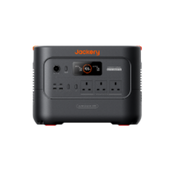
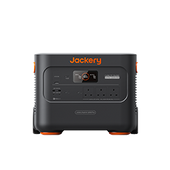
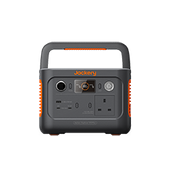
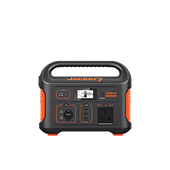
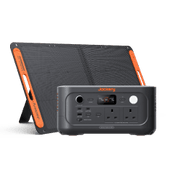
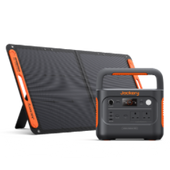
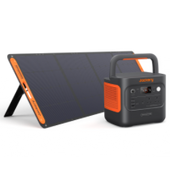
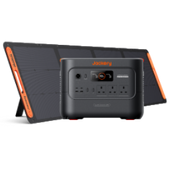
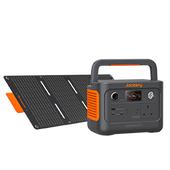
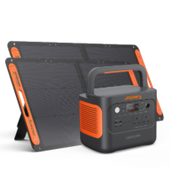
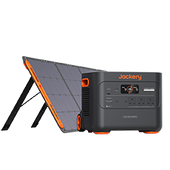
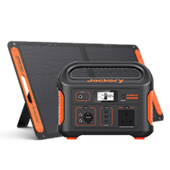
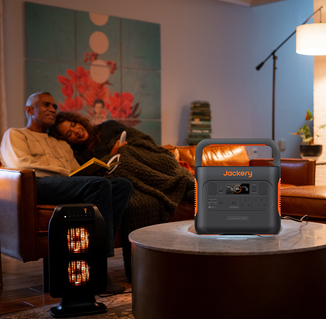
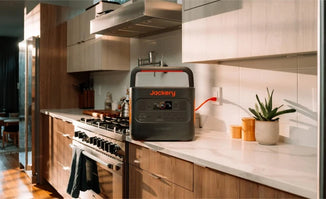
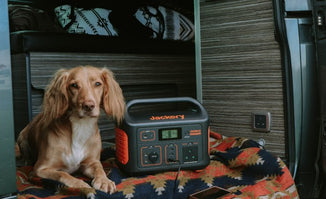
If you receive a snow warning in the UK, please stock up on critical supplies such as drinking water, food, and backup power. The Jackery Explorer 3000 v2 and Jackery Explorer 2000 Plus make excellent backup power sources during blizzards.
|
Key Takeaways: |
|
l Blizzards can make roads slippery and cause delays in public transportation, and snow warnings help people prepare for potential weather disasters. l Snow warnings are issued only when snowfall is deemed likely to have an impact on people. l Please check the UK Met Office website for real-time weather updates and to see if there is a snow warning. l Upon receiving Snow Warning UK, please stockpile supplies as needed, including drinking water, food, and backup power. l The Jackery Explorer 3000 v2 and Jackery Explorer 2000 Plus provide reliable power supplies during emergencies with higher capacities and safety. l During a blizzard, please avoid unnecessary travel and stay at home if possible. l After a snowstorm, contact your family and friends to let them know you're safe and sound. |
Why Is a Snow Warning UK So Important?
Unlike countries that receive substantial snowfall every year, the United Kingdom enjoys a relatively temperate climate. This means that even minor amounts of snowfall can have a large effect.
Roads can become slick, public transportation can be disrupted, and rural areas may be temporarily isolated. The UK Met Office offers alerts to assist people prepare for possible weather disasters. The significance of a snow warning UK is represented in the following aspects:
Reducing the Risk of Injury/Death
Heavy snow and low temperatures can quickly result in falls, hypothermia, and even cardiac arrest. Snowstorm warnings alert the public to potential dangerous weather, pushing them to curtail unnecessary outings, dress warmly, and avoid driving or walking on slippery roadways.
Maintaining the Transport Network
The UK's transport system is very vulnerable to snow and ice. Snowstorm warnings enable transportation departments to deploy de-icing vehicles, salt trucks, and snow removal equipment ahead of time, beginning operations before or at the start of snowfall to reduce traffic interruptions.
Supporting the Normal Operation of Critical Services
Critical sectors such as hospitals, emergency services, fire services, energy, and water services rely on warning information to plan emergency response teams, activate backup power systems, and stockpile rescue supplies. For example, ambulance services can increase the number of backup vehicles to guarantee that emergency response is not delayed due to weather.
When Will a Snow Warning UK Be Issued?
The United Kingdom has an innovative colour-coding system to indicate the likelihood of meteorological occurrences and their possible consequences. Each colour represents the likelihood of severe weather and its possible consequences, including snowfall.
This enables the general population to immediately assess the severity of impending weather conditions and make informed decisions about their activities and safety precautions. The following are the various coloured warnings issued for different snowfall conditions:

Yellow Warnings: Stay Aware
A yellow snowfall warning implies the probability of precipitation and associated disruptions such as reduced speeds, small delays, or slick roadways. This does not necessarily imply that significant diseases will develop, but it does serve as a warning to be informed. Yellow warnings are widespread throughout the year, particularly during winter and periods of inclement weather.
Amber Warnings: Be Prepared
An amber alert is more serious. It suggests a greater likelihood of major disruptions, such as road closures, power outages, or hazardous travel conditions.
Schools, companies, and municipal governments usually start formulating contingency plans at this point. When an amber warning is issued, the public should reevaluate their travel plans, plan for power interruptions, and take precautions to safeguard property and vulnerable groups.
Red Warnings: Take Action
Red warnings are exceedingly unusual, occurring just once every few years, and the implications are severe. This signifies that there is a high risk of life-threatening weather conditions. Emergency services may be under intense pressure. It is strongly urged that you stay indoors as much as possible and obey emergency services' advice.
In short, each of the above warnings is based on the impact and likelihood of snowfall, not just the amount of snowfall. Since 2011, snow warnings have used an impact-based approach, which means that they are only issued when the weather is expected to have an impact on people. Considerations include if it will effect peak-hour traffic, whether the weather is unusual, and whether there are any local outdoor activities or events, among other things.
Are There Any Recent Snow Warnings in the UK?
Gorrett, a storm that hit the UK in early January, produced hazardous winds and snow. On the evening of January 8, the Met Office issued an amber snow warning that was valid until 9 a.m. on January 9, covering sections of central England, Yorkshire, and Wales.
According to projections, winter temperatures in the UK may revert in late January to early February, becoming frigid again. The Met Office made the following comments: "There is still some uncertainty in this aspect of weather forecasting, but the possibility of colder temperatures also increases the probability of snowfall in parts of the UK."
However, as of January 25, 2026, the Met Office had not issued any additional snow warnings.
(Source: weather.metoffice.gov.uk)
How Do I Receive A Snow Warning in the UK?
Snow warnings in the UK are typically issued a week in advance and are frequently updated. Finding and following the correct channels helps ensure that you receive information on time. The major methods for receiving snow warnings from the UK are as follows:
Met Office Website/APP: Download the Met Office app or visit its website for real-time, up-to-date weather warnings, including snowfall, freezing, and amber or red warnings for severe conditions.
Email Alerts: Sign up for free email alerts on the Met Office's website to receive notifications about specific locations.
Health and Safety Agency Weather Health Alert: Sign up for the Health and Safety Agency Cold Health Alert for information on the effects of cold weather.
Social Media: Follow the UK Met Office on X (formerly Twitter) for quick, direct updates.
Local News and Radio: Listen to local TV and radio stations for the latest weather forecasts and any snow warnings.
What Should I Do after Receiving a Snow Warning UK?
A snow warning from the Met Office indicates that severe cold, heavy snowfall, or prolonged blizzards are on the way, which could have substantial consequences for transportation, energy, health, and daily life. You should not only be calm and composed, but you should also have a clear strategy. When you receive a snow warning in the UK, please follow the procedures below:

Keep an Eye on the Weather Forecast Updates
Official outlets, such as the Met Office website and app, provide reliable weather information. Warnings are routinely updated. Furthermore, traditional media outlets, such as the BBC Weather, provide frequent weather forecasts as well as the most recent weather conditions and affects.
Inspect and Maintain the Heating System
During blizzards, a faulty heating system can endanger one's health and even cause pipes to freeze and rupture. Check the boiler's operational status to guarantee that it will start normally. Insulate any exposed water pipes. If it has not been serviced in more than a year, it is advised that a certified engineer inspect it. Also, arrange backup heat sources, such as electric blankets.
Stock Up on Supplies
Snowstorms can cause transportation delays and store closures that extend for several days. It is recommended to stockpile the following supplies (enough for at least three days):
|
Drinking water |
3 liters per person per day, sealed storage. |
|
Food |
Foods that are durable and require no cooking or simple heating, such as canned food, compressed biscuits, ready-to-eat soup packets, energy bars, and milk powder. |
|
Medicines and health products |
Chronic disease medications (at least a 7-day supply), fever reducers, painkillers, cold medicine, band-aids, disinfectant, etc. |
|
Emergency equipment |
Backup power supply (such as a Jackery Explorer 3000 v2 or 2000 Plus), multi-functional flashlight, spare batteries, portable radio, thermal blanket, etc. |
|
Other practical items |
Pet food, baby supplies, toilet paper, garbage bags, etc. |
This list is only for reference. Please purchase and store goods based on your actual needs. Please keep in mind that supplies should be rotated and checked for expiration dates on a regular basis to avoid waste.

Inspect and Repair Your House
Immediately clear debris from the roof gutters. Wind and rain can lead to the accumulation of leaves and branches in gutters. Heavy snow accumulation can cause collapses and meltwater backflow. Check the airtightness of doors and windows for leaks and frost, and install weatherstripping as needed.
Plan Your Travel Accordingly
During blizzards, roadways can quickly become coated in snow or ice, resulting in significant delays or cancellations of public transit. It is advisable to prevent unnecessary travel, particularly by car.
Expressing Care for Disadvantaged Groups
Caring for vulnerable neighbours, relatives, and friends indicates community support and aids in the identification of people in need of additional assistance. A quick talk or a house visit can put them at ease and help discover problems early.
Jackery: The Backup Power Source during Blizzards
Snow warning UK is one of the most impactful winter warnings, especially considering the UK's generally mild climate and the fact that its infrastructure is not universally designed for heavy snow. Blizzards can cause traffic disruptions and travel difficulties, and more importantly, widespread power outages, plunging homes into darkness and cold.
Once the power grid fails, refrigerators stop working, heating systems fail, and mobile phones cannot be charged, severely threatening basic living conditions. At this time, a high-performance, safe, and reliable portable power station becomes paramount.
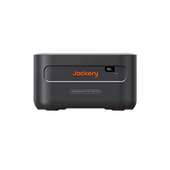
Among many products, the Jackery Explorer 3000 v2 and Jackery Explorer 2000 Plus are particularly suitable for blizzard emergencies, meeting the needs of different levels of households.
Jackery Explorer 3000 v2 Portable Power Station
With a massive 3072Wh capacity and a powerful 3600W output (7200W peak), the Jackery Explorer 3000 v2 is sufficient to handle most household emergency loads, making it ideal for medium to large households or users with high energy consumption needs. Its key advantages include:

Supporting Continuous Operation of Critical Appliances: The Jackery Explorer 3000 v2 boasts a 3072Wh battery capacity and a pure sine wave output power of 3600W (7200W peak), capable of powering electric blankets, LED lights, small electric heaters, and other devices. It features three 230V~13A UK outlets, two 100W USB-C ports, two 18W USB-A ports, and one 12V car port, allowing simultaneous charging of multiple electronic devices.
Fast Charging, Flexible Power Replenishment: The Jackery Explorer 3000 v2 supports AC power, solar panels, and car charging. In bright sunlight, connecting a Jackery SolarSaga solar panel (maximum solar input power: 1000W) allows for a full charge in approximately 3.5 hours, ensuring uninterrupted power. It can also be fast charged using AC + DC (54V), fully charging in just 1.4 hours.
The Lightest and Smallest 3kWh Portable Power Station, Perfect for Home Use: The Jackery Explorer 3000 v2 is 47% smaller (41.6 x 32.5 x 30.5 cm) and 43% lighter (27 kg) than comparable products, making it easy to store at home or in a car. Its inverter and photovoltaic modules are integrated, with the battery cells built into the base, resulting in 14% better space utilization compared to the Explorer 3000 Pro.
Safe and Stable, Ideal for Home Use: The Jackery Explorer 3000 v2 uses automotive-grade lithium iron phosphate (LFP) battery cells, offering superior thermal stability, high temperature resistance, and shock resistance, with a lifespan of up to 10 years or 4000 cycles, far exceeding ordinary lithium batteries. It features a built-in UPS with a switching speed of less than 20 milliseconds.
Jackery Explorer 2000 Plus Portable Power Station
The Jackery Explorer 2000 Plus, with its 2042.8Wh capacity and 2200W output, is the UK household's top choice for dealing with power outages during blizzards. Its key advantages include:

Expandable Capacity to Meet Large Electricity Demands: The Jackery Explorer 2000 Plus features a large 2 kWh battery, capable of charging a mobile phone over 50 times and powering LED lights for over 100 hours. Furthermore, a single Jackery Explorer 2000 Plus power bank can support up to 5 additional battery packs simultaneously, expanding the capacity from 2 kWh to an impressive 12 kWh, enough to support basic living for 2-3 days.
Solar-Friendly Charging: The Jackery Explorer 2000 Plus supports solar input. With six SolarSaga 200W solar panels, it can be fully charged in 2.4 hours on a sunny day, making it an eco-friendly choice for off-grid or energy-saving users. Its Jackery solar panels boast a solar conversion efficiency of up to 25%. Even in low-light conditions, these solar panels generate 50% more electricity than traditional PERC solar panels.
Quiet Operation, Safe and Reliable: The Jackery Explorer 2000 Plus operates extremely quietly, with a noise level of only 30 decibels, ensuring undisturbed sleep at night, making it suitable for bedrooms or living rooms. It features ChargeShield 2.0 technology, providing 62 protection mechanisms, 12 protection algorithms, and 4 physical safety protections.
Intelligent App Control and Long Lifespan: The Jackery Explorer 2000 Plus supports control and monitoring via the Jackery App. It supports various devices, real-time status monitoring, customizable settings, and more. This exceptional lithium iron phosphate battery is designed for durability, retaining 70% charge after 4000 charge cycles.
How to Stay Safe during a Blizzard?
When a snowstorm hits, powerful winds and thick snow can jeopardise people's daily life. In such intense conditions, mastering the proper coping strategies is critical to guaranteeing safety.

At Home: How to Stay Safe During a Blizzard?
Although your home is the safest place to be during a snowfall, there are several precautions you should take to safeguard your safety.
Keep the Heating System Running: Keep the internal temperature above 18°C, paying special attention to the rooms of the elderly and children.
Carbon Monoxide Poisoning Prevention: When heating with gas or charcoal, make sure there is adequate ventilation and install a carbon monoxide alarm.
Balanced Diet: Avoid alcoholic or caffeinated beverages, as they speed up heat loss from the body. Instead, sip warm, sweet beverages or broth to stay warm.
Outdoors: How to Stay Safe During a Blizzard?
During a snowstorm, avoid unnecessary trips. If you must go out, be well-prepared to avoid hypothermia, slipping, or being disoriented.
Wear the Right Gear: Layer clothing with a moisture-wicking inner layer, a warm mid-layer (such as fleece), and a windproof and waterproof outer layer. Wear a cap, scarf, gloves, and slip-resistant footwear.
Walk Carefully: Walk gently, taking short steps and leaning slightly forward to preserve balance. Try to stay on salted or cleared paths and avoid places with automobiles.
Seek Aid Right Away: If you're stuck or lost, find the nearest building or shelter. Then dial 999 for assistance, detailing your location and circumstances.
Inside Your Car: How to stay safe During a Blizzard?
If you come into a blizzard while driving, do not panic. With the appropriate measures, your vehicle can serve as a temporary refuge.
Pull Over: Slowly take your vehicle off the main road and into a safe, open location away from trees, billboards, and utility lines. Turn on your hazard lights and remain inside the vehicle.
Keep Warm Inside the Car: Turn off the engine but restart it every hour for 10 minutes to warm the cabin and prevent carbon monoxide accumulation.
Seeking Rescue: Dial 999 or contact roadside assistance. If you are lost for more than an hour with no signs of help, try putting a visible marking outside your vehicle, such as a brightly coloured scarf tied to the antenna.
What Should I Do after a Blizzard?
But what should you do following a snowstorm? Even after the snow has stopped, you will continue to face inconveniences and, in many cases, hazards. Some of the potential threats include frozen pipes, abrupt temperature dips, power outages, and ice roads. The key to remaining safe is to remain watchful even when you believe you are not in danger. Here are a few things to remember:
Let Your Loved Ones Know You Are Safe
After a snowstorm, contact your relatives and friends to let them know you are safe. Snowstorms can disrupt cell phone signals; if you are unable to make a call, try again in an hour to see if the connection has improved.
Avoid Walking or Driving on the Slippery Roadways
Snow melts throughout the day and refreezes at night, resulting in even more treacherous ice. If feasible, wait until all of the snow and ice have melted before venturing outside, whether on foot or by automobile.
Be Careful When Shovelling Snow
If you have to shovel snow, stop every 15 to 20 minutes to stretch your back and avoid overexertion. Overexertion can cause a heart attack. Alternatively, you can purchase a bag of sand or other environmentally friendly de-icing chemicals (such as rock salt) and put it on pavements and steps to accelerate the melting of ice and snow.
Check for Downed Electrical Wires Near Your House
After a heavy snowstorm, inspect the outdoors before leaving your house. Look for power lines that have been downed by high winds or heavy snowfall. If you come across any electricity wires, stay indoors and notify your local power provider immediately.
Check for Broken Windows
Broken glass can be harmful, and broken windows can let in cold air, lowering indoor temperatures. If you notice broken windows, cover them with boards and taped blankets to keep cold air out.
FAQs
The following are frequently asked questions about the snow warning in the UK.
1. Where is it most likely to snow in the UK?
The Scottish Highlands are the most likely to receive snow, with the longest average number of snow-covered days each year, followed by northern England's higher elevations. Other high-risk areas include Aberdeenshire, the Southern Highlands, and the northeastern coastal regions.
2. Where is storm Goretti going to hit in the UK?
Storm Gorrett will be a multi-hazard storm, with snowfall having the most major impact in portions of Wales and the Midlands, but rain and strong winds may also cause problems for many people. (Source: www.independent.co.uk)
3. Can schools close due to snow?
On snowy days, schools will make every attempt to stay open, but they may be forced to close or partially close if it is unsafe for children and instructors to attend. Schools will make every effort to notify parents in advance of any closures, but the decision may be made later due to changing circumstances. (Source: educationhub.blog.gov.uk)
4. How far in advance does a snow warning typically appear in the UK?
Snow warnings in the United Kingdom are often given one to seven days before an event, depending on the forecast's trustworthiness. Yellow warnings are often provided many days in advance, whereas amber and red alerts are released closer to the event, allowing forecasters to better judge the intensity and location of the event depending on the warning's accuracy.
Final Thoughts
Snow warning UK is one of the most effective winter alerts, especially given the UK's generally moderate climate and the fact that infrastructure is not often equipped for severe snowfall. Even minor amounts of snow can cause hazardous conditions on roadways, walkways, and public transportation systems. Please visit the Met Office's website frequently for real-time weather updates and snow warnings.
If you receive a snow warning in the UK, you should take quick steps such as stockpiling food, repairing your property, and monitoring your heating system. Furthermore, it is advised that you have a dependable backup power supply (such as the Jackery Explorer 3000 v2 and Jackery Explorer 2000 Plus) to ensure power continuity.