








































Coastal communities in the United Kingdom are becoming more conscious of the power of the water. But what is a storm surge, and why does it represent such a serious danger to our coastline? Essentially, it is a rapid rise in sea level driven by low pressure and gale-force winds, which often result in deadly floods.
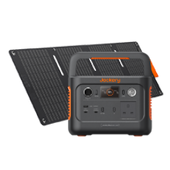
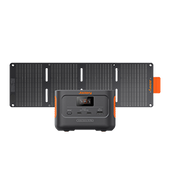
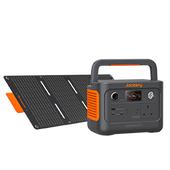
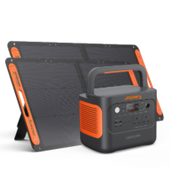
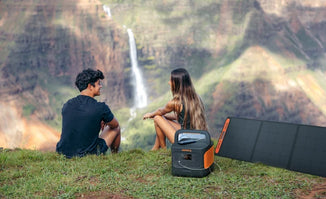
To be prepared, take action now: rely on a Jackery Solar Generator to offer a consistent backup power supply during emergency blackouts. Actively combine professional forecasts with appropriate home safety gear to proactively keep your family safe when the tide rises.
|
Key Takeaways: |
|
What Is a Storm Surge?
Understanding storm surge is critical for coastal safety, as these episodes reflect significant sea-level fluctuations driven by major storms. They can cause extensive flooding and pose a serious threat to the inhabitants of many coastal areas around the world.
For example, as Hurricane Katrina neared the coast in 2005, it triggered a massive storm surge of more than 8 metres in certain regions. This resulted in extensive flooding, including practically the whole city of New Orleans, as marine defences were simply unable to keep up with the rising water level.
Tragically, that event caused the deaths of about 1,800 people, many of whom were victims of the devastating flooding. When evaluating what a storm surge is, it becomes clear that the sheer volume of water involved is what makes these coastal events so dangerous for local populations.

What Causes a Storm Surge?
The primary source of a storm surge is strong winds driving saltwater towards the shore, where it accumulates. There is also a secondary impact from the low pressure in the heart of the storm, "pulling" the water level up by around 1 cm for every 1 millibar decrease in pressure. This is known as the inverse barometer effect, and it is similar to what happens when drinking through a straw.
The storm's high winds create massive waves on top of the surge, which might destroy sea defences or spill over them, significantly increasing the risk of flooding. Tropical storms, such as hurricanes, may also bring heavy rain, which compounds the risk.
On December 5, 2013, a massive surge hit the east coast of the United Kingdom, causing extensive flooding. This was a prime example of how low pressure, strong winds, and high tidal conditions can combine to create a dangerous environment.
Why Is a Storm Surge So Dangerous?
Experts from the Met Office and NOAA state that "storm surge combined with waves can cause extensive damage." However, understanding what a storm surge is reveals an extra, more serious risk to life and property beyond just rising water. Storm surge waves can aggressively erode coastlines and ruin coastal roadways, rendering them completely inaccessible for emergency services.
The pounding waves from the growing surge will continue to strike any impediment until the storm passes or the obstacle gives way. It is this relentless force that destroys boats, homes, and vital structures near the shore during a major weather event. In the UK, saltwater itself poses a secondary threat, as it can ruin high-quality agricultural land and permanently damage the foundations of historical buildings.
What Regions Are Vulnerable To Storm Surge?
Low-lying coastal communities are especially vulnerable to these events. Ageing infrastructure and high population density worsen the problem. When assessing storm surge risk locally, some areas in the UK and worldwide stand out for their distinctive geography:
The East Coast of England: Regions such as Hull, Great Yarmouth, and the Humber Estuary are highly vulnerable due to strong winds pushing North Sea waters toward the coast.
The South-East and Thames Estuary: Areas like Kent and Essex face significant risks, though they are partially protected by the Thames Barrier.
Low-Lying Counties: Somerset, Lincolnshire, and parts of Cornwall are at high risk due to much of the land sitting at or below sea level.
International Hotspots: Bangladesh, the Philippines, the Netherlands, and the United States Gulf Coast (Louisiana, Mississippi, and Florida) remain among the most susceptible areas globally.

How Does Storm Surge Vary from Storm Tide?
It is critical for coastal communities to realise that a storm tide occurs when a storm surge meets an ordinary high tide. This combination causes severe coastal flooding and rapid dune erosion, which may persist for several hours.
The surge is the change in water level produced solely by the weather system, while the storm tide is the overall water level measured by a tide gauge.
In the United Kingdom, timing is crucial. If the surge peaks at high spring tide, the effect is much more destructive than at low tide. However, storm surge is not the only cause of coastal inundation.
Significant flooding may also be triggered by excessive rains, overflowing rivers, or even tsunamis, all of which require different types of protective infrastructure to manage effectively.
How Does Climate Change Affect Storm Surges?
Climate change is likely to worsen storm surges due to several key environmental factors. Higher sea levels mean even small surges now flood more land and important infrastructure. Warmer water gives weather systems more energy, making storms more severe and surges larger. Coastal erosion is worsening, worsening the situation.
This is because it removes natural barriers, such as salt marshes and dunes, that have traditionally protected our communities from flooding, allowing water to travel much farther inland.
The impact of such an event can be devastating, potentially damaging freshwater supplies and high-value agricultural land, endangering both livelihoods and lives. In extreme circumstances, this can lead to tragic fatalities and the long-term relocation of entire populations. Even without a significant rise in the total frequency of storms, the intensity and effect of each individual event are certain to worsen over time.
Current modelling for the Asia-Pacific region suggests cyclones may become less common but more severe, covering a wider area. This shift underscores the need for adaptive design and robust protection, as even a few storms now pose a much greater threat to coastal regions.

How Is the Storm Surge Forecasted in the UK?
In the United Kingdom, storm surge forecasting relies on close collaboration between meteorologists and hydrologists. They use sophisticated computer models, such as the NEMO (Nucleus for European Modelling of the Ocean) system, to simulate the complex interactions among air pressure, gale-force winds, and our distinct coasts.
Understanding what a storm surge is is the foundation of this work, as experts must account for how weather systems interact with the North Sea and the English Channel.
Advanced hazard mapping and ensemble forecasting, which involve running a model many times with small changes, enable very accurate forecasts of how far the surge will travel. This identifies areas that are susceptible and helps people prepare to leave quickly by showing them a variety of possible flooding scenarios. These models simulate water levels 24/7, providing vital data that specialists at the Flood Forecasting Centre interpret.
The resulting mapping outputs convert technical data into useful, life-saving suggestions for local planners and emergency managers. Engineers use this high-resolution surge data to build better coastal barriers, while municipal governments use hazard maps to enforce stringent development laws. Clear visuals and community involvement raise public awareness, helping people across the UK better understand their unique risk and take active steps to prepare for severe weather events. Now is the time for communities and individuals to engage, stay informed, and ensure they are ready for future challenges.
Emergency Planning and Long-Term Risk Reduction Strategies
Take action now: implementing a cohesive strategy for safety and long-term resilience is essential to keep your home and community safe from coastal hazards.

Make a Personal Flood Plan
Take the first step: make a strong personal flood plan today to ensure you are ready for an emergency in the UK. Review guidance, gather supplies, and communicate your plan to your family.
This means knowing where the nearest shelters are, how to get to them safely, and making sure that your whole family, including pets and livestock, knows the quickest path to safety. Making an emergency kit is a key part of this plan. It should include at least 72 hours' worth of non-perishable food, bottled water, and important medical equipment.
Power Security During Extreme Events
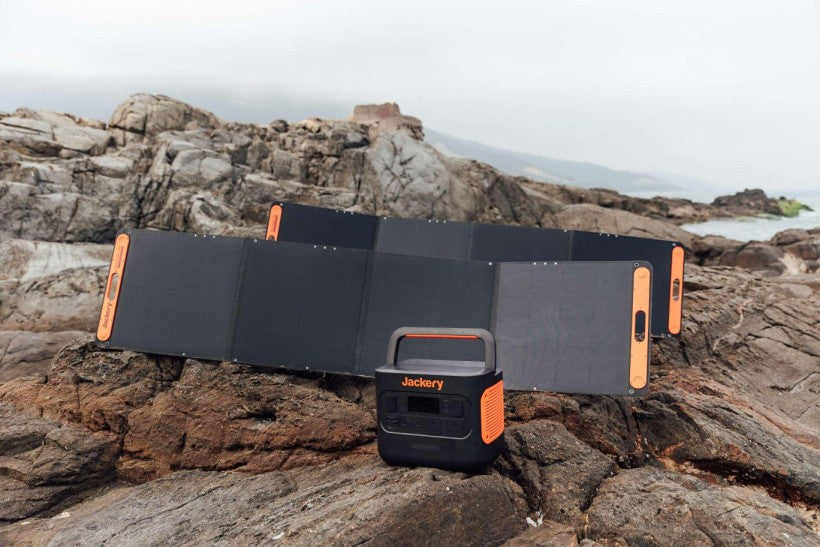
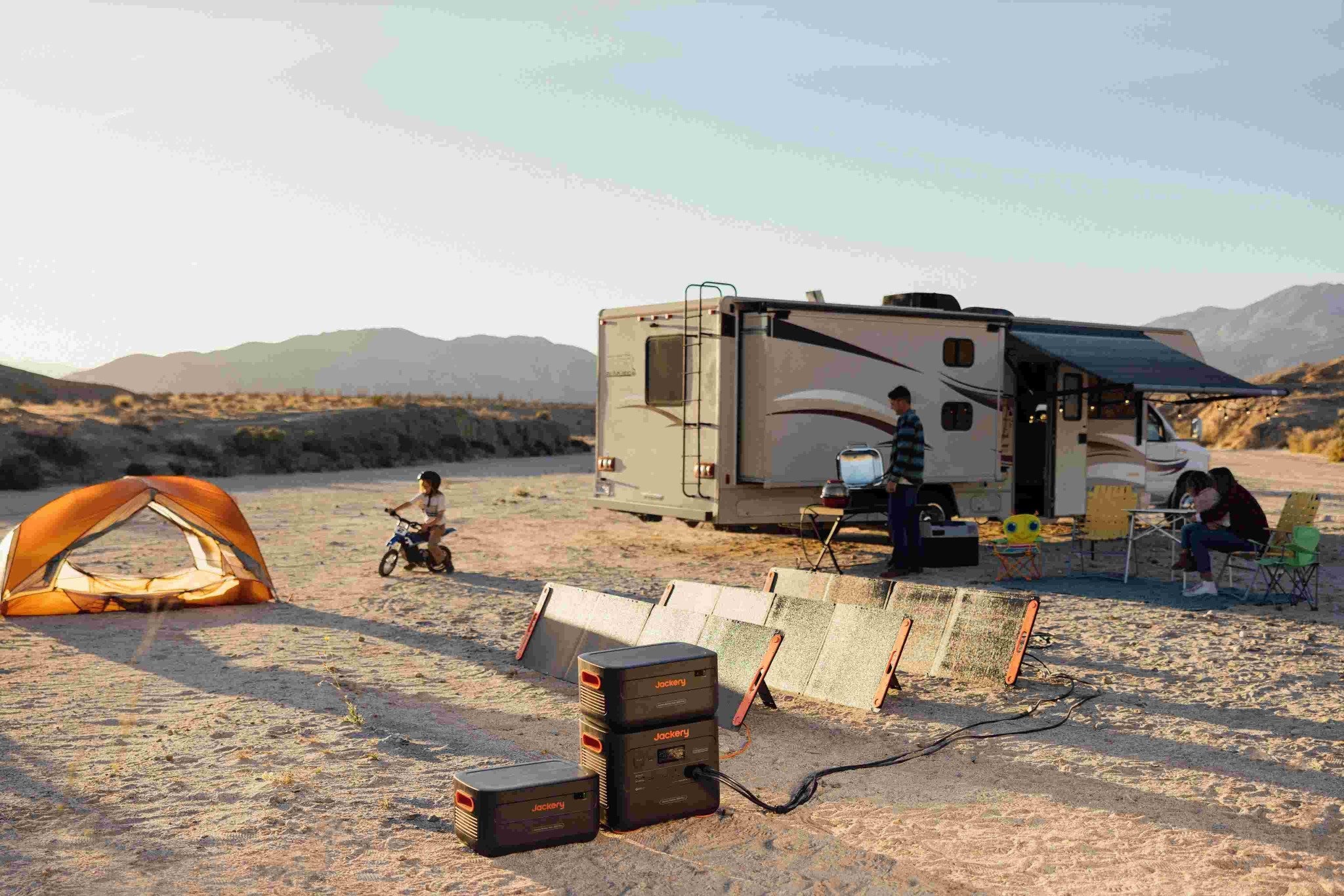
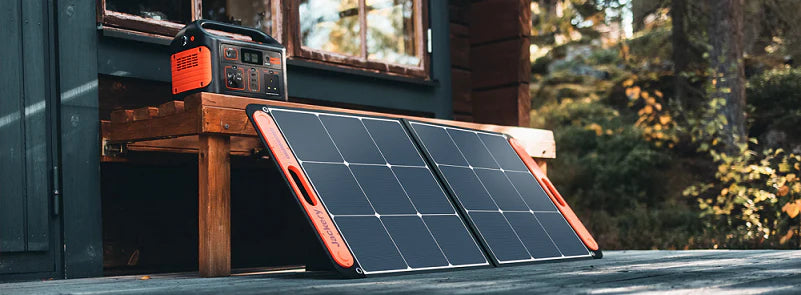
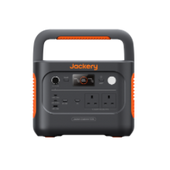
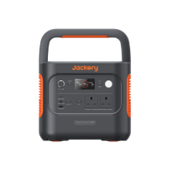
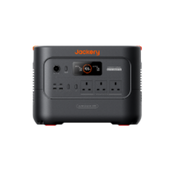
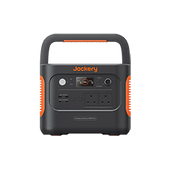
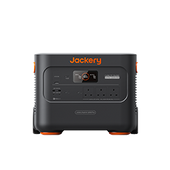
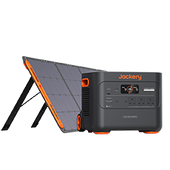
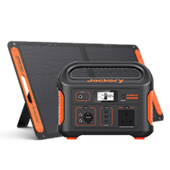
Power outages are a major concern in situations like this, so having a reliable backup, such as the Jackery Solar Generator 3000 v2 or the Jackery Solar Generator 2000 v2 may save your life. These units provide you with clean, portable power that keeps communication devices, medical equipment, and emergency lights working when the grid goes down. If you have a power source that lasts, you can stay connected and powered even if the water rises and cuts off your power.
Collaborative Mitigation and Engineering
Mitigating the risk of a storm surge requires a multifaceted strategy that blends engineering with natural solutions. The Environment Agency in the UK is responsible for major engineering projects such as the Thames Barrier and several seawalls designed to keep rising seas out.
But more and more, they are being supplemented with solutions based on nature. Salt marshes, reed beds, and sand dunes are natural barriers that absorb wave energy and reduce surge heights. They are a long-term approach to protect the shore.
Policy, Technology, and Future Adaptation
Policy and planning are also important, with Coastal Hazard Adaptation Strategies (CHAS) advising local authorities on where to construct and allow for controlled realignment. Planners may identify sensitive locations and design adaptation frameworks that balance protection with long-term land use by using modern forecasting technologies and data analytics.
Staying informed through community alerts and fortifying your property with flood barriers or raised utilities are the final steps in reducing the risk to life and property. Staying prepared and informed is the best approach to successfully tackle these natural hurdles.
Reliable Energy Backup with Jackery Solar Generators
In the UK, storm surges often lead to coastal flooding and widespread power outages that can last for days. A Jackery Solar Generator is a critical tool for disaster preparedness because it provides a resilient, decentralised power source that doesn't rely on the national grid or a vulnerable fuel supply chain.
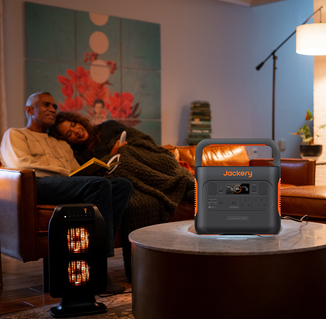
Unlike gas generators, Jackery units produce zero toxic fumes or carbon monoxide. During a storm surge, when you must stay indoors or on higher floors, you can safely power medical devices, lights, and heaters inside your living space.
If a flood warning requires you to leave, Jackery's portable design, with built-in handles and wheels, lets you bring your power to a vehicle or a temporary shelter.
Jackery Solar Generator 3000 v2
In the UK, a storm surge or severe winter storm often brings two primary threats: prolonged power cuts and the need for emergency water removal. The Jackery Solar Generator 3000 v2 is an essential tool for these scenarios because it combines high-capacity backup with the power needed to run heavy-duty drainage equipment.

Powers High-Wattage Sump Pumps
If a storm surge leads to localized flooding, keeping your basement or ground floor dry is the priority. The 3000 v2 provides a 3600W continuous output, which is more than enough to run a standard 1000W–1500W sump pump or a wet/dry vacuum to clear water before it causes structural damage.
Seamless UPS for Communications
Storms can cause "flickering" power or sudden blackouts. With its ≤20ms UPS (Uninterruptible Power Supply) mode, you can keep your Wi-Fi router, laptop, and phone chargers plugged into the Jackery. If the grid fails, your connection to emergency alerts and loved ones remains uninterrupted.
Multi-Day Sustenance
With 3072Wh of capacity, this unit can keep a standard UK fridge-freezer running for up to 2 days, preventing food spoilage while you wait for utility companies to repair downed lines.
ZeroDrain Long-Term Readiness
UK storms are unpredictable. Jackery's ZeroDrain technology ensures that if you charge the unit and put it in your cupboard for "emergency use only," it will still have 95% of its battery ready even a year later.
|
Home Appliances |
Running Time |
|
Broadband Router (10W) |
261 Hrs |
|
LED Bulb (10W) |
261 Hrs |
|
Fridge (150W) |
17.4 Hrs |
|
CPAP Machine (60W) |
43.5 Hrs (5-6 Nights) |
|
Sump Pump (1000W) |
2.6 Hrs |
(*The running time is only for reference.)
Jackery Solar Generator 2000 v2
The Jackery Solar Generator 2000 v2 is an excellent choice for storm surge preparedness in the UK because it provides a safe, high-capacity, and portable power source that operates independently of the national grid. In the event of a storm surge—which can lead to sudden coastal flooding and multi-day power cuts—this unit ensures you can maintain essential communications, medical devices, and food safety.

Safe for Indoor Use
Unlike gas-powered generators, the 2000 v2 is a battery-based system that produces no toxic fumes or carbon monoxide. This allows you to safely keep the unit inside your home or on an upper floor during a flood event.
High Power for Essentials
With a 2200W continuous output and 4400W surge (2042Wh capacity), it can power heavy-duty appliances like a full-sized refrigerator/freezer to prevent food spoilage or an electric kettle for hot water during an outage.
Emergency Super Charge
You can fully recharge the unit from a wall outlet in just 1.7 hours. This is critical when a storm warning is issued, allowing you to top up your energy reserves quickly before the grid goes down.
LiFePO4 Safety & Longevity
The unit uses advanced LiFePO4 battery cells, which are chemically stable and have a 10-year lifespan (4000 cycles to 70%+ capacity). This ensures the generator will be reliable and ready to go even if it has been sitting in storage for a long period between storm seasons.
Portability for Evacuation
If you are forced to evacuate, the 2000 v2 features a compact, space-saving design that is 34% lighter than its predecessors (38.6 lbs), making it much easier to lift into a vehicle or carry to a higher floor.
|
Home Appliances |
Running Time |
|
Broadband Router (10W) |
173 Hrs |
|
LED Bulb (10W) |
173 Hrs |
|
Fridge (150W) |
11.5 Hrs |
|
CPAP Machine (60W) |
28.9 Hrs (3-4 Nights) |
|
Sump Pump (1000W) |
1.7 Hrs |
(*The running time is only for reference.)
Sustainable Defence and Community Recovery Frameworks
To keep our coasts safe, we need to use robust engineering and smart planning to address flood hazards. The UK uses sea walls and levees to protect residences near the beach by lowering the power of oncoming waves. These structures are very important for keeping people safe.
The Thames Barrier, one of the world's largest movable flood gates, is an example of a dynamic system that shows how contemporary infrastructure can block water from entering cities during a major storm surge.
In addition to these solid barriers, modern site design often uses offshore breakwaters to spread wave energy and preserve coastal wetlands, which act as natural sponges, soaking up excess water.
Rebuilding Homes and Resilient Infrastructure
When a surge gets past defences, the process of returning to normal has to be planned to ensure long-term safety. Before returning to any property, you need to ensure the local government has declared the location safe from water contamination and structural damage.
After the area is evacuated, the first step is to take pictures of the damage for insurance purposes and begin cleaning to avoid health risks, such as mould. Hiring structural engineers is an important part of this stage, as they can assess the structures' strength and recommend materials that can withstand flooding.
In many situations, rebuilding means raising utilities or buildings to meet contemporary construction standards and reduce the impact of future flooding.
Financial Support and Emotional Rehabilitation
Rebuilding a community involves more than just fixing things physically; it also means making sure people are financially and emotionally stable. To get back what you lost in a flood, you need to get government disaster compensation and file comprehensive claims with your flood insurance company.
Rebuilding common places like schools and community centres by strengthening community networks helps restore a sense of normalcy. Also crucial is the emphasis on mental health, which includes giving those who are dealing with the trauma of loss access to therapy. UK towns may not only recover from catastrophes but also grow much stronger against future coastal threats by combining these short-term interventions with long-term resilient urban planning.
FAQs
The following are frequently asked questions about the storm surge.
1. What is a storm surge GCSE?
For students studying Geography at GCSE level, a storm surge is defined as a temporary rise in sea level caused by a combination of low atmospheric pressure and strong winds. The low pressure allows the ocean surface to "dome" upwards, while the gales physically push the water toward the coastline. This can lead to severe coastal flooding, especially when the event coincides with a high spring tide.
2. What is the highest storm surge ever recorded?
Globally, one of the most extreme events was recorded during Hurricane Katrina in 2005, which produced a surge of over 8 metres in parts of Mississippi. In the UK, the 1953 North Sea flood is often cited as the most significant, with water levels rising by more than 5 metres above normal sea level in some areas. More recently, during the 2013 tidal surge, some locations in the North Sea recorded water heights that exceeded those seen in 1953.
3. How long does a storm surge last?
Most surges are relatively short-lived, lasting 6 to 12 hours. The peak usually occurs when the storm's centre makes landfall. However, if a storm is slow-moving, the elevated water levels can persist for 24 hours or even longer. While the surge itself might recede quickly, the resulting flooding in low-lying areas can sometimes take days or even weeks to fully drain.
4. Is a storm surge a tsunami?
No, they are two completely different phenomena. A storm surge event, whether caused by a hurricane, tropical storm, or other weather, is driven by wind and air pressure. In contrast, a tsunami is triggered by geological events like underwater earthquakes, volcanic eruptions, or landslides. While both can cause a massive wall of water to hit the coast, a tsunami travels much faster across the open ocean and is not affected by surface weather conditions.
Final Thoughts
As our climate continues to change, the importance of understanding what a storm surge is has never been greater for those living along the British coastline. Resilience is built through a mixture of community awareness, government engineering, and personal readiness. Whether you are upgrading your home's flood barriers or investing in a Jackery Solar Generator to keep your essential electronics running during a power cut, every step toward preparation makes a difference.