



























You need a good safety plan if you are going to a new nation or an area you don't know well. The first step to keeping yourself and others safe is knowing what the emergency number is in the UK. Being truly prepared means having trustworthy resources on hand when the power goes out or when you go to a distant area, not merely knowing 999 or 112.
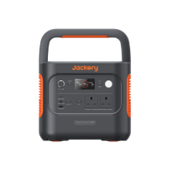
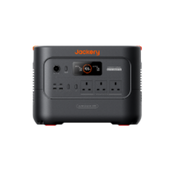
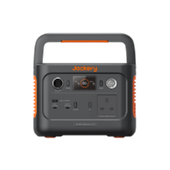
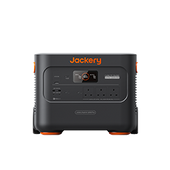
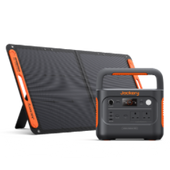
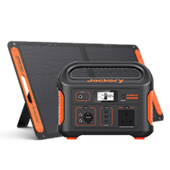
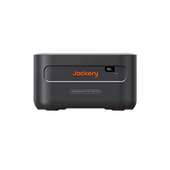
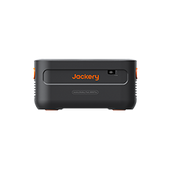
If you have high-quality backup power like the Jackery Portble Power Station at home, your gadgets will always be charged. This means you can get help from a professional even if the local power system goes down, which gives you complete piece of mind no matter where you are.
|
Key Takeaways: |
|
l If you need help right away from the police, fire service, ambulance, or coastguard in the UK, you can call 999. l The alternate emergency number 112 functions identically as 999 and was implemented throughout Europe to provide a consistent number for tourists to call. l You may call 111, a free NHS line that is available 24 hours a day, 7 days a week, if you have a health problem that isn't life-threatening and need medical advice or help. l Having high-quality backup power sources like the Jackery Explorer 1000 v2 and the Jackery Explorer 500 v2 in your home will keep your gadgets charged so you can get expert help even when the local grid goes down. |
Why Knowing Emergency Call Numbers in the UK Matters?
Emergency circumstances never give you any warning that they are approaching, do they? And we've all been in circumstances or critical moments where a safety number is all we need. As a national or international student in the UK, it is critical to remember emergency numbers. After all, you never know when these numbers can come in handy, potentially saving your or someone else's life.
The government and nationals have worked tirelessly to ensure that everyone in the UK is protected. This is where emergency phone numbers in the United Kingdom make sense. From hospitals to fire stations, the system is geared to respond immediately.
As previously said, an emergency can occur at any time and from any location. During such times, only first responders can aid. Here are the main reasons to know all of these UK emergency numbers:
Helpful for International Visitors: Living in a completely new country might be difficult. As a result, it is critical to understand helplines and emergency numbers so that you are prepared for any eventuality.
Professional Assistance: The hotline lines connect you with trained professionals and emergency operators. As a result, even in difficult circumstances, you will receive competent assistance.
Reduce Panic: Being familiar with emergency numbers can assist to alleviate panic and tension.
Personal Safety: Personal safety is critical, and the emergency contact numbers in the UK guarantee nothing but safety. These numbers should be readily available for everyone.
Key Emergency Numbers in the UK
The primary emergency number in the UK, used to request immediate assistance from the police, fire department, ambulance, or coastguard. In an emergency, dial 999.
The alternate emergency number, which can be used to contact emergency services throughout the United Kingdom and the European Union. 112 provides the same services as 999.
How to Place an Emergency Call: Step-By-Step Instructions and What to Expect?
Not only is it simple to make an emergency call in the UK, but being aware of what to anticipate will help you maintain your composure and offer the appropriate information in a timely manner. You can follow this step-by-step guide:
Step 1: Call 999 or 112 from any phone. You do not need credit or a SIM card for your phone.
Step 2: When the operator responds, you will be asked, "Emergency." "Which service?" Answer with "Police," "Fire," "Ambulance," or "Coastguard."
Step 3: Provide your location: Be as descriptive as possible. If you're not sure, seek for street signs and landmarks, or use your phone's GPS.
Step 4: Describe the situation. Clearly describe what is going on. Stay cool and respond to any enquiries posed by the operator.
Step 5: Follow instructions. The operator may offer advice or ask you to remain on the line until help arrives.
What Will Happen Next?
A suitable emergency service will be provided to your location.
If you are in a remote area or are unable to communicate, the operator can use technology to locate you.
If you have hearing or speech impairments, you can use the emergency SMS service by pre-registering your phone (text "register" to 999).

999 --- Emergencies Only
999 has been used in the United Kingdom for nearly 80 years, and it was the world's first single emergency number. The number 999 was chosen for technical reasons, but there was an added benefit: the number 9 was easily located on a rotary phone because it was adjacent to the dial stop.
The 999 code is used in Bahrain, Bangladesh, Botswana, Ghana, Hong Kong, Kenya, Macau, Malaysia, Mauritius, Qatar, Ireland, Poland, Saudi Arabia, Singapore, Eswatini, Trinidad and Tobago, Seychelles, the United Arab Emirates, the United Kingdom, and Zimbabwe.
This one number can be used to contact: Police, Ambulance, Fire Service, Coastguard, Mountain Rescue, Lowland rescue, Cave rescue, Moorland search and rescue service, Quicksand search and rescue service in Morecambe Bay, Mine rescue, Bomb disposal.
112 --- Emergencies Only
In April 1995, 112 was introduced in the United Kingdom. It was implemented throughout Europe in order to provide a consistent number for tourists to call across the EU. More than 100 countries now use it for emergency calls.
In the United Kingdom, it connects to and functions identically as 999. Because neither number takes priority over the other, you can contact emergency services using either one. Always conduct your own research before travelling.
How to Call 999 or 112 in an Emergency?
To dial 999 or 112, simply type the number into your cellphone or landline. The call is free. The operator will respond and enquire, "Which service do you require?" If you're unsure, the operator can help.
In 2009, UK mobile phone networks launched "Emergency Call Roaming". This implies that even if a mobile phone displays a 'no signal' warning, an emergency call will attempt to connect to another network. However, you will be unable to receive calls on that network, even if they are from emergency services.
However, if your phone does not have a SIM card, you cannot make an emergency call. A SIM-less phone may display the phrase 'Emergency Calls Only', although this is due to the phone's software. SIM-free emergency calls have been disabled owing to untraceable fake calls.
Texting 999 in an Emergency: How to Do It?
Sending a text message is only possible from within your own phone network. Sending a text message to 999 might be a lifesaver in the event that the connection on your home network is weak or sporadic.
This is because sending a text message consumes far less battery power and requires significantly less signal than making a call. To pre-register, all you have to do is send the word "register" to the number 999 by text message.

Non-Emergency Numbers: 101 and 111
Not all situations necessitate an urgent emergency reaction. For certain circumstances, the UK supplies two crucial figures:
101 --- Non-Emergency Police Line
This number links you to the police when there is no imminent risk. For example:
Reporting a theft that already occurred
Reporting questionable behaviour
Enquire about an ongoing inquiry.
Calls to 101 cost a nominal fixed fee (15p each call) and link you to your local police station, depending on your location.
111 --- Non-Emergency Medical Help
You can contact 111 if you have a non-life-threatening health concern but require medical advice or assistance. This is a free NHS (National Health Service) line that is open 24/7. Calling 111 can be useful in the following situations:
A persistently high temperature
Feeling unwell and wondering if you need a doctor or a hospital?
If your local clinic is closed and you need urgent medicine,
A skilled specialist will ask you questions and advise you on what to do next—whether you should go to the hospital, wait it out, visit a specialised service, or even call an ambulance if required.
Emergency Numbers for Specific Regions
While the main emergency numbers (999 and 112) are valid throughout the UK, each region has its own specific hotline and support services. These regional phone lines are particularly useful in non-life-threatening circumstances, environmental disasters, public health issues, and local infrastructure crises.
Knowing the correct number for your area will help you save time and be connected to the most relevant service fast. Here's a summary of major emergency and assistance numbers per area.

England
In England, emergency services are reached through national numbers, although local authorities may also give further assistance depending on the circumstances.
Local Council Emergency Numbers: Each local municipality may have its own emergency contact numbers for things like:
Housing crises (such as harmful living conditions)
Environmental health concerns
Social services assistance
Severe weather or floods response
These numbers differ by location, so it's a good idea to check your local council's official website ahead of time and store important contacts for future reference.
Scotland
Scotland offers services dedicated to providing medical advice and emergency assistance outside of acute conditions.
NHS 24: Dial 111 for non-emergency medical advice, day or night.
Suitable for circumstances that require health assistance but are not life-threatening.
Flood and Environmental Emergencies: For flood emergencies and guidance, contact 0345 988 1188.
These services are especially useful during severe weather occurrences that might disrupt travel, housing, and utilities.
Wales
Wales has specialised health and environmental helplines for inhabitants and tourists.
NHS Direct Wales: For non-emergency health advice, please call 0845 46 47 or 111 (where available). Ideal if you are unclear if you require medical treatment or expert attention.
Natural Resources Wales: To report environmental events including pollution, floods, or animal concerns, contact 0300 065 3000.
These services contribute to the timely resolution of issues concerning public health and environmental safety.
Northern Ireland
In addition to the UK-wide emergency numbers, Northern Ireland has regional services.
NHS 111: Available in some places for non-emergency medical advice. Useful when general practitioner services are closed or unavailable.
Water Supply Emergencies: For water supply problems or emergencies, contact 03457 440 088. This service is especially useful during outages due by extreme weather or infrastructural problems.
How to Call Emergency Numbers Effectively?
It's just half of staying safe to know the right emergency number. How you talk to others during an emergency can really affect how fast and successfully relief comes. It's normal to feel frightened or overwhelmed when you're under a lot of stress, but there are some easy things you can do to assist emergency services work more quickly.
Here are some important recommendations to help you utilise UK emergency numbers correctly:

Stay Calm and Speak Clearly
When you contact an emergency number, do your best to be cool. You can talk more clearly if you take a big breath before you speak. Emergency operators know how to deal with difficult situations, and if you talk slowly and clearly, they will be able to hear you right away.
Even if things seem out of control, focussing on good communication may help things get done faster.
Be Ready to Share Important Information
Emergency services need correct information to deliver the necessary support. Get ready to give:
l Your particular location, such as your address, surrounding landmarks, or the names of the roads.
l What kind of emergency it is.
l The number of persons that are involved.
l Any evident injuries or threats right now.
It's preferable to disclose whatever knowledge you have than to say nothing if you're not sure about the facts.
Do What The Operator Says
While help is on the way, the call handler may ask you specific questions or tell you what to do. This might be giving you first-aid tips, telling you to stay on the queue, or giving you safety tips.
It's crucial to pay attention and do what they say, since this will keep everyone as safe as possible until help arrives.
Don't Hang Up Too Soon
Stay on the line until the operator informs you it's acceptable to hang up, unless they direct you to do something else. They might need to check on more information or give updates. Ending the call too soon might make help take longer or make things more confusing.
Use Emergency Numbers Responsibly
You should only call emergency lines when you really need help or are in a real emergency. Using something wrong can stop someone else from obtaining aid when they really need it.
If it's not an emergency, think about using the right non-emergency services instead.
What Happens If You Can't Speak English?
If English is not your first language, we can offer confidential translators within minutes of receiving your 999 call. When you contact 999, all you have to do is declare in English which language you prefer, then wait on the line until you are connected to an interpreter who will work with the 999 call handler to give you with the assistance you require.
Putting Together Your Own Emergency Kit
There is more to being safe in the UK than simply being aware of the appropriate phone numbers to dial. Having an emergency kit that is ready to go gives you the ability to handle the initial important moments of a disaster or a power loss before aid comes. This is in addition to the fact that first responders provide expert support.
An emergency kit should include enough basic essentials and emergency supplies to keep a person going for three days. An emergency pack should contain the following important items:
|
Drinking Water (and Treatment Methods) |
At least 2 liters per person per day (6 liters for 3 days). Water purification tablets or portable water purifiers may be used. |
|
Long-Shelf-Life Foods |
Freeze-dried foods or emergency rations. Energy bars, dried fruit, ready-to-eat foods requiring no cooking. If purchasing canned goods, a manual can opener is required. |
|
Lighting and Energy |
Headlamp + flashlight, with generator or batteries. External battery for smartphone, fully charged. Candles, matches, lighter. |
|
First Aid Kit |
Bandages, disinfectant, sterile dressings. Personal medications + commonly used painkillers. Emergency blanket. |
|
Communication and Information |
Hand-cranked or battery-powered radio (FM + emergency frequency). Whistle to indicate someone is present. Notebook with emergency contact numbers and copies of important documents. |
|
Clothing and Protection |
Warm and waterproof clothing. Mask, gloves, wool hat, a pair of sturdy shoes. Use a waterproof tarp or raincoat for protection from the rain. |
|
Multi-tool |
Swiss Army knife or multi-tool pliers. Tape, cable ties, string. Quick repair or sewing tool kit Everything should fit into a backpack or a portable case. |
Not only should a well-prepared kit be conveniently accessible, but it should also include elements that promote personal protection and lessen feelings of terror. In addition to water, food, and supplies for first aid, a dependable power source is a contemporary essential for keeping your mobile phone charged so that you may call either 999 or 112 in the event of an emergency.
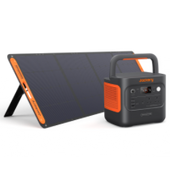
Many houses now incorporate specialised equipment in their safety supplies, such as the Jackery Explorer 1000 v2 or the Jackery Explorer 500 v2, in order to provide reliable and portable electricity in the event of such situations.
When you have these tools at your disposal, you can rest certain that you are ready for any situation that may arise, regardless of whether you are a local resident or an international student.
Reliable Emergency Power: Jackery Portable Power Stations
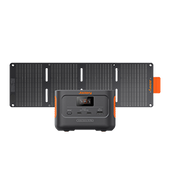
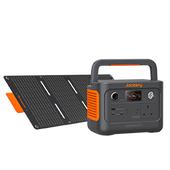
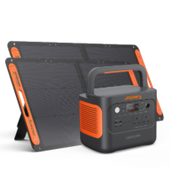
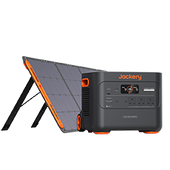
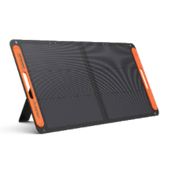
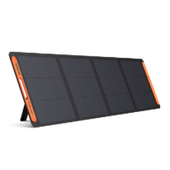
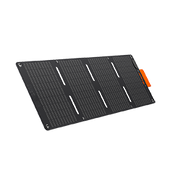
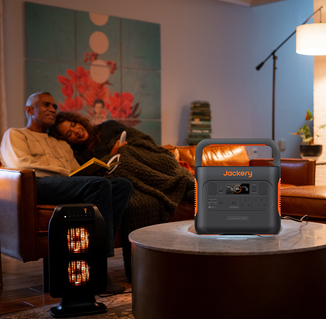
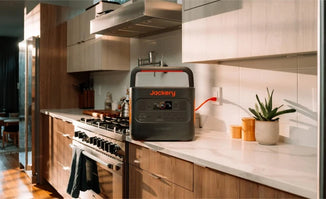
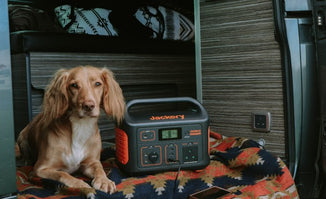
In an emergency, you need to keep your communication devices charged so you can call first responders. As part of your emergency plans, the Jackery Portable Power Stations are made to give you professional-grade power backup.
A Jackery Portable Power Station is often considered the "gold standard" for an emergency kit because it bridges the gap between a small power bank and a dangerous, loud petrol generator. For UK households preparing for storms, flooding, or grid instability, it offers a "plug-and-play" resilience that requires zero technical skill to operate.
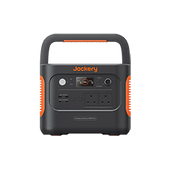
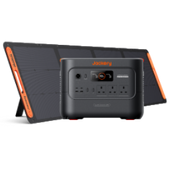
Jackery Explorer 1000 v2
The Jackery Explorer 1000 v2 is a formidable emergency power source for UK households, especially during the localized power cuts or winter storms common in regions like Yorkshire or Cornwall.

The "Emergency Super Charge" (0-100% in 1 Hour)
One of the biggest risks in the UK is a "rolling outage" or a brief window of power between storm fronts. Through the Jackery App, you can activate Emergency Charge Mode, which boosts the input to 1200W. It allows the unit to go from 0% to 100% in just 60 minutes. If you see a Met Office weather warning, you can fully prep your backup system in the time it takes to pack an emergency bag.
UPS Mode (20ms Seamless Switch)
Many UK outages are "nuisance trips" or momentary failures that can damage sensitive electronics or cause data loss. The 1000 v2 acts as an Uninterruptible Power Supply (UPS) with a switchover speed of less than 20 milliseconds.
You can keep your Wi-Fi router, PC, or medical equipment (like a CPAP machine) plugged into the Jackery while the Jackery is plugged into the wall. If the grid fails, your devices won't even flicker, keeping you connected to emergency updates or work.
LiFePO4 Safety & 10-Year Longevity
Emergency gear is useless if the battery has degraded in the cupboard. It uses LiFePO4 (LFP) cells, which are significantly safer and more stable than traditional lithium-ion. Rated for 4,000+ charge cycles (to 70%+ capacity). If you use it once a week for emergencies or camping, it will last over 10 years. It also has a minimal 1% monthly self-discharge rate, so it's ready when you need it.
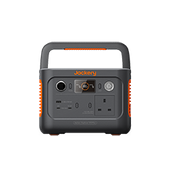
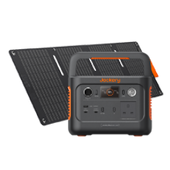
Jackery Explorer 500 v2
The Jackery Explorer 500 v2 (released in late 2025) is a significant upgrade over the original "classic" 500, making it a much more robust choice for a UK emergency kit. While the original was a camping staple, the v2 is specifically engineered for domestic resilience and rapid response.

"Storm-Ready" Rapid Charging
In an emergency, you may only have a short window of grid power between outages. The v2 features Super-Fast Charging, reaching 100% capacity in just 1.3 hours. This is a massive improvement over the older model, which took 7.5 hours to charge. If a storm is forecasted, you can top it up to full in the time it takes to have dinner, ensuring you aren't caught with a half-empty battery.
UPS Mode (Home Office Guardian)
Power cuts in the UK often happen without warning during the workday. It includes a UPS (Uninterruptible Power Supply) function with a switchover time of less than 10ms. You can keep your Wi-Fi router and desktop computer plugged into the Jackery. If the mains power drops, the Jackery takes over so instantly that your internet won't drop and your PC won't reboot, allowing you to stay informed or finish a critical task.
Decades of Reliability (LiFePO4)
Emergency gear often sits in a cupboard for months. You need a battery that won't "die" from sitting idle or wear out quickly. The v2 uses LiFePO4 (Lithium Iron Phosphate) cells, which are rated for 6,000 charge cycles to 70% capacity. This is roughly 7.5 times more durable than the original Explorer 500. Even if used every single day, it would last over 30 years. For occasional emergency use, it is effectively a "buy it for life" device.
FAQs
The following are frequently asked questions about the emergency numbers in the UK.
1. Is it 999 or 111 in the UK?
Depending on how urgent your issue is, both numbers will help you in various ways. Dial 999 right away if you need the police, ambulance, or fire service for a life-threatening emergency. On the other hand, 111 is the free NHS number to call for medical questions that aren't emergencies but that you need help with.
2. Why 112 instead of 111?
Don't mix these two up because they offer separate services. While 111 is for non-urgent medical help, 112 is a primary emergency number that functions identically to 999. The number 112 was put in place to give travellers in Europe and the UK a reliable emergency contact.
3. What happens if I call 911 in the UK?
If you call 911 while in the UK, your call will usually be sent to the 999 emergency operator automatically. Modern UK phone networks recognise 911 as an emergency number to help overseas tourists who would automatically call the emergency number from their own country in an emergency.
4. What is the 911 number in the UK?
The UK version of North America's 911 service is 999. 112 also offers the same emergency coverage across the whole country for anyone who choose a different option. Both numbers will put you in touch with competent personnel who can send the police, fire department, or ambulance.
5. Is it better to call 999 or 112?
You can use either number and get the same results. Neither number is more important than the other. You may call either one for free, and you can access all of the UK's emergency services through either one. If you contact 999 or 112, you'll talk to the same trained call takers who can dispatch aid to your area.
Final Thoughts
Knowing the UK emergency number inside and out lets you respond quickly when every second matters. If you need to contact the police, an ambulance, or the fire department, the best thing you can do is communicate clearly. To keep that lifeline, think about preparing a reliable emergency kit. The Jackery Explorer 1000 v2 and the Jackery Explorer 500 v2 are portable power sources that can keep your medical equipment and cellphones functioning in an emergency.