



































You never know when a lightning storm may hit. Anyone in the UK has to know what to do when there is a lightning storm, whether they are at home, outside, or at sea. Staying educated, avoiding hazardous habits, and finding the right shelter may make a big difference in how dangerous it is.
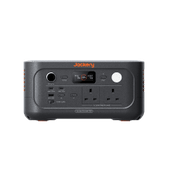
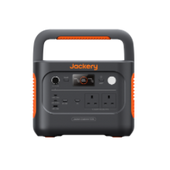
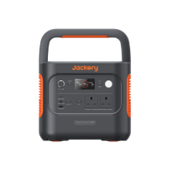
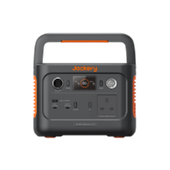
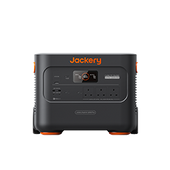
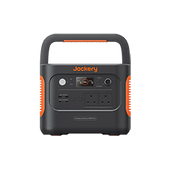
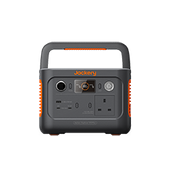
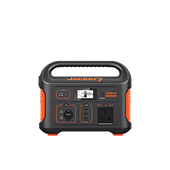
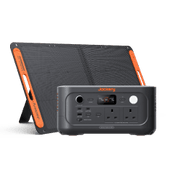
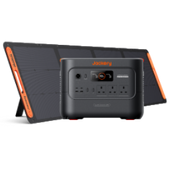
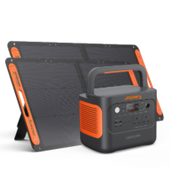
The Jackery Solar Generator is a good option for anyone worried about losing power during storms. They provide reliable, portable power to keep lights, electronics, and emergency devices functioning safely. You can go through any storm with confidence and calm if you combine wise planning with practical safety procedures.
|
Key Takeaways: |
|
Are Lightning Storms Dangerous?
Lightning storms can be intimidating, with thunder rumbling and lightning flashing, creating a frightening environment. While thunder itself does not harm anyone, lightning is hazardous, causing an average of 2 deaths per year in the UK.
Although the immediate threat of thunder and lightning in the UK is relatively low, these storms can still pose other hidden hazards that persist long after they have passed, including damaged walls, bridges, or roads, flooding, and fallen trees or power lines. Understanding these dangers and knowing what to do in a lightning storm is essential to staying safe.
Take precautions even before the storm arrives. Lightning can cause power surges, so unplug non-essential electronics if you lack a surge protector.
Seek shelter whenever possible. Remember, once you hear thunder, you are already within range of the next ground strike; lightning may strike up to 10 miles away from the centre of the storm. Preparing in advance and following simple safety measures is key to reducing risks and protecting yourself during a lightning storm.

Where Is the Safest Place to Be During a Lightning Storm?
Staying indoors is the safest choice. When you hear thunder, take cover immediately. Thunder signals you are within striking distance; get inside a sturdy building or a hard-topped vehicle with windows closed for protection.
During a lightning storm warning, organise your plans accordingly and avoid outdoor activities such as fishing or golf. If you were planning to travel, it's safer to postpone your trip until the storm passes.
Is It Risky To Go Outdoors During a Lightning Storm?
Absolutely. Always seek shelter during lightning storms. If you cannot find shelter, the Met Office advises crouching low, with your hands on your knees and your head tucked, minimising contact with the ground. Never lie flat, as this increases the risk of injury.
Is It Safe To Be Beneath a Tree During Lightning?
No, trees are not safe during a lightning storm. It may seem natural to go to the next tree, but don't do so, as lightning may strike the tree directly. Stay clear of tall or isolated trees in the woods, as they are more likely to be struck. Caves, cliffs, and exposed structures like porches, bus stops, and gazebos are not good places to hide, as they offer little protection.
Can You Use An Umbrella During a Lightning Storm?
No. Metal conducts electricity, so using an umbrella puts you at risk. This also applies to metal objects outside, including bicycles, motorbikes, golf clubs, fishing rods, pushchairs, fences, and railings.
Is It Unsafe To Take a Shower During a Lightning Storm?
Yes. Lightning can travel through plumbing, so avoid showers, baths, or running water. Similarly, stay away from lakes, rivers, and the sea, and avoid activities such as kayaking. If you are on a boat or vessel, return to land as quickly as possible.
Can Lightning Hit Your Home?
Yes, lightning can strike any building, but tall, pointed, or solitary structures are more likely to be struck. Metal does not attract lightning, but it conducts electricity, so it's best to stay away from metal objects indoors during a storm.
Is It Safe To Observe a Lightning Storm From Your Window?
No. Many people enjoy watching storms, but this can be dangerous. Lightning can travel through metal wires, bars, and concrete in walls and floors. Avoid leaning against exterior walls, and keep away from windows and doors, particularly in strong winds when trees or other objects might crash into your home. Even in the safety of your home, knowing what to do in a lightning storm helps reduce risks and keeps you and your family safe.

What to Do in a Lightning Storm?
Much of the UK experiences lightning storms, which can be brief, sudden, and startling. If you can hear the clouds rumbling, the storm is close enough for lightning to strike, which may hit up to 10 miles from the storm's core. You can estimate the danger by counting the time between seeing lightning and hearing thunder. If it's less than 30 seconds, you are at risk.
If there is a chance of a storm, it's advisable to put off or cancel outdoor activities, especially golf or fishing with a rod. Boaters and swimmers should return to shore immediately, as water conducts electricity.
It's best to avoid metal pipes and phone lines, as they may also carry a charge. To avoid damage from power surges caused by lightning, unplug unnecessary gadgets, such as TVs.
During The Lightning Storm
Take shelter inside a sturdy building or a vehicle with windows closed. Avoid sheds, isolated trees, and convertibles, as they offer little protection. Telephone lines can conduct electricity; use landlines only for emergencies.
If you are caught outdoors with no shelter, move to a low-lying, open space away from trees, poles, and metal objects. Avoid activities such as golfing, fishing, or boating. Stay clear of metal objects that can conduct lightning, including golf clubs, buggies, fishing rods, umbrellas, bicycles, motorbikes, pushchairs, or metal fences. In tents, try to avoid metal poles.
If you're in an open space, go down on your knees and put your hands on your knees, with your head between them. Try to touch the ground as little as possible. Don't lie flat, since that makes it more likely you'll be hit. If your hair starts to stand on end, get into this crouching position right away.
Following these safety tips and knowing what to do during a lightning storm will greatly lower your risk and keep you safe until the storm passes.
What Not To Do In a Lightning Storm?
If the lights go out, avoid using candles, as they could start a fire. Use a torch instead.
Do not make unnecessary calls or use an umbrella, as metal can conduct a lightning strike directly into your body.
It is also recommended to postpone bathing, showering, or washing dishes during a lightning storm, since a strike on your home could travel through metal plumbing and deliver an electric shock. Following these precautions will help you avoid common hazards and stay safe during a lightning storm.

Driving During a Lightning Storm
If you are caught in thunder and lightning while driving, close your windows and remain inside your vehicle. In most cars with a metal roof and frame, the metal acts as a Faraday cage, safely shielding the occupants from electrical fields and safely grounding them.
Soft-top convertibles, with their fabric roofs, are far more vulnerable and may catch fire if struck. Be aware that electricity can also travel through components such as GPS systems, radios, metal handles, pedals, and steering wheels. Lightning strikes may cause both internal and external damage to vehicles.
Thunderstorms can bring strong winds, making certain road users especially vulnerable. Cyclists, motorcyclists, and cars with high sides may be blown off course, so give them additional room and stay a safe distance away.
Slow down, since going slower makes wind gusts less strong. Hailstorms can be quite hazardous for drivers, as they make it hard to see and can damage cars. If the hail becomes severe, pull over to a safe place and wait in your vehicle until it passes.
What to Do in a Lightning Storm in Water?
Lightning is far more likely to strike land than water. While it can happen at sea, strikes are more common near the shore, especially during summer storms when people are more likely to be on boats, paddleboards, or windsurfers.
Being In The Water During a Storm
A lightning strike carries hundreds of millions of volts, enough to be fatal. Most of the electricity travels along the surface, so the greatest danger is near the surface. Being submerged reduces your risk, but standing or floating above water, such as on a board or boat, increases exposure.
Sound waves from lightning can also be dangerous. Strikes produce extremely loud noises that travel well across water and may harm hearing in both humans and wildlife. For scuba divers, the highest point above water, like the head or cylinder, faces the most danger, and staying submerged to wait out the storm is often impractical.
Being Aboard a Boat
Lightning may strike boats, particularly trawlers and boats with antennae. Some boats include lightning conductors that safely guide energy into the sea. Steel boats are usually safer since they have built-in grounding. Wooden or fibreglass boats, on the other hand, are more likely to get into trouble. Even if lightning doesn't hit anything directly, it may still inflict small damage or mess with electrical equipment.
General Advice
If caught on a boat during a storm, it's safest to return to port. If that isn't possible, drop anchor, wear life jackets, remove metal jewellery, and sit low in the middle of the boat. If the boat has a cabin, remain inside and avoid touching metal fittings. Following these steps is part of what to do in a lightning storm to stay safe on the water.

Safety Tips If You're Caught Outside During a Lightning Storm
If you find yourself outdoors when a lightning storm hits, and you can't reach full shelter immediately, follow these vital safety tips:
Get Inside Quickly
The safest place is indoors or in a fully enclosed vehicle with the windows up. Staying outside in the open greatly increases your risk.
Stay Low
If there's no shelter nearby, move to a low spot such as a shallow ditch or depression. You don't want to be the tallest object around, as lightning tends to hit the highest point.
Cars Are Better Than Nothing
If you can't reach a building, a metal‑framed car offers more protection than being outside. The metal frame helps disperse electrical energy to the ground.
Avoid Bodies of Water
Water is a good conductor of electricity. If you're near a lake, river, pool, or sea and hear thunder, head to shelter immediately.
Tents and Open Shelters Aren't Safe
Structures like tents, pavilions, or open shelters with metal supports can conduct lightning, so they don't offer adequate protection.
Check The Forecast Before You Go Out
Planning helps you avoid being caught outside when storms are likely to develop, especially during summer afternoons when conditions change quickly.
Don't Wait Around
As soon as you hear thunder, assume lightning is close enough to strike. Head to safety without delay, as lightning can strike even if the storm seems far away.
What If There Is Power Cut Caused by a Lightning Storm?
When thunderstorms strike, power outages are more than just annoying, they can make it harder to stay informed and safe. Dealing with a power cut during a lightning storm requires a mix of immediate safety actions and long-term preparedness. In the UK, the most important step is to stay safe from the lightning itself before addressing your power needs.
Unplug Non-Essential Appliances: If you hear thunder, immediately unplug expensive electronics like TVs and computers. Surge protectors can help, but a direct lightning strike can still bypass them.
Avoid Water and Corded Tech: Do not shower, wash dishes, or use corded landline phones. Lightning can travel through plumbing and electrical wiring.
Stay Indoors: Avoid porches, balconies, and standing near windows or doors.
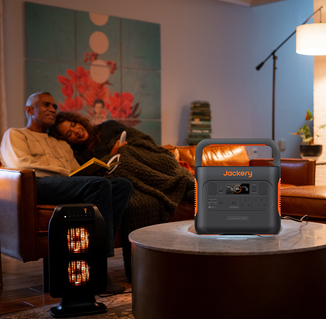
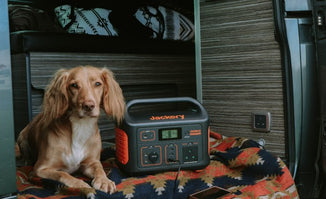
A Jackery Solar Generator is uniquely suited for storms because it is indoor-safe—it produces no fumes, unlike traditional gas generators. You can keep it right in your living room to power the essentials, such as communication devices, medical machines, lighting and more.
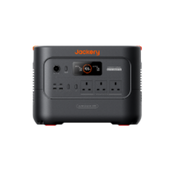
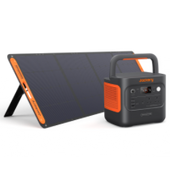
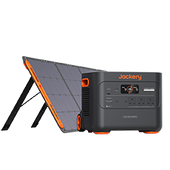
Jackery Solar Generator 3000 v2
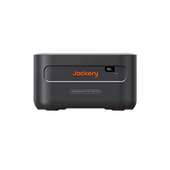
During a lightning storm, power cuts are often sudden and can lead to voltage spikes that damage sensitive electronics. The Jackery Solar Generator 3000 v2 is an ideal backup solution because it provides a physical air-gap between your expensive devices and the unstable grid, while offering industrial-grade power for your home.

Integrated UPS for Instant Protection: The unit features a ≤20ms Uninterruptible Power Supply (UPS) mode. If you keep your critical gear—like a Wi-Fi router, PC, or medical equipment—plugged into the Jackery while the Jackery is plugged into the wall, it will switch to battery power so fast that your devices won't even reboot when a lightning strike takes out the local transformer.
ZeroDrain™ Readiness: Lightning storms can be unpredictable. Jackery's ZeroDrain technology ensures that if the unit has been sitting in a cupboard for months, it will still have 95% of its charge ready to go when the emergency hits.
LiFePO4 Safety & Stability: Unlike older lithium batteries, the LiFePO4 (LFP) cells in the 3000 v2 are chemically stable and non-flammable. This provides peace of mind when using the unit in high-stress weather environments.
Massive 3600W Output: Lightning often causes long-term outages. With 3600W of continuous power and a 7200W surge (3072Wh capacity), you can run a sump pump to prevent basement flooding or a fridge-freezer to save your food for days.
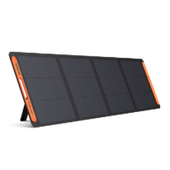
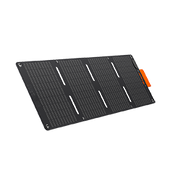
If the lightning damage to the grid is extensive and repairs take days, you can switch to solar power once the clouds clear. The Jackery Solar Generator 3000 v2 includes waterproof solar panels that allow you to recharge the unit completely off-grid.
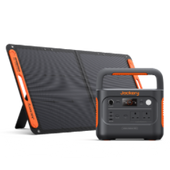
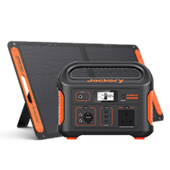
Jackery Solar Generator 2000 v2
A Jackery Solar Generator 2000 v2 is an excellent tool for handling power cuts during a lightning storm because it provides a safe, silent, and high-capacity energy source that can be used inside your home while the storm rages outside.

Indoor Safe & Silent: Unlike petrol generators, the 2000 v2 is a battery-powered station that emits no toxic fumes or carbon monoxide. You can keep it in your living room or kitchen to power essentials without the noise or danger of traditional generators.
High Power Output: With 2200W of continuous power and a 4400W surge peak, it can handle high-draw UK appliances. You can run an electric kettle (travel size), microwave, or a full-sized fridge-freezer to prevent food spoilage during long outages.
Emergency Super Charge: If you see a storm warning, you can plug the unit into a wall socket and charge it from 0 to 100% in just 1.7 hours. This ensures you have a full 2042.8Wh of energy ready before the lightning hits.
LiFePO4 Durability: The unit uses stable LiFePO4 battery cells designed for a 10-year lifespan. This makes it a reliable long-term investment for emergency preparedness, as the battery remains healthy even after hundreds of charge cycles.
Space-Saving Portability: The "v2" model is significantly lighter and smaller than previous generations, making it easy to carry to higher floors if there is any risk of localized flooding or to move it between rooms as needed.
After a Lightning Storm
Once a lightning storm has passed, it's tempting to rush back outside, but safety experts advise waiting at least 30 minutes after the last flash of lightning or sound of thunder before leaving your shelter. This waiting period helps ensure that the storm has truly moved on and reduces your chance of being surprised by a late lightning strike.
Even after the storm seems over, there are still hidden hazards to watch for:
Avoid fallen power lines and damaged wires; never approach or touch them. Power lines can remain live and extremely dangerous, and electricity can jump gaps without warning.
Check your surroundings carefully before stepping out. Storms can weaken structures such as boundary walls, fences, and trees, making them unstable and possibly prone to collapse. Keep clear of anything that seems damaged until it has been properly inspected.
Inspect property and outdoor areas for damage. Heavy winds, lightning, and sudden rainfall can loosen roofing tiles, displace garden furniture or bins, and create debris hazards. If you're able and it's safe to do so, secure loose items and make temporary repairs to prevent further damage.
Check on others once it's safe; neighbours, relatives, or vulnerable people may need help after a storm, especially if they live alone or haven't received the latest updates.
One long-standing myth is that lightning never strikes the same place twice or always hits the tallest object. In reality, lightning will follow the best conducting path to ground, and areas that are good conductors can be struck repeatedly, regardless of whether they've been hit before.
By staying patient, watching for post-storm dangers like downed cables, damaged structures, and flooding, and taking sensible precautions, you can significantly reduce your risk and ensure a safer return to normal activities after a lightning storm.
FAQs
The following are frequently asked questions about what to do in a lightning storm.
1. What are 5 things you should avoid doing in a lightning storm?
To keep safe during a lightning storm, there are a few things you should not do. Never use metal items such as bicycles, golf clubs, umbrellas, or fences, as they may carry an electrical charge. Water can carry electricity; being in or near it, such as in a lake, river, or swimming pool, is quite hazardous.
It is also dangerous to take a shower, bath, or use the bathroom during a storm, as lightning may travel through pipes. If you stand beneath trees or towering, isolated items, you're more likely to get hit. Using landline phones or plugged-in electronics might also put you in danger. It's just as vital to know what not to do during a lightning storm as it is to know where to go to be safe.
2. What is the 30-30-30 rule for lightning?
The 30-30-30 rule is a useful way to estimate the likelihood of a lightning storm. If you see lightning, keep counting until you hear thunder. If it takes less than 30 seconds, the storm is near enough to be quite dangerous.
Wait at least 30 minutes after the last flash of lightning or sound of thunder before leaving cover to be sure the threat has really gone. The last "30" is a warning that storms may be unexpected, so it's important to stay safe even after the main storm has passed.
3. Where is the safest place to be in a lightning storm?
During a lightning storm, the safest place to be is inside a structure with all the windows shut. A car with a metal top and closed windows is also an excellent choice, as the metal frame can safely conduct electrical energy to the ground around people. Avoid open shelters, tents, and other metal buildings, as they don't provide adequate protection. Finding the right shelter is essential to keeping safe during a storm, whether you're at home, at work, or on the go.
4. What is the safest thing to do in lightning?
The best thing to do during a lightning storm is to go to a safe place right away. Once you're inside, stay away from windows, plumbing, and metal fittings to prevent electrical current from flowing.
If you are stuck outside without cover, go to a low position, squat down with your hands on your knees, and keep your head down to keep as little touch with the earth as possible. The best method to lower your risk during a lightning storm is to be cool, alert, and ready. Knowing what to do in a lightning storm may make all the difference.
Final Thoughts
You need to appreciate, prepare for, and have a clear strategy for lightning storms. To keep yourself and your loved ones safe during a lightning storm, you need to know what to do. For example, you should remain indoors and avoid water and metal. If you have a Jackery Solar Generator, you can be confident that you will still have electricity even if the mains go down.
This will keep your lights and other important gadgets operating throughout the storm. When thunder and lightning strike, you may have a safer, more controlled experience by following safety rules, monitoring weather alerts, and being ready for power outages. This will turn any terror you might feel into calm assurance.


