















































Smartwatches have become a staple of modern tech, offering instant alerts, health tracking, and hands-free communication. Yet, they are not without drawbacks, and many users question their true value. This article lists 10 reasons not to buy a smartwatch and discusses the benefits to help you make a sensible choice.
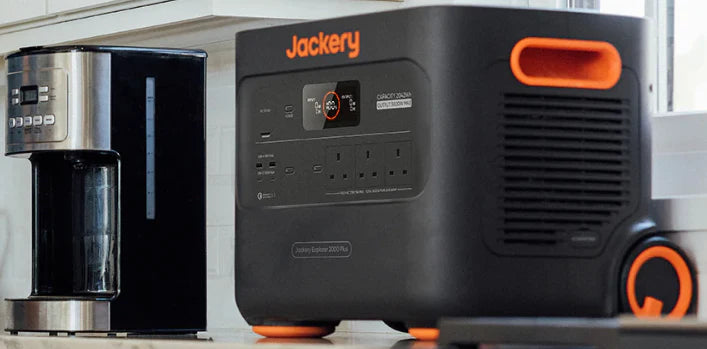
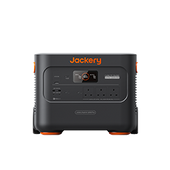
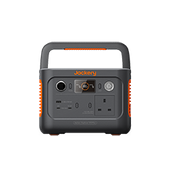
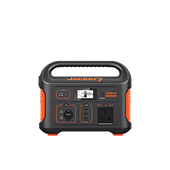
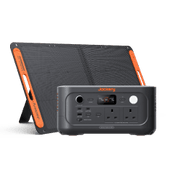
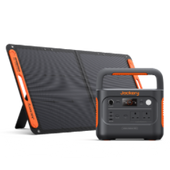
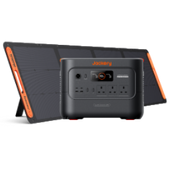
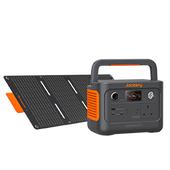
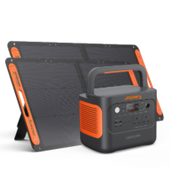
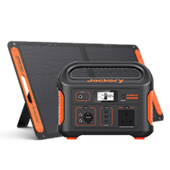
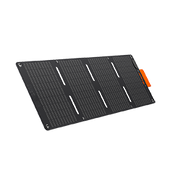
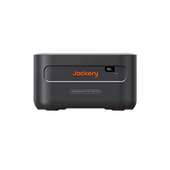
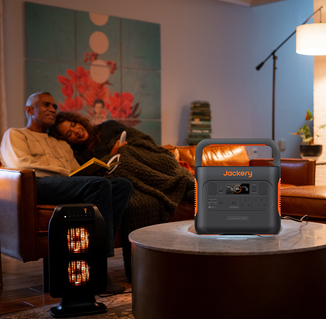
For those who rely on technology, keeping devices charged can be a challenge, especially given the frequent recharging required by smartwatches. The Jackery Portable Power Station offers a practical solution by keeping your wristwatch, phone, and other devices charged, whether you're at home, travelling, or outdoors, addressing one of the main hurdles for smartwatch users.
|
Key Takeaways: |
|
10 Reasons Not to Buy a Smartwatch
Smartwatches have swiftly become a must-have gadget in today’s tech-driven world, often promoted as the perfect blend of fashion and function. It's easy to see why they are so popular: they claim to monitor your health, provide fast alerts, and connect to other devices without any issues.
But before you decide to purchase one, it's a good idea to ask yourself this key question: Are smartwatches useful in daily life in the UK? In this section, we explore 10 reasons not to buy a smartwatch, helping you decide whether this popular wearable truly fits your lifestyle.

Reason 1: High Price Tags and Questionable Value
When evaluating the cost of smartwatches, pricing is often the first issue that stands out. Although there are budget-friendly options, many advanced smartwatches come with surprisingly high price tags.
Premium models can cost several hundred pounds or more. While these prices suggest additional features, most are already present on your daily smartphone.
For many users, the cost of a smartwatch does not always reflect the real value it provides. You may be paying mainly for convenience rather than necessity, especially when a traditional wristwatch or a lower-cost fitness tracker can offer similar functionality. This raises doubts among UK buyers who question whether smartwatches are worth it.
Reason 2: Short Battery Life That Disrupts Daily Use
Another major concern is battery life. Despite manufacturers' strong claims, many users find that smartwatches do not last as long as advertised. Most models require charging every one to two days, with feature-heavy versions often needing to be charged overnight.
Using functions such as GPS tracking, heart-rate monitoring, or music playback can drain the battery even faster. This frequent charging is a hassle compared to a regular watch that can run for years on a single battery. Over time, the need to regularly recharge might feel like a daily chore rather than a good thing.
Reason 3: Limited Functionality Compared to Other Devices
Smartwatches offer step tracking, heart-rate monitoring, notifications, and simple actions, but fall short compared to smartphones or specialised devices.
The small screen makes tasks such as browsing the internet, writing longer messages, or viewing detailed content more difficult. Many features also feel repetitive. If your smartphone can already do these things better, a wristwatch might start to seem like an extra instead of a must-have.
Reason 4: Constant Distractions on Your Wrist
A common issue is smartwatch distractions. Notifications from messages, emails, and social media can make it harder to focus.
While some people appreciate quick access to alerts, others find it overwhelming. If concentration is important to your daily routine, constant wrist notifications can interrupt your attention and reduce productivity. Over time, this steady flow of alerts may make it difficult to stay present in both work and personal situations.
Reason 5: Health Tracking That May Be Unnecessary
Health monitoring is often touted as a major benefit, but not everyone needs it. It's good to keep track of your steps, sleep habits, heart rate, and oxygen levels, but most people don't require this information all the time.
Another thing to consider is how accurate it is. Some people report that the readings aren't always correct, especially when they are really active. If you want accurate health statistics, you might be better off using a specialised fitness tracker or another device.
Reason 6: Compatibility Issues With Smartphones
Not all smartwatches operate well with all smartphones. A lot of them are designed to work best with certain operating systems, so if you switch devices, certain features or functions may not work as well.
When compatibility is restricted, the experience may seem broken. If a gadget lacks functionality or has synchronisation issues, it may be less useful than it could be and may seem less useful over time.
Reason 7: Limited Personalisation Options
Although smartwatches offer interchangeable straps and digital watch faces, personalisation options remain relatively limited. Compared to conventional watches, materials, forms, and overall appearance are often limited by the technology within.
For those who seek originality and timeless style, the lack of variation may be discouraging. Traditional watches continue to offer greater design flexibility and enduring aesthetic appeal.
Reason 8: Not Always Ideal for Telling the Time
Despite being a watch, checking the time is not always instant. Notifications, apps, and screen interactions can make a simple glance more complicated than expected. In some cases, you may need to tap or swipe just to see the time clearly.
A traditional watch focuses on a single purpose and does it efficiently. This simplicity makes it more practical when quick and distraction-free timekeeping is needed.
Reason 9: Comfort Issues During Long Wear
Comfort can become an issue with extended smartwatch use. Some users find the size, weight, or synthetic straps uncomfortable, especially during sleep tracking or long workdays.
Skin irritation and bulkiness can reduce wearability over time. For those who prefer a more natural and lightweight feel, a traditional watch often remains the more comfortable option.
Reason 10: Privacy and Security Concerns
Privacy is a growing concern for many users. Smartwatches collect sensitive data, including location, activity levels, and health information. Although security measures are in place, no device is completely risk-free.
For people who prioritise privacy, constant data collection may feel intrusive. The potential risk of personal information being accessed or misused can make some users hesitant to adopt wearable technology.
Are Smartwatches Useful?
Smartwatches have evolved significantly since their early versions. Even though the original models weren't particularly advanced, they were still considered smart watches because they had valuable capabilities and could be used every day. At first, they were mostly used as smartphone companions and activity trackers. They let people answer calls, read crucial messages, and check alerts right from their wrist.
Smartwatches offer a range of benefits that can improve convenience, health awareness, and connectivity. Below are some of the key advantages that make them appealing to many users.

Advantage 1: Instant Alerts and Messages
Checking notifications has become much easier with a smartwatch. Instead of repeatedly reaching for your phone, messages and alerts appear directly on your wrist, allowing you to stay informed at a glance.
This feature is especially helpful when you are expecting important communications or working in environments where phone sounds and vibrations are disruptive. Silent notifications can help you stay connected while remaining focused.
Advantage 2: Easy Call Management
Smartwatches enable consumers to manage phone conversations swiftly and effectively. Calls can be accepted or declined from the wrist, and the device can be paired with wireless earbuds or headsets to enable hands-free conversation.
In most situations, the wristwatch pairs with a nearby smartphone, while certain models have limited independent calling capabilities. This adaptability makes handling calls easier in hectic conditions.
Advantage 3: Modern and Stylish Design
In addition to functionality, smartwatches are designed to look modern and stylish. Customisable watch faces and interchangeable straps allow users to adapt the appearance to suit different outfits or occasions.
This combination of technology and personal style makes smartwatches appealing as both functional devices and fashion accessories.
Advantage 4: Reduced Smartphone Usage
Smartwatches can help reduce how often you use your phone throughout the day. Tasks such as checking notifications, controlling music, or viewing reminders can be handled directly from the wrist.
Although the smartphone still plays a central role, limiting unnecessary screen time can help preserve battery life and reduce digital distractions.
Advantage 5: Health and Fitness Monitoring
Health tracking is one of the most valued smartwatch features. These devices monitor daily activity, heart rate, and other wellness indicators, helping users stay aware of their physical condition.
The data provided can support healthier habits, encourage regular movement, and improve motivation. For many people, this ongoing feedback helps maintain an active lifestyle.
Advantage 6: Helpful Travel Support
Smartwatches are useful companions when travelling or navigating unfamiliar areas. Built-in GPS features provide directions and subtle alerts, reducing the need to constantly check a phone screen. This allows users to stay aware of their surroundings while still receiving guidance, making travel more comfortable and efficient.
Advantage 7: Personal Safety Features
Many smartwatches include safety-focused functions designed to offer reassurance. GPS tracking, emergency alerts, and movement detection features can provide support in unexpected situations. These tools can help users feel more secure, particularly when exercising alone or travelling in unfamiliar locations.
Advantage 8: Entertainment on the Go
Modern smartwatches support a variety of entertainment options. Users can listen to music, enjoy podcasts, or access simple media content while commuting, exercising, or relaxing. Some devices allow music to be stored directly on the watch, offering greater freedom without relying on a smartphone.
Advantage 9: Smart Home Control
When connected with compatible devices, smartwatches can act as a control centre for smart home systems. Users can adjust lighting, temperature, or security settings directly from their wrist. This level of integration adds comfort and convenience, making everyday tasks quicker and more intuitive.
Advantage 10: Contactless Payments and Access
Smartwatches support contactless payments via NFC, enabling secure transactions with a simple wrist gesture. They can also be used for public transport access or digital entry systems, reducing the need to carry physical cards or cash. This contactless functionality adds speed and convenience to daily routines.

Are Smartwatches Safe for Your Health?
Most people can wear smartwatches securely; the short answer is yes. These devices have very strict safety restrictions that keep electromagnetic field (EMF) radiation levels well below what is considered safe. Before smartwatches can be marketed to the public, they must pass a range of tests to ensure compliance with health and safety regulations worldwide.
The concerns people have about wearing a wristwatch usually exceed the ones they think are there. Monitoring your heart rate, tracking your exercise, and getting reminders to move may all help you develop healthier habits and live a more active life. Smartwatches may be a helpful tool for enhancing health and well-being when used correctly, not something to worry about.
Do Smartwatches Emit Harmful Radiation?
Bluetooth and other wireless technologies let smartwatches communicate with smartphones and other connected devices. These connections create low levels of electromagnetic fields (EMF), which makes people worry about possible health problems. Many people want to know whether this kind of radiation is harmful when used every day.
Recent studies show that smartwatches expose users to far lower levels of EMF than smartphones do. Many other typical household items, such as laptops and Wi-Fi routers, emit the same amount of electromagnetic radiation and are usually considered safe to use continuously. Because of this, most people think that the radiation from smartwatches is quite low. Just make sure their devices also meet international safety regulations for EMF emissions.
These rules ensure that wearable devices stay within safe exposure limits. As of now, there is little evidence to suggest that smartwatches pose a significant radiation hazard for most users when used as directed.

Do Smartwatches Pose a Health Risk?
Although smartwatches are generally considered safe, there are a few minor concerns that users should be aware of when wearing them regularly.
Prolonged wear may cause mild skin discomfort for some individuals. Sweat, friction, or tight straps can occasionally cause irritation, especially when the device is worn continuously throughout the day. Regularly cleaning the smartwatch and taking short breaks can help maintain comfort and skin health.
Sleep disruption is another concern reported by some users. Wearing a smartwatch to bed, particularly one with active notifications or vibrations, may affect sleep quality. To reduce potential disturbances, users can switch the device to aeroplane mode or disable alerts during the night.
Radiation exposure is often mentioned by people who are cautious about EMF levels. While smartwatch radiation is already very low, enabling aeroplane mode when the device is not actively in use can further minimise exposure and provide additional peace of mind.
Overall, when worn and used correctly, smartwatches present very little health risk for most users and can be safely incorporated into daily life.
Tips for Safer Smartwatch Usage
If you still have concerns about potential health effects, there are several simple steps you can take to stay comfortable and safe while continuing to enjoy the benefits of your smartwatch.
Limiting wear time can help reduce discomfort and unnecessary exposure. Removing your smartwatch during long periods of inactivity, such as when sleeping or relaxing at home, gives your skin a break and may improve overall comfort.
Using aeroplane mode is another effective option. When Bluetooth or Wi-Fi is not needed, switching the device to aeroplane mode can further reduce EMF exposure and may also help conserve battery life.
Maintaining good hygiene is important, especially for users who wear their smartwatch during exercise. Regularly cleaning the device and strap helps prevent sweat build-up and reduces the risk of skin irritation.
Monitoring alerts can also improve well-being. Turning off non-essential notifications, particularly at night, can minimise sleep disturbances and support better rest.
By following these practical steps, smartwatches can be used comfortably and responsibly in everyday life.
Keep Your Smart Devices Powered with the Jackery Portable Power Stations
Choosing a Jackery Portable Power Station, particularly the newer Explorer 500 v2 or 300D, is an excellent choice for smart devices like smartwatches because it provides a stable, "clean," and highly efficient power source that small electronics require.
Unlike cheap power banks or car inverters, Jackery units feature a Pure Sine Wave Inverter. This provides electricity identical to the wall outlets in your home. Smartwatches and high-end smartphones are sensitive to "dirty" power (Modified Sine Wave). Stable power protects the delicate internal circuitry of your devices and prevents overheating during charging.
Small devices like smartwatches draw very little current. Many generic power stations automatically shut off if they don't detect a "heavy" load, leaving your watch partially charged. Jackery Portable Power Stations are designed with intelligent power management that allows for low-wattage trickle charging.
Jackery Explorer 500 v2
Choosing the Jackery Explorer 500 v2 for your smart devices, like smartwatches and smartphones, is a smart move because it bridges the gap between a high-capacity generator and a precision charger.

Advanced USB-C Power Delivery (PD)
The Explorer 500 v2 features a high-speed 100W USB-C port. Most standard power banks or older power stations only offer basic USB ports that trickle-charge. can charge modern smartwatches and phones at their maximum "fast-charge" speeds, often getting a watch from 0% to 80% in under 45 minutes.
Charging via USB-C is more efficient than using an AC wall brick because it avoids the energy loss that occurs when converting battery power to AC and back again.
Smart Management for Low-Power Devices
A major frustration with large batteries is "auto-shutoff"—the unit turns off because it doesn't think a tiny smartwatch is actually there. The v2 has a specialised auto-shutoff threshold. It only powers down if the USB draw is less than 2W for 6 hours. This ensures your watch actually reaches 100% charge without the Jackery timing out halfway through the night.
Pure Sine Wave Safety
Smartwatches are highly sensitive to voltage fluctuations. The Explorer 500 v2 uses a Pure-Sine-Wave inverter. This provides electrical output just as clean and stable as your home wall outlet, protecting the expensive internal circuitry of your Apple Watch, Garmin, or Pixel Watch from "electrical noise."
LiFePO4 Battery Longevity
The shift to LiFePO4 (LFP) chemistry in the v2 model is a game-changer for daily device users. You can charge your smart devices daily for over 10 years before the battery capacity drops significantly. It is rated to discharge at temperatures as low as -20°C, meaning your watch won't go uncharged even on a freezing morning in the UK.
Jackery Explorer 300D
The Jackery Explorer 300D is highly suitable for powering smart devices like smartwatches because it is a DC-only power station that eliminates the energy-wasting AC inverter. This design makes it exceptionally efficient for small tech devices, as it avoids the "conversion loss" typically encountered in larger power stations when charging low-draw devices.

High Efficiency for Small Loads
Traditional power stations often lose significant energy just by keeping their AC inverter on. The 300D runs entirely on direct current (DC), which is what smartwatches, phones, and laptops use, ensuring more of the battery's 288Wh capacity (equivalent to up to 9 power banks) actually goes into your device.
Multiple Charging Ports
It features three USB-C ports (up to 140W) and one USB-A port (15W), allowing you to charge your smartwatch alongside a phone and laptop without needing multiple wall adapters.
Extreme Portability
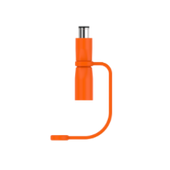
Just 2.5 kg and up to 56% smaller, the DC Explorer 300D is easy to carry with one hand. It’s up to 64% smaller and 39% lighter than industry-average AC power stations of the same capacity. The carrying handle is actually a detachable 140W USB-C cable that supports fast charging and data transfer, meaning you have one less cord to pack.
Silent Operation
Because it lacks an AC inverter and a cooling fan, it operates at near 0 dB, making it perfect for charging devices overnight in a quiet tent or workspace. Specifically designed with a regulated 12V socket that provides stable power for the Starlink Mini and portable fridges.
FAQs
The following are frequently asked questions about the reasons not to buy a smartwatch.
1. What Are the Negative Effects of Smartwatches?
Smartwatches are generally safe, but they can have a few minor drawbacks for some users. Common negative effects include skin irritation from prolonged wear, especially if the strap is too tight or hygiene is poor. Some users also report sleep disruption when wearing a smartwatch overnight due to vibrations or notifications.
Another concern is digital distraction. Constant alerts can interrupt focus and increase screen dependency. While smartwatches emit low levels of electromagnetic fields (EMF), these are typically far below recognised safety limits. Overall, the negative effects are usually linked to how the device is used rather than the technology itself.
2. What Do Doctors Think of Smartwatches?
Most medical professionals view smartwatches as helpful supplementary tools, not medical devices. Doctors generally support their use for encouraging physical activity, monitoring heart rate trends, and increasing awareness of overall health habits.
However, doctors also caution against relying solely on smartwatch data for medical decisions. While the information can be useful, it should not replace professional diagnosis or treatment. When used responsibly, many healthcare professionals agree that smartwatches can play a positive role in preventive health awareness.
3. Can a Smartwatch Affect Nerves?
There is currently no strong scientific evidence to suggest that smartwatches directly affect nerves. The EMF radiation emitted by smartwatches is very low and well within international safety standards.
That said, wearing a smartwatch too tightly for long periods may cause temporary discomfort, pressure, or tingling sensations, which are mechanical rather than neurological issues. Adjusting the strap fit and taking regular breaks usually resolves this. For most users, smartwatches do not pose a nerve-related health risk.
4. What Are the Advantages and Disadvantages of Smartwatches?
Smartwatches offer many benefits, such as letting you know right away when you get a message, monitoring your health and fitness, letting you pay without touching your phone, helping you find your way, and letting you control your smart home. They can make things easier, get people moving, and reduce the need to use cellphones for simple tasks.
On the other hand, downsides include short battery life, high prices for more sophisticated versions, potential distractions, and limited functionality compared to smartphones. Some users may also experience comfort or compatibility issues. Smartwatches are only worth purchasing if they fit your lifestyle, priorities, and how you want to use them.
Final Thoughts
Smartwatches are useful for measuring fitness, staying connected, and being convenient, but not everyone needs one. You can make a clear decision about whether to purchase a smartwatch by considering the 10 reasons not to.
A reliable portable power source is quite important for those who use smart gadgets every day. The Jackery Portable Power Station keeps your phone, wristwatch, and other devices charged no matter where you are, while you're camping, touring, or at home. In the end, knowing both the pros and cons lets you use smart technology in a safe, comfortable, and responsible way.