




























You need more than just a tent to plan a trip; you also need a way to remain in touch. Having the correct camping extension cable is important for safety and performance. This article will show you all the technical standards you need to know, from how to protect your equipment from the weather to how to measure cables.
We will also talk about how modern power stations like the Jackery Portable Power Stations can work with your setup to provide you the freedom to power your appliances with complete confidence and convenience.
|
Key Takeaways: |
|
l Choosing a high-quality camping extension cable that fulfils UK safety regulations will keep your appliances and other campers safe from electrical problems. l The thickness of the wire inside is the most important thing that decides how much power can be sent securely without the risk of overheating. l All plugs and couplers must meet the BS EN 60309-2 criteria. They usually have the blue industrial connections that show they can be used outside at 230V. l Adding a Jackery Portable Power Station to your setup makes sure that a solid backup works perfectly with your current lines, giving you the most flexibility. l The UK standard for safety and performance for distances of 25 metres or less is a conductor size of 2.5 mm2. l If a setup has a run longer than 25 metres, it is typically essential to switch to a heavier-sized conductor, like 4 mm2, to make up for the voltage drop. |
Why Your Indoor Extension Cord Will Not Cut It for Camping?
It's easy to want to grab any conventional household lead, but a regular 240V domestic connection just isn't made to meet the needs of a portable power system. When choosing a camping extension cable, you need to be very careful to make sure it is safe and works well.
The Impact of Voltage Drop
The fundamental problem with outdoor power systems is still voltage drop. The longer electricity has to travel along a wire, the more voltage it loses along the way.
This loss has a far bigger effect on a 12V system than in a normal household setting. Even a small drop in power can cause a fridge to stop working completely because the system thinks the battery is dead.
Importance of Wire Thickness and Gauge
Wires that are thicker have less resistance, which means that the voltage lowers less. Most household wires are just too small to handle the amperage that outdoor gear like portable freezers and inverters need. If the connection isn't thick enough, customers could lose a lot of power or possibly have harmful heat build up.
Durability in Tough Conditions
Campsites can be tough places that need unique gear. For a power system to work well, it needs a strong outer layer that can handle dirt, sharp pebbles, and wet weather. Standard home cords are made for use on the living room floor and don't have the weatherproof strength needed to work safely outside.
Which Extension Cable For Camping?
Choosing the right electrical gear is quite important for a safe and useful time outside. Campers need to think about a few important things when it comes to the cables and extension leads that connect the power source to their camper van, caravan, or motorhome to make sure they work. British safety rules are very strict when it comes to outdoor power. Because of this, the technical specifications of a camping extension cable are the most crucial thing to think about when setting up a campsite.
Requirements for Camping Cable
UK electrical laws say that the power source and the car must be connected by a thick rubber hose line (H07RN-F). This harmonised code lists a cable that is made to handle a lot of mechanical stress and exposure to the elements. A rubber cable protects against petrol, oil and other liquids. Driving over it is safer than driving over hard plastic cables.
Also, rubber doesn't break down or become porous over time like hard plastic does. It also doesn't get damaged by UV rays or the weather. The wire diameter of the cable must be at least 2.5 mm2 in order to connect a caravan or motor home with a rated current of 16 A. Smaller diameters are not allowed on outdoor campgrounds because they make it more likely that the equipment will overheat and the voltage will drop too low.
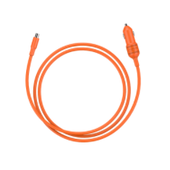
Using coloured cables, like orange for power supply at the campground, makes things safer and helps you avoid tripping hazards. This makes the line easy to see against grass or mud, which lets other people on the site know that there is a live power line and keeps them from accidentally damaging it.
Choosing the Right Gear: Your Power Extension Checklist
All plugs and couplers must meet BS EN 60309-2 criteria. They usually have blue industrial connectors that show they can be used outside at 230V.
The whole thing should have an IP44 rating at the very least, which means it can handle splashes and things that are bigger than 1mm.
To reach the site bollards while keeping resistance within an acceptable range, the cable should not be longer than 25 metres, plus or minus 2 metres.
The law says that the cable must be one long piece. You should never connect more than one lead together to get to a power source. This makes the circuit more risky and makes the electrical resistance much higher.

How Does a Camping Extension Cable Work?
A camping extension cable connects a short power connection to a mains outlet, effectively delivering electricity over a distance to power numerous gadgets. These leads are available in a wide range of lengths, from a few metres to 30 metres. It is strongly advised not to link two separate cables together, as this can result in a considerable reduction in amperage and overall power efficiency.
Every extension cord has three main parts: the socket (female), the cord itself, and the plug (male). The socket is where the user connects a wire from a gadget or appliance, and the internal cable conducts electrical current. Finally, the plug connects to the primary power supply. The cord's thickness determines how much electrical current the lead may safely carry without overheating.
When managing power connections, it is critical to use a three-prong connector with a matching three-pronged power outlet. This setup establishes the necessary earth connection for safety. While a three-prong outlet can technically accommodate a two-prong plug, using the proper grounded equipment is always the safest choice for outdoor locations to keep the system protected from faults.

Selecting the Right Camping Extension Cable for Your Power Demands
To get the right camping extension cable for a certain configuration, you need to make sure that the lead can handle the overall electrical power of the appliances being used.
A cable should be able to handle a load that is at least as big as, and ideally bigger than, what the equipment needs. Most camping hook-ups in the UK provide a 16A supply. If you use a lead that is not strong enough for your gadgets, they may not work as well, overheat, or even be dangerous.
Understanding Gauge and Distance
The most important thing that decides how much electricity can be safely sent is the wire's gauge, or thickness. When choosing a lead, keep in mind that the longer the run, the more resistance there will be in the wire. The UK standard for safety and performance for distances of 25 metres or less is a conductor size of 2.5 mm2.
If a setup has a run longer than 25 metres, it is typically essential to switch to a heavier-sized conductor, like 4 mm2, to make up for the voltage drop. The wire's natural resistance causes this drop, which can stop sensitive devices like portable fridges from getting enough continuous power to work properly.
Calculating Your Required Load
The best way to ensure your setup is safe is by calculating the total wattage of the items you plan to power simultaneously. You can determine the current draw by using the formula: Amps = Watts \ Volts. For example, a 2000W travel kettle on a UK 230V system draws approximately 8.7A.
Light-duty needs: Suitable for basic LED lighting or mobile phone chargers.
Medium-duty needs: Required for laptops, small televisions, or camping fridges.
Heavy-duty needs: Essential for high-draw appliances like electric heaters, kettles, or hair dryers.
By ensuring the total load remains below the rating of the lead (typically 13A or 16A), you prevent the cable from becoming a fire risk.
The Importance of Colour and Visibility
Some people might think that the colour of a lead shows how much power it can hold, however colours are mostly used for looks and safety, not for technical ratings. Bright yellow or orange cords are often used in rough areas because they are easier to see against the grass or mud.
This great visibility is a safety feature that keeps people from tripping or getting hurt by vehicles and maintenance equipment on the site. On the other hand, black or white wires are sometimes used inside to match the style of the home, but they are not often strong enough for outdoor power setups.

How to Get Power at the Campsite?
Once you know how the system works, getting power for a caravan, camper, caravan or trailer is easy. Most campgrounds in the UK include distribution boxes or electrical pillars near each pitch that provide power. The first thing to do after parking the car and levelling it is usually to connect it securely to the site's main power source.
Understanding the CEE Connection
The CEE system is the most popular type of power supply at modern campgrounds. The blue colour of CEE sockets makes them easy to spot. This colour means that the voltage range is 200V to 250V.
There are two kinds of connectors you might find in a conventional distribution box: blue industrial CEE sockets and regular earthed wall sockets like the ones you find in homes.
Earthed wall sockets work the same way as regular household outlets, however CEE 230V sockets only work with specific CEE 3-pin plugs. People commonly call this blue plug a "caravan" or "camping" plug because it is made to be used outside all the time.
The three long contact pins make sure that the connection is safe and stable, even when there are vibrations and motions that happen in mobile surroundings.
Connecting Your Vehicle Safely
A high-quality camping extension cable connects the campsite's pillar to the vehicle's input socket to provide power to your setup. When you put the 3-pin CEE plug into the blue socket, electricity starts to flow. This charges the vehicle's batteries and powers all of the electrical devices on board at the same time.
One of the most important things about this way of connecting is that it is safe. The blue CEE plug can handle continuous currents of up to 16A while still providing a high level of protection. The built-in cover keeps dirt and water from getting into the electrical contacts, which is what the UK requires for safe outdoor use (IP44 classification).
Campers may be sure that they will have a reliable and weatherproof power source for the whole time they are there by following this standard hookup technique.
Staying Safe: The Dos and Don'ts of Your Camping Extension Cable
When working with electricity outside, safety should always come first. A little planning and care may make sure that a camping trip is safe and comfortable.

Essential Practices for Power Safety
Taking a few proactive procedures will greatly lower the chance of electrical failure and keep the power flowing to your equipment.
Regular Checkups and Upkeep
Before each trip, you should check the camping extension cord. To stop electrical problems, it's important to look for cuts, scrapes, or exposed wiring. Never use electrical tape to fix a broken plug or frayed cable. The only safe thing to do is to replace the broken gear.
Moisture Protection and Connectivity
It is just as critical to keep all plugs and connections dry and out of the rain. Using splash-proof covers on connectors is a great method to keep things dry and safe. Upgrading to secure, locking industrial connectors will fix the problem of a loose connection where a plug might fall out of the socket overnight. This will give you complete peace of mind and a far more stable connection for outdoor use.
Cable Management and Load Awareness
To keep people from getting hurt, cables should be secured and routed in places where they won't trip other campers. Use a special cable cover or high-visibility tape if a lead has to cross a walkway. Also, knowing how much electricity each appliance uses makes ensuring that the circuit doesn't get overloaded above its safe rated capacity.
Critical Safety Risks and Pitfalls to Avoid
The easiest approach to keep equipment from getting too hot and breaking is to know what the most typical mistakes are that people make while setting it up.
Daisy-Chaining and Coiling Are Dangerous
You should never "daisy-chain" by connecting one lead to another. This makes the voltage decrease a lot and is a big fire danger. Always utilise just one lead of the right length instead. Also, when a lead is under a lot of stress, like when it is powering a heater or refrigerator, it shouldn't be left tightly coiled on a reel. This can trap heat, which could cause the insulation to melt.
Inadequate Cable Gauges
A lot of campers have problems when they use the wrong or thin connections for chores that need a lot of power. Using a thin, low-quality cable to power a compressor fridge over a long distance typically causes the appliance to turn on and off or show error messages because the voltage drops. To fix this, you should always use a lead with the right gauge for the device's amperage.
Environmental Hazards
Never run cables through puddles or standing water. When water and electricity mix, they can cause short circuits or electric shocks. Setting up a power system the right way is a must for any outdoor trip to go well.
Buying high-quality, suitably graded equipment will make sure it lasts a long time. Before you go on your next vacation, take a moment to check the quality and condition of all the power leads. This will make sure that everything goes smoothly.
Enhancing Your Camping Setup with Jackery Portable Power Stations
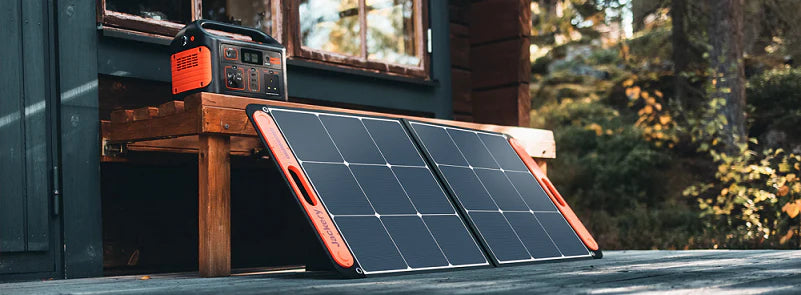
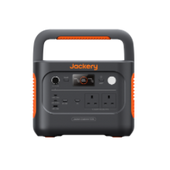
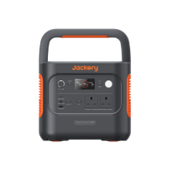
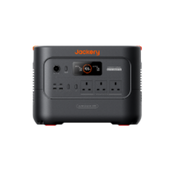
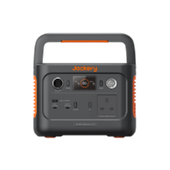
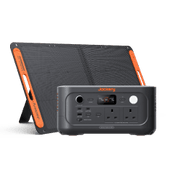
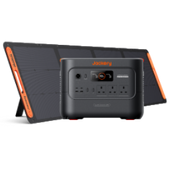
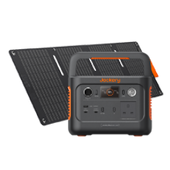
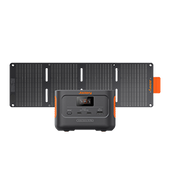
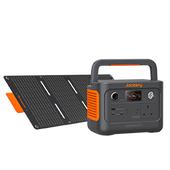
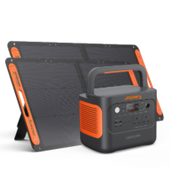
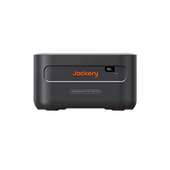
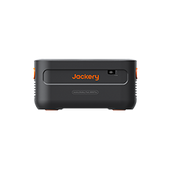
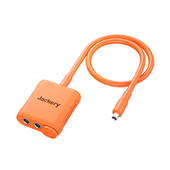
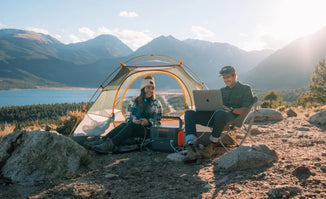
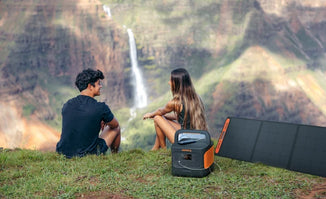
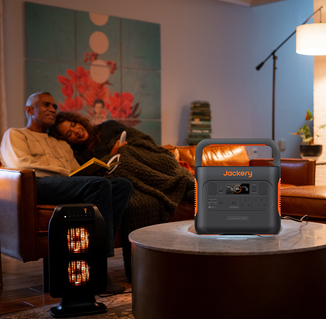
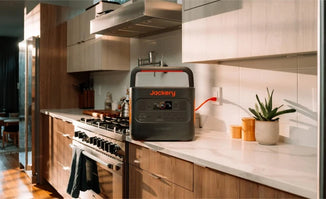
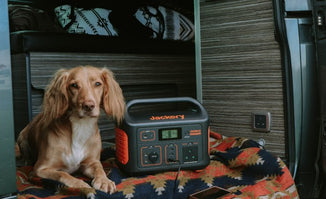
A good camping extension cord is necessary to connect to the site's mains, although many modern campers are choosing to be more independent by using portable power stations. The Jackery Portable Power Station is a reliable and strong option for people who want to power gadgets that use a lot of electricity or camp away from typical hook-up pillars.
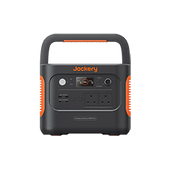
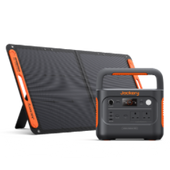
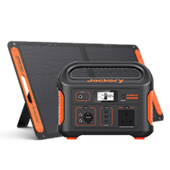
Jackery Explorer 1000 v2
If the the 2000 v2 is for heavy caravan use, the Jackery Explorer 1000 v2 is the definitive choice for classic UK camping (tent, small van, or weekend car trips). It hits the "sweet spot" of being powerful enough to run real appliances while remaining genuinely easy to carry.

The "Goldilocks" Portability
While higher-capacity units can be a struggle to lift, the 1000 v2 is specifically designed for one-handed transport. It weighs just 10.8 kg, making it roughly 40% lighter than its 2kWh sibling. The new flush-mount handle allows you to stack gear on top of it in a cramped car boot—a small but vital detail when packing for a trip to the Lake District or Cornwall.
High 1,500W Output for "Creature Comforts"
Most "1000-class" power stations are limited to 1,000W. The v2 leapfrogs this with a 1,500W continuous output (and 3,000W surge). In a UK campsite, this means it can run most Nespresso or pod machines (typically 1,200W–1,400W). It can power a small travel induction hob or an air fryer for a quick meal when you don't want to mess with damp firewood or gas canisters.
Whisper-Quiet for Tent Life
Campsite etiquette is big in the UK, and nothing ruins a quiet night like the hum of a fan. In its silent charging mode, it operates at under 22dB (quieter than a whisper). This makes it perfect for keeping inside a tent to power a CPAP machine or charge phones overnight without the noise disturbing you or your neighbors.
1-Hour "Emergency" Recharge
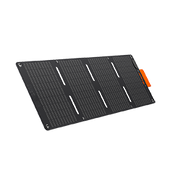
UK campers often face the "one hour of sun" problem. If you’re relying on solar or a quick stop at a café. Using the Jackery app, you can enable a super-fast charge mode that takes the battery from 0% to 100% in just 1 hour via a wall socket. It supports up to 400W of solar input, which is enough to fully top up the unit during a typical (if lucky) British summer afternoon.
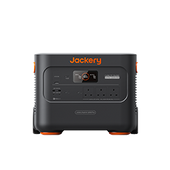
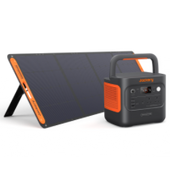
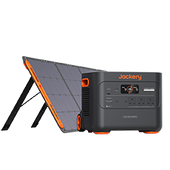
Jackery Explorer 2000 v2
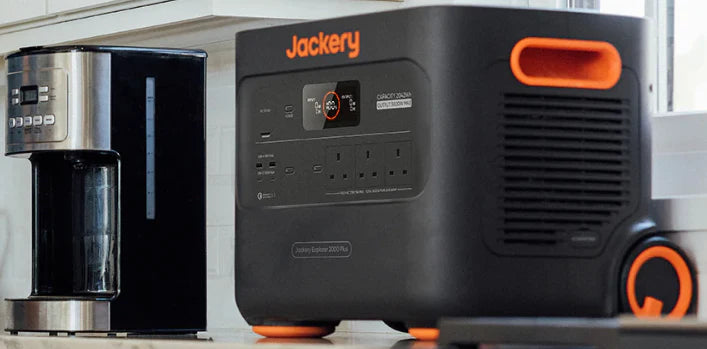
The Jackery Explorer 2000 v2 is a game-changer for UK camping because it provides "luxury-level" power capacity in a frame that is significantly more portable than traditional 2kWh units. It is designed for campers who want to run high-wattage appliances—like a hair dryer or coffee machine—without the bulk of a permanent van installation or the weight of an industrial-grade battery.

Unrivalled Power-to-Weight Ratio
For a station with a massive 2042Wh capacity, the 2000 v2 is surprisingly nimble. At just 38.6 lbs, it is roughly 41% smaller and 35.6% lighter than the Jackery 2000 Plus or most competitors. This makes it much easier to lift into a car boot or carry from a car park to a remote campsite pitch. With its foldable handle and compact dimensions (13.2 × 10.4 × 11.5 in), it tucks away easily in a packed car, leaving more room for your tent, chairs, and coolbox.
High Output for Home Comforts
UK campers often have to deal with chilly mornings and damp evenings, leading to a reliance on "power-hungry" comforts. 2200W AC output: This unit can handle 99% of your home appliances. You can run a full-sized electric kettle, a microwave, an electric grill, or even a portable air conditioner or heater. Massive surge (4400W): The high surge capacity ensures it can start up appliances with compressors, like larger camping fridges or even professional power tools if you’re doing site work.
Hyper-Fast Charging for Spontaneous Trips
In the UK, when the sun finally comes out, you want to leave immediately. The 2000 v2 ensures you aren't waiting half a day for your battery to charge. 1.7-Hour wall charge: You can fully charge the massive 2042Wh battery from a standard UK outlet in less than two hours. Emergency Super Charge: Via the Jackery app, you can boost this to reach a full charge in roughly 1.33 hours, making it perfect for last-minute "pack-and-go" scenarios.
Advanced LiFePO4 Safety & Longevity
Safety is paramount when sleeping in close proximity to your power source in a tent or campervan. Using LiFePO4 (Lithium Iron Phosphate) cells, the unit is rated for 4,000+ charge cycles. Even with heavy use, it will remain a reliable part of your camping kit for over a decade.
FAQs
The following are frequently asked questions about the camping extension cable in the UK.
1. Can I use a regular extension cord at a campsite?
Site wardens usually say not to do that, and sometimes they even stop you from doing it. Standard indoor leads don't have the weatherproofing and robust rubber insulation they need to handle moisture, UV rays, and mechanical stress. To safely connect to a site bollard, you need to utilise a camping extension cable with the right industrial connectors.
2. What size extension cord for camping?
A normal UK camping lead is 25 metres long. This length is usually enough to get to the power pole from your pitch without making the electricity flow too slowly. The standard thickness for a conductor cross-section is 2.5 mm2. This is to make sure the cable can take a 16A load without getting too hot.
3. What electric cable do I need for camping?
You require a strong three-core cable with H07RN-F rubber insulation. This kind is made to be flexible in cold weather, resistant to grease, and resistant to flames. To suit conventional campsite distribution boxes, the cable needs to have a blue 3-pin CEE plug on one end and a similar connector on the other.
4. What should never be plugged into an extension cord?
Be very careful when using high-wattage appliances that create heat. If you use electric space heaters, portable air conditioners, and big kettles at the same time, they can quickly overload a lead. You should also never plug another extension lead into the original one since this is called "daisy-chaining" and it makes the risk of fire much higher.
5. Why do firemen hate extension cords?
Fire departments often say that extension cords are a major source of fires in homes and on camping trips. This commonly happens when cables are buried under carpets, left tightly coiled while in use, or overloaded with too many gadgets. When heat can't escape, the insulation melts, which causes short circuits and quick fire spread.
Final Thoughts
If you know how to set up your outdoor power correctly, you may spend more time generating memories and less time fixing things. You can keep your appliances and other campers safe by choosing a high-quality camping extension cable that fulfils UK safety regulations. If you want the most versatility, adding a Jackery Portable Power Station gives you a stable backup that works perfectly with your current lines. The key to a good trip is to get ready.