




































Getting ready for a journey means following complicated security requirements. A typical issue for many travellers is whether phone chargers may go in their hand luggage.
UK airline rules say that you may bring both charging cords and wall plugs in your carry-on luggage. You won't lose these important things in checked baggage if you have them with you, and you may use the charging connections on board.
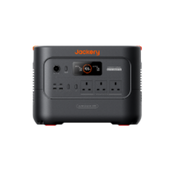
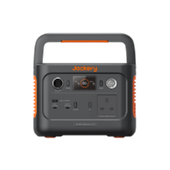
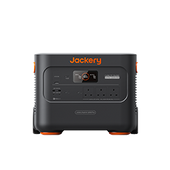
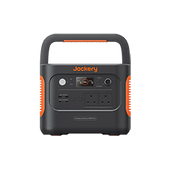
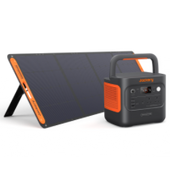
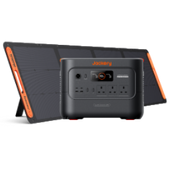
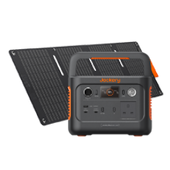
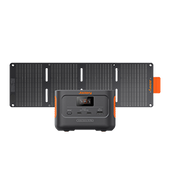
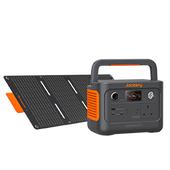
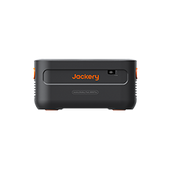
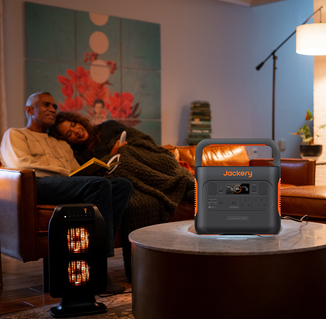
The Jackery Explorer 100 Plus is a great travel buddy for those who need additional power. It charges quickly and yet meets all aircraft safety standards, so your gadget is always ready to use.
|
Key Takeaways: |
|
Can You Carry Phone Chargers (Cables and Adapters) in Hand Luggage?
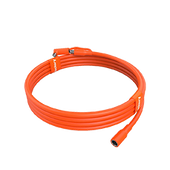
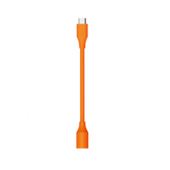
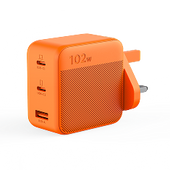
When getting ready for a journey, many people worry whether they should put their phone chargers in their hand luggage or their carry-on. You may put charging cords and phone adapters in any kind of luggage since they don't include lithium batteries or other harmful substances. But the Transportation Security Administration (TSA) and UK aviation officials say that travellers should retain them in their hand luggage so they can get to them more quickly and to prevent losing or damaging them.
Keeping these things in your carry-on also makes the security check go faster and keeps you from having to wait at the airport. Also, having your gear easily available lets you utilise onboard power outlets, which are becoming more frequent on contemporary planes. Cables and plugs are not dangerous since they are not alive, but they are much more helpful when they are easy to get to. Yes, you can put phone chargers in your carry-on bag. In fact, that's the best way to pack them.
Hand Luggage Restrictions at UK Airports
The UK government says that travellers may bring a lot of different electronic gadgets and electrical goods in their cabin luggage. When thinking about whether phone chargers may travel in hand luggage, it's crucial to know the restrictions that apply at UK security checkpoints:
Device Readiness: Security may ask travellers to switch on their electronic gadgets, including phones or tablets, to show that they work. You may not be able to bring a gadget onboard the plane if it isn't charged and can't turn on.
Power Access: Travellers should make sure their gadgets are fully charged before they arrive. If you're concerned about your battery dying while you wait for a long time, remember that you may bring phone chargers in your carry-on bag. This means you can use charging stations in most UK departure lounges.
Scanner Technology: A lot of UK airports are updating to next-generation CT scanners that let big gadgets remain in baggage. However, a lot of them still need laptops and other big electronics to be put in separate trays.
Airline Specifics: The UK government establishes the minimum safety requirements, but each airline, like Jet2, may have its own rules on the size and weight of cabin bags. It is usually a good idea to check whether phone chargers may go in your carry-on bag, especially if you are travelling with Jet2. This is to make sure your bag meets their standards for overhead lockers.

Can You Carry Portable Phone Chargers (Power Banks) in Hand Luggage?
Many travellers continue to ask if phone chargers, even if they are power banks, can be included in hand baggage. The answer is yes, with certain restrictions. These handy gadgets include lithium-ion batteries, which are classed as potentially harmful if not handled properly, particularly during air travel.
Spare lithium batteries, such as power banks or portable chargers, must be transported in hand luggage and not checked baggage. This is because power banks may cause fires. Keeping them in the cabin enables flight personnel to respond swiftly if a problem occurs.
Where Should I Put My Power Bank On The Plane: In My Suitcase or In My Hand Luggage?
For safety concerns, power banks should only be carried in hand baggage while travelling. A portable charger's lithium-ion battery has the potential to spark a fire if a short circuit occurs. Although such incidents are rare, fires are more likely to be detected in the cabin than in the cargo hold. Ensure your safety by bringing your battery pack on board in your hand baggage.
Power Bank Capacity Limits
Watt-hours (Wh) are the units used to measure the amount of energy stored by power banks. There are restrictions on the maximum capacity of your power bank.
Power Banks Below 100Wh
These are perfectly acceptable to carry in as hand baggage and do not need any further permission. This category includes most conventional power banks, such as those used to charge phones and tablets.
The Explorer 100 Plus has a capacity of 99.2Wh, which is just below this limit. Power banks and lithium batteries are NOT allowed in checked baggage. They must be carried in hand luggage only
Power Banks Range from 101Wh to 160Wh
These are still permitted in the cabin, but you must get airline clearance before flying. Each passenger is normally permitted to bring up to two of these, as long as they are properly covered and packed. These bigger chargers are often used by professionals to power cameras, drones, and other high-tech devices.
Power Banks above 160Wh
Such large power banks are not permitted on passenger flights. They are regarded too risky and are often utilised for heavy-duty equipment or camping setups rather than ordinary travel.

Airline-Specific Restrictions for Power Banks
As previously stated, the majority of airlines will allow you to transport an appropriate power bank in your hand baggage. However, not all airlines allow the active use of portable power banks to charge electronic devices while in flight. The following will provide you a quick summary of different airlines' rules:
Airlines That Allow The Use Of Portable Chargers Onboard
The following airlines often allow customers to carry and utilise (i.e., charge gadgets using) power banks—often with visibility or positioning requirements:
British Airways
Ryanair
Easyjet
Jet2
Air France
Southwest Airlines (U.S.)
American Airlines
Delta Airlines
United Airlines
Japan Airlines
Airlines That Allow Carriage Only
These airlines allow you to carry power banks on board but restrict their usage during the flight:
Brussels Airlines
Lufthansa
Emirates
Qantas
Malaysia Airlines
Singapore Airlines
EVA Air
China Airlines (Taiwan)
Thai Airways
Cathay Pacific
AirBusan / South Korean Carriers
AirAsia
Korean Air
Asiana
Tigerair Taiwan
Starlux
|
Airline / Region |
Carry-On Allowed? |
In-Flight Use Allowed? |
|
Southwest (USA) |
Yes (visible use required) |
Yes, if visible (no hidden in bags). |
|
Most US & European carriers (A, D, U, etc.) |
Yes (under IATA limits) |
Generally allowed; Lufthansa bans charging. |
|
Japan Airlines |
Yes |
Allowed, with visibility rules. |
|
Singapore Airlines / Scoot |
Yes |
Prohibited from April 1, 2025. |
|
EVA Air, China Airlines (Taiwan) |
Yes |
Prohibited in-flight. |
|
Thai Airways |
Yes |
Prohibited in-flight. |
|
Cathay Pacific & HK Airlines |
Yes |
Prohibited, plus no overhead bin. |
|
South Korean carriers (AirBusan, etc.) |
Yes (on person) |
Prohibited and no overhead storage. |
|
AirAsia, Korean Air, Asiana, etc. |
Yes |
Prohibited in-flight. |
|
Emirates |
Yes (one <100 Wh) |
Prohibited from October 1, 2025. |
|
Qantas |
Yes |
Not recommended, effectively discouraging use. |
|
Brussels Airlines, Lufthansa |
Yes |
Prohibit charging/use. |
|
Malaysia Airlines |
Yes |
Prohibit use and overhead storage. |
(Source: Flight Right)
Can You Use a Phone Charger or Power Bank During Your Flight?
Yes, a phone charger or power bank may be used on domestic flights and many international routes. Most contemporary aeroplanes, particularly in luxury cabins, are outfitted with USB charging ports or power outlets at each seat. These amenities are becoming available in economy class seats. If an in-seat outlet is provided, you may use it to charge your phone throughout the trip.
However, if no outlet is available, a power bank may be utilised throughout the flight, however higher safety regulations apply. To lessen the danger of fire, airlines may ask customers to have power banks visible, such as on the tray table, rather than hidden within bags or pockets. This enables flight crews to act swiftly if the power bank overheats or fails.
While most domestic and international airlines allow the use of power banks, others completely prohibit them or limit how they are kept on board. Airlines include Air Busan, EVA Air, China Airlines, Thai Airways, Korean Air, Asiana Airlines, Starlux Airlines, Scoot, Singapore Airlines, and Cathay Pacific restrict the usage of power banks on board and do not allow them to be kept in overhead bins.
Whether utilising a charger or a battery bank, you may be required to disconnect or store your electronic devices during taxiing, takeoff, and landing, and then resume usage once the aircraft reaches cruising altitude.
How Many Power Banks Can I Carry In My Hand Luggage?
How many portable battery packs are permitted in carry-on luggage? The International Air Transport Association (IATA) recommends that travellers adhere to the following principles when flying:
Two power banks per person are permitted in carry-on baggage.
These cannot exceed the maximum limit of 100 Wh (watt-hours) per individual.
Can I Charge My Portable Power Bank On The Plane?
In most circumstances, it is safe to charge your portable charger on the aircraft as long as you adhere to the laws and limits. Most airlines provide in-flight charging for electronic devices such as cellphones, tablets, and power banks. You may use your battery pack to charge electrical gadgets aboard the aircraft, but keep it turned off during takeoff and landing. It is also critical to check the power bank's temperature to avoid overheating.

Can I Charge My Power Bank While Flying?
Yes, you may charge your portable charger on the plane as long as you don't use it during takeoff or landing. However, it is important to check the temperature of the power bank and ensure that it is not subjected to extreme heat.
Why Can't You Bring a Power Bank On The Plane?
Portable chargers are allowed on aeroplanes, but only in carry-on luggage. Power banks may NOT be carried in checked baggage (baggage compartments) because they might jeopardise security. In the passenger area, luggage is constantly watched, but in the normal baggage compartment, no permanent inspection is assured. A short circuit and subsequent fire might jeopardise the overall safety of the aircraft.
The scenario is fundamentally different for the power pack in hand luggage: Many air travellers bring their purse with them or glance about attentively throughout the journey. Furthermore, the flight attendants and service workers are constantly attentive and concerned with the guests' well-being. If a fire occurred, it would be detected instantly. The extinguishing procedures on board would be enough to battle and eradicate the threat at an early stage.
These explanations are based on suggestions from the International Air Transport Association (IATA), the umbrella organization for most airlines. The IATA Lithium Battery Shipping Regulations (LBSR) provide guidelines for the shipment of different battery types. Although these suggestions are not hard and fast standards, most airlines adhere to the IATA norms or even set tougher requirements for their own carriers.
Tips to Pack Phone Chargers and Power Banks
Packing your chargers and power banks properly might assist guarantee a pleasant travel.

Tip 1: Ensure Chargers Are Easily Accessible
Place your charging cords and adapters in a tiny bag or tech organiser in your hand luggage. This not only minimises tangling, but also allows you to rapidly recover them for security checks or in-flight usage.
Tip 2: Utilise a Separate Electronics Pouch
Consider utilising a small electrical casing. These often have various compartments to hold cables, wall adapters, earbuds, and even tiny power banks, reducing the possibility of losing anything or harming your equipment.
Tip 3: Label Your Cables
If you're travelling with numerous individuals or devices, labelling your cords might help avoid confusion. Use tiny cable tags or colour-coded ties to easily identify each one.
Tip 4: Check The Airline-Specific Rules
While most airlines adhere to international criteria, others have tougher policies regarding power bank use and storage. Before departure, always check your airline's official website to confirm the most recent battery limitations, restrictions, or permissions for higher-capacity units.
Tip 5: Carefully Pack Spare Power Banks
If you're travelling with more than one power bank (particularly if each is close to 100 Wh), be sure they're all under acceptable airline limits. Store them separately in your carry-on, ideally with protective sleeves, to minimise inadvertent activation or damage.
Tip 6: Avoid Overloading Carry-On Bags
If your luggage is too full, electronics and chargers may be crushed or destroyed. Leave adequate room for ventilation and easy access, particularly for power banks, which should be visible rather than buried deep within your baggage.
Choosing the Appropriate Power Bank
Choosing the proper equipment is quite important for a successful trip. Most of the time, you may bring power banks with less than 100Wh of power on board without getting permission from the airline beforehand. When deciding whether phone chargers may carry in hand luggage, travellers should look for portable chargers with sophisticated safety features like overcharge protection, short circuit protection, and temperature control.
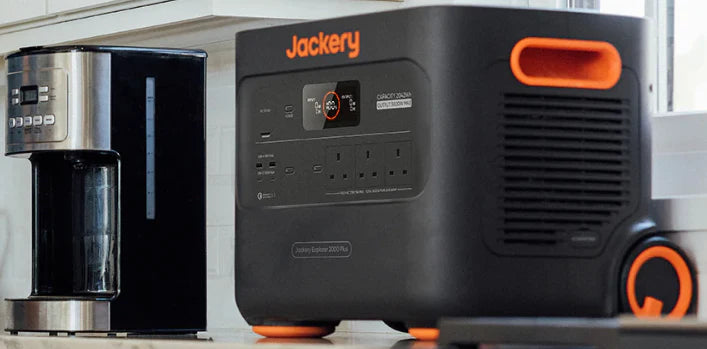
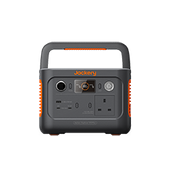
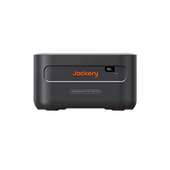
You should stay away from battery packs that have broken or frayed cables, as well as those that have been dropped or damaged. The Jackery Explorer 100 Plus is a great choice for anyone who want a dependable and compliant alternative. This power station is the size of a palm and has a capacity of 99.2Wh.
It was made to fulfil TSA and UK airline rules for cabin baggage. The Jackery Explorer 100 Plus has a LiFePO4 battery that can charge computers and phones quickly and safely, while still keeping you inside the regulatory limits for air travel.

Are Power Banks Checked At Airports?
Yes, airports often check power banks. Most security centres across the world check baggage and electronic gadgets carefully to make sure they follow all safety requirements. Portable chargers are electrical devices that have lithium-ion batteries in them. Security will check them to make sure they don't pose a fire risk or go over their capacity restrictions.
Global Portable Charger Rules and Regulations
Travellers in the UK may know the rules, but overseas airlines have made their restrictions far stricter. After safety concerns, major airlines in the US, China, Taiwan, Thailand, South Korea, and Singapore, as well as airlines in Australia and Switzerland, have put new rules in place for power banks.
Starting on October 1, 2025, Emirates planes will no longer allow passengers to use phone power banks because of worries about fires, explosions, and poisonous fumes. Passengers are only permitted to bring one power bank on board if it has clear information about its capacity and is only stowed in the seat pocket or a bag beneath the seat in front of them, not in the overhead storage.
Virgin Australia, Qantas, and Jetstar have banned power banks on board as of late 2025 because broken or faulty lithium battery-powered gadgets are dangerous. Also, charging power banks while on board, even with in-seat power connections, is not allowed on certain charters.
Jackery Explorer 100 Plus: Airline-Standard Portable Power Station
The Jackery Explorer 100 Plus is uniquely positioned as a "bridge" between a standard power bank and a full-sized portable power station.
In the UK, the Civil Aviation Authority (CAA) and major airlines (like British Airways and easyJet) follow IATA guidelines regarding lithium batteries. The Jackery Explorer 100 Plus is specifically engineered to meet these strict safety thresholds:
- The 100Wh "Magic Number": UK regulations state that lithium-ion batteries with a capacity of 100Wh or less can be carried in hand luggage without prior airline approval. The Explorer 100 Plus has a capacity of 99.2Wh, intentionally keeping it just under the limit.
- Clear Labeling: Airport security requires the capacity (Wh) to be clearly printed on the device. Jackery labels the 100 Plus explicitly, making it easy to clear security checkpoints.
- Hand Luggage Only: Like all lithium batteries, it must be in your carry-on. This is because, in the rare event of a "thermal runaway" (fire), the cabin crew can access and extinguish it—something impossible in the cargo hold.
It is UN38.3 certified, meaning it has passed rigorous testing for altitude simulation, thermal tests, and vibration, ensuring it won't react to the pressure changes of a flight.

"Mini-Station" Power Output
While most power banks are limited to charging phones, the 100 Plus functions like a tiny generator. It can output up to 128W across its ports, meaning it can power high-drain devices like laptops, drones, or even small CPAP machines. The USB-C ports support Power Delivery (PD) 100W, allowing you to charge a MacBook Pro or a high-end Windows laptop at full speed.
LiFePO4 (LFP) Battery Chemistry
Unlike standard lithium-ion batteries used in most power banks, Jackery uses Lithium Iron Phosphate (LiFePO4). It is rated for 2,000+ charge cycles before it drops to 80% capacity. This is about 4–6 times longer than a standard smartphone battery. LFP chemistry is much more thermally stable, significantly reducing the risk of overheating or fire.
Rapid & Versatile Recharging
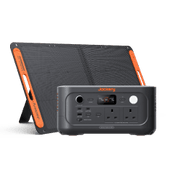
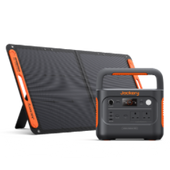
You aren't restricted to just a wall outlet. It can be paired with Jackery SolarSaga panels (sold separately). In ideal sun, it can fully recharge in about 2 hours. It also recharges at 100W via USB-C, meaning you can top it up from 0% to 100% in roughly 1.8 hours.
Smart Display & Design
Instead of four blinking LEDs, you get a real-time display showing the exact percentage, input/output wattage, and even time-to-full/empty. It weighs just 965g (about 2.1 lbs) and is roughly the size of a large grapefruit, making it small enough to fit in a backpack side pocket.
FAQs
The following are frequently asked questions about the phone chargers in hand luggage.
1. What items are not allowed in hand luggage?
UK aviation security does not allow anything that might be used as a weapon or that could start a fire. This includes sharp things like big scissors or instruments with blades longer than 6 cm, as well as flammable liquids and aerosols that come in huge amounts.
When wondering whether you may bring phone chargers in your carry-on, keep in mind that the chargers are okay, but any external batteries that come with them must satisfy certain watt-hour restrictions.
2. How do you pack a phone charger for travel?
Put your charging cords and power adapters in a transparent tech pouch or an easy-to-reach side pocket of your backpack to make sure everything goes well at the security gate. This keeps them from becoming tangled up and makes it easier to take them off if security needs to inspect more closely. whether you're checking to see whether phone chargers may travel in your carry-on, the best thing to do is keep them organised so they don't block the X-ray view of other electronics.
3. Do electricals go in suitcase or hand luggage?
You may put most consumer electronics, such hair dryers, shavers, and travel irons, in either your checked bag or your carry-on. But it's far safer to keep any gadget with a lithium-ion battery (such a laptop or tablet) in your hand baggage. whether you're wondering whether phone chargers can travel in your hand baggage, it's best to have them with you so you don't lose them if your checked bag is delayed.
4. What electronics are not allowed in carry-on?
You can bring most regular personal devices, but you can't bring hoverboards, e-scooters, or any other device with a lithium battery that has more than 160Wh. Also, UK security standards say that all electronic gadgets must be charged and ready to turn on.
If you can't turn on a gadget when asked, you may not be able to board. This makes the subject of whether phone chargers can travel in hand baggage even more important. If you have a wire available, you can charge a dead battery before you get to the head of the security line.
Final Thoughts
In short, the answer to the question "Can phone chargers go in hand luggage?" is a big yes. Cables are easy to understand, but picking a good power source like the Jackery Explorer 100 Plus makes sure you follow airplane safety criteria without losing performance.
You can go through airport security quickly and have a stress-free journey if you pack carefully and use equipment that is permitted by the airline. Always verify your airline's most recent rules, but don't worry; your important charging gear is always with you.