












![[Over £1200 Tier Gift] Bluetooth Speaker with Phone Stand - shipped Separately](http://uk.jackery.com/cdn/shop/files/Portable_Bluetooth_Speaker_with_Phone_Stand_2.png?v=1781595581&width=170)













More than 53,000 performances across 258 venues make Edinburgh Fringe 2026 less like a single festival and more like a city-wide arts marathon. From 7 to 31 August, theatres, pubs, university rooms, temporary stages and street spaces will host comedy, theatre, music, circus, dance and family entertainment throughout Edinburgh.
A good visit depends on more than choosing famous names: venue locations, walking time, ticket terms, accommodation and weather can shape the day just as much as the programme. This guide explains when the Edinburgh Fringe takes place, how to book shows, where to stay, what to budget and how to build a schedule that leaves room for unexpected discoveries.
|
Key Takeaways: |
|
Edinburgh Fringe 2026 at a Glance
The Edinburgh Fringe 2026 runs from 7 to 31 August 2026. Unlike a conventional festival held behind one set of gates, the Edinburgh Festival Fringe spreads across the city, using theatres, concert halls, pubs, clubs, community buildings, temporary rooms and unusual converted spaces. Most visitors move between the Old Town, Southside and other central districts rather than staying at a single site.
The full programme launched on 4 June 2026 and contains 3,649 shows across 258 venues, totalling 53,884 performances at launch. Comedy, theatre, music, dance, circus, cabaret, children’s shows, magic, spoken word and exhibitions all feature in the programme.
|
Essential detail |
Edinburgh Fringe 2026 |
|
Dates |
7–31 August |
|
Full programme launch |
4 June |
|
Number of shows |
3,649 at programme launch |
|
Performances |
53,884 |
|
Venues |
258 |
|
Booking |
Website, Fringe Box Office and official app |
|
Main area |
Old Town, Southside and central Edinburgh |
|
Event format |
Ticketed, free and pay-what-you-want shows |
|
Suitable for |
Solo visitors, couples, groups and families |
Tickets are already available through the official website and Fringe Box Office. The 2026 EdFringe app is scheduled for release in July, allowing visitors to browse shows, book tickets, store QR codes and organise a daily planner.
Free street performances also take place in central festival areas. A sensible booking strategy is to reserve must-see shows early while leaving gaps for recommendations, street acts and last-minute discoveries.
What Is the Edinburgh Festival Fringe?
The Edinburgh Festival Fringe is an open-access performing-arts festival. Rather than selecting every production through one central artistic team, it allows independent artists, companies and venues to register shows across a wide range of genres. The result is a programme that mixes established performers with first-time acts, experimental work and small productions that may run for only part of August.
Fringe vs. Edinburgh International Festival
The Fringe and Edinburgh International Festival are separate events. The Fringe is open access and contains thousands of independently produced shows, while the International Festival presents a curated programme of opera, music, theatre and dance.
|
Event |
What it is |
2026 dates |
|
Edinburgh Festival Fringe |
Open-access arts festival with thousands of shows |
7–31 August 2026 |
|
Edinburgh International Festival |
Curated programme of music, theatre, opera and dance |
7–30 August 2026 |
The International Festival’s official 2026 programme contains 147 performances across 24 days. Both festivals overlap with other major Edinburgh events, including the Royal Edinburgh Military Tattoo, which runs from 7 to 29 August, and the Edinburgh International Book Festival, taking place from 15 to 30 August. Visitors can therefore combine several festivals within one trip, although tickets are booked separately.
Why the Fringe Feels Different from a Normal Festival
There is no single entrance, arena or fixed route through the event. Venues are distributed across Edinburgh, and performances can begin in the morning and continue until late at night. One show might take place in a conventional theatre, while the next could be staged in a pub basement, university room or temporary performance space.
Street acts, flyers, venue boards and recommendations from other visitors all influence what people see. Instead of following one predetermined schedule, each visitor creates a personal programme around preferred genres, locations, ticket availability and unexpected discoveries.
When Is Edinburgh Fringe, and Which Dates Should You Choose?
For anyone asking when is Edinburgh Fringe, the 2026 festival runs from 7 to 31 August. Choosing when to visit depends on whether you value early discoveries, a fully developed programme atmosphere or the strongest late-festival recommendations. The official schedule was released in stages before the full programme launch on 4 June.
|
Date |
What happens |
|
12 January 2026 |
Artist registration opens |
|
11 February 2026 |
First shows revealed |
|
1 April 2026 |
Second batch of shows revealed |
|
6 May 2026 |
Third batch of shows revealed |
|
4 June 2026 |
Full programme launch |
|
7 August 2026 |
Edinburgh Fringe 2026 begins |
|
31 August 2026 |
Final day of Fringe 2026 |
Shows can continue registering after the programme launch and even during the festival, so the online listings may expand over the summer.

Opening Week: 7–13 August
Opening week offers a strong sense of arrival as venues begin their main runs and performers introduce new work. Visitors can discover productions before reviews, awards and widespread word of mouth increase demand.
The trade-off is that some acts may still be refining timing or material. Performance details can also change, making it important to recheck the listing before travelling to the venue.
Middle of the Festival: 14–23 August
By mid-August, reviews and audience recommendations are easier to find, while most productions have settled into their runs. This period usually delivers the fullest festival atmosphere, with busy streets, active venues and plenty of choice throughout the day.
Demand can also be stronger. Popular shows, central accommodation and convenient restaurant bookings may be harder to secure, while buses and pedestrian routes around the Old Town and Southside can become especially crowded.
Final Week: 24–31 August
The final week benefits from established word of mouth, award discussions and performers who know their material well. Late ticket opportunities may still appear, particularly for less-publicised productions or weekday performances.
However, not every show continues until 31 August. Some have short runs or finish earlier, while high-profile final performances may sell out.
Always check the exact dates on each show page rather than assuming that every production runs throughout the entire festival.
How to Find and Book Edinburgh Fringe Tickets?
Edinburgh Fringe tickets are sold mainly through the official Fringe website, the central Box Office and the EdFringe app. The Box Office at 180 High Street can book tickets for every registered Fringe show, even when the production is hosted by an independently operated venue.
Shows use several ticketing models. Some have fixed prices, while others are free, pay what you want or pay what you can. Free and pay-what-you-want performances often invite audiences to donate at the end, and some allow a small advance payment to reserve a place.
Popular comedians, well-reviewed productions and recognisable performers may sell out, especially at weekends. Smaller or less-publicised shows often retain same-day availability. Always check the official listing for the final performance time, venue, price and age guidance.

Search the Official Programme
The online programme and app make a large schedule easier to manage. Visitors can search or filter shows by:
- Date and start time
- Genre and venue
- Ticket price
- Age suitability
- Accessibility
- Show duration
The website and app also support favourites and personal planning. After booking, the e-ticket QR code appears in the confirmation email and can be stored in the app’s My Planner area.
Book Priority Shows First
Advance booking is sensible for recognisable performers, award-winning companies, small-capacity rooms and weekend performances. Family shows at convenient daytime hours can also fill quickly, as can productions appearing on only a few dates.
Leave Room for Spontaneous Bookings
Avoid filling every hour of the day. Street performers, venue posters, reviews, audience conversations and flyers may lead you towards shows you had not considered. Gaps also provide time to walk between venues, eat and recover from delays.
Understand Booking Fees and Ticket Terms
For 2026, the Fringe Box Office booking fee is £1.50 per ticket, capped at £9 per transaction for the first six tickets. The advertised Fringe Box Office price includes this charge.
Before paying, check the show’s cancellation, exchange, late-admission and readmission terms. These may vary by production and venue.
Half Price Hut
The Half Price Hut opens on 12 August 2026. Participating tickets must normally be bought in person from the Fringe Box Office. Same-day performances are listed, while tickets for shows starting before 2pm the following day become available from 2pm. Availability depends on which productions choose to participate.
How to Choose Shows without Becoming Overwhelmed?
With thousands of listings in the Edinburgh Fringe 2026 programme, choosing shows can become harder than booking them. A useful starting point is to combine one definite choice with one unfamiliar option and one flexible slot. This creates structure without turning the day into a rigid timetable.
|
Visitor type |
Good show choices |
|
First-time visitor |
Comedy, one theatre show and one wildcard |
|
Family visitor |
Children’s shows, daytime comedy and circus |
|
Budget traveller |
Free Fringe, previews and weekday shows |
|
Theatre fan |
New writing, solo shows and international work |
|
Comedy fan |
Mixed bills, work-in-progress and late shows |
|
Short-trip visitor |
Central venues and highly rated shows |
|
Festival explorer |
Unknown artists, small venues and street performance |
Start with Three Types of Show
Choose one priority show that justifies advance booking. Add an unfamiliar genre, small production or emerging performer, then leave one slot for a recommendation or low-cost discovery.
This method avoids spending the entire visit chasing famous names while still giving the day a clear anchor. It also reflects the open-access nature of the Fringe, where established performers appear alongside artists presenting new or experimental work.
Use Duration and Location Together
A 50-minute show is not automatically easy to fit into a schedule. The venue could be across the city, hidden within a large venue complex or reached through streets slowed by festival crowds.
Check the show length, venue number and full address rather than relying on the venue brand alone. Allow time for queues, ticket checks, hills, food, toilets and finding the correct performance room. Latecomers may be refused entry because each venue sets its own admission policy.
Do Not Rely Only on Star Ratings
Reviews can help narrow a long list, but ratings do not reveal whether a show suits your interests. Read the description and check:
- Subject matter and content warnings
- Performance style and audience participation
- Age recommendations
- Accessibility information
- Venue conditions and seating
- Whether the production matches your preferred pace or humour
A highly rated immersive show may be a poor choice for someone who dislikes audience interaction, while a less-reviewed solo performance may suit a particular interest perfectly.
Use Themes to Narrow the Programme
The 2026 programme includes work exploring artificial intelligence, identity crises, social class, Y2K nostalgia, resilience, hope and contemporary political concerns. These sit alongside comedy, theatre, circus, music, dance and variety. Choosing one or two themes can make the programme easier to search than starting with thousands of individual titles.

How Many Shows Should You See per Day?
For most first-time visitors, two to four shows per day is enough. Experienced Fringe-goers may manage more, but fatigue builds quickly when walking, queuing and concentrating through several performances.
Leave 30–60 minutes between venues where possible and add a proper meal break. Edinburgh’s hills, narrow Old Town streets and August crowds can turn a short map distance into a rushed journey.
Two or three properly spaced shows often create a better day than five tightly packed bookings.
|
Show type |
Advantages |
Limitations |
|
Big-name comedy |
Familiar and popular |
Sells out quickly |
|
Award-buzz theatre |
Strong discovery potential |
Harder to book later |
|
Free Fringe |
Budget-friendly |
Quality varies |
|
Small-venue shows |
Intimate and surprising |
Less publicity |
|
Work-in-progress |
Informal and often cheaper |
Material may be less polished |
|
Family shows |
Convenient daytime choice |
Peak dates can fill early |
Where to Stay and How to Get Around Edinburgh?
Accommodation choice can shape the whole Edinburgh Fringe experience. A cheaper room may lose its appeal if every day begins with a long journey and ends after the final night bus. Compare location, walking difficulty and late-night transport alongside the nightly rate, and book early because festival-period availability is limited.
Central Areas
Old Town, Southside, Grassmarket and New Town place visitors close to many major venue clusters. Shorter journeys make it easier to attend daytime shows, return after late performances and change plans between bookings.
The trade-offs are higher demand, street noise and heavy pedestrian traffic. Parts of the Old Town also involve steep slopes, steps and cobbled streets, which may be tiring for visitors carrying bags or managing reduced mobility.
Areas Farther from the Main Venues
Haymarket, Leith, Murrayfield, Fountainbridge, Bruntsfield, Newington and Portobello can provide different accommodation styles and may feel calmer than the busiest central streets.
Haymarket and Leith have particularly useful tram and bus links, while Bruntsfield, Newington and Fountainbridge remain within reach of several Fringe districts. Portobello offers a more residential seaside base but requires greater travel planning.
Do not choose by room price alone. Check the final bus or tram, expected journey duration after midnight and the distance from the stop to the accommodation.
Walking Between Venues
Edinburgh is compact, but map distances can be deceptive. Hills, cobbles, steps, queues and dense crowds slow movement, while temporary venue entrances are not always obvious.
Official Fringe guidance warns that August congestion affects travel times even on foot. It recommends at least 30 minutes between shows in the same venue and more when travelling elsewhere. The Royal Mile, Grassmarket, Bristo Square and George Square areas are especially busy festival hubs.
Public Transport
Lothian Buses serves the city and surrounding areas, with NightBus services running from midnight into the early morning.
Edinburgh Trams runs between Edinburgh Airport, the city centre, Leith and Newhaven, stopping at locations including Haymarket, Princes Street and St Andrew Square. The airport-to-city-centre journey takes under 35 minutes under normal conditions.
Rail travellers usually arrive at Edinburgh Waverley, which is closest to the Old Town, or Haymarket in the west. Most central venues are near major bus routes, but visitors should allow extra time for festival disruption and crowded services.

How Much Should You Budget?
A Fringe budget should cover more than tickets. Travel to Edinburgh, accommodation, booking fees, local transport, meals, drinks, late-night journeys and spontaneous purchases can all add up. Accommodation is often the largest variable because August demand is high, while show spending depends on how many paid performances you book. Plan separate amounts for:
- Travel to and from Edinburgh
- Accommodation
- Show tickets and booking fees
- Local buses, trams or taxis
- Food and drinks
- Souvenirs and last-minute bookings
- A contingency for delays or late-night travel
Ways to Reduce Ticket Spending
Mix full-price bookings with free and pay-what-you-want performances. The 2026 programme includes more than 400 free shows, although audiences are encouraged to donate when they can. The Half Price Hut opens on 12 August and offers selected same-day tickets at half price.
Preview, weekday and daytime performances may also be cheaper, depending on the production. Book several tickets in one transaction where suitable, because the 2026 Fringe Box Office fee is £1.50 per ticket and capped at £9 per transaction.
Do not assume every highly reviewed show is essential. A lower-cost small-venue production can be just as memorable.
Ways to Reduce Accommodation Costs
Look beyond the streets closest to the Royal Mile and compare hostels, university accommodation, guest houses and shared rentals. The Fringe Society recognises accommodation affordability as a major August challenge and lists options such as student halls, hostels, hotels and campsites.
Midweek stays may offer more choice than peak weekends. Sharing with friends can reduce the per-person cost, but check bed arrangements, cancellation terms and travel times. A distant room is not a bargain if it creates repeated taxi fares after late shows.
Build a Daily Budget
|
Daily Expense |
Planning Question |
|
Shows |
How many paid performances will you book? |
|
Food |
Sit-down meals or quick festival food? |
|
Transport |
Mostly walking or several bus journeys? |
|
Drinks |
How much might you spend inside venues? |
|
Contingency |
Could you need a taxi or last-minute ticket? |
Add up one realistic festival day, then multiply it by the length of the stay. Keep accommodation and long-distance travel separate because these are usually paid in advance.
How Many Days Should You Spend at Edinburgh Fringe?
A one-day visit offers the atmosphere and one or two shows.
Two or three days provide a balanced first experience, while four or five allow more genres, neighbourhoods and spontaneous choices.
A week suits visitors wanting a deeper dive without attending the full run.
Staying for the entire festival is more appropriate for enthusiasts, performers, critics or people with a very broad programme.
The right duration depends on budget, energy levels and travel distance rather than one universal ideal.

What to Pack for a Fringe Day?
Edinburgh weather can shift from sunshine to wind and rain within the same afternoon, so pack for changing conditions rather than relying on one August forecast. The official Fringe guidance recommends bringing clothing for variable weather, while a light day bag is easier to manage in crowded streets and compact venues.
A useful day bag may include:
- Lightweight waterproof jacket
- Comfortable, broken-in walking shoes
- Refillable water bottle
- Small umbrella where crowds and venue rules allow
- Warm layer for evening performances
- Phone with ticket QR codes
- Printed booking details as a backup
- Essential medication
- Small snack
- Sunscreen and sunglasses
- Reusable bag for programmes and flyers
- Compact power bank or portable power station
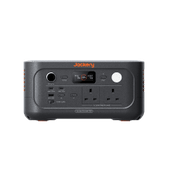
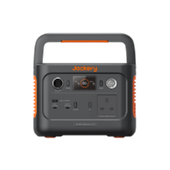
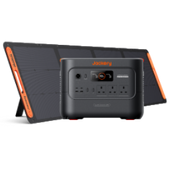
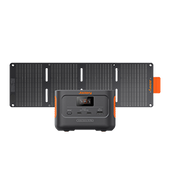
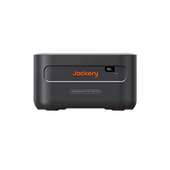
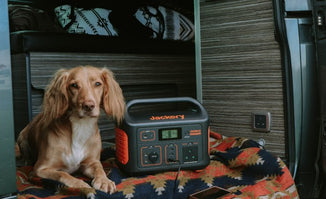
For phone charging and other small electronics, the Jackery Explorer 100 Plus is the lighter option. It has a 99Wh LiFePO4 battery and weighs about 965g, making it more suitable for charging phones, cameras and tablets during a long festival day.
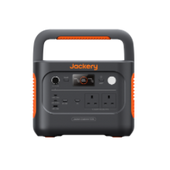
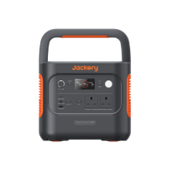
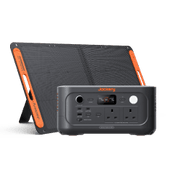
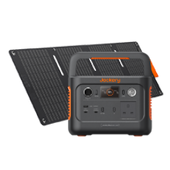
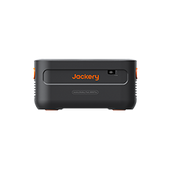
The Jackery Explorer 300D offers 288Wh of capacity — equivalent to up to 9 power banks — with up to 300W max output, this lightweight 2.5 kg power station features 3× USB-C, 1× USB-A and a car socket, keeping laptops, drones and multiple devices powered at the same time for travel, camping and everyday backup.
Digital Preparation
Before leaving your accommodation, download tickets, screenshot venue addresses and save an offline map. Charge your phone fully, agree on a meeting point with companions and check each venue’s bag or access rules.
The 2026 EdFringe app includes an offline mode for saved performances and ticket QR codes in My Planner, which is useful when mobile data is unreliable or central streets become extremely busy.
Keep enough battery for navigation, tickets and contacting your group. Festival photos and videos are secondary if they leave you without access to the information needed for the next show.
Portable Power for Long Fringe Days
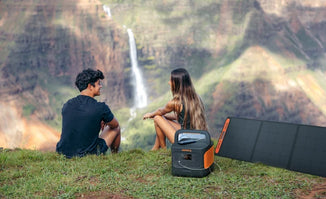
Portable power is not essential for every Fringe visitor, but it can be useful for people relying heavily on phones, cameras, laptops or small production equipment. Visitors moving between venues may only need a compact USB power source, while performers, photographers and street teams may benefit from a larger unit kept at a base, stall or rehearsal space.

Jackery Explorer 100 Plus
The Jackery Explorer 100 Plus is the more portable choice for phones, tablets, cameras and compatible USB-C laptops. It contains a 99Wh LiFePO4 battery, weighs approximately 965g and provides up to 128W total output through two USB-C ports and one USB-A port.
As it does not include a UK mains socket, it is best treated as a high-capacity mobile-device power source. Typical Fringe uses include keeping a smartphone available for e-tickets and maps, charging a camera or action camera, topping up a tablet or USB-C laptop, and powering small USB lights.
Jackery Explorer 300D
Taking a Jackery Explorer 300D to the Edinburgh Fringe can be useful when you expect to spend a full day moving between venues. Digital tickets, maps, last-minute programme searches, photography and communication all depend on charged devices, while access to wall sockets may be limited. With a 288Wh LiFePO4 battery, up to 140W output and the ability to charge several USB-powered devices, the Explorer 300D can support phones, tablets, cameras and compatible USB-C laptops throughout a busy festival day.
At approximately 2.5kg, it is more portable than a conventional large power station, although it is still better suited to a backpack, equipment bag or performer’s setup than to someone travelling as lightly as possible. Its fanless, nearly silent design is also helpful around performances and shared indoor spaces.
|
Model |
Better for |
Typical Fringe use |
|
Jackery Explorer 100 Plus |
Light packers and single-day visitors |
Phone, earbuds, camera and small USB devices |
|
Jackery Explorer 300D |
Performers and heavier device users |
Phones, cameras, tablets, laptops and small equipment |
Neither model needs to be carried between every show. The larger Explorer 300D is generally better kept at accommodation, backstage or at a fixed working location.
Sample Fringe Itinerary, Accessibility and Final Checklist
A successful Fringe day needs structure, but it should not be packed so tightly that every delay becomes stressful. Use the following itinerary as a flexible framework, adjusting show times, walking distances and rest periods to suit your interests and energy levels.
Example Balanced Day
|
Time |
Plan |
|
10:30 |
Breakfast and review the day’s bookings |
|
12:00 |
Theatre or family show |
|
13:15 |
Lunch and a short walk |
|
14:30 |
Street performances around the Royal Mile |
|
16:00 |
Comedy or spoken-word show |
|
17:15 |
Rest and early dinner |
|
19:30 |
Priority evening performance |
|
21:00 |
Optional late show or return to accommodation |
This is not a fixed recommendation. A longer journey, poor weather or an unexpectedly good street performance may justify changing the schedule.
Accessibility Planning
Accessibility varies between venues and even between rooms within the same venue. Check step-free access, accessible toilets, seating arrangements, gradients, cobbled approaches and the distance from the nearest bus or tram stop.
The official programme identifies enhanced performances, including captioned, BSL-interpreted, relaxed and audio-described shows. Some productions also offer touch tours. Personal-assistant or companion tickets can be arranged through the Fringe access-booking service, but visitors should confirm the process before purchasing.
Final Planning Checklist
- Confirm travel dates and book accommodation.
- Browse the official programme and reserve priority shows.
- Check booking fees, age guidance and ticket terms.
- Leave realistic gaps between performances.
- Map the exact entrance for each venue.
- Download e-tickets and save offline directions.
- Review venue and performance accessibility information.
- Pack for rain, wind and cooler evenings.
- Charge phones and any backup power.
- Keep one slot open for an unexpected show.
Screenshots of QR codes can be useful where mobile data is unreliable, and the Fringe advises allowing generous travel time even between venues that appear close together.
FAQs
The following are the frequently asked questions about the Edinburgh Fringe 2026:
1. What dates are the Edinburgh Fringe Festival in 2026?
The Edinburgh Fringe 2026 runs from Friday 7 August to Monday 31 August 2026. Individual productions may have shorter runs, so check the exact dates on each show listing before booking.
2. What are the Big Four at Edinburgh Fringe?
The “Big Four” commonly refers to four major Fringe venue operators: Assembly, Gilded Balloon, Pleasance and Underbelly. Each operates several performance spaces and presents a large programme, but they represent only part of the wider Fringe. Hundreds of other independent venues and producers also participate.
3. How much does the Edinburgh Fringe cost?
There is no single admission price because the Fringe is not one enclosed event. Visitors pay separately for accommodation, travel, food and individual shows. Ticket prices vary by production, and the programme also includes free and pay-what-you-want performances. The 2026 Fringe Box Office fee is £1.50 per ticket, capped at £9 per transaction, and is included in advertised Box Office ticket prices.
4. Is Edinburgh Fringe always in August?
Yes. The Edinburgh Festival Fringe is held annually in August, although its exact opening and closing dates change from year to year. In 2026, it occupies most of the month, from 7 to 31 August.
5. How many shows are at Edinburgh Fringe 2026?
The full programme contained 3,649 shows at launch, spread across 258 venues and more than 53,000 performances. Shows can continue registering after the programme launch, so the final total may increase before or during the festival.
6. Do Edinburgh Fringe shows sell out?
Some do. Big-name comedy, well-reviewed productions, weekend performances, family shows and events in small-capacity venues can sell out early. Less-publicised shows may still have tickets on the day, so it is sensible to book priority performances in advance while leaving time for spontaneous choices.
7. Are there free shows?
Yes. The 2026 programme includes more than 400 free shows across several genres. Entry may cost nothing, but performers commonly invite audiences to make a donation after the show. Free street performances also take place in central festival areas.
8. Do I need the official Fringe app?
No. You can browse and book through the official website and access ticket QR codes through your online Fringe account. The free app is useful for keeping tickets and saved shows together, finding nearby performances and viewing information offline, but it is not compulsory. The Box Office can also print a ticket for visitors who do not have a smartphone or need a physical copy for accessibility reasons.
Final Thoughts
The best way to approach Edinburgh Fringe 2026 is to plan the essentials without removing all spontaneity. Confirm accommodation and travel early, reserve the shows you would be disappointed to miss, then leave gaps for street performances, recommendations and smaller venues.
Allow more time than the map suggests, particularly around the Royal Mile, Grassmarket and Southside, where hills and crowds can slow every journey. A realistic budget, layered clothing, downloaded tickets and a charged phone will make long festival days easier to manage. Whether you visit for one afternoon or a full week, the most memorable part of the Edinburgh Festival Fringe may be the show you had never heard of before arriving.


