









































An energy efficiency rating measures a property's overall performance on a scale from A to G, vital for managing heating bills and ensuring legal compliance. This guide explains the A–G scale, details practical retrofitting steps, and explores how to manage costs when extensive renovation isn't immediately possible.
What is an Energy Performance Certificate (EPC)?
What Is the Definition and Purpose of an EPC?
An EPC is a standardized document that ranks a property’s energy efficiency on a scale from A (most efficient) to G (least efficient). The certificate provides a snapshot of how well a building retains heat and the energy required for lighting and heating. This standardized scoring allows buyers, renters, and owners to objectively compare estimated running costs and environmental impacts across different properties.
How Long Is an EPC Valid?
Certificates are valid for 10 years and are legally required whenever a property is sold, rented out, or newly built. An accredited domestic energy assessor produces the document. These professionals utilize government-approved software known as the Reduced Data Standard Assessment Procedure (RdSAP) to generate the final report based on site-specific evidence.
How Is the Energy Efficiency Rating Calculated?
How Is the Efficiency Score Determined?
Assessors calculate the score by inputting data on construction, insulation, heating systems, and lighting into a standardized algorithm rather than measuring actual usage. This process generates a numerical score between 1 and 100+, which maps directly to a specific letter band on the A–G scale.
What Do the EPC Bands Mean?
The bands represent the efficiency of the home based on the calculated score.
|
Band |
Score |
Description |
|
Band A |
92+ |
These properties are highly efficient. Band A homes are usually modern builds equipped with renewable energy technologies and superior insulation. |
|
Band D |
55-68 |
This represents the UK average. A Band D home is generally comfortable but still requires significant energy input to maintain heat during winter. |
|
Band G |
1-20 |
These homes are inefficient and costly to run. Band G properties typically feature uninsulated solid walls, single glazing, or obsolete heating systems. |
What Occupancy Assumptions Are Used?
Ratings assume standard occupancy patterns to allow for fair comparisons between buildings. The estimated costs on the certificate reflect a "typical" household's usage. If a resident works from home or has high hot water demand, actual consumption will differ significantly from the model's prediction.
Critical Information Found on the Certificate
What Does the Potential Score Indicate?
The potential score indicates the energy efficiency rating a property could achieve if all recommended upgrades were implemented. The certificate displays this alongside the current rating. This gap between current and potential scores highlights the property's specific scope for improvement.
Where Are Estimated Costs and Recommendations?
Projected annual bills for lighting, heating, and hot water appear on the certificate based on standardized energy prices. Following these estimates, the document lists prioritized retrofit recommendations, such as floor insulation or a new boiler. These suggestions include indicative installation costs and projected savings to help calculate return on investment.
How Is Environmental Impact Measured?
The EPC provides an environmental impact rating based on carbon dioxide (CO2) emissions. It is crucial to check the assessor's notes, as these reveal assumptions made during inspection, such as estimated insulation depth where visual access was restricted.
Legal Requirements and Financial Implications
What Are the Obligations for Sellers and Landlords?
Sellers must order an EPC before marketing a property and provide it to potential buyers. Landlords face stricter requirements, as rental properties typically require a minimum rating of E to be legally let. Failure to meet this Minimum Energy Efficiency Standard (MEES) can result in significant fines.
How Will Future Regulations Affect Mortgages?
Government announcements regarding potential increases to minimum efficiency standards for rentals—potentially rising to Band C—should be monitored closely. Additionally, some lenders now offer "green mortgages" with preferential interest rates for homes achieving high energy efficiency ratings (A or B).
Are Listed Buildings Exempt?
Listed buildings may be exempt from minimum energy efficiency standards if compliance would unacceptably alter the building's character. However, owners cannot simply ignore the requirement; they must formally register this exemption to remain compliant with regulations.
High-Impact Factors Influencing the Score
Which Heating Systems Score Highest?
Modern condensing boilers or heat pumps score significantly higher than old non-condensing gas boilers or electric panel heaters. The efficiency and fuel type of the heating system are heavy influencers on the final energy efficiency rating.
Why Is Insulation the Most Critical Factor?
Insulation acts as the primary driver of the rating because it drastically reduces heat loss. Installing cavity wall insulation or solid wall insulation (internal or external) yields significant points. Increasing loft insulation to a depth of 270mm is also a cost-effective method to improve the score.
Do Glazing and Lighting Improve the Rating?
Replacing single glazing with double or triple glazing improves the score and significantly reduces draughts. While glazing is capital intensive, a minor but easy point gain comes from fixed lighting. Swapping to 100% low-energy lighting (LEDs) is a simple upgrade assessors verify during inspection.
How Do Renewables Impact the Rating?
Fixed renewable technologies, such as roof-mounted solar PV panels, directly improve the rating. By generating electricity on-site, these systems reduce reliance on the grid and lower the property's calculated CO2 emissions.
A Practical Roadmap to Improving Your Rating
Quick Wins (Low Cost)
- Loft Insulation: Top up existing insulation to the recommended 270mm depth. This task provides immediate heat retention and is often DIY-friendly.
- Draught-proofing: Seal gaps around doors, windows, and floorboards. While this has a marginal effect on the numerical score, sealing leaks stops heat escape and improves comfort massively.
- Cylinder Insulation: Add a thick insulating jacket to hot water tanks. This jacket reduces standby heat loss, ensuring the boiler works less to maintain water temperature.
- Smart Controls: Install TRVs (Thermostatic Radiator Valves) and room thermostats. These controls prevent overheating in unused rooms and ensure heating runs only when necessary.
Significant Upgrades (Medium to High Cost)
- Wall Insulation: Install cavity wall insulation where possible. For solid walls, budget for internal or external solid wall insulation to make the biggest impact on thermal performance.
- Window Replacement: Upgrade single glazing to high-performance double or triple glazing. This upgrade is essential for reaching higher bands despite the high initial capital cost.
- Heating Replacement: Swap old G-rated boilers for modern condensing models. Transitioning to a heat pump is advisable if the property's insulation levels are sufficient to support low-flow temperatures.
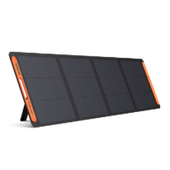
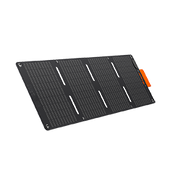
- Solar PV: Install roof-mounted panels to generate electricity. Solar PV improves the environmental impact score and reduces the net energy required from the grid.
The Role of Portable Energy Solutions
Do Portable Solar Generators Improve EPC Ratings?
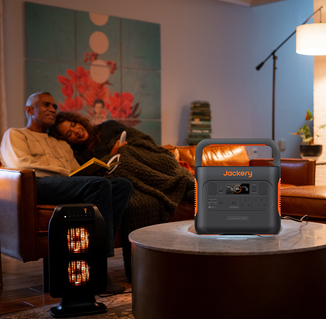
Portable solar generators do not improve the official EPC score because they are not fixed fixtures. However, these units can significantly reduce actual utility bills by offsetting grid usage. This approach addresses the homeowner's primary financial pain point without requiring structural work.
What Are the Solutions for Rentals and Listed Buildings?
Portable solutions suit tenants or owners of listed buildings who cannot legally install permanent roof panels. Generating and storing power to run appliances allows residents to bypass the grid during peak rate hours.
Recommended Solutions
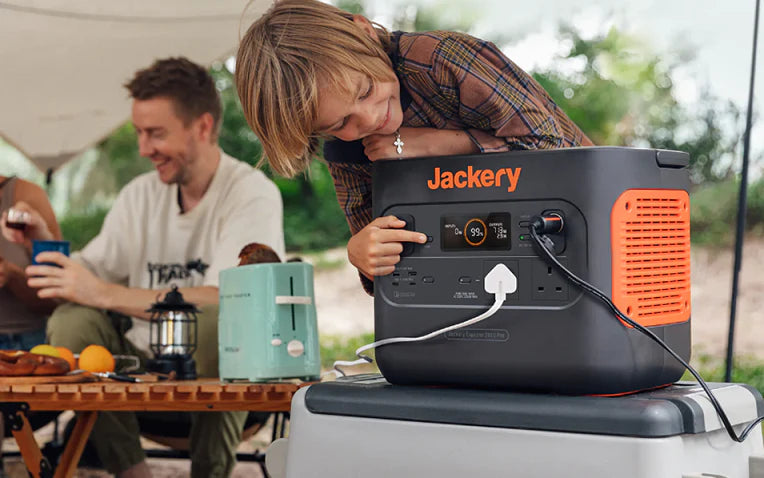
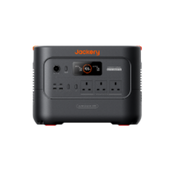
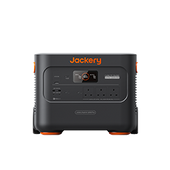
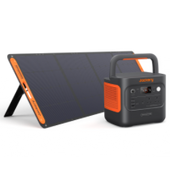
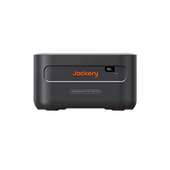
Jackery Solar Generator 3000 v2
- Capacity: 3072Wh
- Capabilities: Powers 99% of household appliances.
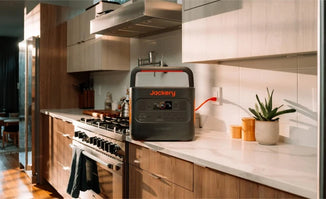
- Use Case: Jackery Solar Generator 3000 v2 is ideal for powering high-wattage appliances off-grid. The unit effectively lowers reliance on expensive mains electricity.
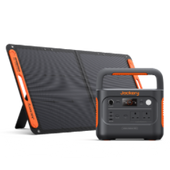
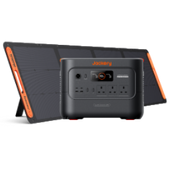
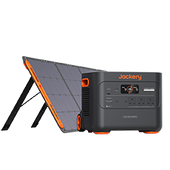
Jackery Solar Generator 2000 v2
- Noise Level: Operates under 30dB in Quiet Charging Mode.
- UPS Function: <20ms switchover time.
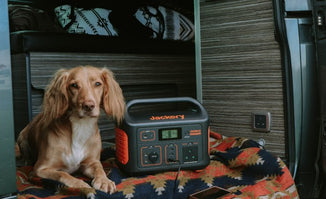
- Use Case: Jackery Solar Generator 2000 v2 is perfect for indoor residential backup. This generator keeps essential devices running silently during power cuts or peak pricing windows.
Homeowners looking to reduce their average electric bill in the UK can use these systems proactively, regardless of the building's official rating.
Checklist for Buying or Renting Lower-Rated Homes
Why Should You Read the Recommendations?
Reviewing the EPC's "top actions" section allows buyers to estimate the renovation budget. This data is essential for determining the cost to bring the property up to a comfortable standard.
Why Is Checking the Heating Crucial?
Electric panel heaters in uninsulated homes often result in extremely high running costs. High consumption often leads homeowners to ask why is my electric bill so high during winter months.
How Can You Negotiate and Verify?
A low energy efficiency rating (F or G) serves as a negotiation point on the purchase price. When buying a listed property, confirm exactly which upgrades are legally permissible before committing to the purchase.
Why Should You Plan for Retrofit?
Buyers should view an E-rated property as a project requiring immediate budget for insulation. Prioritizing these upgrades ensures the home is habitable during winter.
Common Misconceptions Clarified
Do New Windows Fix Everything?
Windows are expensive per EPC point gained compared to other upgrades. Insulation usually offers a much better return on investment regarding both the score and thermal comfort.
Does the EPC Predict My Exact Bill?
EPCs do not predict exact costs; they predict the building's potential based on standardized assumptions. The rating does not account for specific lifestyle usage or thermostat habits.
Are Stone Walls Naturally Warm?
Uninsulated stone has poor thermal performance despite its aesthetic appeal. Stone walls require breathable insulation solutions to retain heat effectively.
Does Portable Solar Raise the EPC?
Portable units like the Jackery Solar Generator 2000 v2 do not alter the EPC score. However, strategies on how to lessen your electric bill often include portable power to provide energy independence.
Frequently Asked Questions
How does EPC affect property resale value?
Higher EPC ratings generally increase market demand and can boost the selling price, as buyers anticipate lower running costs and less need for immediate renovation.
Can I challenge my EPC rating?
Yes, if you believe there is a factual error, you can contact the energy assessor to request a review; if unresolved, you can escalate the complaint to their accreditation scheme.
What if my home is listed/conservation area?
You may be exempt from certain upgrades like external wall insulation or double glazing if they alter the property's character, but you must register a valid exemption.
How do EPCs differ for new builds?
New builds require a SAP (Standard Assessment Procedure) rating, which is more detailed than the RdSAP used for existing homes, ensuring they meet current building regulations