


















![[Over £1200 Tier Gift] Bluetooth Speaker with Phone Stand - shipped Separately](http://uk.jackery.com/cdn/shop/files/Portable_Bluetooth_Speaker_with_Phone_Stand_2.png?v=1781595581&width=170)
















As temperatures drop, pet owners search for effective ways to keep their dogs warm and comfortable. Heated dog beds have become a popular solution.
Heated dog beds deliver warmth and comfort, making them ideal for senior pets, small breeds, and short-haired dogs. They typically use 20 to 70 watts, or 0.02 to 0.07 kilowatt-hours per hour.
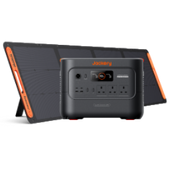
Heated dog beds use only a fraction of the electricity that devices like televisions and refrigerators do. If you still want to reduce your heated dog bed's energy usage, consider using a Jackery Solar Generator 3000 v2 or 2000 v2.
|
Key Takeaways: |
|
Understanding the Types of Heated Dog Beds and How They Work
A heated dog bed is a heating gadget made exclusively for dogs. It is usually implanted in a dog bed or mat and uses electricity to offer consistent, mild warmth.
Unlike electric blankets for humans, heated dog beds emphasise safety, durability, and flexibility that match the dog's behaviour, ensuring the dog's protection and security even during gnawing, clawing, or long resting periods.
Types of Heated Dog Beds and Their Operating Principles
Heated dog beds come in a variety of forms, each with unique features and purposes. Naturally, their functioning principles differ. The primary categories of heated dog beds are:
Electric Heated Beds: These beds use integrated heating elements powered by electricity and are controlled by built-in temperature regulation mechanisms. Some models allow pet owners to set temperatures with a remote control, while others use automatic systems that monitor and adjust the warmth to prevent overheating. The heat is evenly distributed to ensure a consistent temperature throughout the bed's surface.
Self-Warming Beds: These use layers of insulating materials that retain and reflect the dog's natural body heat. When a dog lies down, the inner material absorbs this warmth and releases it back to the animal, while a special reflective layer below prevents heat loss. No electricity is needed, and the effect depends on the dog's ability to generate its own heat.
Microwavable Pads: These are mats designed to be heated temporarily in a microwave. They feature a textile cover and an interior liner containing grains or gel packets that absorb energy and convert it to heat. After heating, allow the pad to cool to a comfortable temperature, then place it in the dog's bed to provide warmth.
|
Types of Heated Dog Beds |
Advantages |
Disadvantages |
|
Electric Heated Beds |
Sustainable heating for extended periods Controllable temperature Most have automatic power-off protection |
Requires Power Connection High Initial Purchase Cost Requires Regular Wiring Inspection |
|
Self-Warming Beds |
No Power Required No Electrical Risk Machine Washable or Removable for Washing |
Only suitable for healthy dogs with existing body temperature Slow initial heating |
|
Microwavable Pads |
Rapid heating Highly portable Reusable |
Requires frequent heating Risk of burns Not suitable for use when unattended |
Which Dogs Are Suitable for Heated Dog Beds?
Not every dog needs a heated dog bed. While heated dog beds are convenient, their suitability is determined by the dog's breed, age, health status, and living conditions. Heated dog beds are often appropriate for the following breeds:

Short-Haired and Little Dogs
Short-haired and small dogs (such as Chihuahuas, Poodles, Yorkshire Terriers, and French Bulldogs) lack a natural thick coat for insulation and are prone to feeling cold at low temperatures, even shaking, curling up, and refusing to move. As a result, they are the most likely to use heated dog beds.
Senior Dogs
Senior dogs have reduced metabolism, muscular atrophy, and joint degeneration, making them extremely sensitive to temperature variations, particularly in winter, which can cause joint pain, stiffness, and even difficulties moving. Moderate warmth can increase local blood circulation, decrease muscular tension, alleviate joint stiffness, and enhance sleep quality.
Dogs That Are Ill or Recovering
Dogs that are unwell, recovering from surgery, or postpartum are frail and have a poor immunity. Maintaining a stable body temperature is critical to their recuperation. Low temperatures can impede healing and raise the risk of infection.
Dogs Living in Cold Regions
Even if a dog is inherently cold-resistant, prolonged exposure to low temperatures can be harmful to its health. If you live in a location with harsh winters and no heating, a heated dog bed will keep your dog warm and comfortable even during the coldest months.
In summary, a heated dog bed isn't necessary for every dog. If you are unclear whether your dog need a heated dog bed, you should visit your veterinarian.
Are Heated Dog Beds Safe for Dogs?
Heated dog beds are generally safe for dogs, provided they are designed specifically for pets. Manufacturers prioritise pet safety, but proper precautions are also essential.
Neglecting these precautions can cause serious injuries, such as burns, electric shocks, fires, or internal organ damage. All pet owners must observe the following safety tips when using heated dog beds:

Tip 1: Never Use Unattended
If a heated dog bed fails while unattended, it can cause catastrophic damage such as flames, electric shocks, or burns. Always turn off the power while leaving the house or sleeping at night to avoid mishaps caused by uncontrolled use.
Tip 2: Place Away from Radiators and Direct Sunlight
Never position a heated dog bed near radiators, electric heaters, or other heat sources to avoid double heating, which could result in material deformation or skin burns. Avoid direct sunlight. Prolonged exposure to sunlight will not only accelerate fabric ageing and fading, but may also increase the risk of spontaneous combustion.
Tip 3: Regularly Check the Temperature
Before laying your dog on the heated dog bed, make sure the temperature is not too high. Keep a close eye on the temperature of the heated dog bed to prevent it from overheating.
Tip 4: Do Not Use Continuously for Extended Periods
Prolonged use might speed up the ageing of the electrical system or cause issues in dogs such as dehydration and chapped noses. It is recommended that you use it for no more than 8 hours per day, sporadically during the day, and turn it off at night.
Tip 5: Always Keep the Bed Dry
Urine, saliva, or moisture left over from cleaning can readily seep into the heating layer, resulting in short circuits, leaks, and even electric shock. To make daily changes easier, add a waterproof mat or washable sheet on the heated dog bed.
Tip 6: Gradually Increase Temperature
Dogs are sensitive to temperature changes. When introducing a new heated dog bed, begin with the lowest setting and gradually increase it each day to allow the dog to adjust.
Does a Heated Dog Bed Consume a Lot of Electricity?
Do heated dog beds require a lot of energy? Will they lead to a large increase in electricity bills? Overall, a qualified heated dog bed is a low-power appliance with minimal daily energy usage. Compared with high-energy-consuming devices like air conditioners, electric heaters, and electric water heaters, a heated dog bed typically consumes between 20 and 70 watts, which is similar to that of an energy-saving light bulb or a small router.
If a heated dog bed runs all day at 60 watts, it uses 1.44 kilowatt-hours of electricity over 24 hours (60 watts x 24 hours = 1,440 watt-hours; 1,440 watt-hours = 1.44 kWh). This is far less than most appliances, such as refrigerators, which often use several kWh per day.
Below is a comparison of the power consumption of a heated dog bed with some commonly used appliances:
|
Appliance Type |
Power (W)
|
One Hour of Operation (kWh) |
Ten Hours of Operation (kWh) |
|
LED light bulbs |
6-10W |
0.006.0-0.01kWh |
0.06-0.1kWh |
|
Heated dog bed |
20-70W |
0.02-0.07kWh |
0.2-0.7kWh |
|
LCD TV |
50-150W |
0.05-0.15kWh |
0.5-1.5kWh |
|
Refrigerator/Freezer |
100-300W |
0.1-0.3kWh |
1.0-3.0kWh |
|
Vacuum cleaner |
600-900W |
0.6-0.9kWh |
6.0-9.0kWh |
|
Microwave oven |
700-1400W |
0.7-1.4kWh |
7.0-14.0kWh |
|
Kettle |
2000-3000W |
2.0-3.0kWh |
20.0-30.0kWh |
|
Toaster |
2000W |
2.0kWh |
20.0kWh |
|
Hair dryer |
2200-2500W |
2.2-2.5kWh |
22.0-25.0kWh |
This table is for reference only. The actual power consumption of an appliance will vary depending on its power, usage time, and appliance efficiency.

Energy Saving Tips for Heated Dog Beds
To save electricity while keeping your dog warm, we propose the following:
Tip 1: Choose goods with clever thermostats to avoid wasting energy on constant heating.
Tip 2: To decrease heat loss, place the heated bed in a shaded, dry position away from doors and windows.
Tip 3: Combine it with a conventional dog bed or blanket to boost heating efficiency.
Tip 4: Turn off the electricity while no one is there throughout the day, then turn it back on at night or before your dog sleeps.
Tip 5: Use a solar generator (e.g., Jackery Solar Generator 3000 v2/2000 v2) to power your heated dog bed with renewable energy.
Jackery Solar Generators for Modern Pet Care, Especially Outdoors
Heated dog beds help young, elderly, or frail dogs maintain their body temperature. Still, the power use and carbon emissions from constant electricity lead many sustainability-minded owners to ask: can we achieve a cleaner, more energy-efficient power supply—without sacrificing warmth?
The answer is yes. The Jackery Solar Generator 3000 v2 and 2000 v2 redefine the pet electricity experience with their large capacity, fast charging, intelligent safety, and quiet operation, integrating clean energy into daily pet care so that every degree of warmth comes from the gift of sunshine.
Jackery Solar Generator 3000 v2
Below, we will analyze in depth the core advantages of the Jackery Solar Generator 3000 v2, demonstrating how it is the ideal choice for optimizing the energy consumption of heated dog beds.

Large Capacity, Endless Power Supply
The Jackery Solar Generator 3000 v2 boasts a massive 3072Wh battery capacity, equivalent to storing 3kWh of electricity, enough to power a 50W heated dog bed for over 30 hours continuously. Whether it's a power outage, a storm, continuous cloudy days, or insufficient sunlight in winter, you can reliably power your heated dog bed.
Fast Solar Charging, Efficient Use of Natural Resources
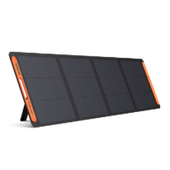
The Jackery Solar Generator 3000 v2 supports up to 1000W of solar input, charging from 0% to 100% in just 3.5 hours. Its 200W solar panel utilises cutting-edge bifacial IBC technology, achieving a conversion efficiency of up to 25%. Furthermore, it supports 12V car charging (36 hours for a full charge) and AC + DC (54V) charging (1.4 hours for a full charge).
Powerful Output, Seamless Multi-Device Collaboration
The Jackery Solar Generator 3000 v2 boasts a continuous output of 3600W (peak 7200W), easily powering multiple devices simultaneously, including a heated dog bed, pet water fountain, air purifier, and security camera. It's particularly suitable for multi-pet households, large dog breeds, or scenarios requiring prolonged heating in cold regions.
Intelligent Safety System, Protecting Every Kilowatt-Hour of Electricity
The Jackery Solar Generator 3000 v2 prioritises using stored solar energy to power the heated dog bed rather than grid power, increasing solar energy utilisation and reducing electricity costs by roughly 22%. Furthermore, consumers with time-of-use pricing or smart meters can activate a "Charging Plan" through the app to customise charging schedules, such as charging during off-peak hours when power prices are lower (for example, at night).
Jackery Solar Generator 2000 v2
Besides the Jackery Solar Generator 3000 v2, what advantages make the 2000 v2 an ideal choice for optimizing heated dog bed energy consumption?

Stable Output, Precisely Matched to Pet Power Needs
The Jackery Solar Generator 2000 v2 boasts a continuous output power of 2200W (peak 4400W), easily powering common pet heating devices like heated dog beds under 100W. Its output waveform is a pure sine wave, ensuring stable voltage without damaging the heated dog bed's temperature control chip, extending the device's lifespan. It has a 2042Wh battery capacity, supporting a heated dog bed for over 20 hours.
Fast Charging, Sunlight as Energy
The Jackery Solar Generator 2000 v2 can be quickly charged (AC) via an app, going from 0% to 80% in just 52 minutes and fully charged in only 1.33 hours. It also supports car charging and solar panel charging. Supporting 400W solar input, it can be fully charged in 5.5 hours. Deploy it in the morning, charge it at noon, and power your heated dog bed by evening.
Safe and Reliable, Ideal for Home Use
The Jackery Solar Generator 2000 v2 uses a LiFePO4 battery, supporting up to 4000 charge cycles. It also features a foldable solar panel designed for up to 4000 uses. It boasts a BMS battery management system and multiple circuit protections and is FCC, SGS, and TÜV certified. Designed to withstand unexpected situations, it is shock-resistant, including impacts, drops, and harsh environments.
Ultra-Quiet Operation, Won't Disturb Your Pet's Rest
The Jackery Solar Generator 2000 v2 offers silent operation in all modes. Activating the silent charging mode via the Jackery app provides library-level quiet, with noise levels ≤30 dB, virtually silent, ensuring it won't disturb your dog's sleep, making it especially suitable for nighttime use.
How to Choose a Suitable Heated Dog Bed?
Furry buddies prioritise comfort and safety; choosing an appropriate heated dog bed is critical. When selecting a heated dog bed, consider the following elements to make the best option for your favourite dog:

Temperature Control
Dogs have different temperature tolerances and preferences. Adjustable settings let you tailor the temperature to your dog's comfort, so they are not too chilly or too hot. Certain canine health issues, such as arthritis or post-operative recuperation, may necessitate precise temperature settings for therapeutic purposes.
Size
A heated dog bed should be large enough for your dog to fully stretch out or curl up, but not so enormous that it makes them feel nervous. If your dog enjoys the size of their present bed, look for a heated dog bed with a similar size. Ideally, measure your dog's length and shoulder width and select a size that is 10-15 cm larger than its current size.
Material
Choose a style with a cosy lining, like synthetic wool, plush, or microfiber fleece. Additionally, dogs, particularly pups or those prone to anxiety, may chew on their bedding. Using a heated dog bed made of strong, chew-resistant materials can help prevent damage and potential hazards from exposed wires or ripped textiles.
Safety Features
When selecting a heated dog bed, look for features such as automatic power-off (which turns off after a specified time or when the temperature exceeds a particular threshold), non-toxic materials, and chew-resistant power connections.
If your dog has a chewing habit, make sure the heated dog bed includes a chew-resistant cord wrapped in high-strength material to prevent it from chewing through. Additionally, ensure that the bed frame material is flame-retardant.
Practical Design
For dogs who like to cuddle up to sleep, a slightly raised, nest-like design is ideal. Furthermore, to keep elderly dogs from slipping, consider a heated dog bed with a non-slip bottom. Ideally, the heated dog bed should feature a removable and washable cover to make it easier to remove dog hair and stains.
How to Clean and Maintain Heated Dog Beds?
Dog beds are prone to collecting dog hair, dander, perspiration, and even bacteria over time. If not cleaned and properly maintained on time, it will not only degrade the user experience but may also impair the dog's health and limit the product's lifespan. As a result, scientific cleaning and maintenance procedures are essential for heated dog beds.
Here are some tips and suggestions for cleaning and maintaining heated dog beds:
Regular Cleaning
To remove dog hair and dust from the surface, use a lint roller or a hoover daily. To remove stains and odours, wipe the surface with a damp cloth once each week. Every 15 to 30 days, perform a thorough cleaning. If your dog vomits, urinates, or visibly stains the bed, clean and disinfect it immediately.
Disconnect Before Cleaning
Before cleaning, unplug the power cord to ensure that the electricity is completely disconnected. If the design is removable, remove the outer cover from the heating core; otherwise, clean only the surface.
Proper and Air Drying
After washing, hang in a well-ventilated, shady location to air dry naturally, avoiding direct sunlight to prevent fabric ageing and fading. Do not use a dryer or hairdryer at high temperatures, since this can harm the heating circuits or cause deformation.
Regular Inspection
Every six months, undertake a safety examination of the heating pad to check for localised overheating, insufficient heating, or unusual noises. Also check for ageing power cords and loose connections; contact the manufacturer for replacement parts if necessary.
Safe Storage
When not in use, keep the heated bed in a safe, dry location to avoid damage. If you live in a humid region, store it in a moisture-proof bag when not in use to prevent moisture from the inside from posing a safety risk.
Timely Replacement
If any issues arise, replace the heated bed immediately to eliminate potential safety dangers. If the insulating material in self-heating dog beds is clumped or uneven, consider replacing it, as it may not provide adequate warmth.
FAQs
The following are frequently asked questions about the heated dog beds.
1. Is a heated bed good for dogs?
Yes, heated dog beds benefit many dogs, particularly senior dogs, puppies, and dogs with arthritis. Heated dog beds keep babies and the elderly with weak thermoregulation warm and comfortable. Heated dog beds can help dogs with arthritis, hip dysplasia, and muscle pain by improving blood circulation and relaxing stiff joints. However, it is critical to utilise a pet-specific heated dog bed.
2. Do self-warming dog beds really work?
Yes, Self-Warming Beds operate by trapping and reflecting a dog's body heat. They provide mild warmth without electricity, much like a space blanket. However, effectiveness varies from dog to dog.
3. How can I tell if my dog is uncomfortable with his heated dog bed?
If your dog frequently gets out of his heated dog bed, changes positions continuously, pants excessively, or appears restless, it could be because it's too hot. Adjust the temperature of the heated dog bed, or try alternative methods to warm it up. If the suffering persists, please call your veterinarian as soon as possible.
4. Do dogs like a warm bed?
Yes, most dogs enjoy a warm and cosy bed. This is especially true for small, short-haired, or elderly dogs, who can benefit from blankets or heated mats to provide a more comfortable atmosphere. However, some dogs prefer cool surfaces, such as sleeping on a concrete floor rather than on a blanket. So, monitor your dog's reactions to determine what they prefer.
Final Thoughts
Dogs sleep 12 to 16 hours every day, and their bedding has a significant impact on their health and behaviour. During the colder months, a high-quality heated dog bed can greatly improve your pet's comfort and health. Choose a heated dog bed with adjustable temperature settings, durable materials, and easy maintenance.
Please keep in mind that, while pet-specific heated dog beds are typically safe, it is not recommended that your dog use them alone. Inspect the heated dog bed regularly; if the power cord is damaged or the heating is uneven, replace it right away.


