















































Opening your refrigerator should be a pleasant experience, but sometimes you’re met with an unpleasant and persistent smell. This common frustration can turn your kitchen from a sanctuary into a source of stress.
This guide provides a clear, step-by-step process to identify the source of bad smells, eliminate them completely, and prevent them from ever returning. You can reclaim a fresh and odor-free kitchen with a combination of deep cleaning, smart habits, and reliable power backup.
First, Pinpoint the Source of the Smell
Before you begin cleaning, you must identify what is causing the refrigerator smell. A thorough inspection is the crucial first step, as simply wiping down shelves may not solve the underlying problem.
What Are the Common Culprits?
- Spoiled Food: Carefully check every item. Look for forgotten leftovers in the back, rotting fruits or vegetables in the crisper drawers, and expired dairy products. Pay close attention to meat packages, which can leak juices and create potent odors.
- Hidden Spills: Spills often go unnoticed and can fester over time. Look for sticky residue under drawers, on the rims of shelves, and inside the rubber door seals. These hidden messes are common culprits for lingering smells.
- Mold or Mildew: Inspect the flexible door gaskets for any signs of black or green spots. Check the drip pan underneath the refrigerator and the components of your ice maker, as these damp areas are prime breeding grounds for mold.
- Strong Foods: Even fresh food can cause issues if not stored correctly. Note any improperly sealed containers of pungent items like strong cheese, cut onions, garlic, or fish. These aromas can easily escape and be absorbed by other foods.
- Neglected Components: Dirty evaporator coils or overdue air and water filter replacements can also contribute to persistent odors.
How Should I Inspect My Fridge?
- Check all shelves, drawers, and crevices for residue.
- Look for hidden spills or forgotten items at the back.
- If the smell is strong in one specific area, it likely points to a single spoiled food item.
- A diffuse, chemical, or musty smell throughout the appliance may indicate a more systemic issue, such as a dirty drip pan or clogged drain line.
Your Step-by-Step Guide on How to Get Rid of Refrigerator Odor
Once you have an idea of the source, a comprehensive deep clean is the most effective way to eliminate the refrigerator odor for good. Follow these steps methodically for a sparkling, fresh-smelling fridge.
Step 1: Prepare the Fridge
- Start by emptying the refrigerator of all its contents.
- Place perishable items like meat, dairy, and prepared meals into a cooler with ice packs to prevent spoilage while you work.
- Unplug the appliance from the wall for safety and to allow it to warm to room temperature for easier cleaning.
- Remove all shelves, drawers, and any other detachable parts.
- Leave the refrigerator door open for several hours or even a full day to air out.
Step 2: Clean All Removable Parts
- Take all the shelves and drawers to the sink and wash them thoroughly with hot, soapy water.
- For any tough, stuck-on residue, create a paste using baking soda and a small amount of water and scrub gently with a non-abrasive sponge.
- After washing, sanitize the parts by rinsing or wiping them with a solution of one part white vinegar to one part water.
- Alternatively, use a sanitizing solution of 1 tablespoon bleach per gallon of water for tough odors.
Step 3: Clean the Fridge Interior
- With the interior empty, wipe down every surface, including the walls, ceiling, floor, and the inside of the door.
- Use a solution of warm water and dish soap, or a baking soda and water solution for effective cleaning.
- Pay special attention to hard-to-reach areas like the folds in the door gaskets and the small drain hole at the back of the fridge, which can often become clogged with debris.
- Wipe with a vinegar and water solution to destroy mildew.
Step 4: Dry and Air Out
- Drying is a critical step to prevent new mold or mildew from forming.
- Use a clean, dry cloth to wipe down all the cleaned parts and the entire interior of the refrigerator.
- To ensure everything is completely moisture-free and to dissipate any remaining odors, leave the refrigerator door open for at least two to four hours to air out.
Neutralizing Stubborn and Lingering Odors
Sometimes, even after a deep clean, a faint smell can linger. These stubborn refrigerator smells have often permeated the plastic interior and require an extra step to neutralize them completely.
What Natural Odor Absorbers Can I Use?
- Baking Soda: Place an open box or a shallow dish of baking soda on a shelf to absorb lingering odors. For best results, replace it monthly for continuous absorption.
- Activated Charcoal: For more persistent smells, activated charcoal is highly effective. Place it in a breathable bag or an open container inside the fridge.
- Fresh Coffee Grounds: If you enjoy the smell of coffee, placing a bowl of dry, fresh grounds in the fridge for 24-48 hours can absorb strong odors and leave behind a pleasant aroma.
- White Vinegar: A bowl of white vinegar can absorb and neutralize odors.
- Lemon Slices: Place fresh lemon slices (optionally with baking soda or salt) in the fridge.
- Newspaper: Crumpled newspaper can absorb odors over several days and can be combined with a few drops of vanilla extract.
- Uncooked Oats: A bowl of uncooked oats can also absorb smells.
What Cleaning Products Should I Avoid?
Avoid using scented sprays, air fresheners, or harsh chemical cleaners inside your refrigerator. These products only mask the underlying problem and can release chemicals that contaminate your food. Stick to food-safe, natural solutions.
For severe odors that remain after the first clean, you may need to repeat the entire process. Afterwards, leave the refrigerator unplugged and empty, but fill it with several open containers of baking soda or activated charcoal. Keep the door closed for several days to allow the absorbers to fully draw out the embedded smell.
Proactive Tips for Long-Term Freshness and Odor Prevention
The key to avoiding future refrigerator odor issues is establishing good habits and being prepared for potential problems like power outages.
What Regular Maintenance Prevents Odors?
- Cleaning Schedule: Clean your refrigerator and freezer monthly.
- Food Storage: Store all food in airtight containers or tightly wrapped to prevent odor transfer and spoilage.
- Temperature Control: Maintain refrigerator temperature below 4°C and freezer below -2°C, as per UK Food Standards Agency guidance, to slow bacterial growth and spoilage.
- Organization: Regularly check for and discard expired food. Organized fridges prevent forgotten items.
- Filter Replacement: Change air and water filters every six months if applicable.
- Underneath Cleaning: Clean underneath the refrigerator, as dust and debris can accumulate, affecting performance and hygiene.
How Can I Prevent Spoilage During Power Outages?
Power cuts are a primary cause of spoiled food and the severe, difficult-to-remove odors that result. When a refrigerator loses power for an extended period, the internal temperature rises, causing bacteria to multiply rapidly and food to rot. A reliable backup power source is the ultimate preventative measure.
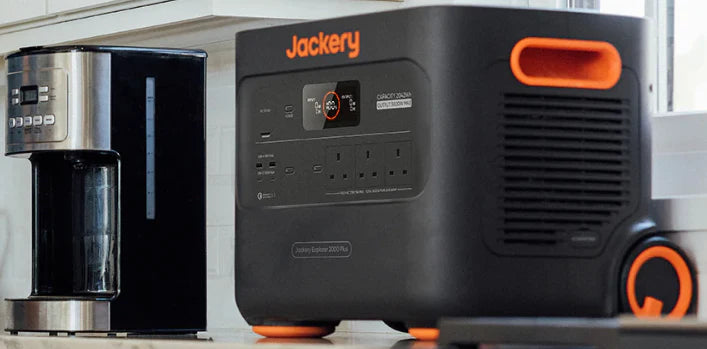
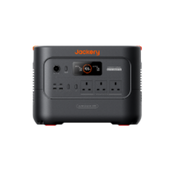
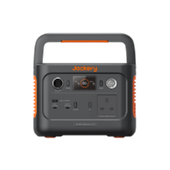
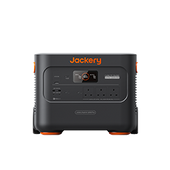
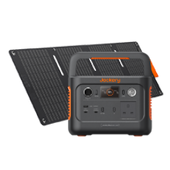
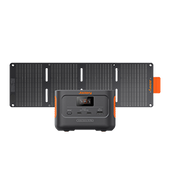
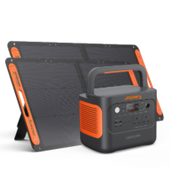
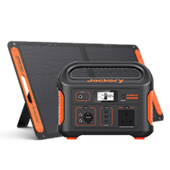
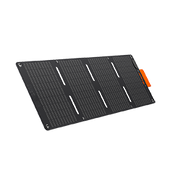
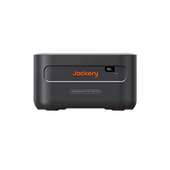
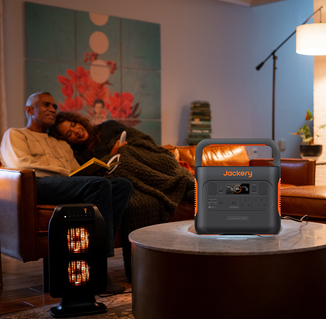
Jackery Solar Generators offer a clean, quiet, and dependable solution to keep your refrigerator running during a blackout. This prevents costly food waste and the headache of a major odor problem.
-
Jackery Explorer 3000 v2
- Can power a typical refrigerator (rated at 200W) for an impressive 24-48 hours on a single charge.
- Its Uninterruptible Power Supply (UPS) feature provides a seamless switchover in less than 20 milliseconds.
- Ideal for major outages or large, energy-hungry refrigerators.
-
Jackery Solar Generator 2000 v2
- Can power a 300W refrigerator for 5.3 hours, giving you ample time to ride out common power interruptions.
- Like all Jackery Solar Generators, it can be recharged with solar panels for continuous power during prolonged events.
- A versatile option for moderate needs and shorter blackouts.
Using a Jackery generator is a proactive investment in protecting your food and preventing the deep-seated refrigerator smells that come from spoilage. It's a key part of modern home preparedness.
Troubleshooting Common Fridge Odor Questions
Even with the best efforts, questions can arise. Here are answers to some common troubleshooting queries.
Why did the smell come back?
If the odor returns shortly after cleaning, it's likely a spot was missed. Re-inspect the drip pan located underneath the fridge, as it can collect stagnant water. Also, check the drain line for clogs and meticulously clean the door gaskets again.
Is it safe to eat food from a smelly fridge?
Exercise extreme caution. An odor is a sign of bacteria or spoilage, and consuming contaminated food can lead to illness. The safest rule is: "When in doubt, throw it out"
When should I call a professional?
If the smell is chemical, metallic, or smells like burning plastic, it could indicate a mechanical failure, such as a coolant leak or an electrical issue. If a foul odor persists after multiple deep cleans, it's time to call a qualified appliance repair technician.
Is it time to replace my fridge?
Consider replacement if your refrigerator is old, inefficient, and the odor has deeply permeated the plastic or insulation. In some cases, the smell becomes impossible to remove completely, and investing in a new, more efficient model is the best long-term solution.
Follow local UK regulations for appliance disposal by removing doors or disabling latches before disposal. Knowing what temperature should my refrigerator be on can also help you assess its performance.
Maintain a Permanently Fresh Refrigerator
Eliminating refrigerator odor is a three-part strategy: a thorough deep clean to remove the source, natural deodorizers to neutralize any lingering smells, and consistent preventative habits to keep it fresh. Most odors are entirely fixable with the steps detailed here, restoring your confidence in the food you store.
Ultimately, the best cure is prevention. By managing your food inventory, cleaning spills promptly, and preparing for power outages, you can avoid the problem altogether.