















![[Over £1200 Tier Gift] Bluetooth Speaker with Phone Stand - shipped Separately](http://uk.jackery.com/cdn/shop/files/Portable_Bluetooth_Speaker_with_Phone_Stand_2.png?v=1781595581&width=170)
















Unexpected NIE power outages can bring daily life to a standstill, causing inconvenience and stress. This guide provides practical, actionable advice for preparing for, managing, and recovering from an outage, ensuring your household remains safe and connected.
How to Check and Report NIE Power Outages
Before taking any other action, consult the official NIE Powercheck map to determine if an outage is localized or widespread. This is the most reliable source of information during an outage.
How Do I Use the NIE Powercheck Map?
The map shows all reported faults across Northern Ireland. It details affected postcodes and provides an estimated restoration time, which is updated as crews work on the issue. The key on the Powercheck map indicates Power Cuts, Planned Outages, and Multiple Outages.
Not all low voltage planned outages are displayed on the map. Reasons an outage might not be displayed include:
- It has not yet been reported to NIE Networks.
- Your premises may be located far from the affected equipment.
- Work on the fault has not yet started.
- Work has already been completed.
What Should I Check Before Reporting a Fault?
Before you report a new fault, run through this quick checklist:
- Check Your Property: First, check if your own trip switches or fuse box have activated. A tripped switch can be the simple cause of your power loss.
- Check with Neighbours: Ask your immediate neighbours if their power is also out. This helps determine if the fault is isolated to your home or affects the wider area.
- Note the Time: Make a note of the exact time the outage began. This information is crucial when you report the fault.
How to Report a Fault Effectively
If the checklist confirms a wider outage not yet on the map, report it to NIE Networks promptly. Immediately report damaged electricity network equipment by calling 03457 643643.
- Online Reporting: The fastest way to log a new outage is by using the online reporting form on the Powercheck website. This gets your fault into the system immediately.
- Phone Helpline: For urgent issues, or if you cannot access the website, call the 24/7 helpline at 03457 643 643.
- Provide Key Information: When reporting, have your full postcode, the outage start time, and any observations like downed power lines or visible damage to equipment ready.
- Crucial for Vulnerable Residents: When you report the fault, clearly state if anyone in the household relies on medical equipment. This helps NIE Networks understand the urgency.
Staying Safe and Supporting Vulnerable People During a Blackout
Once an outage is confirmed, your priority shifts to safety and preserving your home's resources.
What Are the Immediate Safety Steps?
- Unplug Electronics: Disconnect sensitive electronics like TVs, computers, and game consoles from the wall. This protects them from a potential power surge when electricity is restored.
- Keep Doors Closed: Keep your fridge and freezer doors shut as much as possible. This simple action helps maintain the internal temperature and preserves food for longer.
- Avoid Downed Lines: Never touch or approach damaged electricity network equipment. Assume it is live and dangerous, keep a safe distance, and report it to NIE immediately.
- Use Generators Safely: If you use a petrol or diesel generator, only operate it outdoors and far away from windows and doors to prevent carbon monoxide poisoning.
What About Medical Needs and Priority Services?
For households with vulnerable residents, proactive planning is essential. Inform neighbors, especially vulnerable individuals.
- Who Should Register: Anyone dependent on life-sustaining electrical equipment, such as a CPAP machine, oxygen concentrator, or home dialysis machine, should register. The service also supports those with other vulnerabilities, such as the chronically ill or elderly.
- How to Register: You can sign up for the Priority Services Register through the dedicated section on the NIE Networks website.
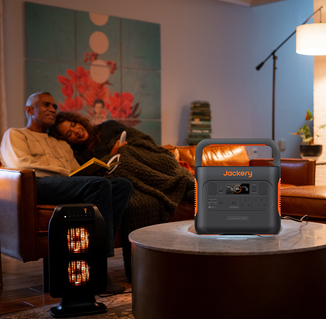
- Realistic Expectations: Registration helps NIE prioritise support, but it does not guarantee uninterrupted power. During severe storms, access issues can still cause delays, so having a reliable backup plan is vital. A silent, indoor-safe portable power station is an excellent solution for running essential medical devices without fumes or noise.
Choosing Your Backup Power: From Phone Chargers to Home Essentials
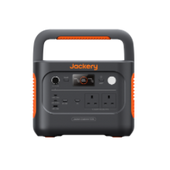
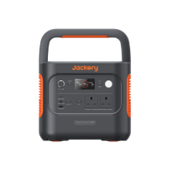
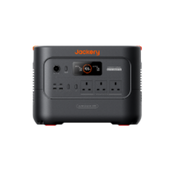
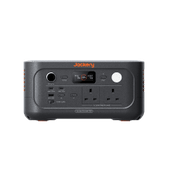
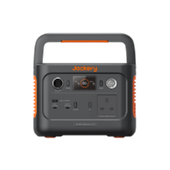
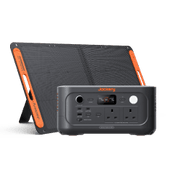
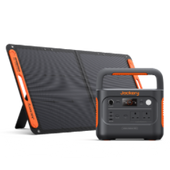
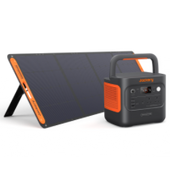
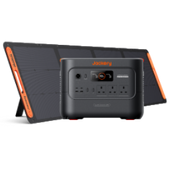
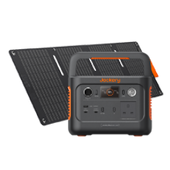
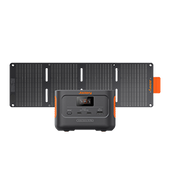
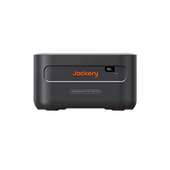
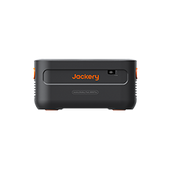
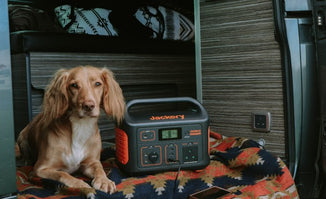
Selecting the right backup power solution depends on what you need to power (wattage) and for how long (capacity). Jackery offers a tiered range of solar generators to meet every need during NIE power outages.
|
Tier |
Use Case |
Recommended Solution |
Key Features |
|
1 |
Basic Connectivity & Lighting |
Charges a phone 13 times, powers LED lights. |
|
|
2 |
Essential Comforts |
1070Wh capacity, runs a router for 35.1 hours. |
|
|
3 |
Core Home Backup |
2042Wh capacity, UPS function (<20ms), 1.7-hour recharge. |
Why Should I Add Solar Panels?
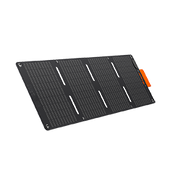
Pairing any Jackery Solar Generator with solar panels gives you true energy independence. During an extended, multi-day outage, you can recharge your power station using only sunlight, ensuring you never run out of power.

Managing the Outage: Food Safety, Communication, and Claims
While waiting for power to be restored, focus on managing your resources and staying informed.
How Can I Ensure Food Safety?
Your fridge and freezer can maintain their temperature for a limited time.
- A full freezer will typically keep food frozen for about 48 hours if it remains unopened.
- A fridge will keep food cool for about 4 hours.
- If you need to discard spoiled food, take photos with timestamps before you do. This documentation is essential for any potential insurance or compensation claims.
How Do I Stay Informed and Connected?
Rely on official channels for accurate information.
- Primary Source: The NIE Powercheck map is the most reliable source for official restoration times.
- Secondary Source: Local community social media groups can provide useful situational awareness, but always verify information against official sources before acting on it. Also check out our North Ireland Power Cut Guide for more information.
Can I Get Compensation for an Outage?
NIE Networks has a compensation policy for power loss, but it is important to understand its limitations.
- Planned Outages: Compensation may be available if less than 2 days' notice was given.
- Unplanned Outages: Compensation criteria are duration-based.
- Severe Weather Exemption: Payments are often excluded for outages caused by severe weather events, which are a common cause of widespread black outs. Check the current policy on the NIE website to understand your eligibility. Document the outage duration and any financial losses for your records.
Preparing for the Next Outage: A Simple Household Plan
The best time to prepare for a power cut is before it happens. A simple plan can make a significant difference.
What Should Be in My Emergency Kit?
Assemble a kit with essential supplies that is easy to access in the dark.
- Essentials: Include torches with spare batteries, a battery-powered or wind-up radio, a complete first-aid kit, and fully charged power banks.
- Food & Water: Keep a stock of non-perishable food that requires no cooking, along with several litres of bottled water.
How Do I Create a Power Plan?
Know exactly what you need to power before an outage strikes.
- Identify Critical Devices: Make a list of the electronics and appliances you cannot live without, such as a medical device, the fridge, or your Wi-Fi router.
- Test Your Solution: Before an emergency, test your chosen backup power solution. Ensure it can run your critical devices for the expected duration, as outlined in this comprehensive guide on dealing with power cuts.
What Are Some Long-Term Preparedness Actions?
Take these steps well in advance of any outage.
- Register for Priority Services: If you or someone in your household is eligible, register on the NIE Networks website before an emergency occurs.
- Document Valuables: Keep digital copies of photos and receipts for major appliances. This will simplify any future insurance claims for damage caused by power surges or spoilage. For more tips, explore how to prepare your home for power outages in cold weather.
For more information on preparing for outages in other regions, see our London power outage guide. Or, visit the official Jackery UK site to find the right power solution for your home.
Frequently Asked Questions
1. How can I effectively manage my household's energy consumption during an outage to maximize the life of my backup power solution?
First, power only essential appliances like your fridge, a light, and a device for communication. Use these items in a staggered manner rather than all at once to extend your backup power's runtime.
2. Beyond the official NIE channels, are there reliable community or local government resources that provide real-time updates during prolonged outages?
Local council websites and social media pages often share updates on community hubs or emergency centres during major events. Local radio stations are also an excellent source of real-time information and community support announcements.
3. What specific steps should I take to safely restart sensitive electronics once power is fully restored after an outage?
Wait at least 10-15 minutes after power is steadily restored before plugging in and turning on sensitive electronics. This helps avoid potential damage from any initial voltage fluctuations as the grid stabilises.
4. If I experience repeated, short "blips" or intermittent power fluctuations, what are the potential long-term risks to my appliances?
These fluctuations can degrade and damage the internal components of electronics over time, shortening their lifespan. A Jackery power station with a UPS function provides a buffer, ensuring your devices receive clean, stable power.
5. For residents living in very remote or hard-to-reach areas, are there any alternative methods for reporting an outage or receiving updates if mobile phone service is completely unavailable?
If you have a landline, it may still work and can be used to call the NIE helpline. Alternatively, establishing a pre-arranged check-in system with a neighbour who has a different communication method can be a reliable fallback.


