






































When enjoying outdoor time in a motorhome, comfort is paramount. Adding a portable air conditioner for auto can significantly enhance your travel comfort. With so many air conditioners on the market, it's critical to consider size, efficiency, and features when choosing the model that's ideal for you.
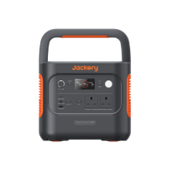
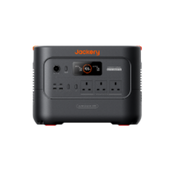
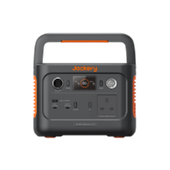
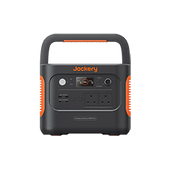
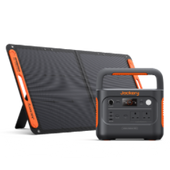
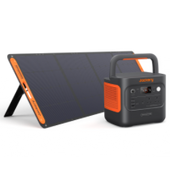
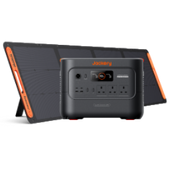
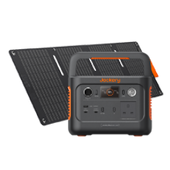
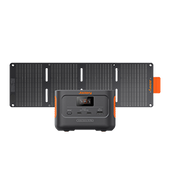
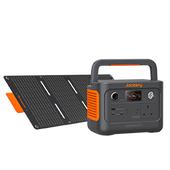
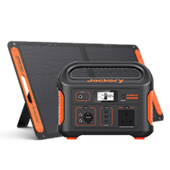
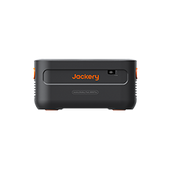
In the UK market, the average power usage of a portable air conditioner for auto is around 700-2500W, which equates to 0.7-2.5 kWh per hour. To maximise energy consumption, try utilising the Jackery Portable Power Station to power the portable air conditioner on auto.
|
Key Takeaways: |
|
Basic Understanding of Portable Air Conditioners for Auto
A portable air conditioner for an auto is a versatile cooling and heating appliance that can be readily transported from one location to another.
Unlike traditional air conditioning systems, which require permanent installation, portable air conditioners for auto offer versatility, ease of installation, and a range of power supply options, making them ideal for campervans. They typically include a compressor, a condenser, and an evaporator in a single unit.
How do portable air conditioners work for an auto?
Portable air conditioners for auto function by absorbing heat from the inside of the vehicle and releasing it outside. These air conditioners use a cooling system to pull in warm air and cool it. The chilled air is then recirculated throughout the cabin, enhancing overall comfort.
While most portable air conditioners for auto are designed only to cool, some advanced models can also provide heat. In heating mode, the unit reverses its internal process by switching the direction of the refrigerant flow. This allows the system to absorb heat from outside and release it inside the vehicle, thus heating the interior.

Main Types of Portable Air Conditioners for Auto
Portable air conditioners for auto mainly come in three types:
Plug-in Car Air Conditioners: These are compact devices that connect to the vehicle's cigarette lighter socket or a 12V power outlet. They are useful for quick, localised cooling, but are best suited to tiny or single-passenger vehicles.
Mini Car Air Conditioners: These devices are often called evaporative coolers, and they use the evaporation of water to cool the air. They are lightweight and sometimes double as humidifiers.
Portable truck air conditioning units: Large vehicles like trucks require more powerful cooling capabilities. Portable truck air conditioners are typically connected to the vehicle's power supply, but have a larger cooling capacity sufficient to handle the larger cab.
How Much Power Does the Portable Air Conditioner for Auto Consume?
Portable air conditioners for auto in the UK market typically consume between 700 and 2500 watts, with the most widely used types averaging 1000 to 1200 watts. To calculate its energy usage, multiply the power (in kW) by the number of operating hours.
For example, a 1200W portable air conditioner set to run automatically for 6 hours consumes 7.2 kWh of electricity every day.
In the UK, a portable air conditioner for automotive use consumes between 0.7 and 2.5 kWh of electricity per hour. This power consumption is much higher than that of floor fans (40-100 watts) and tower fans (25-60 watts), but less than that of central air conditioning systems.
However, the actual power consumption of a portable air conditioner for an auto is influenced by several factors, including type, power rating, cooling mode, ambient temperature, and power supply.
Is A Portable Air Conditioner for Auto Power-Consuming?
Compared with other household appliances, a portable car air conditioner might be considered a medium-powered device. To further understand its power consumption, we compare it to typical household appliances:
|
Electrical Appliances |
Typical Power (W) |
Power Consumption per Hour (kWh) |
|
LED bulbs (10 pieces) |
100W |
0.1kWh |
|
Laptop |
50–80W |
0.05–0.08kWh |
|
Electric fan |
50–100W |
0.05–0.1kWh |
|
Refrigerator |
100–200W |
0.1–0.2kWh |
|
Microwave oven |
800–1200W |
0.8–1.2kWh |
|
Portable air conditioner for auto |
1000–1200W |
1–1.2kWh |
|
Washing machine |
1500–2000W |
1.5–2kWh |
|
Dryer |
2000–3000W |
2–3kWh |
The above information is for reference only. The actual power consumption of electrical equipment will vary depending on the equipment model, usage time, and other factors.
In terms of immediate power, a portable air conditioner for auto is comparable to a microwave oven, outperforming low-power equipment like lights, computers, and fans. In terms of usage time, air conditioners often operate continuously for several hours; their overall power consumption is substantially larger than that of short-duration equipment such as microwaves.
Practical Tips To Reduce Portable Air Conditioner for Auto Energy Usage
Reducing the power consumption of a portable air conditioner for an auto doesn't mean sacrificing comfort; rather, it means optimizing power supply through scientific settings and proper operation. Here are some practical tips for reducing the energy consumption of portable car air conditioners.

Tip 1: Set a Suitable Temperature
Setting the air conditioner temperature between 22 degrees Celsius ensures comfort while significantly reducing the compressor load. For every 1°C decrease, energy consumption may increase by 6–8%. Avoid setting the temperature to the lowest setting, as this not only wastes electricity but can also lead to an uncomfortable, overly cold interior.
Tip 2: Ventilate Beforehand
Before getting into the car, open the doors or windows for 2-3 minutes to let out any heated air. This allows the air conditioner to start without having to cool down from a high temperature, considerably lowering initial energy consumption and increasing cooling efficiency.
Tip 3: Avoid Frequent Air Conditioning Start-up and Stopping
Frequent starting and stopping cause the compressor to start at full power, which consumes more electricity. It is advised that the air conditioner run constantly in constant temperature mode, or that you use an intelligent temperature control device that allows the system to automatically adjust the operating frequency.
Tip 4: Adjust the Air Vent Direction
Cool air naturally sinks. It is recommended to angle the air vents upwards to promote air convection and achieve a more even cooling effect, avoiding localised overcooling that would cause the air conditioner to run continuously.
Tip 5: Park in Shady Spots to Reduce Heat Load
Park your car in the shade, in an underground garage, or use sunshades or car covers whenever possible. Sunshades have been shown in tests to lower the initial interior temperature by 15-20°C, resulting in a considerable reduction in the energy use of air conditioners at start-up.
Tip 6: Prioritise External Power
In campgrounds, parking lots, or other areas with mains power, use 220V AC electricity to prevent exhausting your vehicle's battery and achieve zero-fuel cooling. Alternatively, you can use a portable power source like the Jackery Explorer 1000 v2 or 2000 v2, which can power the portable air conditioner for auto for several hours.

Jackery: A Green Tool that Effectively Reduces the Power Consumption of Portable Air Conditioners for Auto
While a portable air conditioner for an auto can create a comfortable climate, its energy consumption is an issue. Jackery addresses this by providing clean, consistent off-grid electricity to portable air conditioners for autos, effectively reducing reliance on the vehicle's engine while significantly lowering fuel consumption and carbon emissions.
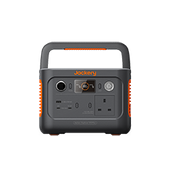
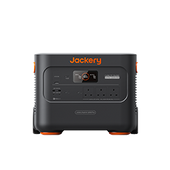
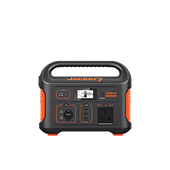
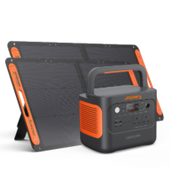
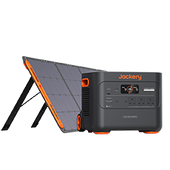
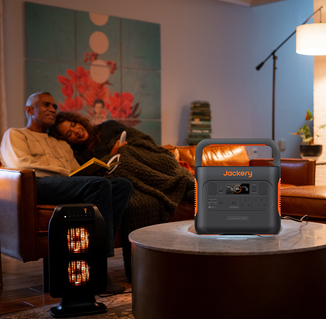
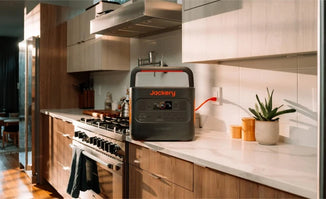
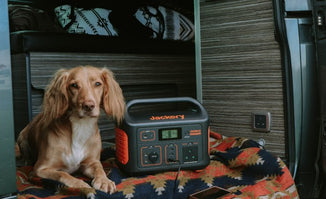
No matter you are a long-distance driver, a camping enthusiast, or a city commuter, the Jackery Portable Power Stations can help you create a more energy-efficient, ecologically responsible, and comfortable in-car environment. The Jackery Explorer 1000 v2 and Explorer 2000 v2 models provide sustainable power options for portable air conditioners for auto, each with its own set of advantages.
Jackery Explorer 1000 v2 Portable Power Station
Here are some of the key advantages of the Jackery Explorer 1000 v2 for powering a portable air conditioner for auto:

Large Battery Capacity for Long-Lasting Power Supply
The Jackery Explorer 1000 v2 boasts a large 1070Wh battery capacity, providing continuous power for a typical 100W portable air conditioner for up to 7–8 hours. This fully meets the overnight cooling needs during rest or long drives, eliminating the need for frequent charging and greatly enhancing ease of use.
High Power Output, Strong Compatibility
The Jackery Explorer 1000 v2 supports up to 1500W power output (peak power 3000W), easily powering most portable air conditioners for auto on the market. It can even simultaneously power multiple devices such as small refrigerators, LED lights, and laptops, making it an ideal power center for outdoor travel or multi-device users.
Fast Charging, Flexible Multi-Mode Recharging
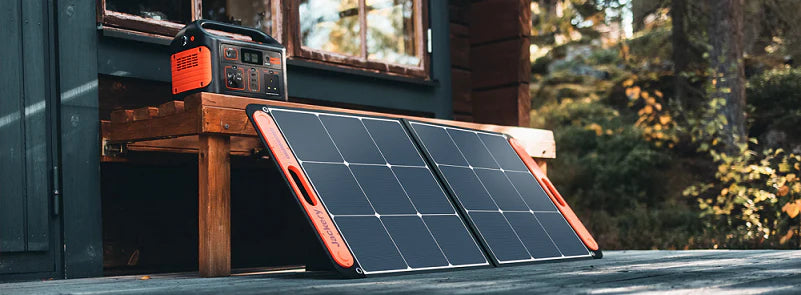
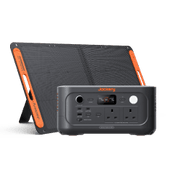
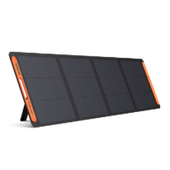
The Jackery Explorer 1000 v2 has three charging options: AC, solar, and vehicle charging. AC charging takes approximately 1.7 hours to completely charge. With two Jackery SolarSaga 200W solar panels, it can be fully charged in roughly 3.8 hours in sunny conditions, providing a green energy cycle from sunlight ideal for camping and long-distance travel.
Intelligent Management and Rugged Design, Adaptable to Various Environments
The Jackery Explorer 1000 v2 has a clear LCD screen that shows real-time battery level, power, and input/output status. It also allows Bluetooth connection to the Jackery App for remote monitoring and management. The Explorer 1000 v2 features a high-performance lithium iron phosphate (LFP) battery that can last up to 10 years and 4000 charge cycles (capacity maintained at 70%), offering better endurance and reliability.
Jackery Explorer 2000 v2 Portable Power Station
The Jackery Explorer 2000 v2 is a top choice for powering portable auto air conditioners primarily because it balances high continuous power with a massive battery capacity in a design that is significantly more portable than previous generations.

Sustained Cooling Runtime
A typical portable AC (like the Enjoy Cool 2380BTU can draw between 200W and 700W. With a 2042Wh capacity, the 2000 v2 can run a standard portable AC for approximately 3 to 8 hours continuously, depending on the unit's cooling mode and ambient temperature. Use the Jackery app via Wi-Fi or Bluetooth to monitor real-time power usage, toggle the built-in LED light, or activate Silent Charging mode (under 30dB) for quiet operation at night.
High Power Headroom
AC compressors have a "surge" draw when they first kick on. The 2000 v2 delivers 2200W of continuous output and a 4400W surge peak, ensuring the unit won't trip or shut down during the cooling cycle. For example, it can run a 1000W portable AC for approximately 1.6 hours continuously, or much longer if using an efficient inverter-style AC unit.
Best-in-Class Portability
Despite its high capacity, it is 41% smaller and 35.6% lighter than typical 2kWh stations. At approximately 39.5 lbs (17.9 kg), it is much easier to move in and out of a vehicle compared to older, bulkier 2kWh models. This compact "basketball-sized" footprint makes it much easier to fit into a vehicle or move between your car and campsite.
Fast Vehicle Recharging
If you are on a road trip, you can utilise the Emergency Super Charge mode to top off the battery quickly from an AC outlet at a campsite or rest stop (0-100% in ~1.7 hours). In a vehicle, it can be charged via the 12V car port, though this takes significantly longer (around 24 hours for a full charge). Or you can recharge it with Jackery SolarSaga panels (400W solar input), which takes 5.5 hours.
Factors to Consider When Buying a Portable Air Conditioner for an Auto
When purchasing a portable air conditioner for your vehicle, several factors must be considered to ensure optimal performance and comfort. Here are some things to pay attention to:

Physical Dimensions
Portable air conditioners for auto range in size from 25 to 35 inches tall and 12 to 18 inches wide. Ideally, they should weigh less than 40 pounds (18 kg) and have handles or wheels for easy transporting.
Power Compatibility
Most portable car air conditioners operate on 12V DC power, while some require external batteries or wires. The most convenient devices support several power sources, including AC, DC, solar, and replaceable batteries. This versatility is especially beneficial for individuals who use portable air conditioners while camping or driving in remote areas.
Energy Efficiency
A less energy-efficient portable air conditioner for a car will drain your car battery faster or increase fuel consumption if your car engine must run continuously to keep the unit operational. Choosing a device with a greater Energy Efficiency Ratio (EER) can reduce your electricity bill. You may find the energy efficiency rating on the label or product description.
Ease of Installation
Choose a lightweight and easy-to-install model. Some models come with mounting brackets or clips that securely attach to the vehicle without any permanent modifications. Others can be placed independently, easily moved within the vehicle, and placed anywhere as needed. Additionally, clear installation instructions and necessary accessories should be included.
Noise Level
A quieter portable air conditioner for auto enhances comfort, especially when resting or sleeping. If you are sensitive to noise, check product reviews to see how quietly it operates. Please choose a model with a noise level below 50 decibels. Generally, evaporative air conditioners are quieter than compressor-type air conditioners.
Dual Functionality
If you frequently travel during seasonal changes or camp in your car, a portable car air conditioner with heating is a wise choice. It saves space and enhances comfort without requiring a separate device.
How to Maintain the Portable Air Conditioner for Auto?
Of course, adequate maintenance is required to maximise the performance and longevity of your portable air conditioner for cars. Please consider the following suggestions:
Avoid Prolonged High-Load Operation
After 4-5 hours of continuous use, halt and let the gadget cool down. Prolonged high-load operation can result in overheating protection and component ageing.
Clean the Filter Regularly
Over time, the filter might become clogged, resulting in decreased airflow, lower cooling performance, and mould growth, which causes unpleasant odours. It should be cleaned at least once a month, if not more frequently. Replace the filter every 6 to 12 months.
Empty the Water Tank to Prevent Mold Growth
If not cleaned on a regular basis, stagnant water in warm conditions can readily produce mould. Rinse weekly with warm water and a neutral detergent, then dry with a clean cloth to avoid biofilm buildup. If used continually in hot conditions, the tank should be emptied at least once a day.
Regularly Check for Leaks and Seepage
If your portable car air conditioner isn't cooling properly, there could be a leak in the system. To check for leaks, visually inspect all air conditioner components. Look for signs such as oil marks or water stains. If a leak is discovered, repair it immediately to avoid further damage to the air conditioner.
Proper Storage
When the device is not in use for a long period, properly clean and dry it to prevent internal mould growth. Keep it in a dry, well-ventilated, dark spot, away from extreme temperatures and humid situations. Use a dust cover to keep dust out. Before usage, inspect the power cord, filter, and cooling effect, then thoroughly clean and sterilise.
Is a Portable Air Conditioner for Auto Worth It?
The portable air conditioner for auto is gradually becoming a favourite among car owners, long-distance drivers, campers, and outdoor workers due to its flexibility, energy efficiency, and portability. However, is it really worth buying and using? The following analysis will address this:
Advantages of the Portable Air Conditioner for Auto
The portable air conditioner for automobiles offers the following key benefits that attract buyers:
Portable and Adaptable: You may easily relocate it from one section of your RV to another, or take it camping outside. This versatility enables you to chill specific regions as needed.
Easy Installation: Most models have an easy installation kit, and installation takes only a few minutes. The installation technique does not require any special tools and may be readily attached to windows or vents.
Energy-Efficient and Environmentally Friendly: Many modern models have energy-saving designs, such as programmable timers, energy-saving modes, and remote controls, which allow you to optimise performance and reduce energy usage based on your requirements.
High Cost-Effectiveness: Purchasing a portable air conditioner is less expensive than installing a fixed air conditioning system in a motorhome. Portable air conditioners typically require a cheaper initial investment and might save you money on installation fees.
Disadvantages of the Portable Air Conditioner for Auto
While portable air conditioners for auto have many attractive advantages, the following disadvantages cannot be ignored:
Power Dependence: Most models require continuous power. Using the vehicle's power supply may affect battery life, especially in older vehicles where starting difficulties are possible.
Regular Maintenance Required: The water tank needs to be emptied daily, and the filter and evaporator need to be cleaned regularly; otherwise, air quality and cooling efficiency will be affected.
Limited Cooling or Heating Capacity: Due to size and power limitations, its cooling and heating range can usually only cover the area of a single or double seat, making it difficult to quickly cool or heat the entire cab of a large SUV or truck.
In short, the portable air conditioner for an auto is a useful option, especially for users who need to maintain a comfortable climate inside their vehicle or are constrained by modification limitations. It is not a total replacement for traditional air conditioning, but rather a versatile, cost-effective, and environmentally friendly supplementary option.
FAQs
The following are frequently asked questions about portable car air conditioners.
1. How does a portable air conditioner for auto cool?
A portable air conditioner for auto draws in warm air from inside the car, cools it through a cooling cycle, and then expels the cooled air outside. They typically require an exhaust hose to expel the hot air outside to ensure efficient cooling.
2. How to Choose the Best Portable Air Conditioner for Your Car?
Choosing the right portable air conditioner for an auto depends on several factors:
Vehicle Size: A small car air conditioner may be sufficient to cool a small car, but a truck or van requires more power.
Cooling Method: Evaporative coolers versus refrigeration portable air conditioners.
Power Supply: Most car plug-in air conditioners use 12V DC power, but some require an external battery or cable.
Portability: Some devices are small and easy to move, while others are larger but more powerful.
3. How can I increase the cooling performance of a portable auto air conditioner?
To optimise the effectiveness of a portable air conditioner for an auto, ensure it is well-maintained. Regularly inspect and change the filter, and ensure that the refrigerant level is sufficient. Using a parasol and parking in the shade can also lower indoor temperatures, allowing the air conditioner to work more efficiently.
4. Is it necessary to ventilate a portable auto air conditioner?
Yes, a portable air conditioner for an auto needs ventilation. Ventilation is essential because these devices absorb heat from the interior air and must be vented to the outside to cool properly. Most portable air conditioners for auto have an exhaust pipe that may be connected to a window or other opening to vent heat outside. You can vent through sliding windows, window ventilation kits, or wall vents.
Final Thoughts
A portable air conditioner for an auto can be a smart and flexible solution for precise cooling and heating. When choosing a portable air conditioner for an auto, consider your specific needs, including the right size, low energy consumption, and noise levels.
To effectively optimise energy consumption, besides avoiding frequent start-ups and shutdowns, you can also use a solar power system to power your portable air conditioner for auto. The Jackery Explorer 1000 v2 and Explorer 2000 v2 support charging via solar power, AC power, and other methods, powering the portable air conditioner for auto.