










































Heating a pool in the UK often means battling the climate and high energy costs. Solar pool heaters offer a cost-effective solution, using the sun to raise water temperatures by 3–6°C. While they function as "season extenders" rather than year-round heaters, they significantly reduce utility bills and keep the water comfortable during the months you swim the most.
How a Solar Pool Heater Works: Thermal vs. Photovoltaic
Solar pool heating systems generally fall into two distinct categories:
Direct Thermal Systems
Direct thermal systems circulate pool water through roof-mounted collectors to absorb heat directly. These collectors, typically mats or tubes, transfer thermal energy immediately to the water passing through them.
Direct thermal heating offers high efficiency because no energy conversion occurs. The thermal transfer per square metre is substantial, making it the most cost-effective way to raise water temperature directly.
Photovoltaic (PV) Systems
Photovoltaic systems generate electricity via standard solar panels to power a separate electric heater or heat pump. Unlike thermal mats, PV setups convert solar energy into electricity before creating heat.
This two-step process is generally less efficient for direct warming than thermal systems but offers versatility for powering other pool equipment.
How Does the Circulation Loop Function?
The circulation loop integrates with your existing filtration setup to divert water to the collectors. A pump moves water from the pool, through the filter, and up to the roof.
Automation is critical; sensors monitor the temperature of both the collectors and the pool water. The system engages the valve to divert water to the roof only when the collectors are hotter than the pool, preventing heat loss on cloudy days.
Types of Solar Heating Systems and UK Suitability
Not all collectors perform equally in the British climate. Selecting the right type depends on your budget, location, and whether you are heating an indoor or outdoor pool.
What Are Unglazed Polymer Mats?
Unglazed polymer mats are heavy-duty rubber or plastic collectors containing numerous small tubes. These mats are the standard choice for residential outdoor pools due to durability and low cost.
Unglazed systems perform excellently during the summer months when direct sunlight is available. However, they are inefficient in windy or cool weather because they lack insulation. Owners must drain these mats in winter to prevent freezing, making them strictly a seasonal solution.
When Should You Use Glazed Collectors?
Glazed collectors are best used for indoor pools or extending the season into spring and autumn. These systems feature copper tubing within an insulated glass-covered box or vacuum-sealed tubes.
The design mimics a greenhouse to trap heat, offering superior performance in marginal weather compared to unglazed mats. While significantly more expensive, glazed collectors minimize heat loss to the wind or cold air.
What Is a Hybrid PVT System?
A Hybrid PVT system combines solar electric generation with thermal heating in a single unit. Pool water circulates behind the PV cells, cooling the panels to improve electrical efficiency while absorbing waste heat.
Hybrid PVT is a space-saving solution for homes with limited roof area. It allows you to generate electricity for the home while simultaneously contributing heat to the pool.
Effectiveness in the UK Climate: Realistic Expectations
The UK climate presents specific challenges for solar heating. Marketing materials often promise year-round swimming, but the physics of solar energy dictates a different reality.
When Is the Effective Season?
The effective season for solar thermal systems in the UK runs from May to September. During this window, the sun angle delivers sufficient energy to overcome surface heat loss. Outside these months, solar gain is usually too low for standalone heating.
How Much Will the Temperature Rise?
A well-sized solar system typically raises pool temperatures by 3–6°C above the unheated baseline. This temperature increase happens gradually rather than instantly. While a 6°C rise turns a freezing pool into a refreshing one, the system will not mimic a hot tub without backup.
How Does Weather Affect Performance?
Output is intrinsically linked to weather conditions. Performance drops significantly on cloudy days, and there is zero output at night.
What Is the Degree-Day Approach?
The degree-day approach views solar as a method to reduce the load on gas or electric heaters rather than a standalone solution for a constant 28°C. By pre-heating the water, the system reduces paid energy costs. Similar thermal principles apply when heating a greenhouse with solar, where insulation and thermal mass are equally critical for retaining captured heat.
Optimising Performance: Best Practices for UK Owners
Installing the hardware is only half the battle. How you manage the pool environment dictates the efficiency of the system.
Why Is a Pool Cover Essential?
A solar pool heater is ineffective without a high-quality pool cover because evaporation accounts for the majority of heat loss. A bubble blanket allows solar energy to penetrate the water during the day and acts as an insulator overnight. Without a cover, the heat gained by the system is lost to the cool night air.
How Should You Size and Orient Collectors?
Collectors function best on south-facing roofs, though east or west orientations work with larger surface areas. The general sizing rule for the UK is that the collector area should equal 50–100% of the pool's surface area. A ratio below 50% often results in disappointing temperature gains.
How Do You Manage Flow Rate?
Modern setups benefit from variable-speed pumps that adjust flow rate to match solar intensity. Proper flow management ensures water spends the optimal time in the collector for maximum heat transfer.
What Maintenance Is Required?
Maintenance requires keeping collectors clean of leaves and bird droppings that block sunlight. Winterisation is critical for unglazed systems; owners must drain the mats completely before the first frost to prevent freezing water from splitting the tubes.
Comparing Solar to Other Heating Options
To understand the value of a solar pool heater, it helps to compare it directly with conventional heating methods.
|
Feature |
Solar Thermal |
Air-Source Heat Pump (ASHP) |
Gas/Electric Resistance |
|
Energy Source |
Sun (Free) |
Electricity + Air |
Gas or Electricity |
|
Running Cost |
Near Zero |
Low to Moderate |
High |
|
Reliability |
Weather Dependent |
High (above 10°C air temp) |
100% Reliable |
|
Speed |
Slow |
Moderate |
Fast |
|
Installation Cost |
Moderate |
High |
Low to Moderate |
|
Season |
May–Sept |
April–Oct |
Year-Round |
How Does Solar Compare to Heat Pumps?
Air-Source Heat Pumps (ASHPs) provide reliable heat with a Coefficient of Performance (COP) of 3 to 5, meaning 1kW of electricity generates 3–5kW of heat. Solar thermal offers free energy but lacks this consistency. A common strategy involves using solar to reduce the ASHP's daytime workload.
How Does Solar Compare to Gas or Electric?
Gas and electric heaters provide fast heating on demand but incur high running costs and carbon emissions. Solar is slower but operates at near-zero cost. While replacing gas entirely is rarely feasible, using solar for the "base load" slashes bills. For more on outdoor heating efficiency, read our tips for patio heaters to understand balancing energy sources.
Combining Technologies: The Hybrid Strategy
The most effective solution for the UK is often a hybrid approach. This combines the free energy of solar with the reliability of modern technology.
What Is the Base Load Strategy?
The base load strategy uses an Air-Source Heat Pump to maintain a baseline of 24°C, while the solar thermal system tops this up to 28°C on sunny days. This hybrid approach ensures the pool is always usable while maximizing free energy.
How Can You Manage Pumps Off-Grid?
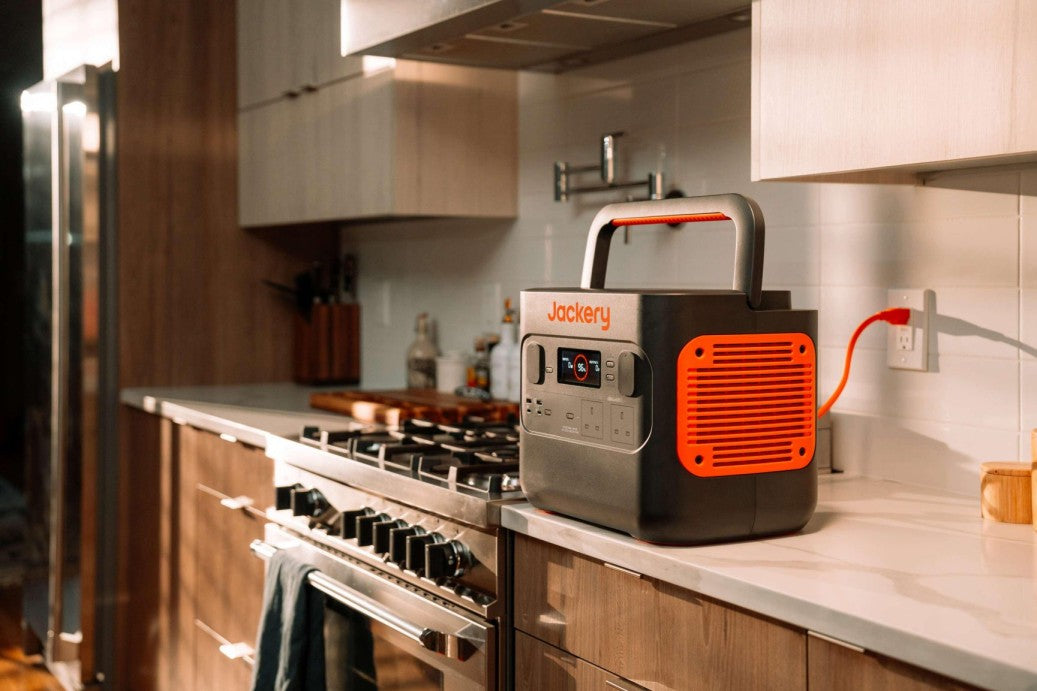
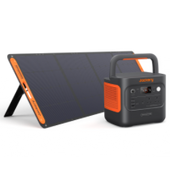
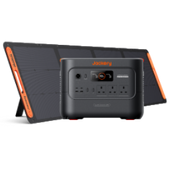
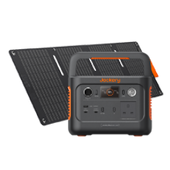
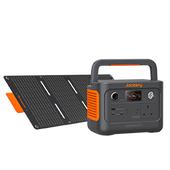
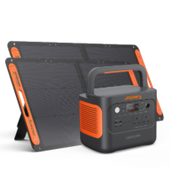
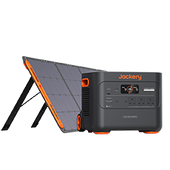
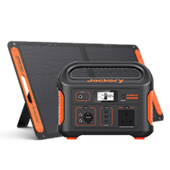
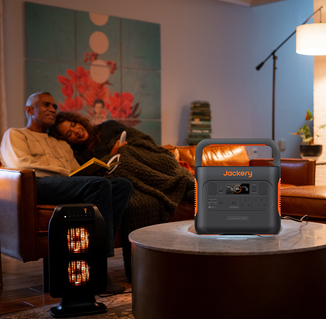
Solar energy can power the circulation pumps required for the thermal loop using portable power stations. Moving water requires electricity, and using grid power can erode savings. A Jackery Solar Generator allows you to run filtration and circulation pumps independently of the grid.
Jackery Solar Generator 3000 v2
- Capacity: 3072Wh
- Output: 3600W
- Battery: LiFePO4 (4000+ charge cycles)
- Use Case: Capable of running heavy-duty pool filtration pumps for extended periods, ensuring the solar thermal loop functions without increasing electric bills.
Jackery Solar Generator 2000 v2
- Capacity: 2042Wh
- Output: 2200W
- Portability: Lighter, compact design.
- Use Case: Ideal for smaller pool setups or intermittent pump operation, offering flexibility for garden tasks.
Using a portable solar generator creates a sustainable loop where the sun heats the water and powers the pump. This setup is excellent for outdoor entertainment, as detailed in our guide on the Jackery Solar Generator powering your patio experience.
Why Use Smart Controllers?
Smart controllers automate the system to prioritize solar input. These devices detect when free heat is available and inhibit the backup heater, ensuring you never pay for heat when the sun is shining.
Key Considerations Before Investing
Before purchasing a system, a thorough assessment of your property and goals is necessary.
Is Your Site Suitable?
A suitable site requires unshaded, south-facing roof or ground space. Shadows from trees or buildings drastically reduce efficiency. Ground-mounted arrays are a viable option if roof space is limited but garden area is available.
What Are the Financial Implications?
The Return on Investment (ROI) for solar thermal in the UK typically ranges from 7 to 10 years. You must compare upfront installation costs against projected energy savings to determine viability.
Do You Need Planning Permission?
Most domestic solar installations fall under "permitted development," but exceptions exist. You should check local planning permissions if you live in a listed building or conservation area.
Should You Start Small?
If unsure, trial a high-quality pool cover and a small solar loop before a full overhaul. This test allows you to gauge the thermal performance of your specific location.
Conclusion
Solar heating represents a viable, eco-friendly way to reduce pool running costs in the UK. While it cannot replace conventional heaters entirely for year-round swimming, it serves as an exceptional season extender that capitalizes on free energy.
Combining thermal collectors with a high-quality pool cover yields the best results. For those seeking maximum sustainability, integrating a hybrid system with off-grid power solutions ensures that your pool remains a source of relaxation rather than financial stress. Assess your site’s solar potential today and take the first step toward a warmer, more sustainable pool.