











![[Over £1200 Tier Gift] Bluetooth Speaker with Phone Stand - shipped Separately](http://uk.jackery.com/cdn/shop/files/Portable_Bluetooth_Speaker_with_Phone_Stand_2.png?v=1781595581&width=170)














In the UK, setting up a home theatre typically shows a modern problem: the leads that come with the equipment are rarely long enough to place it professionally on the wall. If you have a short power cord or a misplaced aerial plug, you need to know how to securely utilise a TV cable extension so that your living room stays neat and works well.
The Jackery Portable Power Station is a modern alternative to traditional extension leads. It gives you portable power without the hassle of trailing wires. This article talks about anything from coaxial signal extension and electrical safety to backup power for your entertainment centre that can handle a lot of power.
|
Key Takeaways: |
|
l As long as the lead is properly fused and never overloaded with high-wattage appliances, a high-quality TV cable extension is a safe and effective way to power a screen. l Users should use high-quality shielded cabling and not run a TV cable extension more than ten meters to keep the picture sharp in HD. l One of the most important safety rules is to make sure that any power cord is entirely unwound and uncoiled before usage to avoid the risk of harmful induction heating and fire. l Most TVs come with power cords that are between 1.5m and 1.8m long, however shorter cords are also common. Some high-end OLED devices have been known to come with wires that are only 1.2m long. l A Jackery Explorer 1000 v2 or 500 v2 portable power station is a reliable power source for a full entertainment hub that doesn't need traditional wiring. |
Why Modern TV Power Cables Often Fall Short?
If someone recently bought a new TV and noticed that the power cord barely reaches the outlet, they are not the only one. Modern TV cable extension solutions are becoming more and more important because the cables that come with TVs are shockingly short.
Because it isn't long enough, mounting a screen on the wall is much harder than it has to be. Manufacturers have grown very stringent about cable length for a number of reasons.
The Shift from Traditional Long Leads
In the past, when TVs had big CRT screens, the power cords were usually much longer. These leads were usually between 2.5 and 3 metres long. In the past, this was quite important because TVs were often put on certain pieces of furniture or shelving units that weren't always near a power outlet. Also, older residences in the UK didn't always have as many convenient plugs as newer ones do.
Most TVs at that time did not have power cords that could be removed. If a cable was too short, it couldn't be easily changed. This meant that a substantial length was a usual requirement to keep customers happy.
Modern Length Standards and Professional Installations
Most TVs come with power cords that are between 1.5m and 1.8m long, however shorter cords are also common. Some high-end OLED devices have been known to come with wires that are only 1.2m long. Because of its short length, the cable often can't be routed properly behind a wall mount or through internal trunking.
People often have to mount power strips directly to the wall or leave wires hanging awkwardly across other equipment if they don't have a good TV cable extension. There are two main reasons for this "shrinkflation" of power leads:
Manufacturing Costs: By reducing the length of a cable by just a few dozen centimetres, manufacturers save on raw materials like copper. Even while the savings per unit are tiny, a company can save hundreds of thousands of pounds across ten million units.
Environmental Impact: Shorter cables mean less trash and less package volume. Shipping and moving things around the world also has a smaller carbon footprint when boxes are smaller and lighter.
In the end, manufacturers think that a short cable is plenty for most setups. In many modern living rooms, outlets are placed directly behind the TV for a neat, seamless look. But for people who have more complicated setups or need to mount their TVs on the wall in a traditional way, the basic lead just isn't enough. A durable TV cable extender is a must-have accessory for a professional look.

Is It Safe to Use a TV Extension Lead?
Modern households are increasingly crowded with electronic devices, ranging from kitchen appliances and smart speakers to personal gadgets like smartphones and laptops.
Due to the high volume of electronics, many people rely on an extension lead or power strip to bridge the gap between a device and the nearest wall socket. For those dealing with manufacturer-supplied leads that fail to reach their destination, a common question arises: is it safe to plug a television into a TV cable extension?
While extension leads offer significant convenience, certain high-draw appliances should never be plugged into them. This list includes heavy-duty kitchen equipment, electric heaters, and high-wattage hair styling tools. However, these power solutions are generally perfectly safe for low-wattage electronics.
This category includes items such as Wi-Fi routers, LED lamps, and modern televisions. Provided that general electrical safety guidelines are followed, any television can be used safely with a high-quality extension solution.
Safety Standards for Television Power Extensions
A modern smart TV typically consumes around 100 watts of power, which is considerably less than common household items like kettles or toasters. In the UK, a standard extension lead is usually rated for 13 amps, supporting a total load of up to 3,000 watts.
Because a television uses only a small fraction of this capacity, using a tv cable extension is a safe and effective way to manage a home cinema setup. As long as the extension lead is kept in good condition and is not overloaded with other high-power devices, it provides a stable and secure power source for any screen.
Choosing the Best TV Cable Extension for Your Setup
When picking a TV cable extension, the most important thing is to make sure that the cable can handle the needs of the device. Most of the time, TVs don't use a lot of power, but utilising a lead that isn't rated adequately can cause the TV to overheat or not work as well electrically.
Understanding British Safety Standards and Ratings
In the UK, BS 1363 standards say that a good TV cable extension should meet them. This makes sure that the plug is properly fused and the sockets are safe by being closed. Most UK extension cords can handle 13 amps, which is more than plenty for a modern TV, which normally only needs a 3A fuse.
Amperage and Fuses: It's important to make sure the extension lead has a fuse built in. A 3A or 5A fuse is common for one TV, but a 13A fuse is normal for most multi-socket lines so that you may add more devices like soundbars or gaming consoles.
Cable Gauge and Thickness: The gauge, or thickness, of the wire inside the cable tells you how much current it can safely transport over a distance. A thicker cable lowers electrical resistance, which keeps the voltage steady and stops the lead from getting too hot to touch.
Length and Positioning Considerations
Finding the right length for a TV cable extension is a trade-off between safety and ease of use. It may be tempting to buy a long line "just in case," but too much cabling can make you trip or get tangled.
Don't use cables that are too long. A lead that is much longer than it needs to be can produce a small voltage drop. To get the best power delivery, it's usually best to utilise the shortest lead that can easily reach the destination.
If you utilise a longer cable, you should never leave it coiled up or hidden under a rug. When cables are coiled, they can cause an induction heating effect, which makes fires more likely. For a professional UK home theatre installation, the cable should be either level or put in stylish trunking.
It's a good idea to get a TV cable extension that has built-in surge protection because modern smart TVs have sensitive microprocessors. This keeps the screen safe from rapid changes in the National Grid, which can happen during storms or when maintenance is being done nearby.
By focussing on these technical aspects, a family may make sure their TV stays on safely and reliably, avoiding the problems that come with "shrinkflation" in leads provided by manufacturers.
How to Successfully Extend a Television Signal Cable?
When you need to transfer a TV to a different section of the room, the coaxial wall outlet is typically in the way. To avoid losing the signal or having "ghosting" on the screen, you need the correct parts to extend this connection. A high-quality TV cable extension kit can help you make a sturdy connection between the wall socket and the receiver.
Essential Components for Signal Extension
To properly lengthen a coaxial lead, you need special hardware that can securely connect two leads.
F-Type Couplers: These are little brass or silver barrels with threads that link two wires with F-type connectors on the ends. This is the best way to extend a TV cable because it makes a secure, screened connection that cuts down on interference.
Coaxial Joiners: You can use a simple female-to-female adapter with ordinary aerial lines (IEC connections). To keep these connectors from rusting over time, they should be gold-plated or made of high-quality nickel.
When buying the extension cable itself, it's best to choose one that is "double-shielded" or "triple-shielded." This stops other devices in the house from interfering with the TV, which can make the picture look "pixelated."

How to Install Like a Pro?
Be careful when stretching a cable so that you don't break the fragile copper core inside.
Step 1: Measure the Route
You need to figure out the precise distance you need to go along the skirting board or through the wall. It's a good idea to add a little "slack" to the tv cable extension sockets so they don't get too tight.
Step 2: Attach the Coupler
The cable that is already there goes into one end of the adapter and is either screwed in or pushed in. It should be tight enough to hold with your fingers. Using pliers too much will break the internal pins.
Step 3: Connect the Extension
The opposite end of the coupler gets the new length of cable. To get the greatest results, the tv cable extension should be less than 10 metres long so that you don't require a signal booster or amplifier.
Step 4: Secure the Cable
Use masonry clips or adhesive trunking to keep the cable in place and keep your UK property looking nice. It's important to stay away from severe 90-degree bends since they can kink the cable and crush the interior dielectric, which can damage the signal.
Following these instructions will allow you to place a TV wherever in a room while still getting the high-quality picture that is anticipated from modern UK broadcasting standards.
Common Mistakes You Need to Avoid about TV Cable Extension
To keep a home entertainment system safe, you need to do more than simply set it up correctly at first. You also need to prevent typical practices that might cause electrical problems. A TV cable extension is an important part of modern living rooms, yet many people put themselves at risk by not using it properly. The first step to making your UK house safer is to know about these common blunders.

The Dangers of Daisy Chaining and Inadequate Length
In the UK, a common mistake is "daisy-chaining," which is when one extension lead is plugged into another to reach a corner of the room that is far away. Safety experts strongly advise against this practice since it might generate a big drop in voltage and make each connecting point more resistant to electricity.
This extra resistance creates heat, which might eventually melt the plastic case and start a fire. If the original cable is too short, the only safe thing to do is to get a single, high-quality TV cable extension that is long enough to reach the socket without any problems.
Improper Placement and Heat Build-Up Hazards
The way a power lead moves through a room is just as significant as how much electricity it can handle. To keep things neat, a lot of individuals try to hide their TV cable extension under rugs or carpets. This is a serious mistake because floor coverings hold in the natural heat that electricity makes when it flows, which keeps the cable from cooling down.
Over time, the heat that becomes trapped might damage the wire's insulation. Also, putting wires under doorways or under heavy furniture can cause "pinching," which crushes the copper strands within and generates a "hot spot" that could catch fire if it touches something flammable nearby.
Overloading and Using Incorrectly Rated Leads
Another typical mistake is not checking the amperage rating of a power strip before plugging in more than one item. Most new extension leads in the UK can handle thirteen amps, however older or cheaper ones may only be able to handle ten amps. Even while a TV doesn't use a lot of power on its own, adding high-wattage devices like heaters or vacuum cleaners to the same strip might soon go over the legal limit.
Also, a lot of people fail to completely unwind cable reels before using them. When a TV cable extension is powered on and left coiled, it causes an induction effect that makes the cable operate like a heating element. This can cause the temperature to rise quickly and dangerously.
Expert Recommendations for Using a TV Cable Extension Safely
There aren't any specific UK laws that say how consumers can use extension leads, but laws like the Health and Safety at Work Act 1989 stress how important it is to keep the workplace safe. If you follow these professional suggestions, any TV cable extension you use at home or at work will stay safe and reliable.

Tip 1: Ensure the Extension Lead Has a Fuse
For any TV cable extension, a built-in fuse is an important safety element. If the lead is overloaded by mistake, the fuse will make sure that the circuit shuts down right away to protect it from damage. Because many of these older designs don't have internal fuses, ordinary block or socket adapters are not usually suggested for setting up TVs.
Tip 2: Avoid Covering Leads with Mats or Blankets
Putting a rug or blanket over a power cord is quite dangerous. This method makes it more likely that the TV cable extension may overheat and makes a hidden trip hazard. If you need to hide a cable for looks, use a rubber protection strip instead. The rubber functions as an insulator and keeps the wire from being crushed.
Tip 3: Keep the Cable Unwound and Untangled
A cable that is knotted or twisted is much more likely to overheat than one that is laid out straight. When utilising a reel-style TV cable extension, you need to make sure that the cord is entirely unwound and uncoiled. Leaving wire coiled on a drum can cause deadly heat build-up, even if you don't need the whole length to reach the TV.
Tip 4: Store the Lead Safely When Not in Use
It is important to unplug and store a TV cable extension in a safe place when it is no longer needed. The cord shouldn't be wrapped firmly around the lead's body because this could harm the copper strands inside. Proper storage keeps the cable in good shape so you can use it again later.
Tip 5: Use Outdoor-Rated Leads for Gardens and Outbuildings
You should never put standard indoor extension leads in places where they might get wet, such bathrooms or gardens. If you want to use a TV outside, you need to use a special TV cable extension that is made for outside use. This will keep the TV from shorting out because of moisture.
Tip 6: Disconnect by Pulling the Plug Rather Than the Cord
To make a TV cable extension last longer, customers should always pull on the plug housing itself when they unplug it. Pulling on the flexible cord can damage the connections within, which can cause wires to fray or terminals to come loose. These are common reasons for electrical failure.
Tip 7: Purchase from a Respected Supplier
Cheap leads from unregulated internet marketplaces may seem like a good deal, but they are typically more dangerous and may not exceed UK safety regulations. Before using a TV cable extension, it's important to examine it and be on the lookout for peculiar smells, such smoke or burned plastic. Unplug a lead right away if it feels hot to the touch or makes strange noises. This includes the equipment that is attached to it.
Tip 8: Use Extension Leads for Temporary Solutions Only
It's crucial to keep in mind that a TV cable extension is only meant to be used for a short time. If you use a TV a lot in a place that is far from a wall outlet, the best and safest long-term answer is to have a qualified electrician put in more fixed outlets.
Reliable Power Solutions for Your TV Setup with Jackery
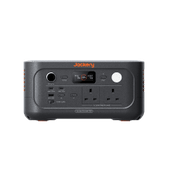
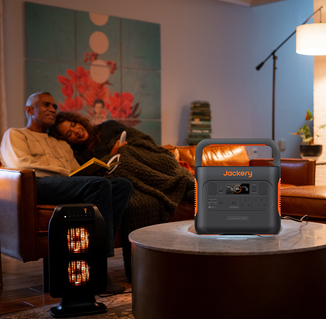
A high-quality TV cable extension can help with distance, but a portable power station adds even more flexibility and readiness for emergencies. Jackery makes innovative power solutions that keep TVs working even when there isn't a wall outlet nearby. These devices are very helpful for people who want to take their home theatre outside or keep power on during a power outage in the area.
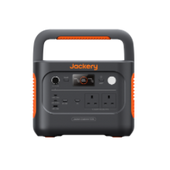
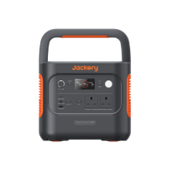
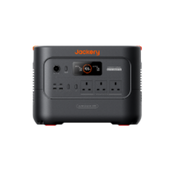
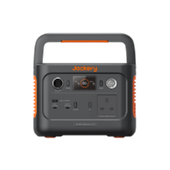
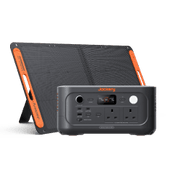
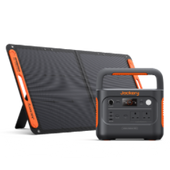
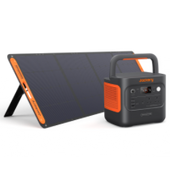
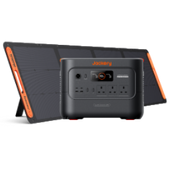
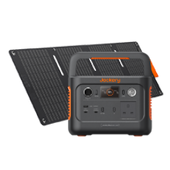
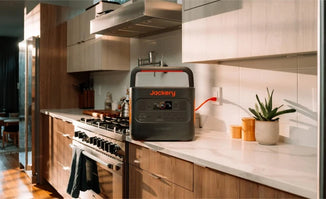
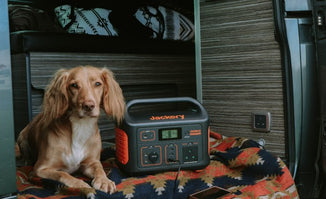
The Jackery Explorer 1000 v2 is a powerful power station that can easily power a whole entertainment system for hours. The Jackery Explorer 500 v2 is the best choice for a lightweight and portable solution since it strikes the right balance between power and ease.
Jackery Explorer 1000 v2
The Jackery Explorer 1000 v2 is a brilliant alternative to running a TV extension cable, especially in a UK home or garden. While extension leads are cheap, they create significant trip hazards, limit where you can place your furniture, and can be unsightly or even dangerous if run across doorways or under carpets.

Eliminates "Cable Clutter" and Trip Hazards
The most immediate benefit is the aesthetic and safety improvement of your living space. You can place your TV anywhere, in the middle of a room, in a conservatory, or even at the far end of the garden for a "movie night", without being tethered to a wall socket.
Extension cables are a primary cause of trips and falls in the home. By using a Jackery, you keep the power source right next to the TV, keeping your floors clear and safe for children and pets.
Built-in UPS (Uninterruptible Power Supply)
UK power grids can occasionally suffer from "voltage sag" or brief flickers during storms, which can damage sensitive OLED or QLED TV panels. The Explorer 1000 v2 features a <20ms UPS mode. If you leave the Jackery plugged into the wall and the TV plugged into the Jackery, it acts as a buffer.
Pure Sine Wave Power (Clean Energy)
Cheap extension leads or low-quality power strips can sometimes introduce "electrical noise" into your setup. The 1000 v2 uses a Pure Sine Wave inverter. This provides electricity that is as clean (or cleaner) than what comes out of your wall socket. This clean power ensures there is no "hum" in your speakers and prevents long-term stress on the TV's internal power supply, which can occur with inferior portable batteries.
Significant Runtime for Binge-Watching
You might worry that a battery won't last for a full evening of entertainment, but the 1070Wh capacity of the v2 is substantial. You can run the TV for 9 to 10 hours straight on a single charge. Even with a high-performance console, you’ll get roughly 3 to 4 hours of uninterrupted wireless gaming.
Jackery Explorer 500 v2
Using the Jackery Explorer 500 v2 as an alternative to a TV extension cable is a clever "cable management" hack, especially in UK homes where power sockets are often awkwardly placed. The 500 v2 is specifically designed for this type of medium-draw use.

Eliminates "Cable Creep" & Trip Hazards
In many British homes—especially older Victorian terraces or modern apartments—the "perfect" spot for the TV is rarely near a plug socket. Instead of running a 5-metre white plastic cable across the living room floor or along the skirting board, you can tuck the compact 500 v2 behind the TV stand.
High Capacity for Long Watch Sessions
The Explorer 500 v2 features a 499Wh capacity, which is more than enough for a full evening (or even a full day) of entertainment. Standard 50" LED TV (approx. 60W-100W): you can power this for 4 to 6 hours straight. Modern OLED TV (approx. 100W-150W): you'll get roughly 3 to 4 hours of runtime.
Significant Upgrades Over the "Original" 500
The "v2" model is a major leap forward, making it much more suitable for indoor living room use. It is significantly safer for indoor use than the old Lithium-ion version and will last for 10+ years even with daily use.
While the old model took 7+ hours to charge, the v2 can be topped up in 1.3 hours (or just 1 hour in Emergency Charge mode), meaning it’s ready to go by the time the next football match starts.
Whisper-Quiet Cooling
A major concern when placing a power station near a TV is fan noise. The 500 v2 is engineered with advanced thermal management. The fans rarely kick in for low-wattage devices like TVs. Even when they do, the noise is lower than the ambient sound of most TV shows, ensuring your movie night isn't ruined by a mechanical whirring sound.
FAQs
The following are frequently asked questions about the TV cable extension in the UK.
1. Can You Extend a TV Cable?
Yes, you can easily make both the power and signal cables for a TV longer. A high-quality TV cable extension lead is the safest and most effective way to get power. You can utilise a coaxial extension kit, which usually comes with a length of shielded cable and a female-to-female coupler, to get signals from an antenna or satellite. This lets you move your TV to a different spot in the room without having to move the main wall outlet.
2. Does the Length of a Coaxial Cable Affect TV Reception?
Attenuation is what happens when the length of a coaxial cable affects the strength of the signal. For a clear digital picture in the UK, the quality of the signal is more crucial than its strength.
A normal TV cable extension of less than 10 metres usually doesn't pose any problems, but very lengthy runs, more than 20 to 30 metres, can cause pixelation or the loss of some channels. Use the shortest cable feasible and make sure it is high-quality, double-shielded "WF100" or "RG6" grade cabling to keep the picture sharp in HD.
3. Can I Run Three TVs Off One Aerial?
You may run three TVs off of one aerial as long as the signal coming in is strong enough. The easiest way to do this is with a passive three-way splitter, but the picture may become shaky because every split weakens the signal. If you want to install three or more screens in the UK, it's best to use an amplified distribution booster. This device makes sure that the signal stays strong enough for each TV cable extension that goes to a different room in your house.
4. What to Do When a TV Power Cord is Too Short?
If the power cord that came with your TV doesn't reach the socket, the best thing to do is use a fused TV cable extension lead. Don't give in to the urge to "stretch" the cable or leave it under stress, since this could hurt the TV's power port and the wires within.
You can use ornamental trunking to disguise the extension lead if you're putting your TV on a wall. If you want a more permanent look, you can have a "fused spur" or a new socket put in right behind the screen.
5. How to Make a TV Power Cable Longer?
The best approach to safely extend a power connection is to acquire a separate TV cable extender that can handle the amount of power your TV needs. Many new TVs, on the other hand, use a power lead that can be taken off and is shaped like a "figure-eight" (C7) or "cloverleaf" (C5). If this happens, you can just buy a longer replacement lead, like a 3-meter or 5-meter one, that plugs right into the back of the set. This looks cleaner than using an extension block and doesn't require as many connections.
Final Thoughts
Getting a clean and safe TV installation takes both the correct hardware and clever cable management. A high-quality TV cable extension is the most frequent way to connect to a wall socket, but it's crucial to prevent common mistakes like overloading or "daisy-chaining" leads. The Jackery Portable Power Station is a great way to make sure your home theatre stays powered no matter where the outlets are.


