






































Traveling from the UK to the US or Europe? Don't let confusion over foreign power sockets and voltages add stress to your trip. This guide cuts through the complexity, providing clear, straightforward advice for UK travellers. We'll help you understand your devices, choose the right travel adapter, and ensure you can power everything safely and efficiently, so you can focus on enjoying your journey.
Understanding Electrical Standards: UK, Europe, and the US
To travel with confidence, you first need to understand a few key electrical terms. These concepts determine whether your device will work abroad.
What Do Voltage and Frequency Mean?
- Voltage (V): Think of voltage as the "pressure" of the electricity flowing from the socket. The UK operates at 230V, 50Hz, while Continental Europe uses 220-240V, 50Hz. In contrast, the US uses a lower voltage of 110-120V at 60Hz.
- Frequency (Hz): This measures the speed at which the electrical current alternates its direction per second. The UK and Europe use a frequency of 50Hz, while the US uses a slightly faster 60Hz.
Mismatched voltage can lead to device damage, overheating, or even fire risk. Mismatched frequency can cause malfunctioning motors or timers in certain appliances. These different standards developed independently in the early 20th century, long before global travel and portable electronics became commonplace.
What Are the Different Plug Types?
The most visible difference you'll face is the physical shape of the plug. Each region has its own standard, and knowing them is the first step to staying connected.
|
Region |
Plug Type(s) |
|
UK |
Type G (three rectangular pins) |
|
Continental Europe |
• Type C (two round pins, ungrounded, "Europlug") |
|
US |
• Type A (two flat prongs, ungrounded) |
American plugs do not fit most European sockets due to these physical differences. A key travel tip is to always verify the specific plug type for your destination country before you go.
Dual-Voltage vs. Single-Voltage Devices: What You Need to Know
The terms "adapter" and "converter" are often used interchangeably, but they perform very different and critical functions. Choosing the wrong one can have disastrous consequences for your electronics.
How Can I Identify My Device's Compatibility?
Every electronic device has a small label or embossed text on its power brick, plug, or body. This label contains the vital information you need. Check the power label or adapter for 'INPUT' voltage and frequency ranges.
|
Device Type |
Power Label Information |
What It Needs to Work Abroad |
Common Examples |
|
Dual-Voltage |
Labeled 'INPUT: 100-240V, 50/60Hz' |
Only a simple plug adapter |
Laptops, smartphones, camera chargers |
|
Single-Voltage |
Labeled 'INPUT: 120V, 60Hz' (US) or 'INPUT: 230V, 50Hz' (UK/Europe) |
A voltage converter and a plug adapter |
Some hair dryers, curling irons, older appliances |
Plug Adapters vs. Voltage Converters: The Crucial Difference
The consequences of a mismatch are significant. Using a single-voltage 230V UK appliance in the 120V US will cause it to run very poorly or not at all. More dangerously, plugging a single-voltage 120V US device into a 230V UK or European socket will almost certainly overload and destroy the appliance, creating a fire hazard.
|
Device |
Function |
Use Case |
Key Characteristics |
|
Plug Adapter |
Changes the physical shape of the plug to fit a foreign socket. |
For dual-voltage devices. |
Does NOT change the electrical voltage. Inexpensive and lightweight. |
|
Voltage Converter |
Changes the electrical voltage from the wall to match your device's needs. |
For single-voltage devices. |
Heavier, more expensive, and more complex. Comes in step-down (e.g., 230V to 120V) and step-up (e.g., 120V to 230V) versions. |
Using Your Appliances Abroad: Practical Scenarios
Let's apply this knowledge to common travel situations.
How Do I Power Devices from the UK to Continental Europe?
- Dual-voltage devices: Only need a Type C or Type F travel plug adapter.
- Single-voltage UK devices: Need a Type C or F adapter. A voltage converter is not typically needed as voltages are similar.
How Do I Power Devices from the UK to the US?
- Dual-voltage devices: Only need a Type A or B travel plug adapter.
- Single-voltage UK devices: Need a Type A or B adapter AND a step-down voltage converter (230V to 120V).
How Do I Power Devices from the US to Continental Europe?
- Dual-voltage devices: Only need a Type C or Type F travel plug adapter.
- Single-voltage US devices: Need a Type C or F adapter AND a step-up voltage converter (120V to 230V).
What About High-Power Appliances?
- These are often single-voltage and draw high wattage (e.g., hair dryers, kettles).
- Most travel voltage converters are not designed for high-wattage items.
- Recommendation:
- Avoid bringing them if possible.
- Use hotel amenities.
- Buy a dual-voltage travel version.
- Purchase a local appliance at your destination.

Choosing the Right Travel Plug Adapter
Not all adapters are created equal. Investing in quality products ensures safety and convenience.
What Key Features Should I Look For in a Travel Adapter?
When selecting a travel plug adapter, look for these features:
- Universal Compatibility: Adapters that cover multiple regions (e.g., UK, EU, US, AUS).
- USB Ports: Essential for charging smartphones, tablets, and other USB-powered devices. Look for USB-C ports for faster charging.
- Safety Features: Surge protection, overcurrent protection, fire-resistant materials.
- Durability: Choose reputable brands for reliability.
- Compact Design: Important for travel, especially for recessed sockets.
When You Need More Than an Adapter: Portable Power Stations
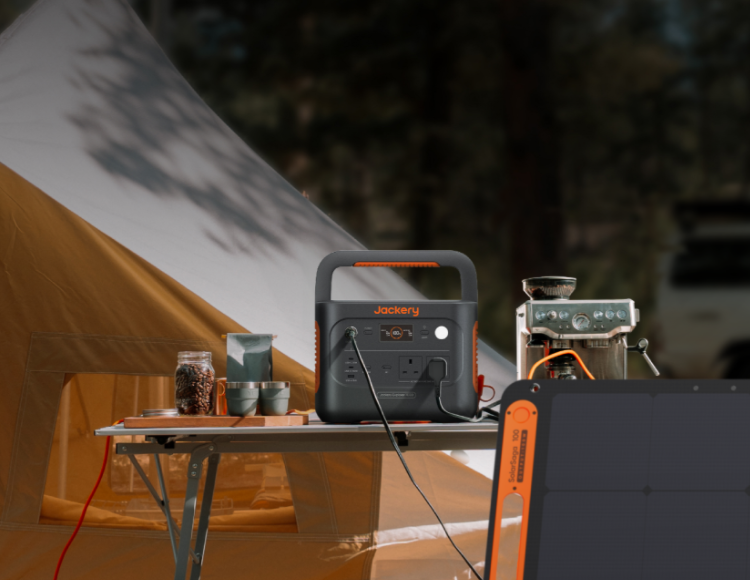
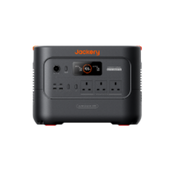
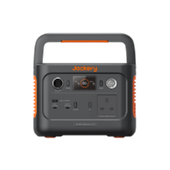
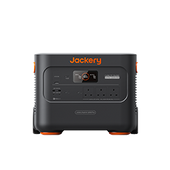
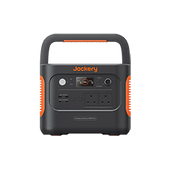
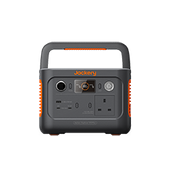
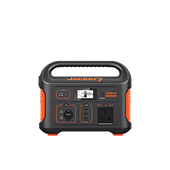
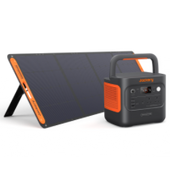
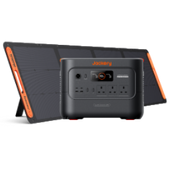
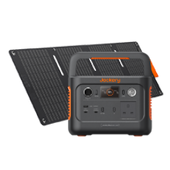
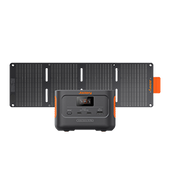
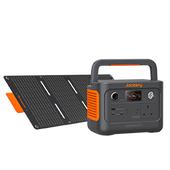
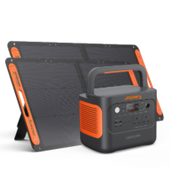
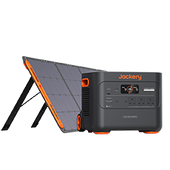
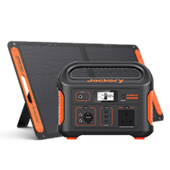
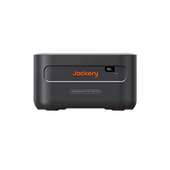
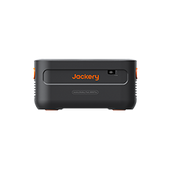
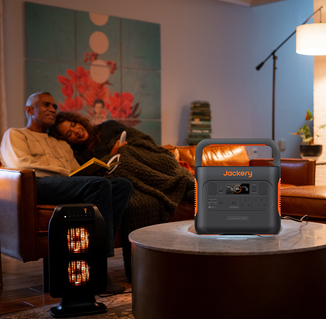
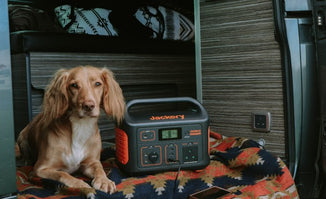
For ultimate power independence, especially when working remotely, camping, or exploring off-grid, a simple travel adapter isn't enough. A portable power station is an invaluable tool, providing a self-contained power hub for all your gear, no wall socket required.
- Jackery Explorer 500 v2:
- 512Wh capacity and 500W rated power.
- Weighs only 5.7kg, making it highly portable.
- Features AC, DC, and USB ports for versatile charging.
- Can recharge an 80W laptop approximately 4 times, ensuring you stay productive anywhere.
This is a fantastic solution for anyone needing reliable power on the go, from van-lifers exploring the continent to families camping in the countryside.
General Travel Tips for Electrical Safety
Your safety and the protection of your devices should be your top priority. Always look for official safety markings on any electrical product you buy.
- Always Check Labels: Before plugging in any device, verify its voltage and frequency requirements.
- Pack Smart: Carry a universal travel plug adapter with USB ports.
- Consider a Multi-Socket Adapter: Useful for limited hotel outlets, especially in Europe.
- Unplug When Not in Use: A good safety practice.
- Beware of Cheap Converters: Invest in a quality voltage converter if needed for single-voltage items.
- Grounding: Understand the importance of grounded plugs for safety, especially with higher European voltages.
Pre-Travel Power Checklist
Follow this simple checklist before you depart to ensure a smooth, stress-free experience.
- Audit Your Devices: Check the power label on every electronic item you plan to bring.
- Identify Single-Voltage Items: Make a list of any single-voltage devices. Decide whether to leave them at home, purchase a local version at your destination, or (as a last resort) use an appropriate voltage converter.
- Pack Your Power Kit:
- One high-quality, certified travel plug adapter.
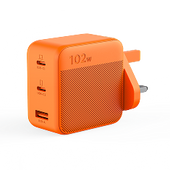
- A multi-port USB charger (modern GaN chargers are exceptionally compact and powerful).
- A compact, fused UK power strip (optional, but highly recommended for families or digital nomads).
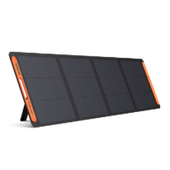
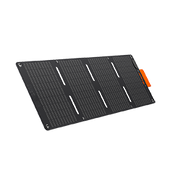
- For complete off-grid power, consider a Jackery Solar Generator.
- Test Everything: Do a dry run at home. Plug your chargers and devices into your adapter and power strip to ensure everything fits and works correctly before you leave.
Frequently Asked Questions
1. What should I do if my essential medical device is single-voltage and high-wattage, making a converter impractical?
You should contact the device manufacturer or a medical supply company directly. They can provide guidance on region-specific versions of the device or offer medically approved power solutions for travel.
2. Are there any specific countries within Europe that deviate significantly from the standard Type C/E/F plugs, requiring a different adapter?
Yes, notable exceptions include Switzerland and Liechtenstein (Type J), Italy (Type L, which has three round pins in a row), and Denmark (Type K). Always verify the specific plug for your destination.
3. How can I tell if a universal travel adapter is truly grounded and safe for devices that require it, given the variety of designs?
A grounded universal adapter will have a metal contact point or a third pin (often retractable) that corresponds to the grounding system of the socket. Look for markings that indicate grounding or consult the product's specifications to confirm this feature.
4. Beyond physical safety, are there any risks to my device's longevity or performance if I frequently use a voltage converter for a single-voltage appliance?
Frequent use of a converter can sometimes lead to reduced efficiency, excess heat generation, or a humming noise, which may place additional strain on the appliance's components over time. It is always preferable to use a device designed for the local voltage.
5. With the rise of USB-C Power Delivery (PD), can I rely solely on a multi-port USB-C charger for my laptop and phone, or do I still need a traditional plug adapter for the laptop's original brick?
If your multi-port USB-C charger is dual-voltage and provides enough wattage to meet your laptop's power requirements, it can replace the original brick entirely. You would then only need a simple travel plug adapter for the USB-C charger itself.