





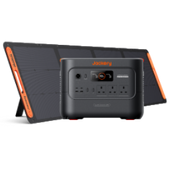
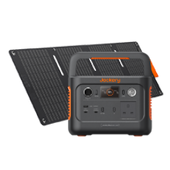


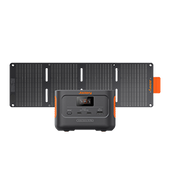























Quick Answer: Knowing what you should not plug into an inverter prevents battery drain, fire hazards, and premature device failure. High-wattage resistive loads (space heaters, kettles, hair dryers) overwhelm inverters and deplete batteries within minutes. Inductive loads (fridges, pumps, power tools) cause nuisance tripping with startup surges 5–8× their running wattage. And sensitive electronics (laptops, audio gear, CPAP machines) can be permanently damaged by the stepped waveform of a modified sine wave inverter.
Key Takeaways
-
A 1,500 W space heater can drain a 100 Ah deep-cycle battery in about 48 minutes — resistive heat and inverters don’t mix well.
-
Modified sine wave inverters produce 25–45% total harmonic distortion, silent destruction for motor-driven and microprocessor-based devices.
-
Never load an inverter beyond 70% of its continuous rating; the remaining headroom absorbs unexpected surges.
-
For UK compliance, any permanently wired inverter must meet BS 7671 earthing requirements — plug-and-play portable units are simpler but still demand care.
-
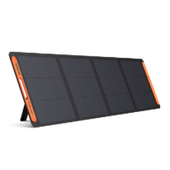
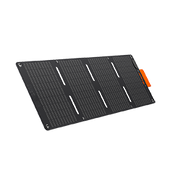
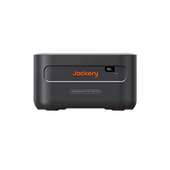
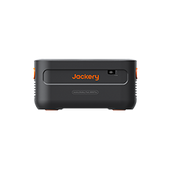
The Jackery SolarVault 3 Series, an upcoming pure sine wave home battery system, will handle high-surge loads while protecting sensitive electronics — a future-proof approach.
The Real Risks Beyond the Plug
Three hidden risks — startup current surges, waveform distortion, and the energy density of heat — can destroy appliances and batteries even when the plug fits. In reality, the inverter sitting between your battery and the appliance has hard electrical limits that no plug shape can reveal.
Startup current is the first trap. A fridge compressor that runs at 150 W will briefly draw 800–1,200 W when the motor kicks in.
That’s 5–8 times the nameplate rating. An inverter sized only for the running wattage will trip or — worse — degrade its internal components each time it struggles through the surge. Over months, what looks like normal operation is quietly cooking the output stage.
Waveform distortion is the second. Modified sine wave (MSW) inverters produce a stepped AC signal that overheats motors, corrupts digital control boards, and makes transformers hum. The harmonic content (25–45% THD) is invisible but cumulative. A laser printer, a modern TV, or a CPAP machine may run for weeks before failing — abruptly and permanently.
Then there’s the sheer energy density of heat. A 1,500 W space heater doesn’t just test the inverter’s wattage limit; it strips an entire 100 Ah battery in 48 minutes at full draw. Users who expect hours of backup are left with a dead battery and a cold room.
If you’re choosing a portable power solution for the first time, a beginner’s guide to portable power stations will help you understand inverter sizing before you make an expensive mistake.
Understanding Inverter Waveforms: Why Power Quality Matters
Pure sine wave inverters deliver a smooth AC signal indistinguishable from grid electricity, with total harmonic distortion (THD) below 3%. Modified sine wave inverters approximate that curve with a stepped, square-edged waveform carrying 25–45% THD. That difference is not academic — it determines which appliances survive and which fail.
Motors fed a stepped waveform run hotter, louder, and with more vibration. The extra harmonic energy becomes heat in the windings, eventually degrading insulation. Digital control boards — the brains in microwaves, washing machines, and variable-speed drills — read the chopped zero-crossing points incorrectly, causing erratic behaviour or full refusal to start.
The symptoms are unmistakable:
-
Audio equipment: buzzing
-
LED lights: flickering
-
Digital clock displays: burned-out
-
Inverters: run abnormally hot
Some devices appear to work but have their lifespan cut by 70% or more.
For UK households, using pure sine wave also avoids interference with smart meters and home internet routers. The clean waveform eliminates the electrical noise that MSW inverters inject into local circuits. If any load contains a motor, a microprocessor, or a medical classification, pure sine wave is the only safe choice. Simple resistive loads — filament bulbs, basic heating elements — are the sole exception.
High-Wattage Resistive Loads: Overloading and Fire Risks
Space heaters, hair dryers, toasters, and kettles are the quickest way to destroy an inverter. These appliances convert electricity directly into heat, consuming 1,000–3,000 W continuously. A 2,000 W heater plugged into a 1,500 W inverter will instantly trigger overload protection — or, if that protection fails, start a fire.
The maths is unforgiving:
-
A 100 Ah deep-cycle lead-acid battery stores roughly 1,200 Wh of total energy.
-
To avoid permanent damage, you should only use 50% of that (600 Wh).
-
A 1,500 W heater would drain that usable portion in just 24 minutes.
-
Even a full discharge — which damages the battery — gives only 48 minutes.
Most users expect hours, not minutes. That mismatch breeds frustration and, worse, tempts people to discharge batteries below safe voltage levels, permanently damaging them.
UK electricity, priced at approximately 24p/kWh, makes inverter-powered resistive heating a poor economic choice even when technically possible. Reserve inverters for grid outages and short, unavoidable bursts — not for your morning toast.
A practical rule that experienced installers follow: never load an inverter beyond 70% of its continuous rating. That 30% headroom absorbs voltage sags, covers momentary peaks, and prevents the thermal throttling that accelerates failure. A 1,000 W inverter, therefore, should never see more than 700 W of connected load.
Inductive Loads and Startup Surges: The Hidden Overload Trap
Inductive loads — anything with a motor or compressor — draw a massive inrush current at startup. The running wattage printed on the label is only half the story. A domestic fridge rated at 150 W can demand 800–1,200 W for up to five seconds when the compressor engages. Air conditioners, water pumps, and power tools multiply that effect: a 1,000 W angle grinder can surge to 3,500 W for a fraction of a second.
Inverters have two wattage ratings: continuous and surge (peak). The surge rating, often 2–3 times the continuous figure, is only sustainable for seconds. An inverter that comfortably runs a fridge may still trip if the compressor cycles on while another load is already active. This is the most common cause of mysterious shutdowns.
The highest-ROI accessory for motor loads is a soft-start device, priced between £65 and £120. It electronically ramps the voltage, reducing inrush current by more than half. Air conditioners, well pumps, and larger fridges become inverter-compatible with a soft-start installed, avoiding the need for a grossly oversized inverter.
Protect the inverter from back EMF — the voltage spike generated when a spinning motor is disconnected — by always switching off the inverter before unplugging an inductive load under load. And never attempt to run a standard fridge or freezer on a general-purpose UPS; use an inverter sized specifically for that motor’s startup characteristics. For camping, a dedicated power station for appliances at camp can provide the surge headroom small fridges need without overloading.
Sensitive Electronics and Chargers: Waveform and Phantom Risks
Laptop power bricks, audio amplifiers, and games consoles contain switch-mode power supplies that react badly to the rough waveform of an MSW inverter. Voltage regulation falters, causing intermittent charging, screen flicker, and — over time — capacitor failure. Some laptop chargers simply refuse to work, others run dangerously hot.
Battery chargers for power tools, phones, and electric toothbrushes should bypass the inverter entirely. Connect them directly to the DC output of the battery bank via a regulated solar power bank with AC output. This avoids floating-ground issues that can trip residual current devices and create tingling sensations on metal appliance cases.
Phantom power is another silent cost. Even when not actively charging, plugged-in adaptors consume a trickle. Across a UK home, standby consumption costs £30–£50 annually; on a battery-powered inverter system, that trickle becomes a significant fraction of the stored energy. Unplug everything not in use.
CPAP machines and other sleep therapy devices require pure sine wave power. An MSW inverter causes the motor to run faster, louder, and at incorrect pressure — voiding the warranty and compromising therapy. Always check the device manual for a “pure sine wave required” statement before connecting to an inverter.
Generic replacement chargers are a risk too: they may lack proper current limiting and draw a constant high load, overloading a modest inverter. Stick with manufacturer-supplied adaptors, and add inline surge protection for computers and televisions, as many inverters lack adequate internal suppression.
Best Practices for Safe Inverter Operation
-
Proper grounding: A portable inverter with a UK plug on its output still needs an earth reference. For permanently installed systems, BS 7671 wiring regulations apply — improper earthing risks electric shock and can interfere with other equipment. If in doubt, consult an MCS-certified electrician.
-
Size DC cabling for the worst case: A 1,000 W inverter at full load draws roughly 85 A from a 12 V battery. Undersized cables overheat, drop voltage, and can melt insulation. Use the thickest practical gauge and install a correctly rated fuse within 150 mm of the battery positive terminal.
-
Use a single heavy-duty extension lead: Daisy-chaining multiple leads increases resistance and creates trip hazards. One cable, sized for the inverter’s full output, minimises risk. For loads above 1,000 W, avoid cigarette lighter sockets entirely — direct battery connections with fused distribution blocks are the only safe method.
-
Never discharge deep-cycle batteries below 50% capacity: Repeated deeper discharges slash cycle life. A voltage monitor with an alarm is a £15 insurance policy against dead batteries.
-
Ensure adequate ventilation: Inverters generate heat, and even a 95% efficient 2,000 W unit dissipates 100 W of heat. Enclosed cupboards can push internal temperatures past 60°C in minutes. Install inverters in open, well-ventilated areas and allow at least 150 mm of clearance on all sides.
-
Disconnect unused loads: Even a phone charger left plugged in draws a small current. Over a 12‑hour outage, multiple phantom loads can drain a battery more than you expect.
Recommended Solution for Reliable Backup Power

Jackery’s forthcoming SolarVault 3 Series is the recommended solution for UK homes seeking a future-ready, scalable backup power system that avoids all the inverter pitfalls discussed. Designed as a home energy storage solution, it delivers:
-
Pure sine wave output: No hum, no harmonic distortion, protecting everything from laptops to CPAP equipment.
-
High surge capacity: Engineered to handle motor startups, so fridges and pumps won’t trip the system on the first cycle.
-
Expandable battery packs: Start small and grow capacity as your requirements evolve.
When the system launches, installation may qualify for 0% VAT on energy-saving materials — a saving available until 31 March 2027.
Frequently Asked Questions (FAQ)
How do I calculate the total load for my inverter?
Add the running wattage of every device you plan to operate simultaneously, then multiply by 1.2 for a safety margin. Check that the total remains under 70% of the inverter’s continuous rating.
Can you run an inverter in a closed garage?
No, inverters need ventilation to prevent overheating and fire risk. An enclosed space without active airflow can cause internal temperatures to exceed safe limits within minutes.
What size battery do I need for a 1,000 W inverter?
A 100 Ah deep-cycle battery provides about 30 minutes at full 1,000 W load before reaching the 50% discharge cutoff. For longer runtimes, either double the battery capacity or reduce the load.
Is it safe to plug an inverter into a household outlet?
No, backfeeding a home socket without an approved transfer switch is both dangerous and illegal. It poses a lethal electrocution risk to utility workers and can damage the inverter.
How often should I check inverter connections?
Inspect all DC and AC connections monthly for signs of corrosion, looseness, or heat damage. A loose connection is the most common cause of inverter failure.


