






























Knowing what a heat pump tumble dryer is might change how you do your washing. Heat Pump Tumble Dryers: Efficient Laundry Solutions for UK Homes. Heat pump dryers work differently from regular dryers. They recycle warm air to dry clothing quickly at lower temperatures, saving energy and protecting materials. They are great for homes in the UK because they lower energy costs and have a lower environmental impact. They can also be installed in various ways.
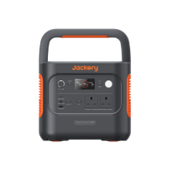
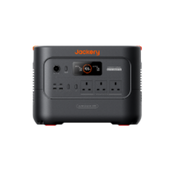
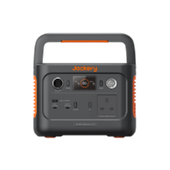
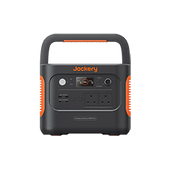
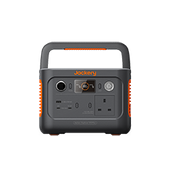
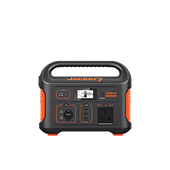
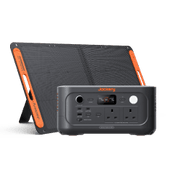
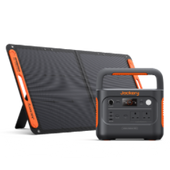
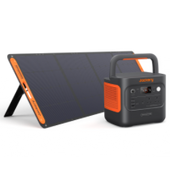
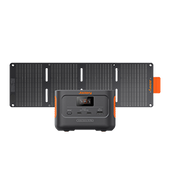
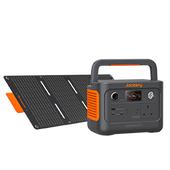
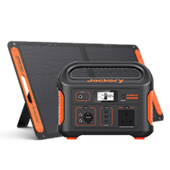
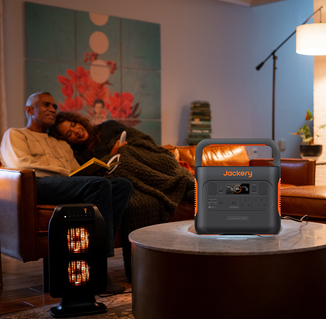
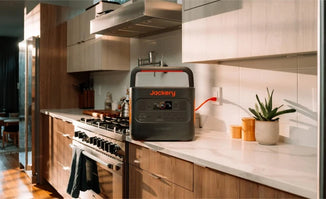
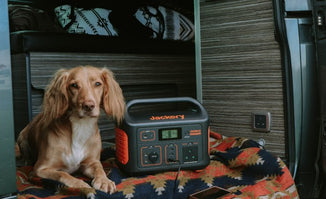
Smart features are also available on modern models, so you can keep an eye on and operate them from your phone. The Jackery Portable Power Station operates the heat pump well, making it a great option for eco-friendly or off-grid homes seeking portable energy.
|
Key Takeaways: |
|
What Is a Heat Pump Tumble Dryer?
If you want to dry your clothes in a contemporary, energy-efficient way, you need to know what a heat pump tumble dryer is. A heat pump tumble dryer uses a closed-loop system, meaning it recirculates the air inside the machine to extract moisture. This dries clothes at lower temperatures, making the process gentler on your laundry and leaving it softer.
Although drying cycles are slightly longer than those of condenser tumble dryers, heat pump models deliver substantial energy savings and minimise electricity costs, making them increasingly attractive to UK households.
So, what is a heat pump on a tumble dryer in practical terms? A heat pump dryer utilises warm air to remove moisture from your garments. After passing through the drum, the air is sent to the evaporator, where moisture is extracted and collected in a tank. The remaining air is then reheated and reused to finish drying your clothes efficiently.
Unlike traditional machines, heat pump tumble dryer technology really stands out because condenser and vented tumble dryers release hot air during operation, whereas heat pump tumble dryers recycle heat, reducing wasted energy and improving overall performance.

Benefits of Heat Pump Tumble Dryers
With a clear understanding of heat pump tumble dryers, their growing popularity in the UK is evident. They excel at saving energy, prolonging the lifespan of clothing, and offering user-friendly operation for frequent laundry needs.
Energy Efficiency
Heat pump dryers are far more energy efficient than vented or condenser models. By continuously recycling heat, they use less electricity per cycle. If you’re aiming to lower household energy bills while also reducing your environmental footprint, choosing a dryer that demonstrates what a heat pump tumble dryer can do could be a smart investment.
Gentle on Garments
Another key advantage of understanding what a heat pump on a tumble dryer is is its impact on clothing care. Heat pump dryers operate at lower temperatures than regular tumble dryers, making them better for textiles. This lower heat exposure helps delicate things last longer and keep their quality over time by reducing wear and tear.
Versatile and Convenient
When considering a tumble dryer heat pump, flexibility is a key advantage. Unlike vented dryers, heat pump models require no external ventilation. This makes installation simple and ideal for flats, utility rooms, or compact spaces, offering you greater choice in where to place your appliance at home.
How Does a Heat Pump Tumble Dryer Work?
Learning what a heat pump tumble dryer is helps you see why this technology stands out from other dryers. These dryers use a closed-loop system, which means the air inside the dryer is continuously reused to keep the clothes dry. Because they work at lower temperatures, heat pump tumble dryers are gentler on clothing and fabrics.
The heat pump moves heated air through the drum—a rotating container holding your clothes—helping dry them by condensing moisture (turning water vapour back into liquid that can be collected). This process is both cost-effective and environmentally friendly, as it saves energy and can cut CO2 emissions by up to 50% compared to electric dryers and by up to 70% compared to gas dryers.
Heat pump technology transfers heat directly to wet materials by recycling air previously used throughout the drying cycle. This doesn't make additional heat from electricity or gas. This ensures moisture evaporates quickly and consistently, with no extra fuel or electricity costs.

Types of Tumble Dryers
There are three main types of tumble dryers that UK homes may buy, and each has its own pros and cons. Understanding the distinctions makes it easier to understand what a heat pump tumble dryer is and how it stacks up against other choices.
Vented Tumble Dryers: A vent on a vented tumble dryer lets moisture out. This vent is commonly linked to an outside wall or window. These dryers need enough air to circulate around them, and they are usually cheaper to buy initially. But they usually use more energy than condenser- or heat-pump types.
Condenser Tumble Dryers: Condenser tumble dryers remove moisture by either collecting it in a container for removal or draining it directly. They don't need a vent on the outside, so you can put them anywhere you like. That said, they need regular maintenance, such as cleaning the condenser unit and emptying the water container, to keep them running at their best.
Heat Pump Tumble Dryers: Heat pump tumble dryers are the most energy-efficient option on the market. They use advanced heat pump technology to recycle and reuse hot air during the drying process. Operating at lower temperatures, they are gentler on clothing and suitable for delicate fabrics. Although the initial cost is higher, the long-term energy savings can be game-changing.
Heat Pump vs. Condenser vs. Vented Tumble Dryers
While all three types are suitable for household laundry, each uses a different drying approach and offers distinct advantages depending on your priorities.
|
Feature |
Vented Tumble Dryer |
Condenser Tumble Dryer |
Heat Pump Tumble Dryer |
|
Drying Time |
Fastest drying times |
Moderate drying times |
Longer drying cycles |
|
Energy Efficiency |
Lowest efficiency |
Moderate efficiency |
Highest efficiency |
|
Installation |
Requires external vent |
No external vent needed |
No external vent needed |
|
Running Costs |
Lower upfront cost, higher energy use |
Moderate running costs |
Lowest running costs |
|
Fabric Care |
Higher heat, more wear |
Moderate heat |
Lower heat, gentler care |
Drying times differ greatly between models. Vented tumble dryers dry clothing the fastest, followed by condenser dryers. Heat pump dryers take longer because they operate at lower temperatures, which saves electricity.
Energy efficiency and total cost also vary. Vented dryers are frequently the least expensive to acquire but less efficient to operate. Condenser dryers are in the centre, whereas heat pump dryers are more expensive initially but have the lowest long-term running costs.
Which Type of Tumble Dryer Is Best?
Before buying a tumble dryer, it’s important to assess how and where you plan to use it, along with your budget and energy priorities. Vented tumble dryers need good ventilation and enough room to be installed, so they work best in houses where it's easy to reach an outside wall or window.
You need to think about how to collect water and keep your condenser tumble dryer running, but they are more flexible about where you can put them.
If you want to save money and energy in the long run, a heat pump tumble dryer is the best choice. The increased expense of buying them may be worth it over time because they last longer and are easier on clothes.
How Much Do Heat Pump Tumble Dryers Cost?
Although heat pump tumble dryers are often substantially more expensive, it's crucial to note how much less they cost to operate. An energy-efficient heat pump dryer may be more expensive initially, but because energy costs are lower, you'll be saving money in only a few years.
More costly heat pump tumble dryers are likely to provide more functionality. If you want to manage your dryer on your smartphone, have drum lights for loading and unloading, or even plug-in capsules to make your clothes smell especially fresh, plan to invest at least £600.
|
|
Heat pump tumble dryer |
Vented tumble dryer |
Condenser tumble dryer |
|
Lowest price |
£279 |
£229 |
£199 |
|
Average price |
£661 |
£261 |
£307 |
|
Highest price |
£1,449 |
£300 |
£529 |
In the UK, running a heat pump tumble dryer is significantly cheaper than running a traditional vented or condenser model. As of early 2026, the cost per cycle typically ranges from 30p to 60p, compared to over £1.40 for less efficient models.
Under the current UK energy price cap (valid until March 31, 2026), the average electricity price is 27.69 p/kWh. Because heat pump dryers recycle hot air rather than venting it, they use about 70% less energy than standard dryers. Based on 3 loads per week (156 cycles/year), you can expect to pay between £47 and £75 per year.
|
Heat Pump Dryer |
Avg. Energy Use (Full Load) |
Cost per Cycle (27.69p/kWh) |
Annual Cost (3 Loads/Week) |
|
Heat Pump (A+++) |
1.2 kWh |
33p |
£51.48 |
|
Heat Pump (A++) |
2.1 kWh |
58p |
£90.48 |
|
Condenser (B Rated) |
5.2 kWh |
£1.44 |
£224.64 |
|
Vented (C Rated) |
5.3 kWh |
£1.47 |
£229.32 |
How Much Money Will a Heat-Pump Dryer Save in Running Costs?
When it comes to understanding what a heat pump tumble dryer is in real life, the cost of running it and how much power it uses are usually the most important factors. When you look at the long-term cost benefits for UK families, heat-pump technology is far better than traditional drying techniques.
Average Annual Running Costs
Based on three drying cycles a week for a year, heat-pump dryers cost around £58 a year to run. This reduced annual cost shows how well heat-pump technology works by reusing warm air rather than producing fresh heat.
Cost Comparison with Other Dryer Types
On the other hand, vented tumble dryers usually cost around £147 a year, while condenser dryers usually cost about £145 a year, with more powerful versions costing more. So, if you move to a heat-pump dryer, you may save about £87 a year compared to a condenser dryer and £89 a year compared to a vented dryer.
Power Consumption Explained
Heat-pump tumble dryers use between 0.8 and 1.5 kWh every cycle, which is far less than condenser and vented dryers, which use 3 to 5 kWh per cycle. The key reason for cheaper electricity costs and better energy efficiency is that this device uses less power.

Using a Heat-Pump Dryer with Portable Power Stations
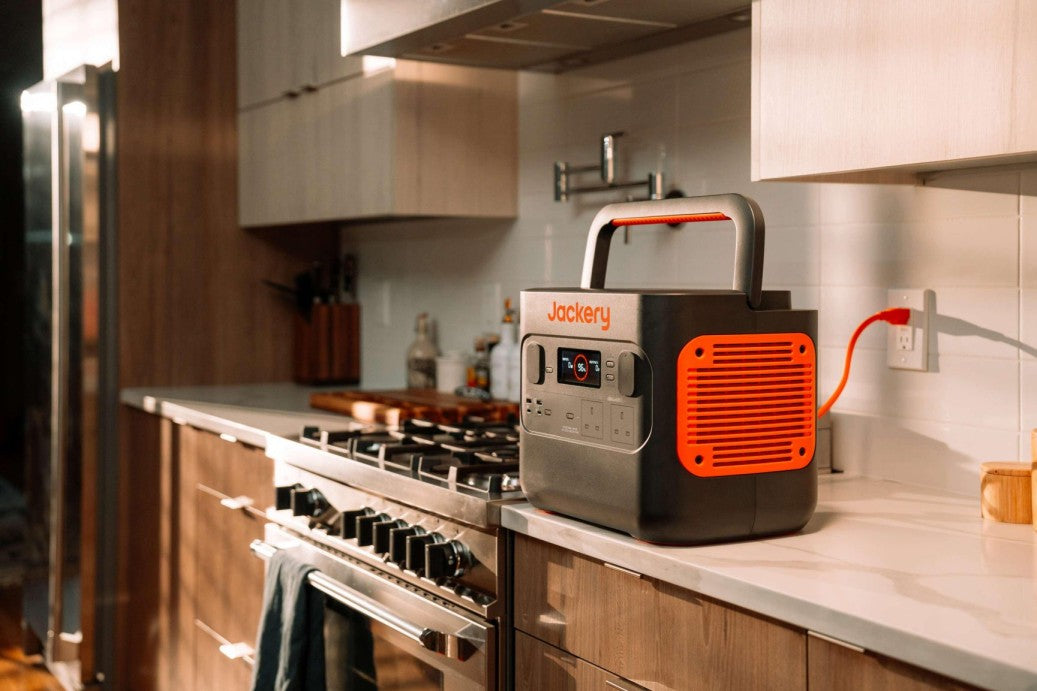
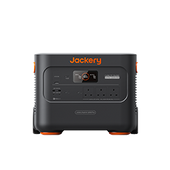
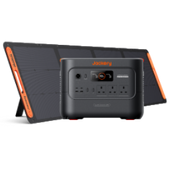
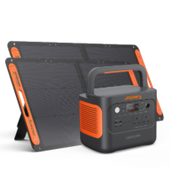
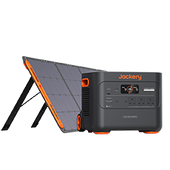
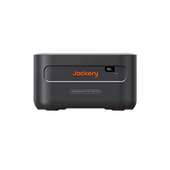
Heat-pump tumble dryers work better with alternative energy sources since they use less power. Portable power stations with a lot of power, like the Jackery Explore 3000 v2 and Jackery Explore 2000 Plus, can enable efficient drying cycles. This makes them great for backup power, off-grid settings, or homes who want to save energy.
Long-Term Savings for UK Homes
Over the life of the appliance, using less power can save you a lot of money in the long run, helping offset the higher initial cost. Heat-pump tumble dryers are one of the most cost-effective ways to dry clothes in the UK right now, especially when you consider that they work with contemporary power sources.
When Will a Heat-Pump Dryer Pay For Itself In Saved Energy Costs?
Because the typical cost of a heat-pump dryer is higher than that of a condenser dryer, the energy savings will take some time to accumulate. However, considering these typical rates, your additional investment will begin to pay off in around three years - or even sooner if you choose a Great Value heat pump.
Jackery Portable Power Stations for Saving Electric Bills
Choosing a Jackery Portable Power Station to power a heat pump tumble dryer in the UK is a smart way to reduce electricity bills, especially when paired with solar panels. While traditional vented dryers are major "energy hogs," modern heat pump dryers are significantly more efficient, typically consuming 1.5-2.5 kWh per cycle.
This lower energy demand makes it feasible to run a full drying cycle entirely on portable battery power, effectively "cutting the cord" from the grid for one of your home's most expensive appliances.
By using Jackery Solar Panels, you can charge the station for free during the day. Running your dryer off this stored solar energy instead of the grid (where UK prices average 28-30p per kWh) directly lowers your monthly bill.
Jackery Explorer 3000 v2
To save on electric bills in the UK using a Jackery Explorer 3000 v2, the strategy involves "load shifting"—charging the unit when electricity is cheapest and using that stored energy to run your high-consumption appliances like a heat pump tumble dryer.

Time-of-Use Tariffs: If you are on a UK tariff like Octopus Agile or Economy 7, electricity prices are significantly lower at night. You can charge the 3000 v2 during these "off-peak" windows and use it to power your dryer during expensive "peak" evening hours.
ZeroDrain Technology: This feature ensures that even if you don't use the unit for a few days, it retains 95% of its charge for up to a year, meaning no energy is wasted through self-discharge while waiting for your next laundry day.
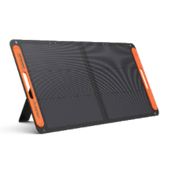
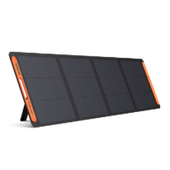
Solar Integration: By pairing the unit with Jackery SolarSaga 200W Panels, you can run your dryer on 100% free green energy during the summer months, completely bypassing the UK grid prices.
Technical Suitability for Heat Pump Dryers
Heat pump tumble dryers are more efficient than vented dryers, but they still require steady power. The 3000 v2 is specifically built to handle these loads:
High Continuous Power: Heat pump dryers typically pull between 500W and 1000W. The 3000 v2 provides a 3600W continuous output, meaning it can easily run the dryer while simultaneously powering other kitchen appliances like a kettle or air fryer.
Massive Capacity: With 3072Wh of capacity, this unit can typically run a full 2-hour heat pump drying cycle 3 to 4 times on a single charge before needing to be plugged back into the wall or solar panels.
LiFePO4 Durability: The 4,000+ cycle lifespan (roughly 10 years of daily use) is crucial for a bill-saving strategy. It ensures the unit pays for itself over time through energy savings without the battery degrading quickly.
Jackery Explorer 2000 Plus
The Jackery Explorer 2000 Plus is an ideal solution for powering a heat pump tumble dryer in the UK because it offers the high capacity and power output needed to handle long drying cycles while enabling significant savings on your energy bills.

Free Solar Energy: By pairing the unit with Jackery SolarSaga Panels, you can charge the station using sunlight. Since UK electricity prices are among the highest in Europe, running your most energy-intensive appliances on "captured" solar power directly reduces your monthly utility spend.
Peak Shaving (Load Shifting): If you are on a "Time of Use" tariff (like Octopus Agile or Economy 7), you can charge the Jackery at night when rates are at their lowest (e.g., 7p–10p per kWh) and use that stored energy to run your dryer during expensive peak evening hours (when rates can exceed 30p per kWh).
Long-Term Investment: Built with LiFePO4 battery cells, this unit is rated for over 4,000 charge cycles (roughly 10 years of daily use). This long lifespan ensures you continue to see a return on your investment through bill savings for a decade or more.
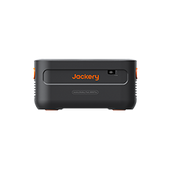
Sufficient Capacity for Full Cycles: Modern heat pump dryers typically use between 1.1 kWh and 2.5 kWh per load. With a 2042.8Wh capacity, the Explorer 2000 Plus can power most high-efficiency (A++ or A+++) drying cycles from start to finish on a single charge. If you have a large household with multiple laundry loads per day, you can add up to five add-on battery packs, expanding the capacity to 12kWh.
High Power Output: While heat pump dryers are efficient, they still require a steady stream of power for the compressor and drum motor. This unit provides 3000W of continuous power and a 6000W surge peak, ensuring it can handle the dryer's initial startup and sustained operation without any issues.
Choosing the Best Heat Pump Tumble Dryer
Knowing what a heat pump tumble dryer is will help you make a better, cheaper choice when selecting the best one for your home. To ensure the appliance meets your family's needs and long-term energy goals, consider a few key factors.

Heat Pump Tumble Dryer Capacity
One of the most crucial factors to consider is capacity. By matching the dryer drum size to your usual load, you may save energy and improve the dryer's performance. Compact capacities may be better for smaller homes, but larger families often need higher-capacity drums to reduce the number of drying cycles.
Energy Efficiency
Energy efficiency is another important consideration, especially for UK households where power bills are rising. Models with higher energy ratings dry clothes well while using much less electricity. This helps lower your energy costs and the impact on the environment.
Specific Features
Features are also quite significant. Many contemporary heat pump tumble dryers include multiple drying programs for different types of fabric, such as cotton, synthetics, wool, and delicate materials. These programs help keep clothes safe while effectively removing moisture.
Prices
Beyond the first purchase, price is worth considering. Heat pump tumble dryers usually cost more up front than regular ones, but they can save you money in the long run because they use less energy and have lower operating costs over the life of the device.
Smart Control & Connectivity
More and more homes in the UK are getting smart controls and connectivity. With app-based controls and automatic drying adjustments, users can monitor cycles from afar, use less energy, and receive notifications when maintenance is needed. This makes doing laundry more convenient and efficient.
Finding the proper heat pump tumble dryer means finding a model that matches your lifestyle and budget by balancing capacity, efficiency, features, and long-term value.
Tips for Heat Pump Tumble Dryer Maintenance
To keep your appliance functioning well and extend the life of your heat pump tumble dryer, you need to perform regular maintenance. Regular, simple upkeep keeps the dryer working well and uses less energy.
Clean the Lint Filter Regularly
The lint filter should be cleaned frequently to ensure proper airflow during each drying cycle. A blocked lint filter can reduce efficiency and increase drying time.
Check and Clean the Heat Exchange Filter
The heat exchange filter and condenser unit should be inspected and cleaned periodically. Keeping these components free from dust and debris allows the dryer to recycle heat effectively and maintain consistent performance.
Maintain the Drum and Sensors
Cleaning the drum and moisture sensors helps ensure accurate drying results. Residue buildup can interfere with sensor readings and affect how the dryer determines when clothes are dry.
Empty the Water Tank When Needed
If your dryer collects moisture in a water tank, it should be drained after each cycle or when full. This prevents interruptions during operation and helps maintain smooth performance.
FAQs
The following are frequently asked questions about the heat pump tumble dryer.
1. What are the downsides of a heat pump dryer?
Heat pump dryers use a lot of electricity, but there are a few things to think about before buying one. Drying cycles tend to be longer than those of vented or condenser dryers since they work at lower temperatures. They also tend to cost more up front, which may not work with everyone's budget.
Also, to maintain peak performance, you need to perform regular maintenance, such as cleaning the filters and the condenser. That's so, a lot of people think that the long-term savings and gentler fabric maintenance make up for the negatives.
2. What is the difference between a heat pump and condenser dryer?
The main difference is how they handle heat. A condenser dryer cools warm air and collects water to remove moisture. However, it produces heat in the process and usually requires more electricity. A heat pump dryer, on the other hand, reuses hot air, making it far more energy efficient.
Because of this difference in technology, heat pump systems are kinder to clothing and cost less to run. On the other hand, condenser dryers typically have shorter drying times but higher ongoing energy costs.
3. Do heat pump tumble dryers need a vent?
No, heat pump tumble dryers don't need a vent. They absorb moisture inside rather than expel it, just as condenser dryers do. This makes them useful for apartments, rental properties, and residences without exterior wall access. They can be put in more places.
4. Is it worth buying a heat pump tumble dryer?
Yes, for many UK homes. A heat pump tumble dryer is typically worth the money if you want to minimise your energy costs, reduce your environmental impact, and better care for your clothing.
The initial cost is higher, but over time, savings on power can offset it, especially for households that use a tumble dryer frequently. They are especially good for people who have owned their homes for a long time and care about saving energy.
5. Does a Heat Pump Tumble Dryer Require a Plumbing Connection?
No. For the majority of heat pumps and condenser dryers, it is possible to connect a waste pipe to drain water away. A water tank is included with every heat-pump dryer. This tank is designed to collect water and must be emptied regularly unless your machine is set up to collect and drain it.
Final Thoughts
For UK homeowners who care about energy, buying a heat pump tumble dryer is a wise choice. When you know what a heat pump tumble dryer is, you can save money on running expenses, take better care of your clothes, and install it in a variety of ways without needing to vent it. The upfront cost may be more, but the long-term savings and ease of use make it worth it. Adding portable power stations like the Jackery Explore 3000 v2 or Jackery Explore 2000 Plus to your dryer makes it more flexible and energy-efficient.