








































The biggest misconception about the energy price cap is that it limits your total bill. It does not. This misunderstanding often leads to shock and anxiety when a higher-than-expected energy bill arrives, despite hearing news that the cap has fallen.
This guide will demystify the energy price cap, showing you precisely how to calculate your actual costs, helping you to manage your bills, reduce consumption, and build long-term energy resilience for your home.
Decoding the UK Energy Price Cap: What It Is and Who It Covers
The energy price cap is a limit set by the UK's energy regulator, Ofgem, on the maximum amount energy suppliers can charge for each unit of gas and electricity, and the daily standing charge. Its primary purpose is to protect consumers from a 'loyalty penalty' and ensure prices reflect the true cost of energy. The cap applies to England, Scotland, and Wales.
Who is Covered by the Cap?
Most households on a standard variable or "default" tariff are covered by the price cap's rates. This includes:
- Customers on Standard Variable Tariffs (SVT)
- Those whose fixed deals ended, who haven't switched recently, or whose supplier went bust
- Customers using prepayment meters
Who is NOT Covered?
The cap does not apply to everyone. Exclusions include:
- Fixed-term energy contracts.
- Certain specialized green or time-of-use tariffs
The key takeaway is that if you haven't actively switched tariffs recently, you are likely protected by the cap's rates. However, your final energy bill is still determined by how much energy you use.
How to Calculate Your Bill Under the Price Cap
You can estimate your annual bill with a simple formula. This calculation puts you in control by revealing what you can expect to pay based on your own consumption habits.
The formula is:
- (Your Annual kWh Usage x Unit Rate) + (Daily Standing Charge x 365) = Your Estimated Annual Bill.
What Are the Current Cap Details?
Ofgem reviews the price cap every three months, with new rates announced around February, May, and August. For October 1 to December 31, 2025, the cap is £1,755 per year for a typical household paying by Direct Debit. This represents a £35 increase from the previous quarter, approximately a 2% rise.
What Are the Unit Rates and Standing Charges?
For a typical Direct Debit customer, the unit rates and standing charges are:
- Electricity unit rate: 26.35p per kWh (including VAT)
- Gas unit rate: 6.29p per kWh (including VAT)
- Daily standing charge: 34.03p (including VAT)
Note: These rates can vary slightly by region and payment method. You can learn more about how much is one kWh of electricity to understand these costs better.
How Can I Calculate a Personal Estimate?
To get a personal estimate, find your annual usage in kilowatt-hours (kWh) from a past energy bill or your smart meter display. Typical annual usage is 12,000 kWh for gas and 2,900 kWh for electricity. Input your own numbers into the formula to see what your bill should look like under the current energy price cap.
Why Your Bill Can Still Rise: Unpacking Standing Charges and Regional Costs
Even with the energy price cap in place, your bills can change. Understanding the factors behind these shifts is crucial for managing your budget.
Why Does the Cap Change Every Quarter?
The main driver of change is that Ofgem adjusts the cap level every three months (in January, April, July, and October). These adjustments are primarily driven by wholesale energy costs—the price suppliers pay for gas and electricity. If wholesale prices rise, the cap and your unit rates will likely increase.
What Makes Up the Price Cap Calculation?
The cap's calculation is based on various costs faced by energy suppliers. Key components include:
|
Component |
Percentage of Bill |
|
Wholesale Energy Costs |
~42% |
|
Network Costs |
~21% |
|
Operating Costs |
~15% |
|
Policy Costs |
~11% |
|
VAT |
5% |
|
Earnings (Profit) |
2% |
Additional factors include payment method allowances and adjustment allowances for unexpected costs like debt in the energy market
How Do Standing Charges Affect My Bill?
Standing charges are a fixed daily cost on your energy bill, charged regardless of how much energy you use. This fee covers the cost of supplying power to your home, including network maintenance and administrative costs. For low-usage homes, the standing charge can make up a surprisingly large portion of the total bill.
Do Location and Payment Method Matter?
Network maintenance costs vary by region, which is why standing charges can be higher in some areas, such as North Scotland, compared to London. Additionally, your payment method matters. Paying by direct debit is often the cheapest method, while paying by standard credit (on receipt of a bill) or using a prepayment meter can cost more per year. This can influence the average electric bill in the UK.
Actionable Steps to Manage and Reduce Your Energy Bill
Taking control of your energy costs involves a combination of monitoring, efficiency, and smart choices about your tariff.
Monitor Your Usage
Use a smart meter or take regular meter readings to track your consumption accurately and avoid estimated bills. This data helps you understand your household's energy patterns. By knowing when you use the most energy, you can identify which appliances are the biggest consumers and adjust your habits accordingly.
Implement Efficiency Measures
Start with low-cost wins that have an immediate impact. Draught-proofing windows and doors, switching to LED bulbs, and turning your thermostat down by just one degree can lead to significant savings. For long-term benefits, consider investments like loft insulation or upgrading older appliances to modern, energy-efficient models.
Review Your Tariff and Payment Method
Check if switching from prepayment or standard credit to a monthly direct debit could save you money, as suppliers often offer a discount for this payment method. Periodically compare fixed-rate deals against the current standard variable tariff. Currently, fixed tariffs may offer cheaper rates than the cap. If you value budget certainty, a fixed deal might be right, but if wholesale prices are falling, staying on a variable tariff could be cheaper.
Should I Consider a Smart Tariff?
Consider smart tariffs like Agile or Tracker, where prices are linked to wholesale costs and change daily or half-hourly. These are ideal for customers with smart home tech (solar, heat pumps, EV) or those who can manage energy use to avoid peak prices. Always compare deals, as some suppliers aim to offer rates below the cap.

What to Do If You Suspect You're Being Overcharged
If you believe your energy bill is incorrect, follow these clear steps to resolve the issue.
- Verify. Compare the unit rates (p/kWh) and standing charge on your bill against Ofgem's official figures for that quarter. You can find these on the Ofgem website [.
- Document. Keep organised copies of your bills, your own meter readings, and any correspondence with your supplier. This evidence is crucial if you need to escalate your case.
- Complain. Contact your energy supplier first. Clearly explain why you think you have been overcharged and provide them with your documented evidence. If struggling to pay, contact your supplier for repayment plans or emergency credit. Look for schemes like 'Octo Assist' for financial aid, electric blankets, or thermal camera loans.
- Escalate. If your supplier doesn't resolve the issue within eight weeks or you're unhappy with their final decision, you can contact the Energy Ombudsman. This is a free, impartial service that can investigate your complaint. You can also seek help from Citizens Advice at any point.
A Backup Power Plan to lower electricity bills
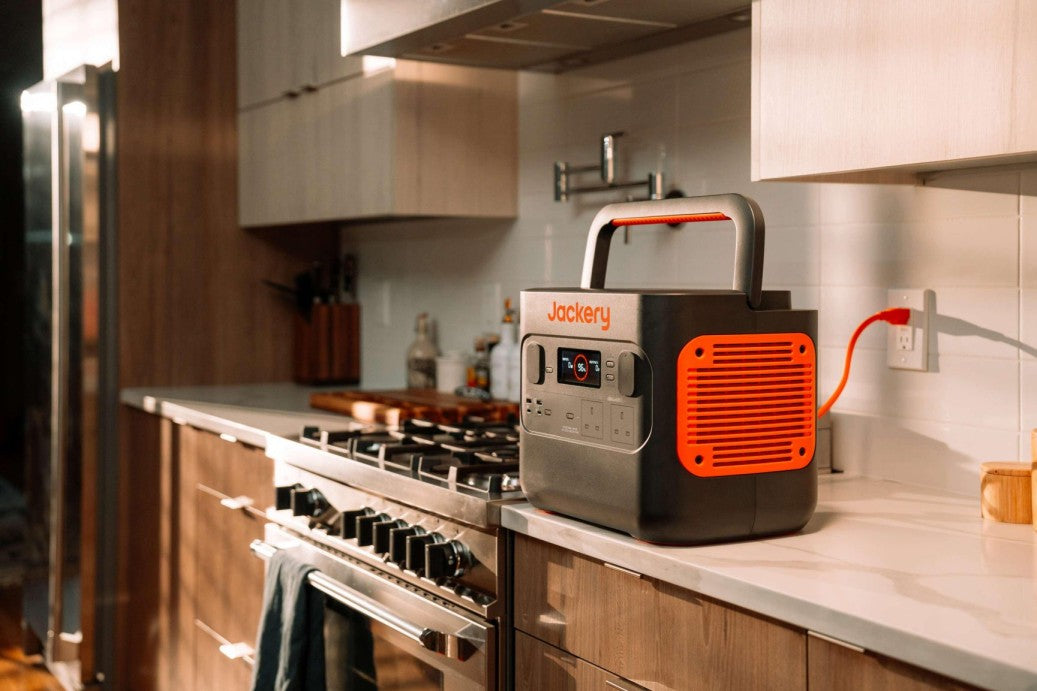
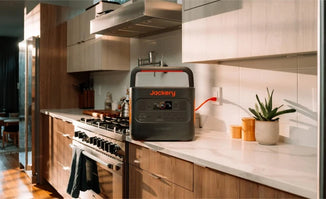
True energy security comes from having a reliable backup plan. Energy independence provides peace of mind during local power outages, grid instability, or periods of exceptionally high energy bills, ensuring your home remains a safe and functional space.
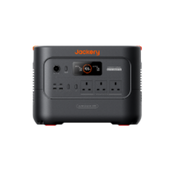
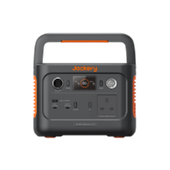
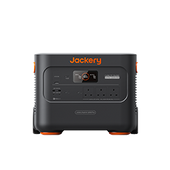
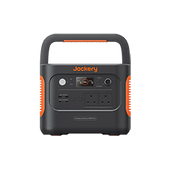
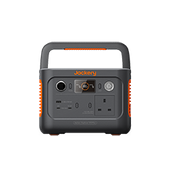
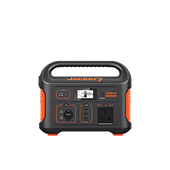
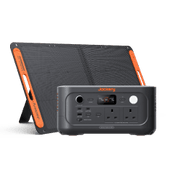
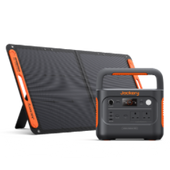
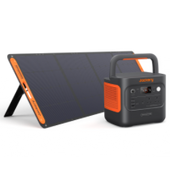
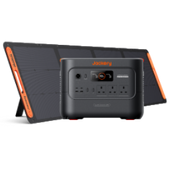
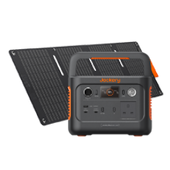
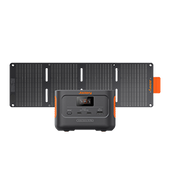
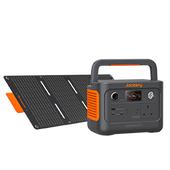
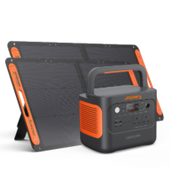
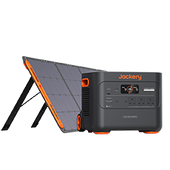
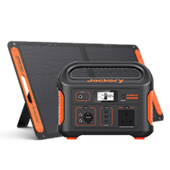
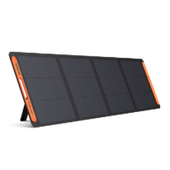
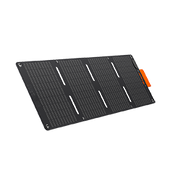
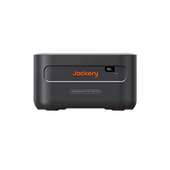
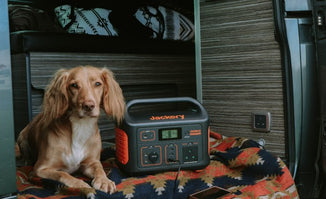
This means keeping critical needs met: powering medical devices, keeping the refrigerator running to prevent food spoilage, and maintaining Wi-Fi routers for remote work and communication. A portable solar generator is a clean, quiet, and effective solution for home backup.
|
Use Case / Model |
Specifications & Features |
|
For Extended Home Backup: |
• Capacity: 3072Wh |
|
For Versatile, Powerful Backup: |
• Capacity: 2042Wh |
|
For Essential Electronics: |
• Runtime: Powers a Wi-Fi router (10W) for 30 hours |
This unit is perfect for ensuring your router, laptops, and phones stay powered, making it indispensable for remote workers or for staying connected during an emergency.
To choose the right Jackery Solar Generator, calculate the total wattage of the devices you consider essential and estimate how long you'll need to run them. This will help you select a model with the right capacity for your needs.
Your Next Steps to Take Control
Understanding the energy price cap is the first step toward mastering your household expenses. By staying informed and proactive, you can effectively manage your energy costs and ensure your home remains powered through any situation.
Immediate Actions
- Find your annual energy usage (kWh) on a recent bill or smart meter.
- Use the formula in this guide to estimate your personal bill under the current cap.
- Verify your current tariff's rates against the official Ofgem figures to ensure you're being charged correctly.
Medium-Term Goals
- Adopt one new energy-saving habit this week, such as turning off lights in empty rooms or reducing laundry temperatures. See the advice from the Energy Saving Trust for more ideas.
- Assess your home's vulnerability to power outages and consider a backup power solution from Jackery to build true energy resilience.
Staying informed about grid stability trends and taking proactive steps are the best ways to manage energy costs and secure your home's power supply.
Frequently Asked Questions
Q1: How might future changes in the energy market impact the structure or existence of the energy price cap?
A1: Increased renewables could lead to more volatile wholesale prices, potentially requiring a more flexible cap structure. Future government policies may shift focus from a price cap to direct consumer support or incentives for energy efficiency.
Q2: Beyond the cap, what are the most significant factors influencing the overall cost of energy in the UK for consumers?
A2: Geopolitical events affecting global gas supply, the cost of carbon pricing schemes, and investment in national grid infrastructure are the most significant factors. Following reports from Ofgem and reputable financial news sources can help you understand these pressures.
Q3: For households relying on medical equipment, are there additional protections or support mechanisms available beyond the general energy price cap?
A3: Yes, you can join your supplier's Priority Services Register for free, which provides extra help during power cuts and with billing. Schemes like the Warm Home Discount and other government grants also offer financial support for vulnerable households.