























![[Over £1200 Tier Gift] Bluetooth Speaker with Phone Stand - shipped Separately](http://uk.jackery.com/cdn/shop/files/Portable_Bluetooth_Speaker_with_Phone_Stand_2.png?v=1781595581&width=170)




















Quick Answer: Most UK homeowners are not permanently getting rid of their solar panels. The overwhelming reason for detachment is roof replacement—panels typically last 25–30 years, outliving roof tiles (15–20 years), forcing temporary removal. Lease troubles from old “rent-a-roof” schemes and a desire to upgrade older systems also drive removal, but permanent decommissioning remains rare. In most cases, the sensible move is to reinstall or upgrade, not to discard a working asset.
Key Takeaways
-
Roof replacement is the #1 reason for solar panel removal, doubling labour costs when re-roofing is needed under long-lasting panels.
-
“Rent-a-roof” lease agreements can freeze property sales and cost over £16,000 to terminate, pushing owners to remove panels just to sell their home.
-
Professional removal costs £500–£1,500; during downtime you lose Smart Export Guarantee (SEG) payments, so the full financial impact is higher than the naked labour bill.
-
Adding battery storage can lift self-consumption from around 30% to 90%, making removal to “cut losses” unnecessary—an upgrade usually pays better than removal.
-
0% VAT on solar and battery installations applies until 31 March 2027, making upgrades now far more attractive than costly dismantling.
The Hidden Costs and Risks of Solar Panel Detachment
Roof replacement incompatibility drives the vast majority of removals. A solar array with a 25‑year lifespan easily outlasts standard roof tiles, which often need replacing after 15–20 years. When the roof fails, you pay twice: once to remove the panels and scaffolding, then again to reinstall them after the roof work. That dual‑labour cost can add £1,000 or more to the job.
“Rent‑a‑roof” lease liabilities are a nastier surprise:
-
Many homeowners discover the company that marketed the “free solar” deal is not the legal leaseholder.
-
Mortgage lenders routinely refuse loans on homes burdened by these opaque leases, freezing property sales.
-
Termination costs have exceeded £16,000.
-
Some owners simply remove the functional panels and buy out the lease, taking the financial hit to unlock a sale.
Safety risks of DIY removal are severe:
-
Solar panels generate high‑voltage DC electricity the moment daylight hits them, even when the mains isolation switch is off.
-
Amateurs who think the system is dead risk electric shock or fire.
-
Professional removal requires MC4 disconnect tools and proper isolation procedures.
Permanent decommissioning is rare. Most detachments are temporary for roof work or an upgrade. Permanent removal only occurs when exiting a lease, moving house, or replacing a worn‑out system. Given that the UK government is actively pushing a “rooftop revolution” to triple solar capacity by 2030, removing panels permanently works directly against national energy goals and your own long‑term savings.
Why Homeowners Remove Solar Panels: Temporary vs. Permanent
Temporary removal for roof repairs is the single most common scenario. Because panels are mounted directly on the roof, any major tile or waterproofing work forces a detachment. The process is routine for experienced installers, but it does interrupt generation.
Upgrading to modern, more efficient panels drives the next wave of removals.
|
Aspect |
2010 Typical 4 kW System |
Today’s High‑Efficiency System |
|
Panel wattage |
250W |
400W+ |
|
Efficiency |
15–16% |
>22% |
|
Panels needed for 4 kW |
16 |
~10 |
|
Output |
4 kW system |
Similar or greater power in a smaller array |
Many homeowners choose to swap the old array during a roof replacement rather than waste the opportunity.
Insurance claims after storms or fire also trigger paid removal and reinstallation. Most building insurance policies cover the labour, so the out‑of‑pocket cost can be minimal—provided the roof damage qualifies.
The perception that solar panels “aren’t worth it” occasionally prompts removal, but the numbers rarely support it:
-
As Martin Lewis has pointed out, solar is a long‑term investment with a typical 10‑year break‑even, not a quick‑return scheme.
-
The Feed‑in Tariff (FiT) closed in 2019; older systems now earn only SEG payments (3–15p/kWh), which can feel disappointing compared with the old FiT rates.
-
That drop often prompts an upgrade rather than permanent removal—pulling out a working system throws away whatever income it still generates

The True Costs and Grid Hurdles of Solar Removal
Professional removal costs range from £500 to £1,500 for a standard domestic system. This covers electrical isolation, scaffolding (often shared with roofing), and safe dismantling. If you need to repeat the process for future roof work, those fees stack up.
Grid connection rules add bureaucracy:
-
Under G98/G99, any system above 3.68 kW on a single‑phase supply requires notification to the Distribution Network Operator (DNO).
-
After removal and reinstallation, you may need updated paperwork, and delays are possible if the DNO queries the alteration.
-
Forgetting this step can invalidate your SEG registration.
|
Removal cost element |
Typical range (£) |
Notes |
|
Scaffolding (shared) |
300–600 |
Often split with roofers |
|
Electrical isolation & disconnect |
150–300 |
Mandatory; do not DIY |
|
Labour for panel removal |
200–400 |
2–3 people, half‑day |
|
Reinstallation labour |
300–600 |
Includes testing & recommissioning |
|
Total removal + reinstall |
950–1,900 |
Excludes roof replacement cost |
Lost SEG income is easy to overlook:
-
During a typical 2–4 week offline period, you export nothing, forfeiting 3–15p/kWh.
-
If your system exported 2,000 kWh per year, you lose roughly £6–£30 for that month—small, but it still nibbles at the payback.
Installation costs remain high: a typical 3–5 kW system costs £5,000–£11,000 fitted. The breakeven of 8–12 years means you must weigh whether you’re likely to need a roof replacement within that window. If so, building the roof‑work timeline into the initial plan avoids double handling.
The 0% VAT relief on solar and battery storage is a significant incentive, saving £1,000–£1,500 on a 4 kW system. The relief expires on 31 March 2027; after that, VAT reverts to a reduced rate of 5%. With no universal government grant in 2026, this VAT holiday and the SEG are the main financial props. There is no net metering in the UK—you get paid for exports separately from your consumption—so self‑consumption and battery storage are what truly move the needle.
The 33% rule also complicates reinstallation. Whether you encounter it as a fire‑service guideline on roof coverage or as an inverter‑oversizing ratio, it affects what you can legally put back on your roof.
The 33% Rule: Fire Safety and Inverter Oversizing Explained
As a roof‑coverage limit, the 33% rule comes from fire‑service guidance. When solar panels cover more than about one‑third of the roof’s plan‑view area, you must leave additional setbacks and clear walkways for firefighter access. Exceeding this can trigger structural reviews and longer permitting, driving up reinstallation costs and possibly preventing you from refitting the same number of panels.
As an inverter‑oversizing ratio, the 33% rule is a design practice: engineers often allow up to 33% more panel capacity (e.g., 4 kW of panels on a 3 kW inverter). This improves generation in low‑light conditions while causing brief clipping on the sunniest days; annual yield loss is negligible. So if you need to reduce the number of panels to stay within the fire‑service limit, oversizing can help preserve total output.
High‑efficiency panels now make it easier to respect the 33% coverage limit. A 400W+ panel can replace a 250W unit without expanding the footprint. Ground‑mounted arrays or portable solar panels can supplement generation when roof space is restricted.
This is not a legal requirement, but failure to follow the guidance can lead to fire‑service refusal of access in an emergency, potentially invalidating your home insurance.
Maximising Solar Savings Without Removing Panels
Battery storage is the single most effective upgrade. A typical UK solar household self‑consumes only about 30% of what it generates. Adding a battery pushes that to 70–90%, dramatically cutting grid imports. For example, with solar generators and battery systems now more affordable, you can store daytime surplus and use it in the evening rather than selling it for a few pence and buying back at 24p/kWh.
Smart time‑of‑use tariffs such as Octopus Agile let you charge the battery from the grid at off‑peak rates, maintaining low bills even when your panels are offline—say, during a roof repair. Meanwhile, 0% VAT on battery installations (until 31 March 2027) makes adding storage a better financial move than removing panels.
MCS‑certified installers are essential for keeping SEG eligibility and warranties intact. Hiring one contractor who handles both roofing and solar—rather than two separate teams—eliminates coordination gaps and avoids finger‑pointing if something goes wrong. Routine monitoring can flag underperformance early, letting you repair or replace components before they force a full detachment.
The ECO4 scheme can fully fund solar panels for eligible low‑income households as part of whole‑house retrofit packages, but strict criteria apply and the scheme closes on 31 March 2026. For most homeowners, the practical route is pairing panels with a battery, storing surplus for later export when SEG rates are higher, improving payback without touching the roof.
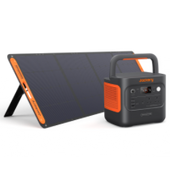
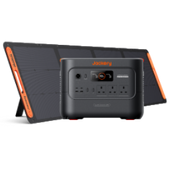
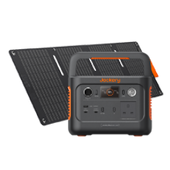
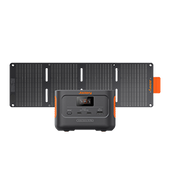
Even a small backup power source can bridge a gap. A solar energy bank can keep essential devices charged during a short outage, while a larger portable power station can run a fridge or router—giving you breathing room if the main system is down.
A Step-by-Step Guide to Solar Panel Removal and Reinstallation
-
Hire a single contractor who handles both roofing and solar. This avoids warranty conflicts and ensures the mounting hardware is compatible with new roofing materials.
-
Isolate and disconnect. A qualified electrician will shut down the system and use MC4 tools to disconnect the panels safely. Panels are removed and stored.
-
Roof work proceeds. With scaffolding already in place, the roofer replaces tiles or felt. The scaffolding is shared, saving £300–£600.
-
Reinstall and recommission. The solar team remounts the panels, wires them back, and tests the system. If the array is over 15 years old, consider upgrading the panels at this stage; today’s 400W+ units can pay back the extra investment within 3–5 years.
-
Notify the DNO before reconnecting. G98/G99 compliance may require a new application, and failure to notify can delay recommissioning or invalidate your SEG contract.
-
Plan for SEG interruption. During the 2–4 weeks the system is offline, you receive no export payments. Factor this small loss into your cost‑benefit calculation.
Total removal plus reinstallation typically runs £950–£1,900, excluding the roof work itself. Insurance may cover the process if the roof replacement is due to storm or fire damage—check the policy wording closely.
Home Backup Power During Solar Downtime
SolarVault 3 Series
Jackery’s forthcoming SolarVault 3 Series is designed to keep your home powered when rooftop panels are offline. This stationary energy‑storage system aims to store solar energy and handle household electricity demand, providing seamless backup during roof repairs, grid interruptions, or planned maintenance. While final specifications are not yet confirmed, the SolarVault 3 Series represents Jackery’s move into whole‑home storage, complementing its existing portable power range.
For immediate needs, Jackery’s current line‑up of portable power stations can keep essential circuits running during temporary outages. See our review of the best portable power stations for outdoor trips to find a unit that fits your backup requirements while you wait for the SolarVault launch.

Frequently Asked Questions (FAQ)
Does removing solar panels affect home insurance?
Removing panels can increase premiums if not disclosed, especially if roof integrity is compromised during the process. Always inform your insurer.
Do I need planning permission to remove solar panels?
Planning permission is generally not required for removal, but listed buildings and conservation areas may impose restrictions. Check with your local planning authority.
What happens to Feed-in Tariff payments if panels are removed?
Feed‑in Tariff payments stop permanently when the system is decommissioned. You cannot receive payments for a disconnected array, so removal directly sacrifices future income.
Can solar panels be recycled at end of life?
Yes, roughly 90% of panel materials—glass, aluminium, and some semiconductors—can be recycled through specialist UK facilities, in line with WEEE regulations.
Will removing panels lower my home’s EPC rating?
Removing panels reduces the renewable energy contribution, lowering the Energy Performance Certificate (EPC) rating. This can impact mortgage and rental eligibility.


