


























![[Over £1200 Tier Gift] Bluetooth Speaker with Phone Stand - shipped Separately](http://uk.jackery.com/cdn/shop/files/Portable_Bluetooth_Speaker_with_Phone_Stand_2.png?v=1781595581&width=170)

















Many UK families want to know whether energy prices will go down in 2026. The answer, unfortunately, is no. Although the Ofgem price ceiling decreased marginally earlier this year, it has risen again after October 2025 due to higher infrastructure and regulatory costs.
A typical household now pays around £1,755 per year, up from £1,720 in the preceding quarter. Experts predict prices will remain stable until early 2026, with no significant cuts expected. This article discusses why energy prices remain high, what variables influence expenses, and how to manage your bills more effectively.
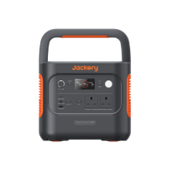
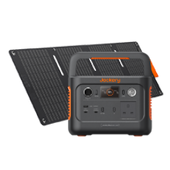
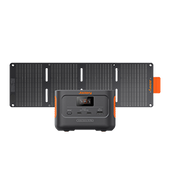
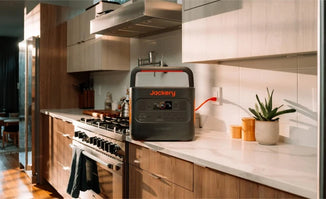
To save on your electric bill, we highly recommend the Jackery Portable Power Station to power your appliances during peak hours instead of using the mains.
|
Key Takeaways: |
|
What Are Current Energy Prices?
Gas and electricity prices remain much higher than before the energy crisis, but the price cap is currently lower than it has been for a long time.
As of July 1, 2025, we are under an energy price limit that is about 7% lower than the prior quarter. An average family currently spends £1,720 per year. Unfortunately, it is expected to rise slightly to £1,755 from October 1 to December 31, 2025.
A typical family paying by Direct Debit pays £1,755 per year under the existing Price Cap. But keep in mind that the cap does not restrict how much you spend; somewhat, it limits what you pay for each unit of gas and electricity you use, as well as the maximum daily standing fee (what you pay to have your house connected to the grid), so if you use more, you pay more.
The table below displays the average unit rates and standing charges each day (which vary by area) under the current Price Cap.
The average standing charges and unit rates for gas and electricity from October 1 to December 31 2025
|
|
Gas |
Electricity |
|
Direct Debit |
Unit rate: 6.29p per kWh Standing charge: 34.03p per day |
Unit rate: 26.35p per kWh Standing charge: 53.68p per day |
|
Prepayment |
Unit rate: 6.06p per kWh Standing charge: 34.04p per day |
Unit rate: 25.54p per kWh Standing charge: 53.68 per day |
|
On receipt of a bill |
Unit rate: 6.62p per kWh Standing charge: 41.76p per day |
Unit rate: 27.81p per kWh Standing charge: 61.82p per day |
Why Did the Price Cap Rise in October 2025?
The price ceiling was raised on October 1, 2025, due to rising costs of maintaining and expanding the country's energy infrastructure.
Wholesale energy prices fell by 2% in the months before Ofgem published the new tariffs in August 2025, while network and policy expenses rose.
Network expenditures include the construction and maintenance of the pipes and cables that transfer electricity across the UK. After wholesale expenses, they are the primary cause for your high rates, and they will rise by 6.5% in October 2025. Policy expenses, which fund the government's social and environmental programs, have been increased by 8.6 per cent.
This is partly due to the increase in the £150 Warm Home Discount to an additional 2.7 million households, which will cost £400 million. According to the government, this equates to an additional £15 per family.
These increases have combined to raise the typical home's yearly energy cost by £41, accounting for the whole £35 per year increase within the price restriction.

Will Energy Prices Drop in 2026?
The price of energy is still much higher than it was before the 2021 crisis. Additionally, starting on October 1, the price ceiling has been higher than it was this summer. From now until the end of December, it will remain at £1,755 for a typical family.
|
Time |
Price cap on new typical use figures |
|
July 1 to September 1 2025 |
£1,720 a year (6.98% down on previous cap) |
|
October 1 to December 31 2025 |
£1,755 (up 2% on last cap) |
|
Prediction: January 1 to March 31 2026 |
£1,760 (0.5% increase on current cap) |
Note: Based on Ofgem's revised, lower average consumption numbers of 2,700 kWh for electricity and 11,500 kWh for gas.
Changes to the Energy Price Cap are made in accordance with a stated methodology developed by regulator Ofgem. Firms may use the publicly accessible algorithm to estimate how the Cap will change in the future.
For more information on how the Cap works, check our Price Cap FAQs.
Currently, only a few organisations, including energy providers EDF, British Gas, and E.on Next, provide frequent, publicly published Price Cap estimates.
Energy costs are expected to increase next year. On October 1, the Price Cap increased by 2%, resulting in a family with normal consumption paying £1,755 per year by Direct Debit. Following that, economists expect the Price Cap to remain about the same in January, then increase in April.
Why Are Price Cap Predictions Changing?
The swings in wholesale prices have been mentioned as the primary cause for the changes in our bills. The fact that Great Britain is dependent on imports, especially gas imports, makes it susceptible to the dramatic price fluctuations in the global energy market.
What Does the Rise in Energy Prices Imply for You?
As the energy price limit increased on October 1, families on variable tariffs would pay more for their energy than they did between July and September.
While Ofgem anticipates the average annual cost for the fourth quarter of 2025 will be £1,755, some families will spend more, while others will pay less.
This is because unit prices and standing charges are capped, but energy bills are not. Households that use more gas and/or electricity may wind up paying much more, whilst those that limit their energy use would pay less.
The table below shows how unit prices and standing charges have changed this year. It also contains Cornwall Insight's October outlook.
|
|
April Price Cap |
July Price Cap |
October Price Cap |
January 2026 Price Cap (Prediction) |
|
Electricity unit cost (per kWh) |
27.03p |
25.73p |
26.35p |
26.33p |
|
Electricity standing charge (daily) |
53.80p |
51.37p |
53.68p |
53p |
|
Gas unit cost (per kWh) |
6.99p |
6.33p |
6.29p |
6.00p |
|
Gas standing charge (daily) |
32.67p |
29.82p |
34.03p |
33p |
|
Typical annual household bill |
£1,849 |
£1,720 |
£1,755 |
£1,724.78 |
Source: Ofgem (verified data) and Cornwall Insight (January prediction). A typical yearly charge for clients who pay via direct debit. The most recent Cornwall Insight projections as of September 30.

Why Have the Energy Prices Been So High?
The energy market has been in crisis in recent years, with energy prices increasing dramatically towards the end of 2021, peaking in the winter of late 2022 and early 2023, and then dropping down over the past year or two. Nonetheless, prices remain staggeringly high, with many spending almost twice as much as they were before the crisis.
This has all been due to rising wholesale energy costs. When the crisis began in 2021, wholesale prices skyrocketed as several nations lifted Covid-19 lockdowns, triggering a surge in energy consumption as businesses and industries reopened. The war between Russia and Ukraine also led to wholesale energy prices rising, as several nations cut or halted imports of Russian gas in response, further reducing supply.
Furthermore, current tensions in the Middle East have pushed wholesale energy prices upward. While wholesale prices have fallen dramatically since the peak of the energy crisis, they remain well above pre-crisis levels.

What Factors Influence Energy Prices?
A variety of factors, including global market conditions and technological breakthroughs in renewable energy, influence energy costs. Understanding these impacts allows customers to predict price fluctuations and make educated choices about their energy consumption:
World Market Situation: Geopolitical tensions and supply chain disruptions may reduce energy availability, leading to price increases—conflicts in oil-producing countries or severe weather events that disrupt infrastructure cause a quick cost surge.
Government Policies and Regulations: Energy costs vary due to government actions such as price controls, taxes, and subsidies. Policies that promote renewable energy or impose carbon taxes may either reduce or increase prices.
Renewable Energy Expansion: The growing reliance on sustainable energy sources, such as wind and solar, is influencing pricing patterns. While renewables reduce reliance on fossil fuels, integrating them into the grid continues to affect energy pricing stability.
A significant consideration in this growth process is the reliability of solar energy. As solar power becomes increasingly integrated into the energy mix, securing a continuous, dependable supply is critical to maintaining grid stability and reducing costs.
Seasonal Demand
Heating demands increase energy use during colder months, raising costs. Milder seasons with lower demand might yield minor cost savings.
How Can You Reduce Your Energy Bills?
Reducing energy expenditures is a significant concern, particularly given the uncertainty about when energy prices may fall. While prices continue to fluctuate, there are practical techniques to manage and reduce your energy bills.

Tip 1: Make the Transition to Renewable Energy
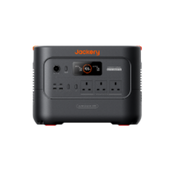
Switching to sustainable energy sources, such as a solar generator, may reduce your power expenditures. By storing solar energy, you may avoid depending on the grid during peak hours. A trustworthy alternative, such as the Jackery Explorer 3000 v2 and Jackery Explorer 2000 Plus, may help you save money on your energy costs by using renewable energy. Both models power everything in your home, from refrigerators to EV chargers, minimising grid use. Their solar batteries are ideal for both daily usage and backup power during outages.
Tip 2: Optimise Energy Usage
Installing smart meters, utilising energy-efficient products like LED lighting, regulating your temperature, and sealing drafts around windows and doors may all help you save energy and money on your electricity costs.
Tip 3: Keep Track of Your Bills
Tracking your typical monthly power bill helps you identify usage trends and areas where you might save money. It guarantees you don't overspend due to incorrect charges or poor energy use.
Tip 4: Look Into Government Support
Government initiatives such as the Warm Home Discount and the Fuel Direct Scheme help qualified families cope with rising energy costs. Check for any grants and subsidies to minimise your total expenditures.
Tip 5: Get Assistance from Your Energy Supplier
If you're having trouble with your energy bills, contact your provider. Under Ofgem regulations, they must assist by evaluating payments, providing breaks, extensions, hardship grants, and energy-saving advice. Some companies, as part of the Energy UK Vulnerability Commitment, offer free home modifications such as insulation, new boilers, and energy-saving products like electric blankets.
Jackery Portable Power Stations to Save Your Energy Bills
Choosing a Jackery Portable Power Station can be a strategic way to reduce your UK electric bills, not just by providing backup power, but by leveraging specific features that capitalise on the UK's energy market structure. The primary reasons relate to Energy Arbitrage and the immediate, hassle-free adoption of Solar Power (if using a "Solar Generator" model).
Many UK energy suppliers (such as Octopus, British Gas, and ScottishPower) offer Time-of-Use (ToU) tariffs (such as Economy 7 or EV Tariffs), where electricity is significantly cheaper overnight (off-peak, often 12 a.m. to 7 a.m.) and much more expensive during the day (peak hours).
You charge the high-capacity Jackery unit (like the 2000 Plus or 3000 v2) entirely during the cheap, off-peak night hours.
You then use that stored, low-cost power to run high-draw daytime appliances (like the kettle, microwave, or charging laptops) during the expensive peak hours. This method, known as load shifting, ensures you pay the cheapest possible rate for the energy you consume.
Jackery Explorer 3000 v2
The Jackery Explorer 3000 v2 can be a strategic move to lower your electric bills in the UK, primarily by optimising when you purchase electricity and utilising renewable energy. In the UK, many energy suppliers offer Time-of-Use (TOU) tariffs (such as Economy 7 or newer smart tariffs), where electricity is significantly cheaper during off-peak hours (usually overnight) and more expensive during peak hours (often late afternoon/evening).

Arbitrage with Off-Peak Charging: You can set the Jackery to charge automatically during off-peak hours when electricity is cheaper. You then use the power stored in the battery to run your high-consumption appliances during the expensive, peak-rate hours. The Jackery Explorer 3000 v2 supports scheduled charging and can be controlled via an app to "time-shift" your power consumption. Buying cheap electricity and using it when rates are high can offset a significant portion of your peak-time electricity usage.
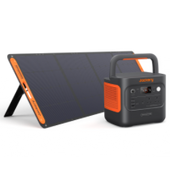
Integration with Solar Power: By harnessing solar energy, you are generating your own electricity. The 3072Wh capacity allows you to store this free energy for use after the sun goes down or on cloudy days, powering your home appliances without incurring any running costs. You can set up the Jackery SolarSaga 200W solar panels in your garden, balcony, or even near a sunny window to convert free sunlight into usable electricity, directly offsetting the power you would have otherwise pulled from the expensive grid.
LiFePO4 Battery: The Lithium Iron Phosphate (LiFePO4) battery is known for its durability and longevity. With 4,000+ charge cycles to 70% capacity, the unit is built for over a decade of regular use, ensuring your investment continues to save you money for a long time.
App-Controlled Optimisation: The smart app lets you monitor power usage in real time and customise advanced power modes. This control helps you ensure you are always using the most cost-effective power source (stored solar power or cheap off-peak energy) over grid electricity.
Jackery Explorer 2000 Plus
The Jackery Explorer 2000 Plus Portable Power Station is a compelling choice for reducing electric bills in the UK because its high capacity and ability to handle powerful appliances allow for effective energy management, especially when paired with time-of-use tariffs or Jackery Solar Panels.

Buying Low Using High: You can plug the Explorer 2000 Plus into the wall and charge its large 2042.8Wh battery fully during the cheap, off-peak hours (e.g., midnight to 5 a.m.), when electricity rates can be significantly lower (some tariffs offer rates as low as 7.2p per kWh). You then use the stored, low-cost power to run high-draw appliances and electronics during the expensive peak daytime hours (typically 4 p.m. to 7 p.m.).
Since the 2000 Plus has a 3000W continuous output, it can power appliances that are major contributors to peak-time bills, such as a microwave, electric kettle, or portable heater, effectively allowing you to "buy low" and "use high." Jackery's high-capacity units are ideal for this strategy to reduce your reliance on the grid throughout the day.
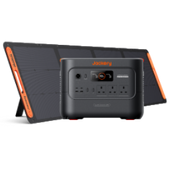
Free Energy Generation: The unit can be charged using solar panels that convert sunlight into usable electricity, directly offsetting your grid consumption. The Explorer 2000 Plus has a high solar input, capable of being fully recharged in as little as 2 hours with the maximum recommended solar panels.
No Permanent Installation: For UK residents who rent or live in apartments, portable solar panels offer a way to harness solar power without the expense or complexity of a rooftop installation. You can easily set them up in a garden or on a balcony and move them to optimise sun exposure.
Off-Grid Savings: Running small appliances, lights, and charging devices on solar-generated power keeps them from adding to your utility bill.
Should You Fix Your Energy Tariff?
With wholesale energy prices plummeting, consumers are asking if they will soon be able to change their energy arrangement if they so choose. What should you know before deciding whether this is the correct step for you?
Wholesale energy costs increased dramatically in September 2021 due to several factors. While they have dropped from such heights in recent months, they are still extraordinarily high overall.
The energy price ceiling is £1,755 from October 1 to December 31, 2025. This is a slight increase, but as we approach winter, use will grow, perhaps significantly increasing costs. However, several fixed offers provide discounts against the price restriction.
If you're not currently on a fixed tariff, consider signing up for one to save a significant amount.
What Numbers Do I Need To Know?
The price limit is set at £1,755. There are fixed packages priced roughly £200 below that amount. If you have a variable tariff that fluctuates with the price cap, you may save money now by locking in your package.
Wholesale energy costs might still rise or fall, so a fixed agreement that is now the cheapest option may become more expensive if the price cap is reduced.
What Factors Should I Consider When Switching Energy Providers?
The following factors should be considered when switching energy providers.
Consider exit fees. You may change your mind about your fixed contract and want to switch again. However, if this occurs after the cooling-off period, you may be required to pay an exit charge. Exit costs are not included in all tariffs; however, the majority do include them, so verify the conditions of your current tariff.
Consider the duration of the agreement. Most tariffs last 12 or 24 months. During this period, the price limit may rise or fall depending on market conditions, so decide how long you want to be locked in.
Please keep informed. Keep a careful watch on the market and do frequent comparisons to see what offers are available. Signing up for notifications keeps you up to date on what's happening in the energy market and notifies you when a good bargain becomes available.
Do not accept an offer you cannot afford. Make sure you can afford the offer you pick, and don't rush into one you can't afford.
Don't just look at the direct debit amount. The monthly amount you pay via Direct Debit is often based on your predicted annual energy use. This may not be the exact cost. Make sure to include the unit rate and standing charge when calculating your energy bill. You may also check how it varies from what you're paying now.
FAQs
The following are the frequently asked questions about the energy prices in the UK:
1. What is the forecast for energy prices in 2026?
In the United Kingdom, the energy price ceiling for the period October to December 2025 is set at £1,755 per year for a typical home, up 2% from the previous quarter.
The limit is expected to drop significantly in January 2026, although this is not definite, and bills will most likely stay higher than pre-energy crisis levels. Wholesale petrol costs have fallen, while energy prices have remained steady, but standing charges have risen dramatically, further increasing the overall limit.
2. What does Martin Lewis say about energy prices?
Martin Lewis tells people to switch from the Energy Price Cap to cheaper fixed packages right now, since the lowest fixes are well below the cap. He says that fixing is the safest approach to lock in savings since the ceiling doesn't protect you very well against excessive standing costs. Lewis also wants people to save energy and has worked to get the government to implement social tariffs to protect vulnerable consumers and make the system fairer.
3. Will energy prices go down in 2026 UK Gov?
For a typical home that uses gas and electricity and pays by Direct Debit, the energy price ceiling is set at £1,755 per year between October 1 and December 31 2025. This is a 2% rise from the £1,720 limit that was in place from July 1 to September 30, 2025.
4. Should I get a fixed-rate energy tariff?
If you want to know exactly how much your energy bill will be each month and think prices will rise, you should take out a fixed-rate energy tariff. But be mindful that you could pay more if prices go down.
Before signing a contract, review your budget, compare existing fixed packages to the Ofgem price cap and your expected energy use, and check whether there are any costs for cancelling early. If wholesale prices go down, a variable tariff lets you profit from that. A fixed tariff protects you against price rises.
Final Thoughts
In conclusion, will energy prices go down in the UK in 2026? — The evidence clearly shows no. While wholesale energy prices have fallen from their 2022-2023 peak, they remain well above pre-crisis levels. Ongoing infrastructure expenditures, increased policy expenses, and global market uncertainties all contribute to persistently high pricing.
To control expenses, users should take proactive steps such as switching to renewable sources, optimising energy consumption, and researching fixed-rate options. Staying informed and making wise decisions will be critical in navigating the UK's complex energy environment in 2026 and beyond.


