













![[Over £1200 Tier Gift] Bluetooth Speaker with Phone Stand - shipped Separately](http://uk.jackery.com/cdn/shop/files/Portable_Bluetooth_Speaker_with_Phone_Stand_2.png?v=1781595581&width=170)














When you know the winter accessories to use, it's simpler to go about in the chilly UK winter. Wearing scarves, hats, gloves, and thermal apparel in the right way keeps you warm and looking good at the same time. Don't forget to bring the things you need for outdoor activities, such waterproof boots, insulated coats, and portable energy sources for days when the weather is uncertain.
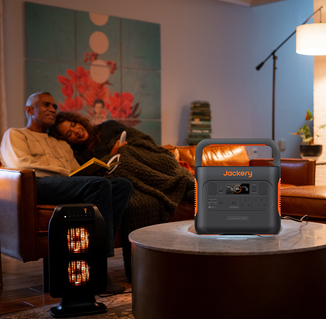
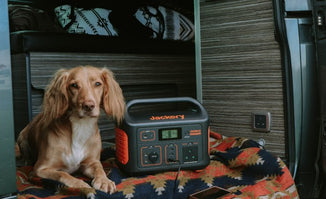
The Jackery Portable Power Station can keep your electronics charged when you're out in the winter, while you're camping, trekking, or just going to work when the days are shorter. This will keep you safe and make things easier. Being smart about getting ready for winter makes it both easier and more fun.
|
Key Takeaways: |
|
Importance of Winter Accessories
In the UK, winter accessories are far more than just "fashion additions." Because the British winter is defined by dampness, high humidity, and "biting" winds rather than just dry sub-zero temperatures, accessories play a critical role in health, safety, and daily comfort.
Combating the "Damp Cold"
The UK's high humidity makes the cold feel much more "penetrating" than in drier climates. Accessories like thermal socks and waterproof gloves are vital because wet skin loses heat up to 25 times faster than dry skin.
In coastal and northern areas (like Scotland or the Pennines), wind chill can drop the perceived temperature by 5 to 10°C. A high-quality scarf and windproof hat create a seal that prevents this cold air from entering your coat at the neckline and ears.
Preventing Significant Heat Loss
It is a common physiological fact that the head, neck, and hands are high-vascularity areas where heat escapes quickly. A beanie or wool hat is the most efficient way to regulate your core temperature. Since the UK experiences frequent "grey" days without direct sunlight, your body relies entirely on trapped heat.
Safety and Visibility (Short Daylight Hours)
By December, the UK sees sunset as early as 3:45 PM. Many UK winter accessories (like hats and gloves) now incorporate reflective threading. This is crucial for pedestrians and cyclists navigating poorly lit rural roads or busy city streets during the long "commuter twilight."
Download Winter Accessories Checklist PDF>>
Must-Have Winter Accessories for the UK Winter
When the weather becomes colder and the wind gets colder, picking the correct winter accessories may make a big difference. Winter weather in the UK may be unexpected, with cold air and wet conditions.
That's why it's important to have dependable winter accessories that will keep you warm, comfortable, and ready for anything. Here is a properly organised list of necessary objects that is simple to read, practical, and natural.

1. Winter Scarves
A well-made scarf is one of the most useful winter items you may wear every day. It keeps the neck warm and adds a refined look to winter clothing. Scarves are still a classic and useful winter accessory.
2. Thermal Gloves
In the winter, thermal gloves are a must-have for keeping your hands warm and safe from cold air and strong winds. They are made to keep you warm and comfortable, which makes them great for commuting and outdoor activities in the UK throughout the winter.
3. Warm Winter Hats
Hats are key winter accessories that help reduce heat loss in cold conditions. A well-fitted winter hat offers warmth, comfort, and effortless style, making it a staple accessory for winter wear.
4. Thermal Socks
Thermal socks are often overlooked but are highly effective accessories for winter. They provide extra insulation for your feet, keeping them warm and comfortable during long days in cold or damp weather.
5. Winter Boots
Winter boots are protective winter accessories because they keep your feet warm and stable. They are necessary for remaining comfy throughout winter since they can manage wet roads and colder weather.
6. Touchscreen-Compatible Gloves
Touchscreen gloves are a new winter accessory that lets you use your phone without getting your hands chilly. They are a useful addition to any collection of winter accessories since they are both useful and warm.
7. Insulated Jackets and Coats
A high-quality insulated coat is one of the most important winter accessories for the UK climate. It provides a strong outer layer that blocks wind and helps maintain body heat during colder days.
8. Ear Warmers
Ear warmers are light yet work well in the cold. They're great for those who don't want to wear headgear. They provide warmth where you need it and are convenient to take about every day.
9. Winter Face Coverings
Face masks made for chilly climates might help keep freezing winds away. They are great for outdoor activities and spending a lot of time in cold weather in the winter.
10. Layering Basewear
Thermal base layers are practical accessories for winter that help regulate body temperature. Worn under everyday clothing, they add warmth without bulk and improve overall comfort.
11. Weather-Resistant Umbrellas
In the UK, where it rains a lot in the winter, a strong umbrella is a useful winter item. When it's windy outside, styles that are resistant to wind help you keep dry.
What to Wear in Winter for Different Occasions?
Winter in the UK can be cold, wet and changeable, so planning what to bring or wear in winter is all about smart layering, staying dry and choosing gear that suits the specific activity and conditions you'll face. Whether you're heading out for outdoor adventures or daily exercise, here's a detailed guide to help you prepare for common winter scenarios across the UK.

Winter Hiking
Hiking in winter across the UK's moorland, hills and woodland calls for a layered clothing system that lets you adjust to changes in temperature and exertion levels. A moisture-wicking base layer made of merino or technical synthetic fabric helps keep sweat off your skin, preventing chills when you stop moving.
To keep heat in, wear a warm mid-layer like a fleece or insulated jacket. Next, put on a shell jacket that is waterproof and windproof and has ventilation options to help keep your body temperature in control. You need waterproof, breathable trousers and robust winter boots with wool or synthetic stockings to be comfortable on wet or rough ground.
Put a thick hat or beanie on your head and a buff or gaiter on your face and neck. Your gloves should keep your hands toasty while also letting you utilise tools comfortably. Microspikes and other traction aids may help you retain your footing on treacherous pathways when it's icy or snowy.
|
Accessories |
Tips |
|
Base Layer (Moisture Wicking) |
Merino Wool or Synthetic (Polyester/Nylon). Never wear cotton. |
|
Mid Layer (Insulation) |
Fleece, wool sweaters, or "puffy" jackets (down or synthetic). Choose a mid-layer with a zipper so you can "vent" heat quickly without taking the whole thing off. |
|
Outer Layer (Shell) |
Waterproof and breathable (like Gore-Tex). |
|
Lower Body |
Leggings Hiking pants Gaiters |
|
Head |
A wool or fleece beanie that covers your ears. |
|
Hands |
Use a liner glove (thin) inside a waterproof mitten. |
|
Feet |
Heavyweight wool socks (like Darn Tough or Smartwool). Waterproof, insulated winter boots. |
|
Safety |
Microspikes/Crampons Trekking poles Sun protection: Snow reflects up to 80% of UV rays. |
Winter Running
When jogging in the UK in the winter, it's all about keeping your body temperature in check without becoming too hot or wet. Start with a tight base layer that wicks away moisture. If you need more warmth, add a breathable mid-layer. For outside protection, wear a lightweight windproof jacket.
Running tights with a thermal lining keep your legs warm, and technical running socks keep your feet from getting blisters while boosting warmth. In chilly weather, simple gloves, ear warmers, or a headband may make a great difference.
Choose bright or luminous clothes so that you can be seen when you run in the early morning or evening when there isn't much light. You may also want to wear moisture-wicking materials all the time so that you keep comfortable if your pace picks up.
|
Accessories |
Tips |
|
Upper Body |
Base layer: a fitted synthetic (polyester) or thin Merino wool long-sleeve. The wind shield: if it's windy or snowing, wear a lightweight running vest or a very thin windbreaker. |
|
Lower Body |
Thermal tights Wind-front tights Running socks |
|
Head & Hands |
Headband vs. hat: if it's moderately cold, a headband is better because it protects your ears but lets heat escape through the top of your head. Switch to a beanie only when it drops below freezing. Lightweight gloves Neck gaiter |
|
Feet & Safety |
Trail shoes Reflective gear Winterised soles |
Winter Camping
It's very important to remain warm and dry while camping in the winter, particularly in rural or open areas of the UK. Put on a thermal base layer close to your skin to keep you warm and dry when the temperature drops.
For warmth, add a mid-layer like a fleece or insulated jacket. For protection from rain and sleet, add a waterproof, breathable outer shell on top. A warm hat and waterproof gloves are important for your head and hands since heat leaves your body fast via your hands and feet. Bring a few pairs of thick socks and maybe gaiters to prevent snow or muddy water out of your boots.

A solid four-season tent, a sleeping bag for cold weather, and a sleeping mat with adequate insulation can help you stay warm at night. Waterproof packs for storing extra layers and essentials safely are useful extras.
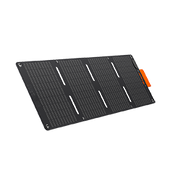
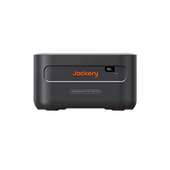
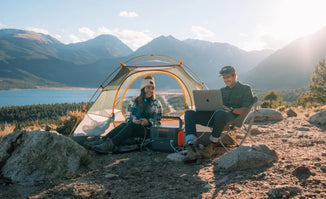
Reliable portable power sources like the Jackery Portable Power Station can keep your devices charged and lights on during longer winter camping trips, no matter you're in the north or exploring rough areas further south.
|
Accessories |
Tips |
|
Base Layer (Moisture Wicking) |
Merino Wool or Synthetic (Polyester/Nylon). Never wear cotton. Long-sleeve thermal top and thermal leggings (mid-weight is usually best for all-around use). |
|
Mid Layer (Insulation) |
Fleece, wool sweaters, or "puffy" jackets (down or synthetic). Choose a mid-layer with a zipper so you can "vent" heat quickly without taking the whole thing off. |
|
Outer Layer (Shell) |
Waterproof and breathable (like Gore-Tex). A high-quality rain or snow jacket and waterproof pants. Even if it isn't raining, the shell is vital for blocking wind. |
|
Head |
A wool or fleece beanie is mandatory. If it's windy, a balaclava or neck gaiter protects your face from frostbite. |
|
Hands |
Use a liner glove (thin) inside a waterproof mitten. |
|
Feet |
Heavyweight wool socks (like Darn Tough or Smartwool). Waterproof, insulated winter boots. |
Skiing and Snow Sports
When you go skiing, the first thing you should do is put on moisture-wicking base wear close to your skin to stay dry and comfortable on the lifts and slopes. A fleece or light down jacket and pants that are waterproof keep snow and wind out as you ski. A middle layer of insulation helps keep body heat inside.
Gloves made just for skiing, ski socks that wick away moisture, and goggles that keep out glare, wind, and snow. For safety, helmets are a must. A warm neck gaiter or balaclava may also assist protect you from harsh winds.
Resorts typically rent out ski gear, but it's worth you to buy nice base layers and accessories so you can be comfortable and safe on your winter vacation.
|
Accessories |
Tips |
|
Base Layer |
Choose Merino wool or synthetic polyester. |
|
Mid Layer |
A fleece jacket is great for breathability, while a thin down "puffy" jacket offers the best warmth-to-weight ratio for very cold days. |
|
Outer Layer |
A waterproof and windproof ski jacket and pants. Ski vs. snowboard cut: ski jackets are typically slimmer for aerodynamics. |
|
Head, Hands & Feet |
Ski socks: use one pair of thin, over-the-calf wool or synthetic socks. Gloves or mittens Helmet & goggles Neck gaiter |
Everyday Winter Wear
A functional layered suit makes a big difference for everyday tasks like commuting and taking casual winter walks. To keep moisture in check and provide warmth, start with a tight base layer beneath your usual clothing. A warm, waterproof outer jacket keeps the wind and rain out. Accessories like thermal gloves, a snug cap, and a neck scarf make it more comfortable to go from inside to outside. Waterproof boots or shoes with high grip will help you avoid slipping on wet sidewalks. Also, having portable products like weather-proof backpacks or dry liners helps keep important things like phones and tablets safe from the damp UK winter.
Across these varied occasions, choosing the right combination of gear and clothing ensures you stay warm, safe and comfortable throughout winter activities, whether that's a day on the trail, a run before work, a winter camping trip, or hitting the slopes with friends or family.
|
Accessories |
Tips |
|
Base Layer |
Lightweight Merino wool or Heattech tops are the industry standard. Fleece-lined tights/leggings: a major trend for 2026. |
|
Mid Layer |
Chunky knits Cardigans Quarter-zips |
|
Outer Layer |
Wool overcoat Shearling |
A Practical Power Companion for Winter Days
Winter has a habit of being unpredictable, especially in the UK, and that's where a reliable power source quietly becomes part of your cold-weather setup. While you're spending time outdoors, preparing for short daylight hours, or simply wanting peace of mind during stormy conditions, having dependable backup energy can be surprisingly useful alongside your winter essentials.
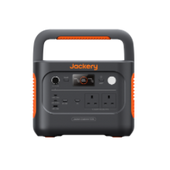
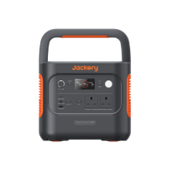
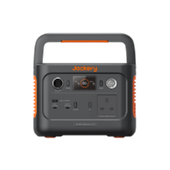
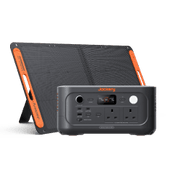
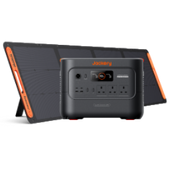
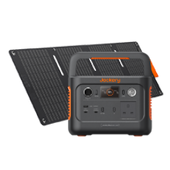
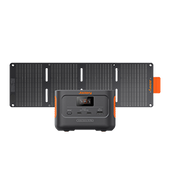
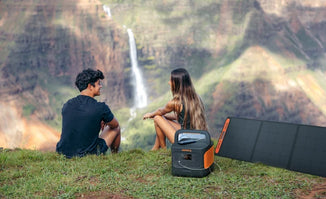
This is where the Jackery Portable Power Station fits naturally into the wider winter lifestyle conversation. Designed to be portable and easy to use, these generators are well suited to colder seasons when access to power isn't always guaranteed. They can power lights, tiny heaters, charging gadgets, or other important equipment while you're outside or when the power goes out at home without warning.
In the winter, when batteries run out quicker and there isn't much sunshine, having a steady supply of power gives you peace of mind without making things too complicated.
Jackery Explorer 3000 v2
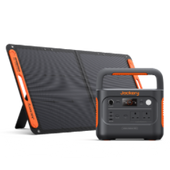
Choosing a Jackery Explorer 3000 v2 for winter is a major strategic upgrade over smaller units. While the 1000 and 2000 models are great for mobility, the 3000 v2 is designed specifically to be an anchor for your home during a multi-day freeze or a robust power hub for long-term winter base-camping.

High-Wattage Heating Capabilities
The 3600W continuous output is a crucial threshold. It allows you to run a full-sized 1500W space heater while simultaneously powering a refrigerator and a microwave. Smaller units will "trip" their circuit breakers if you try to run high-heat appliances.
Even at the high draw of a space heater (set to medium/low), this unit can provide several hours of direct heat with 3072Wh capacity. More importantly, it can run a furnace blower motor or an electric blanket for days, which are much more efficient ways to survive a cold snap.
The L-Size "Extreme Guard" System
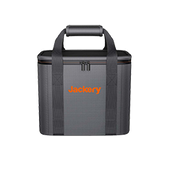
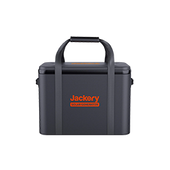
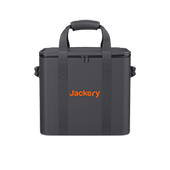
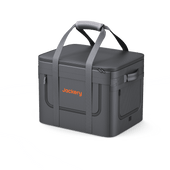
The 3000 v2 is compatible with the Large-sized Extreme Guard Carrying Bag, which is a "game changer" for winter outings. The bag uses an integrated USB-C heating module to keep the battery core warm. This allows the unit to charge and discharge even when the ambient temperature drops to -20°C (-4°F).
Without this bag, LiFePO4 battery cells can become "sluggish" in the cold, losing effective capacity. The bag's insulation traps the unit's own operating heat, maintaining peak efficiency.
"ZeroDrain" for Long-Term Readiness
Winter storms often hit without warning. If you haven't touched your generator since the summer, you need to know it's ready. The 3000 v2 features ZeroDrain technology, meaning it can sit on a shelf for a full year and still have 95% of its power. You don't have to worry about a "dead" battery when the grid goes down in a blizzard.
Jackery Explorer 2000 v2
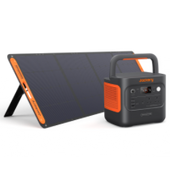
The Jackery Explorer 2000 v2 is a strong choice for winter outdoor activities because it is specifically engineered to handle the thermal and physical challenges of cold-weather environments. Unlike many standard power stations that struggle when temperatures drop, the v2 includes specific "Extreme" features designed for sub-freezing use.

Safer and Durable LiFePO4 Chemistry
The v2 utilises LiFePO4 (Lithium Iron Phosphate) battery technology, which offers significant advantages for outdoor winter enthusiasts. These batteries are safer and more stable in fluctuating temperatures than older NMC models.
It supports 4,000+ charge cycles, making it a reliable long-term investment for many winters to come. The battery is integrated directly into the frame, creating a durable, shock-resistant structure (CTB cell-to-body technology) that can handle being moved around in rough, icy, or snowy conditions.
Lightweight and Portable Design
Winter gear (thick clothing, heaters, heavy sleeping bags) is already bulky. The 2000 v2 is designed to be 40% smaller and 34% lighter than typical 2kWh power stations. Weighing approximately 39.5 lbs, it is easier to carry over snowy terrain or pack into a winter-ready vehicle compared to bulkier alternatives.
High Output for Winter Essentials
In the winter, you likely need to power heat-generating appliances which draw a lot of energy. The 2200W continuous output is enough to run electric blankets, portable space heaters, or heated mattress pads for hours.
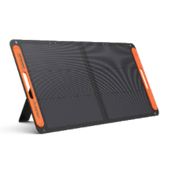
In a winter scenario with limited daylight, the 1.7-hour supercharge (via AC) or efficient solar charging ensures you can top up your power quickly during small windows of opportunity.
How to Dress in Style During Cold Weather?
When the weather becomes colder, you have to think more about what to wear. The trick is to layer in a manner that keeps you warm without changing your look. Begin with a base layer that lets air flow, such a thermal top or a light turtleneck. This will help keep you warm without making you feel stuffy.
After that, put on a warm mid-layer like a fleece or jumper to keep warm. A puffer jacket, wool coat or parka is a good choice for your outer layer since it will keep you warm and dry in the wind and rain. The correct winter accessories tie everything together, making your ensemble more comfortable and interesting while keeping you warm without making you feel big.

Everyday Accessories That Make Winter Easier
When it's cold outside, you need accessories that are both useful and elegant. A decent scarf rapidly becomes something you wear every day. It keeps you warm and adds colour or texture to your outfit. It's equally as crucial to have gloves or mittens, particularly if they help you use your phone without getting your hands chilly.
Hats do more than keep you warm; they can completely affect how an outfit looks, whether you wear a basic beanie or something more structured. It's easy to forget about warm socks, especially wool or bulky knits, but they make a big difference on chilly days. Sunglasses may assist reduce glare when the sun is low in the sky, even in the winter.
Styling Your Hair for Cold Days
When it's cold outside, you may need to change how you wear your hair. That's when winter hair accessories come in helpful. Knitted headbands are a terrific way to keep your ears warm without making your hair flat. Soft scrunchies made of thicker materials like velvet or leather seem more put together than regular elastics and go nicely with winter clothes.
If you already have layered textures in your hair, hair clips and barrettes may give it a little more gloss. A beret or earmuffs can keep you toasty and yet appear like you meant to wear them instead of just throwing them on.
Making the Most of Scarves
Scarves are one of the most useful winter accessories, and there isn't just one way to use them. On days when you don't have to do much, a thick scarf draped loosely around your neck is easy and cosy. Folding a scarf and putting it in your coat provides structure and makes it seem nicer. Blanket scarves are quite handy since they may be used as wraps on really chilly days.
Adding dimension to your clothing may be as simple as playing with textures and patterns. Just be careful not to make the rest of your appearance too busy. Scarves should feel useful first and fashionable second, not the other way around.
Pulling Your Look Together with Accessories
Putting together winter accessories doesn't have to be hard. Use neutral hues as a basis and start with colours that are already in your coat or shoes. Pairing wool with leather or knit with metal embellishments is one way to keep things fresh. Sets that match may look nice, but pieces that don't quite match might seem more natural and personal. The objective isn't to be flawless, but to look good and feel good.
Choosing a Hat That Works for You
A winter hat may be both useful and stylish. Beanies are a popular option for daily wear, and you may wear them tight or loose, depending on what you want. If you want something a little more elegant, berets or structured wool hats are a traditional choice. Hats with more covering keep you warm on colder or windier days without making you look bad.
Colour is quite important here, whether you're matching your hat with other winter items or making a statement with it. You should also think about how you generally wear your hair, as certain hats look better with particular styles. A decent winter hat should be comfortable, useful, and blend in with the rest of your clothing instead of seeming like an afterthought.
|
Setting |
The Go-To Outfit |
|
Office/Work |
Long wool coat + Turtleneck + Wide-leg trousers + Ankle boots. |
|
Casual Errands |
Puffer jacket + Hoodie + Dark wash jeans + Leather sneakers. |
|
Night Out |
Faux-fur jacket + Sweater dress + Fleece-lined tights + Knee-high boots. |
|
Travel |
Matching knit sweater set (top and pants) + Puffer vest + Wool socks. |
FAQs
The following are frequently asked questions about winter accessories in the UK.
1. What winter accessories are must-haves?
The essentials include a warm scarf, insulated gloves or mittens, a cosy hat or beanie, and thick socks. Sunglasses can also be useful to protect against glare on bright winter days, and a stylish bag or statement jewellery can add personality while staying practical.
2. How should I dress for winter in the UK?
Layering is key. Start with a thermal or moisture-wicking base layer, add a warm mid-layer like a jumper or fleece, and finish with a waterproof, windproof outer layer such as a parka, puffer, or wool coat. Accessories like gloves, scarves, hats, and warm socks complete the outfit while keeping you comfortable.
3. What should I pack for winter in the UK?
Bring clothes that can be worn in a variety of situations. Put on thermal layers, insulating mid-layers, a coat that keeps you dry, warm shoes, and winter accessories like hats, gloves, and scarves. Don't forget to pack extras like sturdy shoes, socks, and a few attractive but useful things that will make your day-to-day life more comfortable.
4. What do I need to wear for winter?
Don't give up elegance for warmth and usefulness. You need base layers to keep moisture in check, insulating mid-layers and a waterproof upper layer. Add scarves, gloves, caps, and the right shoes to your outfit to make it seem better. Layering lets you change your clothes to keep comfortable indoors and outside as the weather changes.
Final Thoughts
The UK's cold months may be acceptable and even fun if you have the correct winter accessories. You can stay warm and fashionable by preparing ahead and bringing things like scarves, gloves, caps, thermal layers, and sturdy boots. Having various gear ready for outdoor activities will keep you safe and comfortable.
Portable options like the Jackery Portable Power Station will also give consistent power for devices, lights, or small appliances when circumstances are uncertain. Winter doesn't seem so limiting anymore when you mix style, usefulness, and planning.


