








































Edinburgh offers a unique blend of historic city life and rugged Scottish nature within minutes of the centre. You can spend the morning walking the cobbled Royal Mile and the evening watching the sunset over the Firth of Forth from your tent. However, finding the right spot requires navigating a mix of urban restrictions and rural freedoms.
What Are the Camping Options and Regulations in Edinburgh?
Scotland is famous for its access rights, but proximity to a capital city changes the dynamic. You must choose your accommodation style carefully based on your transport and comfort needs.
Which Camping Style Suits You Best?
- Established Campsites: Families and travellers requiring consistent amenities should choose established campsites. Facilities typically include hot showers, electric hook-ups, and waste disposal points. These parks provide a secure base for exploring the city, often with direct transport links.
- Wild Camping: The Land Reform (Scotland) Act 2003 permits wild camping on most unenclosed land. However, you should read our guide on can you wild camp in scotland to fully understand the "Leave No Trace" responsibilities required. This style is suited for lightweight backpackers rather than large groups.
- Motorhome and Van Life: Vehicles do not have an automatic right to park overnight anywhere under the "Right to Roam" laws. You must use designated parking areas or campsites. Roadside parking is strictly regulated in East Lothian and Edinburgh to prevent congestion.
- Glamping: Glamping offers a weather-proof middle ground with pods or wigwams. These structures are often located on the grounds of established campsites, providing warmth and security without the need to pitch a tent in high winds.
What Are the Rules and Management Zones?
- Definition and Permits: Camping Management Zones restrict wild camping or require a permit in specific areas, such as parts of Loch Lomond. While less common immediately surrounding Edinburgh, you must always check for local signage indicating by-laws.
- Urban Restrictions: Wild camping is prohibited within the city's urban parks, including Holyrood Park (Arthur’s Seat) and Princes Street Gardens. These are managed spaces with strict closing times and regulations to protect the landscape.
- Etiquette: Responsible access involves arriving late and leaving early to minimise visual impact. You must bury human waste well away from water sources and carry out all litter. Never light fires on peat or dry ground, as the risk of unseen underground spreading is high. For the definitive rules, consult the Scottish Outdoor Access Code.
Which Established Camping Sites Are Near Edinburgh?
For those seeking amenities and easy city access, several excellent parks surround the capital. These camping sites in Edinburgh and the Lothians offer reliable transport links and quality facilities.
|
Park Name |
Location |
Best For |
Key Features |
|
Mortonhall Caravan & Camping Park |
20 mins from city centre (Bus #11); convenient for non-drivers. |
Families and city explorers wanting a green base. |
Extensive hardstanding pitches, on-site restaurant, and excellent winter availability. |
|
Drummohr Camping & Glamping Site |
Eastern edge near Musselburgh with views of the Firth of Forth. |
Campers combining coastal walks with city access; John Muir Way hikers. |
Glamping pods (octolodges), tree-sheltered pitches, and proximity to the John Muir Way. |
|
Linwater Caravan Park |
Near Edinburgh Airport and M8/M9; avoids city congestion. |
Quiet stays and travellers with dogs. |
High-standard heated amenity blocks and direct access to Almondell & Calderwood Country Park. |
|
Slatebarns Caravan Park |
Roslin (south of city bypass); close to Rosslyn Chapel. |
History buffs and those seeking a semi-rural atmosphere. |
Basic, well-maintained traditional facilities with excellent bus links to the city. |
Where Can You Go Wild Camping Near Edinburgh?
If you prefer solitude and are prepared to be fully self-sufficient, the areas surrounding Edinburgh offer rugged beauty. Remember that camping in Edinburgh city limits is restricted, so you must travel to the outskirts.
|
Location |
Terrain & Setting |
Transport & Access |
Key Rules & Warnings |
Camping Strategy |
|
The Pentland Hills |
Rolling hills and reservoirs (e.g., Bonaly, Threipmuir) on higher ground. |
Bus to Bonaly or Balerno, followed by a 30–60 minute hike into the hills. |
Strictly no fires due to flammable peat soil. Avoid livestock areas. |
Stick to sheltered gullies away from popular paths. Use a camping stove only. Check the Pentland Hills Regional Park website for more info. |
|
East Lothian Beaches |
Sand dunes and pine forests; trees offer vital protection from east coast winds. |
Train to North Berwick or Drem, then cycle, bus, or walk to the coast. |
Very popular in summer. Avoid main paths and family play areas. |
Arrive late to avoid crowds and pitch responsibly. |
|
The Dunbar Coast |
Rugged woodland spots near the water. |
Direct train from Edinburgh Waverley (approx. 20 mins). |
Check tide tables carefully. Fast-moving tides can cut off coves quickly. |
Best for discreet bivvy or tent camping where you can blend into the environment. |
What Gear Is Essential for Scottish Camping?
Camping in Scotland requires specific preparation due to the volatile weather. The right gear ensures safety and comfort.
How Should You Weatherproof Your Setup?
- Shelter: A tent with a hydrostatic head rating of 3000mm or higher is required to withstand Scottish wind and rain. Use a low-profile design to minimize wind resistance.
- Sleep System: Synthetic sleeping bags generally perform better than down in damp Scottish conditions. Down loses its insulating properties when wet, whereas synthetic fibres retain warmth.
- Clothing: Pack waterproofs and multiple thermal layers. Temperatures drop significantly at night, even during the summer months. A warm hat and dry socks for sleeping are essential.
How Can You Manage Midges?
- Season: Midge season peaks between mid-May and September. These tiny biting insects can ruin a trip if you are unprepared.
- Defense: Carry Smidge or DEET-based repellent. A midge-proof head net is vital for mornings and evenings. Choose camping spots that are exposed to the wind, as midges cannot fly in wind speeds over 5 mph.
- Timing: Avoid setting up camp at dawn or dusk near standing water or boggy ground, as these are peak midge activity times.
How Do You Keep Power Running?
The Challenge Reliable power is crucial for safety and convenience. You can learn more about off grid camping in uk strategies for keeping navigation tools and lights running during multi-day trips.
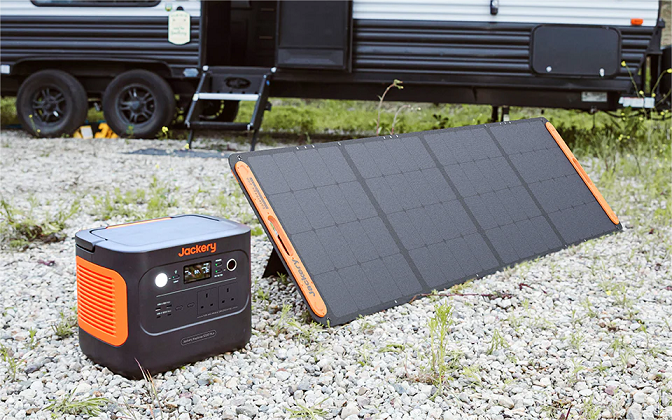
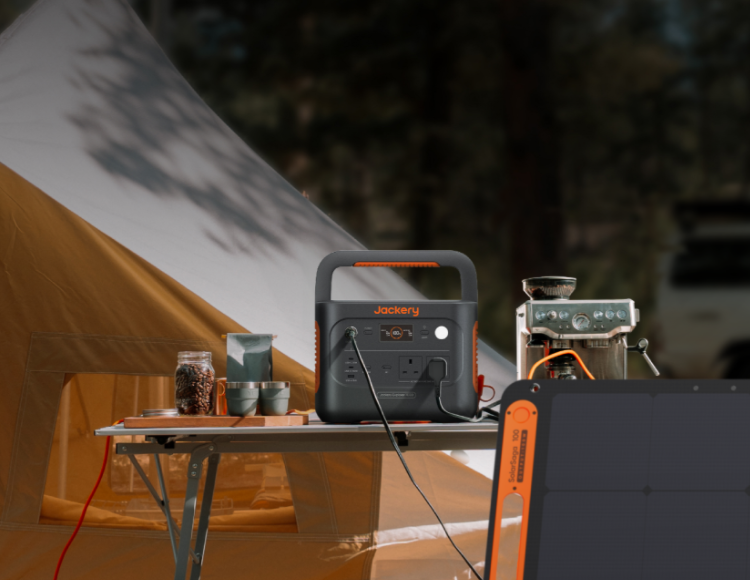
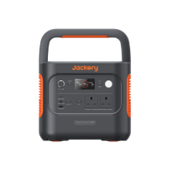
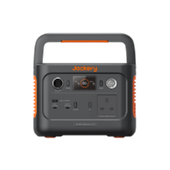
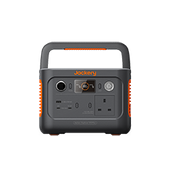
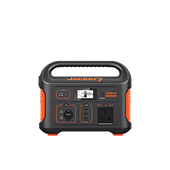
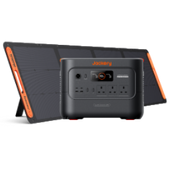
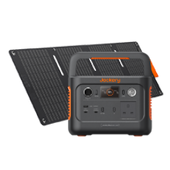
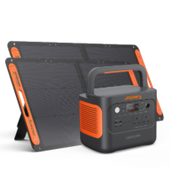
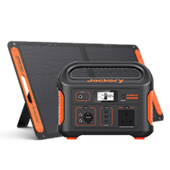
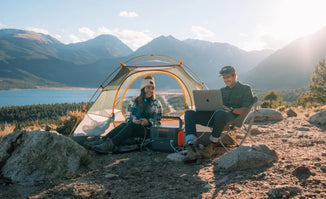
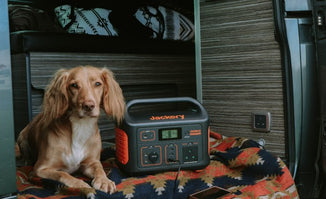
Vehicle/Base Camp Solution For car campers or van lifers, a high-capacity portable power station eliminates the need for noisy fuel generators.
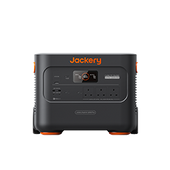
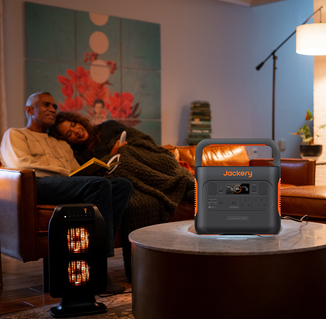
- Capacity: Jackery Explorer 2000 v2 provides 2042Wh capacity, sufficient for multi-day power needs.
- Output: The unit delivers 2200W rated output (4400W surge), handling high-draw appliances like electric grills or kettles.
- Quiet Operation: This generator operates under 30dB in Quiet Charging Mode, ensuring you do not disturb the peace of the campsite or nearby wildlife.
- Lifespan: The battery features LiFePO4 chemistry providing 4,000 charge cycles (approx. 10 years of use).
- Use Case: Perfect for weekend family trips where you need to power lights, phones, and small kitchen appliances.
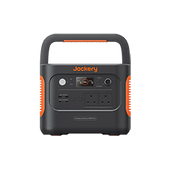
- Capacity: Jackery Explorer 3000 v2 offers 3072Wh for extended stays or van life.
- Mobility: This model is the lightest and most compact 3kWh LFP power station on the market (27 kg).
- Smart Control: Smart App control allows you to monitor battery levels via Wi-Fi or Bluetooth.
- Safety: The unit is equipped with ChargeShield 2.0 technology for safe, rapid charging.
- Use Case: Ideal for van lifers or extended base camps requiring power for heaters, laptops, and heavy-duty equipment.
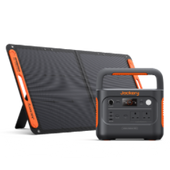
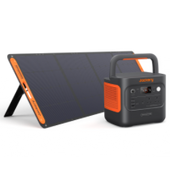
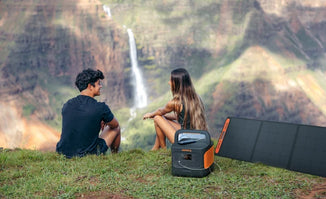
Solar Integration: Pairing these units with Jackery SolarSaga panels allows you to recharge via daylight. This is essential for long stays at sites without electric hook-ups, giving you true independence.
How Can You Combine Camping with City Culture?
Edinburgh is compact, allowing you to mix outdoor living with urban exploration. These itineraries maximise your time.
What Is the City & Coast Itinerary?
- Day 1: Pitch your tent at Drummohr. Take the bus into Edinburgh to visit the Castle and walk the Royal Mile. The contrast between the ancient streets and your coastal base highlights the best of the region.
- Day 2: Walk a section of the John Muir Way along the coast. You can check our guide to day trips from Edinburgh for more excursion ideas before finishing the day with fish and chips in Musselburgh.
What Is the Hills & History Itinerary?
- Day 1: Camp at Mortonhall. Take a short bus ride to visit Rosslyn Chapel, famous for its intricate stone carvings and legends.
- Day 2: Hike directly into the Pentland Hills. The summits offer panoramic views of the city skyline and the Forth bridges, rewarding your effort with spectacular scenery.
How Can You Save Money During the Festival?
- Strategy: Booking sites like Linwater or Slatebarns months in advance saves money during the Edinburgh Festival Fringe. Accommodation prices skyrocket during this period.
- Transport: Use the Park & Ride facilities at Ingliston or Straiton. This allows you to commute into the festival chaos for shows and street performances, then retreat to a quiet campsite at night to recharge.
What Resources Do You Need Before Camping?
Before heading out to any Edinburgh camping sites, ensure you have the following resources:
- Transport: Download the Lothian Buses app for city travel and the ScotRail app for regional trains.
- Weather: Use the Met Office app. Pay attention to the "Feels Like" temperature and wind gust speeds, not just the average temperature.
- Tides: Consult BBC Tides or local charts if you are camping near the coast to ensure safety.
- Access Code: Read the Scottish Outdoor Access Code online before heading out to understand your rights and responsibilities.
- Tourist Info: VisitScotland provides up-to-date advice on site openings and seasonal events.
Frequently Asked Questions
1. Can I bring my dog to all Edinburgh campsites?
Most established campsites like Linwater and Mortonhall are dog-friendly but require dogs to be kept on a lead. Always check the specific site rules regarding breed restrictions or designated exercise areas before booking.
2. Are there any free camping spots in Edinburgh city?
No, there are no legal free camping spots within the city centre parks or gardens. True wild camping is only permitted on unenclosed land outside the urban boundary, such as the Pentland Hills.
3. What's the best time of year for camping in Edinburgh?
May and September offer the best balance of decent weather and fewer crowds. July and August are warmer but bring peak tourist numbers and the height of midge season.
4. How do I dispose of waste responsibly when wild camping?
You must carry out all litter, including food scraps and packaging. For human waste, dig a hole at least 15cm deep, well away from water sources and buildings, and bury it completely.
5. Are there any restrictions on campfires at established sites?
Most commercial campsites strictly ban open fires to protect the grass and ensure safety. Some may allow raised fire pits or BBQs in designated areas, so ask the warden upon arrival.