



















![[Over £1200 Tier Gift] Bluetooth Speaker with Phone Stand - shipped Separately](http://uk.jackery.com/cdn/shop/files/Portable_Bluetooth_Speaker_with_Phone_Stand_2.png?v=1781595581&width=170)















A spring picnic is one of the easiest ways to enjoy the UK when the weather starts to soften and the parks, gardens and countryside look fresh again. After winter, even a simple afternoon outdoors can feel like a proper occasion.
A good spring picnic usually comes down to preparation. Choosing the right spot, packing food that travels well, bringing the practical essentials, and having a few simple activities in mind all make a difference.
This guide covers how to plan a spring picnic in the UK, what to bring, where to go, what to eat, and how to make the day feel easy rather than overcomplicated. It also looks at useful extras such as Jackery Portable Power Stations for people who want reliable portable power during longer outdoor outings.
|
Key Takeaways: |
|
Why Spring Is a Perfect Time for a Picnic in the UK?
Spring is one of the best times of year for a picnic in the UK because everything starts to feel lighter, greener and more inviting. After the long, damp stretch of winter, parks, gardens and countryside spots begin to come back to life. Trees leaf out, flowers bloom, and even a simple lunch outdoors feels like a small event again.
The weather is a big part of it. Spring in the UK is usually cool enough to stay comfortable for a few hours outside, but mild enough to enjoy sitting on the grass with friends or family. In summer, some picnic spots can feel crowded and surprisingly hot on still days.
It is also the season when the landscape looks especially good. Bluebells in woodlands, blossom in city parks and fresh green fields make ordinary picnic spots feel more memorable. Spring also suits the kind of food people actually want to eat outdoors. It is a natural season for lighter picnic meals such as sandwiches, pastries, salads, fruit, cheese, cold drinks and easy snacks.
Spring Picnic Essentials Checklist
A spring picnic in the UK looks simple on paper, but in practice, the small details make the biggest difference. I have found that the best picnic days are not necessarily the sunniest ones. They are the ones where I packed properly, stayed comfortable, and did not have to improvise halfway through lunch because I forgot something obvious like napkins or a bottle opener.

Picnic Blanket
A picnic blanket is the first thing I think about because it shapes the whole setup. In spring, the ground in the UK can still feel damp even after a dry morning, so a proper picnic blanket with a water-resistant backing is much better than using an old throw or a thin sheet.
A larger blanket also helps if you are bringing extra food, bags, or children. It gives everyone enough room to sit without feeling cramped, and it keeps food containers off the grass.
Picnic Basket or Picnic Bag
A picnic basket is classic, but a picnic backpack or insulated picnic bag is often more practical, especially if you are walking from the car park or train station to the picnic spot. The main job here is organisation. You want something that keeps plates, cutlery, snacks and drinks together so you are not digging through several loose bags.
Personally, I like using a picnic bag with separate compartments because it makes unpacking quicker.
Portable Cooler or Cool Bag
Spring is milder than summer, but food still needs some protection, especially if you are bringing cheese, yoghurt, dips, cut fruit, drinks or anything with meat. A portable cooler or insulated cool bag keeps food fresh for longer and stops your drinks from warming up too quickly.
This is one of those things I used to skip when I was packing light, and I always regretted it.
Reusable Plates, Cups and Cutlery
Disposable picnicware is easy, but reusable plates, cups and cutlery usually feel sturdier and more pleasant to use. They also make the whole picnic feel less rushed and less wasteful. For spring picnics, lightweight reusable items are often the best balance between convenience and comfort.
Food Containers and Storage Boxes
Good food containers keep everything neat during the journey and make serving much easier once you arrive. Spring picnic food often includes smaller items such as berries, salad, pastries, cut vegetables, cakes or wraps, so separate containers help stop everything getting crushed.
In my own experience, packing food into a few solid containers is much better than wrapping everything individually. They are especially useful for:
- Sandwiches and wraps
- Chopped fruit
- Salads
- Crackers and snacks
- Leftovers to take home again
Water Bottles and Drinks
Even on a short picnic, drinks matter. Bring enough water for everyone, plus whatever extras suit the day, such as juice, sparkling water, tea or coffee. Spring weather can be deceptive. It may not feel hot, but a walk to the picnic spot, a bit of sunshine and a few hours outdoors can still leave everyone thirsty.
Easy-to-Eat Picnic Food
The best spring picnic food is simple, fresh and easy to serve without too much effort. This is not usually the moment for complicated meals. Foods that travel well and can be eaten cold or at room temperature work best. Good options include:
- Sandwiches or baguettes
- Sausage rolls or savoury pastries
- Pasta salad or potato salad
- Cheese and crackers
- Fruit such as grapes, strawberries or apples
- Traybakes, biscuits or small cakes
From my perspective, it always helps to pack food that can handle a bit of movement and a bit of waiting. Spring picnics are more enjoyable when you are not worrying about whether something has gone soggy or fallen apart before lunchtime.
Napkins, Kitchen Roll and Wet Wipes
These are small items, but they save the day more often than people expect. Napkins are useful for obvious reasons, but kitchen roll and wet wipes are just as important for dealing with muddy hands, drink spills, sticky fruit juice or damp picnic containers.
Rubbish Bags and Clean-Up Items
A picnic always creates more rubbish than expected, even when you pack carefully. Bring at least one rubbish bag, and ideally a second smaller bag for recyclables. This keeps your picnic area tidy and makes packing up faster.
Extra Layers and Spring Clothing
Spring in the UK rarely stays exactly the same all day. A picnic that starts in sunshine can become cool by mid-afternoon, especially in coastal areas, open parks or countryside spots. A light jumper, waterproof jacket or extra layer is worth bringing, even if the forecast looks friendly.
Outdoor Games and Entertainment
A spring picnic often turns into more than just eating. Once lunch is done, people usually want something else to do, especially if children are coming along. A few simple games or activities can keep the day going without much extra effort.
- Good picnic-friendly ideas:
- Frisbee
- Football
- Cards
- Badminton set
- Book or magazine
- Sketchbook for a quiet afternoon outdoors
I usually find that the best picnics have a natural rhythm to them. Eat first, then linger a bit, then move into a walk or a game.
Phone, Speaker and Small Electronics
For many people, a picnic now includes at least a phone for maps, photos, music or checking the weather. If you are staying out for several hours, battery life can become an issue, especially when several people are using their phones for navigation, group photos, or streaming music. That is where a portable power source can be genuinely useful.
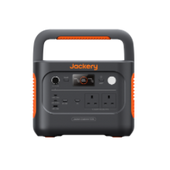
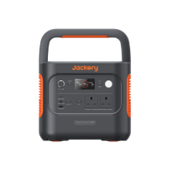
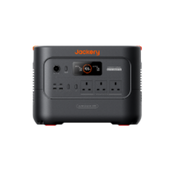
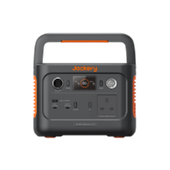
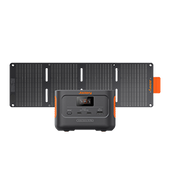
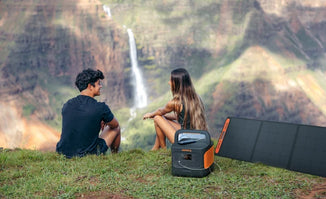
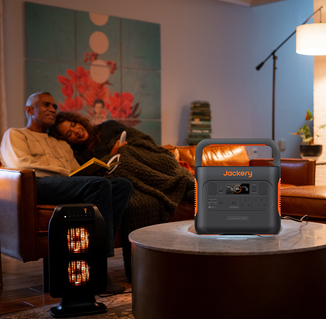
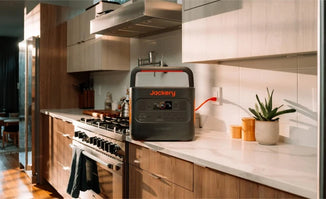
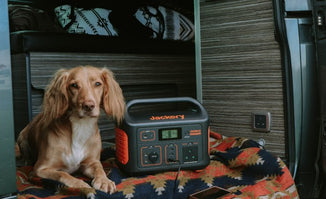
The Jackery Portable Power Stations can fit naturally into a spring picnic setup when you want dependable off-grid power for phones, portable speakers, small fans, cameras, or even a compact electric kettle in some outdoor settings where appropriate.
|
Spring Picnic Essentials Checklist |
||
|
Picnic Blanket |
Picnic Basket |
Picnic Bag |
|
Portable Cooler |
Cool Bag |
Reusable Plates |
|
Cups or Tumblers |
Forks, Knives and Spoons |
Serving Spoon |
|
Small Container |
Storage Boxes |
Water Bottle |
|
Drinks |
Easy-to-Eat Picnic Food |
Napkins |
|
Kitchen Roll |
Wet Wipes |
Hand Sanitiser |
|
Rubbish Bag |
Light Waterproof Jacket |
Jumper |
|
Sun Protection |
Portable Seating |
Outdoor Games |
|
Entertainment |
Phone & Electronics |
Jackery Portable Power Station |
|
Compact Umbrella |
Small Tarp |
Bug Spray |
How to Prepare Food for a Spring Picnic?
Preparing food for a spring picnic is usually easier than people think. The key is not making the menu too ambitious. In my experience, picnic food works best when it is simple to carry, easy to serve, and still tastes good after sitting in a cool bag for a while.

Step 1: Keep the Menu Simple
The first step is deciding what kind of picnic you actually want. For a spring picnic, I usually avoid anything too heavy, too messy, or too delicate. Lighter foods tend to suit the season better, and they are also easier to pack and eat outdoors.
A good picnic menu usually includes:
- One main item, such as sandwiches, wraps, or savoury pastries
- One or two easy sides, such as fruit, salad, or crisps
- One sweet item, such as flapjacks, muffins, or biscuits
- Drinks and water
From my own experience, the picnic always feels better when I bring fewer things that are well packed, rather than too many dishes that need managing.
Step 2: Check What You Already Have at Home
Before buying anything, it helps to check the fridge, cupboards, and fruit bowl. Picnic food does not need to be expensive. Often, the best combinations come from using simple ingredients you already have, then adding a few fresh bits for the day.
Step 3: Pick Foods That Travel Well
This is one of the most important parts. Foods for a spring picnic should be easy to pack, easy to carry, and easy to eat without a full kitchen setup. If something spills easily, gets soggy quickly, or needs reheating, I usually leave it out.
Step 4: Prepare as Much as You Can in Advance
A spring picnic morning feels much smoother when most of the food is already prepared. I like to wash fruit, chop vegetables, boil eggs, and make anything bakeable the day before. Then on the day itself, I only need to assemble the main items and pack everything into containers.
Step 5: Let Kids Help with Safe, Simple Jobs
If children are joining the picnic, getting them involved in the food prep can make the whole trip more fun. They usually enjoy helping when the jobs are simple and hands-on.
Step 6: Pack Food in the Right Containers
Good containers make picnic food much easier to manage. I usually pack each item separately rather than putting everything into one large bag. That way, the food stays fresher and serving is less chaotic.
Spring is cooler than summer, but perishable food still needs care. Cheese, cooked meat, yoghurt, egg-based fillings, and cut fruit all keep better in an insulated bag or cooler with ice packs.
5 Simple and Easy-to-Prep Foods for a Spring Picnic
Picnic food should not create extra hassle once you arrive. The following are some easy-to-make foods which are perfect for spring picnic.

1. Cheese and Cucumber Sandwiches
These are classic picnic food for a reason. They are quick to make, easy to carry, and suit spring well because they feel light rather than heavy.
Materials needed:
- Sliced bread
- Butter or soft cream cheese
- Sliced cheddar or other mild cheese
- Cucumber
- A little black pepper if desired
How to make it:
Spread butter or cream cheese on the bread. Layer the cheese and thin cucumber slices evenly, then add a little black pepper if you like. Close the sandwich, trim the crusts if preferred, and cut into halves or triangles. Store in an airtight container.
2. Mini Ham and Salad Wraps
Wraps are one of the easiest picnic foods because they are quick to assemble and less likely to fall apart than some sandwiches.
Materials needed:
- Tortilla wraps
- Soft cheese or mayonnaise
- Sliced ham
- Lettuce
- Grated carrot
- Cucumber sticks
How to make it:
Spread a thin layer of soft cheese or mayonnaise over the wrap. Add ham, lettuce, grated carrot, and cucumber. Roll the wrap tightly, then slice it into halves or smaller pinwheels. Keep chilled until packed.
3. Spring Pasta Salad
A pasta salad works very well for a spring picnic because it can be made ahead, packed in one container, and served cold.
Materials needed:
- Pasta shapes such as fusilli or penne
- Cherry tomatoes
- Cucumber
- Sweetcorn
- Grated cheese or small mozzarella pieces
- Olive oil
- A little lemon juice
- Salt and pepper
How to make it:
Cook the pasta, then cool it fully. Chop the tomatoes and cucumber, then mix them with the pasta and sweetcorn. Add the cheese. Dress lightly with olive oil, lemon juice, salt, and pepper. Chill before packing.
4. Sausage Rolls or Puff Pastry Pinwheels
These are ideal if you want something savoury that feels a bit more picnic-like than a standard sandwich. You can buy ready-made sausage rolls, but homemade pastry pinwheels are also easy.
Materials needed:
- Ready-made puff pastry
- Sausage meat or sliced ham and cheese
- A little beaten egg
- Optional herbs or mustard
How to make it:
If using sausage meat, spread it along part of the pastry, roll it up, brush with beaten egg, and slice into smaller pieces before baking. If making ham and cheese pinwheels, layer ham and cheese on the pastry, roll it tightly, slice, and bake until golden. Let them cool fully before packing.
5. Flapjacks with Fruit
A simple homemade flapjack is one of the easiest sweet picnic foods. It keeps well, travels well, and works nicely with fresh spring fruit.
Materials needed:
- Rolled oats
- Butter
- Brown sugar or honey
- Golden syrup
- Optional raisins or seeds
- Strawberries, grapes, or apple slices to serve
How to make it:
Melt the butter, sugar, and syrup together in a pan. Stir in the oats and any extras such as raisins. Press the mixture into a baking tin and bake until golden. Let it cool fully, then cut into squares. Pack with fresh fruit in a separate container.
6 Best Spring Picnic Spots in the UK
From the world-renowned landscape gardens of Wiltshire to the wild, expansive national parks of Scotland and Wales, these locations provide the perfect backdrop for dining alfresco as the countryside wakes up. Below is a curated selection of the best spots for spring picnic.
Stourhead, Wiltshire
Stourhead is one of the strongest spring picnic choices in England because the setting already feels designed for a slow outdoor day. The National Trust describes it as one of the world’s most famous gardens, with temples, grottos, trees and water features to explore, and it also highlights picnic spots on the estate near King Alfred’s Tower with wide views and wildflower meadow surroundings.
- Location: Near Mere, Wiltshire, England.
- Best for: Couples, relaxed garden picnics, spring walks, and anyone who wants a classic English landscape.
From my perspective, this is the sort of place where the picnic feels like part of a whole day rather than just lunch on a blanket. I would come here when I want that proper spring feeling: fresh leaves, long garden paths, and enough scenery around me that I do not mind stretching lunch into most of the afternoon.

(Image Source: iStock)
Richmond Park, London
Richmond Park works especially well in spring because it combines huge open grassland with one of London’s best-known seasonal highlights, the Isabella Plantation. The Royal Parks says the park covers 2,500 acres, is home to ancient trees and herds of deer, and welcomes informal picnics; it also notes that food and drink are available from cafés and kiosks.
- Location: South-west London, England.
- Best for: London day trips, families, laid-back group picnics, and spring blossom walks.
If I wanted a picnic without leaving the city properly, this would be high on my list. What I like about spots like this is that the day still feels spacious. You can bring simple food, find a quieter patch of grass, and it does not feel like you are stuck in the middle of London at all.

(Image Source: iStock)
Kew Gardens, London
Kew is a very strong spring option if you want a picnic somewhere that feels polished and colourful. Kew specifically recommends spring visits, points to seasonal highlights such as magnolias and cherry blossom, and even rounds up some of its best picnic areas. It also allows picnics on grassy areas, while asking visitors not to bring barbecues or picnic furniture.
- Location: Kew, south-west London, England.
- Best for: Botanical garden lovers, quieter picnics, couples, and spring colour.
Personally, I would choose Kew when I want the picnic to feel a little more intentional. It is less about sprawling out for games and more about combining good food with a proper walk among gardens that already look at their best in spring.

(Image Source: iStock)
Loch Lomond and The Trossachs National Park, Scotland
Loch Lomond is ideal if the picnic is part of a bigger scenic day out. The national park has an official “Picnic in the Park” guide, and it also highlights viewpoints and beauty spots such as the Falls of Falloch, which it describes as a popular place for picnics. For a more accessible spring drive-and-stop option, the park also promotes the Three Lochs Forest Drive, open to vehicles from Easter to October.
- Location: West and central Scotland.
- Best for: Scenic road trips, lakeside picnics, walkers, and anyone who wants a wilder backdrop.
From my point of view, this is one of those places where I would pack a slightly better picnic and treat it more like a full day outdoors. I would not overcomplicate the food, but I would definitely bring a flask and extra layers because in a setting like this, I would want to stay longer once I found the right spot.

(Image Source: iStock)
Bodnant Garden, Conwy
Bodnant Garden is especially good in spring because it is known for seasonal colour, woodland areas and plenty of places to sit down with food. The National Trust notes that the garden has 80 acres to explore and specifically mentions sunny and shady places for picnics, including spots near the lake and in the Old Park meadow. It also highlights hillside trails with panoramic views.
- Location: Near Conwy, North Wales.
- Best for: Garden picnics, spring flowers, family days out, and people who enjoy a mix of lawns and walks.
This is exactly the sort of place I would choose in late spring when I want colour everywhere without the day feeling too busy. I can imagine bringing fairly simple picnic food here and still feeling like the outing is special because the surroundings do most of the work.

(Image Source: iStock)
The New Forest, Hampshire
The New Forest is one of the best spring picnic regions in southern England if you want something more natural and flexible. The National Park Authority describes it as a place of ancient woodlands, heathlands and free-roaming animals, while its visitor guidance stresses responsible visiting, taking litter home and avoiding fires and barbecues.
For a quieter forest-style picnic with a designated area, Forestry England also highlights Micheldever Wood nearby as a picnic site with walking trails.
- Location: Hampshire, southern England.
- Best for: Woodland picnics, families, slower spring days, and anyone who likes combining lunch with a proper walk.
From my perspective, the New Forest is the sort of place where the day feels easy from the start. I would come here with a blanket, simple food, and no fixed rush. Spring suits it particularly well because everything feels greener, the air feels lighter, and the whole picnic can turn naturally into a longer walk.

(Image Source: iStock)
Practical Tips for Having a Perfect Spring Picnic
To ensure a seamless spring picnic in the UK, focus on preparation and comfort rather than perfection. By choosing the right day and staying organized, you can transform a simple outdoor lunch into a relaxing seasonal highlight.
Monitor the Forecast & Stay Flexible: Spring weather is notoriously fickle. Choose a day with mild temperatures and light winds, but always pack a light waterproof jacket and an extra blanket in case the temperature drops or a sudden shower passes through.
Prioritize a "Waterproof" Setup: Even if the sun is shining, British ground is often damp in spring. Use a picnic blanket with a water-resistant base and consider bringing small seat cushions to keep everyone dry and comfortable.
Keep the Menu Simple and Prepped: Focus on "hand-held" foods like wraps, pastries, and traybakes that travel well. Wash fruit and chill drinks at home so that once you arrive, you can relax immediately rather than spending time on food prep.
Pack the "Invisible" Essentials: Beyond food, the success of a picnic lies in the small details: bring plenty of wet wipes, tissues, rubbish bags for easy cleanup, and a portable power station (like a Jackery Portable Power Station) if you plan to run a speaker or charge phones for a full day out.
Arrive Early for the Best Spot: Beat the midday crowds at popular gardens or parks to secure a patch of grass that offers both a great view and nearby amenities like toilets or a flat walking path.
Adopt a "Leave No Trace" Policy: Pack up as you go by using lidded containers for leftovers and separating rubbish into bags. Leaving your spot tidy ensures these beautiful UK landscapes remain pristine for the next visitor.
Jackery Portable Power Stations for Spring Picnics
A spring picnic in the UK usually sounds simple: a blanket, a few easy foods, and a good patch of grass. But once you stay out for longer, the small practical details start to matter. Phones need charging, someone wants music, the weather changes, and suddenly a bit of extra power feels much more useful than you expected. That is where a Jackery Portable Power Station fits in naturally.
Instead of relying on your car, searching for a café socket, or watching your phone battery drop through the afternoon, you have a portable power source with you. It helps turn a short lunch outdoors into a more flexible day out, especially if you are picnicking with family, driving to the countryside, or spending hours in a park rather than just stopping briefly.
Jackery Explorer 500 v2
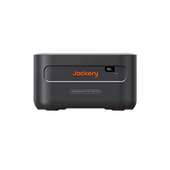
Taking a Jackery Explorer 500 v2 on a spring picnic in the UK is a practical way to upgrade a simple lunch into a full-day outdoor event. While spring brings beautiful blossoms, the air remains crisp, and modern picnic needs often require a bit of extra power.

Ultra-Portable for "Off-the-Path" Spots
The best picnic spots—like the bluebell woods in the New Forest or the hidden valleys of Bodnant Garden—often require a bit of a walk from the car park. At just 12.57 lbs/5.7kg, the 500 v2 is light enough to carry in one hand while you balance a cool bag in the other. Its compact, stackable shape means it tucks neatly into a car boot alongside hampers and blankets without taking up precious space.
Powers the "Spring Chill" Essentials (500W Output)
Spring in the UK can be deceptively cold once the sun goes behind a cloud. If you are picnicking with elderly family members or young children, the 500 v2 can power a heated seat pad or a small electric throw to keep everyone cozy on the damp grass.
While it won't run a full-sized 3kW kitchen kettle, it can easily power a travel mug heater or a small 12V portable kettle to ensure your tea or coffee stays piping hot all afternoon.
High Efficiency for Cool Conditions
The 500 v2 uses LiFePO4 battery technology, which is robust and reliable even in the cooler temperatures of a British April morning.
The high-efficiency inverter ensures that very little energy is wasted as heat, meaning you get the maximum possible runtime from its 512Wh capacity. At ≤30dB, it won't interrupt the peace of the countryside or bother other picnickers nearby.
Jackery Explorer 240 v2
The Jackery Explorer 240 v2 is the most portable "grab-and-go" power station in the lineup, making it the perfect choice for a casual UK spring picnic where you want to keep things light and effortless.

Ultra-Lightweight & "Pocket-Sized"
If you are hiking into a spot like Loch Lomond or walking through Richmond Park, every kilogram counts. At only 7.94 Ibs (3.6 kg), it is roughly the weight of a large bag of potatoes. Almost anyone can carry it across a field without a second thought. Its compact dimensions (9.1 x 6.0 x 6.6 in) and fold-flat handle mean it can sit right on the corner of your picnic blanket without taking up space meant for the food.
Powers the "Digital Picnic" (256Wh)
The 240 v2 is designed to keep your personal electronics alive for a full day outdoors.
Fast Charging: It features a 100W USB-C PD port, which is rare for a unit of this size.
Laptop Ready: It can fully recharge a standard laptop (like a MacBook Air) at least 3-4 times, making it ideal if you want to watch a movie or do some light editing while sitting in the spring sunshine.
Photography Hub: If you’re at Kew Gardens or Stourhead to photograph the blossoms, this unit will keep your camera batteries and drones topped up all day.
Rapid "Last-Minute" Charging
Spring picnics are often spontaneous when the British sun finally appears. The 240 v2 is built for that "let's go now" mentality.
1-Hour Full Charge: Using a standard wall outlet, it recharges from 0% to 100% in just 1 hour. You can plug it in while you make the sandwiches, and it will be ready by the time you're out the door.
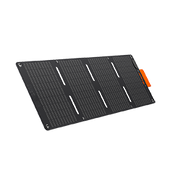
Solar Ready: Pair it with a SolarSaga 40W or 100W panel, and you can "trickle charge" it throughout the afternoon to offset the energy you're using.
Spring Picnic Activities
A spring picnic feels even better when it includes a few simple activities after the food is finished. You do not need anything too organised. In most cases, the best picnic games are the ones that are easy to start, easy to enjoy, and suitable for different ages.
- Frisbee: A classic, space-saving choice that gets everyone moving after lunch. It works perfectly in open parks, beaches, or countryside spots.
- Badminton: A light and active option for families. Portable sets are easy to pack and provide a fun way for adults and children to play together.
- Card Games: Ideal for a low-energy afternoon or a breezy day. They require minimal space and keep the group engaged while relaxing on the blanket.
- Nature Walk or Scavenger Hunt: Capitalise on the season with a gentle stroll to spot spring highlights. For children, turn it into a hunt for blossoms, butterflies, and unique leaf shapes.
FAQs
The following are frequently asked questions about the spring picnic in the UK.
1. What should I bring to a spring picnic?
You should bring the basics first: a picnic blanket, easy-to-carry food, drinks, reusable plates and cutlery, napkins, wipes, and a rubbish bag. In the UK, it is also wise to pack a light waterproof jacket or an extra layer because spring weather can change quickly.
2. What food is best for a spring picnic?
Simple food is usually best for a spring picnic. Sandwiches, wraps, pasta salad, fruit, pastries, sausage rolls, flapjacks, and cold drinks all work well because they are easy to prepare, easy to pack, and easy to eat outdoors.
3. How do I keep picnic food fresh in spring?
Use an insulated cool bag or portable cooler with ice packs, especially for food such as cheese, meat, yoghurt, and cut fruit. It also helps to chill food before leaving home and keep the cooler closed as much as possible during the picnic.
4. What if the weather changes during a spring picnic?
That is always worth planning for. Bring a waterproof blanket, extra layers, and a compact umbrella or light rain jacket. If the weather turns, having food packed in sealed containers also makes it much easier to cover things quickly or move to a more sheltered spot.
Final Thoughts
A spring picnic in the UK does not need to be elaborate to feel memorable. In many cases, the best ones are the simplest: easy food, a comfortable blanket, a scenic spot, and enough planning to keep the day running smoothly.
Spring is also the season that makes outdoor days feel fresh again. Parks look greener, gardens are full of colour, and even a short picnic can turn into a much longer afternoon if the setup is right. And for longer outings, bringing a Jackery Portable Power Station can add a useful bit of flexibility, especially when you want to keep phones and small devices powered while enjoying the day outdoors.


