



































Wild swimming has become an appealing way to exercise, experience the British countryside and cool down away from crowded indoor spaces. Its popularity is especially understandable during hot weather.
The UK experienced several periods of extreme heat in 2026, encouraging more people to visit rivers, lakes and coastal waters. However, high air temperatures do not make every swimming location safe. Open water can remain cold enough to cause cold-water shock, while prolonged heat and low flows may encourage blue-green algae. Water quality can also deteriorate after pollution incidents or heavy rainfall.
A successful trip therefore involves more than finding an attractive pool online. Swimmers need to confirm access, examine current conditions, choose suitable clothing and understand their own ability. This guide explains how to start wild swimming, where to go across the UK, what to bring and how adults and children can participate more safely.
|
Key Takeaways: |
|
Wild Swimming During a Hot UK Summer
Wild swimming can be a refreshing way to exercise, explore the countryside and escape crowded indoor spaces. Its appeal has grown during the UK’s unusually hot weather in 2026, when rivers, lakes and coastal waters have attracted people looking for relief from the heat.
However, a high air temperature does not mean that open water is warm, clean or suitable for swimming.
Deep lakes, reservoirs, flooded quarries and shaded rivers can remain cold enough to cause an involuntary gasp, rapid breathing and reduced movement. Heat and low water levels may also reduce water circulation and encourage blue-green algae.
During the 2026 heatwaves, algae warnings affected several UK swimming waters, including the designated Thames bathing area at Ham. Concerns about blue-green algae at Waterloo Lake also led to the cancellation of the swimming stage of Ironman Leeds. These incidents show why clear-looking water should not be treated as evidence of safe conditions.
This guide will help readers choose an appropriate location, understand access restrictions, check water quality, weather, tides and river flow, and prepare suitable clothing and equipment. It also explains how beginners and families can approach wild swimming more carefully, including when postponing a planned swim is the safest decision.
What Is Wild Swimming and Why Is It So Popular?
Wild swimming means recreational swimming or dipping in natural outdoor water rather than in a conventional swimming pool. It can take place in rivers, lakes and loughs, mountain pools, waterfalls, coastal bays and naturally fed sea pools. The term covers everything from a brief cold-water dip close to shore to a longer swim along a suitable stretch of lake or coastline.
It is not quite the same as every form of open-water swimming. A supervised lake with marked courses, lifeguards and changing facilities offers a more controlled experience, while an outdoor lido is usually managed and chemically treated. Organised distance swimming involves planned routes, event rules and safety support. Wild-swimming locations may have none of these features, so swimmers must assess access, water quality, currents, weather and exit points themselves.
The appeal extends beyond cooling down during hot weather. Swimming through a quiet lake or sheltered bay can provide a close view of landscapes that walkers only see from the shore. It can also add a memorable activity to a hiking, camping or campervan trip. Some people join local groups for companionship, shared knowledge and the reassurance of entering unfamiliar water with more experienced swimmers.
Swimming is a form of cardiovascular exercise that uses much of the body, while time outdoors and social activity may support general wellbeing. Many swimmers report feeling refreshed, calmer or more alert after a session. However, these personal experiences should not be presented as proof that wild swimming treats anxiety, depression, pain or another medical condition. Cold water can also place considerable strain on the body. Anyone with a heart, respiratory or other relevant health condition should seek appropriate medical guidance before starting.

Is Wild Swimming Legal in the UK?
Wild swimming is not automatically legal in every river, lake or coastal inlet. There is no single UK-wide right to swim in all open water, and the rules differ between the four nations. Access may depend on land ownership, navigation rights, local bylaws, public access agreements and restrictions imposed for safety or conservation.
|
UK nation |
General access position |
What swimmers should check |
|
England |
Access to inland water is often uncertain or permission-based |
Landowner rules, public rights of way, navigation bylaws and warning signs |
|
Wales |
Access questions are broadly similar to England |
Local access agreements, landowner permission and Natural Resources Wales guidance |
|
Scotland |
Responsible recreational access is broader under the Land Reform (Scotland) Act 2003 |
Scottish Outdoor Access Code, excluded land and temporary or local restrictions |
|
Northern Ireland |
Access is generally permission-based |
Landowner consent, council rules and authorised swimming locations |
Scotland’s access rights apply to most land and inland water when exercised responsibly, but they are not unrestricted. Swimmers must respect privacy, wildlife, land management and any lawful closures.
A path to the bank does not necessarily create a right to enter the water. A public footpath may only provide the right to pass along its defined route. Fishing rights, navigation rights and swimming access are also separate matters.
Reservoirs are operational sites, and many owners prohibit swimming outside authorised sessions because of structures, sudden depth changes and underwater currents. Working quarries should not be entered, while flooded former quarries remain private land unless access is expressly permitted. Private fishing waters may require permission even where the bank appears accessible. At protected habitats, seasonal restrictions may apply to prevent disturbance or ecological damage.
Never climb a fence, pass a locked gate, ignore a prohibition notice or assume that a location promoted on social media is authorised. Check the landowner, council, national park or site operator’s current information before travelling. Scotland’s broader access framework is explained through the Scottish Outdoor Access Code, while restrictions can remain highly site-specific elsewhere.
How to Find Wild Swimming Near Me?
Searching for wild swimming near me should begin with places where swimming is permitted and conditions are monitored, rather than with an attractive photograph on social media. Designated bathing waters and managed open-water venues are useful starting points because they provide clearer information about access, water quality and facilities.
1. Search official bathing-water maps and supervised open-water venues.
2. Check the relevant council, national park, landowner or site operator’s website.
3. Confirm that swimming is allowed and look for seasonal restrictions.
4. Review the latest water-quality classification and pollution alerts.
5. Check weather, tides, river levels, flow speed and recent rainfall.
6. Look for an established local swimming group familiar with the location.
7. Identify parking, public transport, entry points and at least one alternative exit.
8. Recheck warnings on the morning of the swim.
The correct information service depends on where you plan to swim:
|
Area |
Information source |
What to check |
|
England |
Environment Agency Swimfo |
Classification, sampling results and pollution-risk forecasts |
|
Wales |
Natural Resources Wales |
Bathing-water profiles, classifications and selected pollution forecasts |
|
Scotland |
SEPA bathing-water information |
Site profiles, classifications and seasonal water-quality updates |
|
Northern Ireland |
DAERA bathing-water information |
Designated sites, monitoring results and current advice |
|
UK coast |
RNLI |
Lifeguarded beaches, flags, tides and coastal safety guidance |
|
Local rivers |
River trusts and swimming groups |
Access knowledge and recent local observations |
In England, Swimfo covers more than 460 designated bathing waters. Search by name or location, open the site profile and check both its annual classification and any short-term warning. However, designation means that a location is monitored; it does not guarantee clean or safe conditions every day. Annual classifications are based on samples collected over time, while water quality can change quickly after rain, a pollution incident or an algal bloom.
Anyone asking “where can I go wild swimming near me?” should compare at least two possible locations and keep a managed venue as a fallback.

Best Wild Swimming Spots in the UK
The following locations provide a starting point for planning, not a permanent approval that they are safe or open for swimming. Access, water quality and weather can change quickly, while some sites have no lifeguards or routine bacterial monitoring. Check the landowner or site operator, official water-quality information, weather, rainfall, tides and local warnings before travelling.
|
Swimming spot |
Location and water type |
Suitable for |
Essential things to know |
|
Llyn Padarn |
Llanberis, North Wales; mountain lake |
Experienced beginners near established entries |
Designated bathing water; cold water and other craft |
|
Loughmacrory Lough |
County Tyrone; freshwater lough |
Beginners attending organised sessions |
Check Get Wet Stay Safe dates and local permission |
|
Loch Morlich |
Cairngorms; freshwater loch and beach |
Families and less-experienced swimmers in suitable conditions |
Cold water, mountain weather and seasonal crowds |
|
River Dart at Staverton |
Devon; moving river |
Competent river swimmers |
Current, changing depth, weir and boats |
|
Llyn y Fan Fach |
Bannau Brycheiniog; upland reservoir |
Experienced walkers and swimmers |
Remote, cold and subject to operator guidance |
|
Grantchester Meadows |
Cambridgeshire; River Cam |
Confident river swimmers |
Variable quality, boats and restricted entry points |
|
Barcombe Mills |
East Sussex; River Ouse |
Experienced river swimmers |
Flow and pollution risk after rainfall |
|
Blue Lagoon, Abereiddi |
Pembrokeshire; coastal quarry |
Strong swimmers or guided groups |
Deep cold water, rocks and sea swell |
|
Fairy Pools |
Isle of Skye; river pools |
Experienced visitors taking short dips |
Very cold, slippery and fast after rain |
|
Kailpot Crag, Ullswater |
Lake District; lake |
Confident lake swimmers |
Deep entry, cold water and boat traffic |
Llyn Padarn, Llanberis
This glacial lake sits beside Llanberis and has established access around Padarn Country Park, paid parking, nearby toilets and bus connections. It is Wales’s designated inland freshwater bathing water, with summer monitoring by Natural Resources Wales. Use its bathing-water profile for updates. Beginners may prefer an assisted session; avoid crossing boat or paddle routes.
Loughmacrory Lough, County Tyrone
Located in Loughmacrory village near Omagh, this freshwater lough has parking, a circular path and toilets near the community building, but public transport is limited. Look for current Get Wet Stay Safe sessions before planning a first swim. Confirm local access and facilities; unaccompanied swimming may not suit novices.
Loch Morlich, Cairngorms
Loch Morlich Beach lies about six miles from Aviemore. It has charged parking, picnic space, seasonal toilets and a bus route towards Cairngorm Mountain. The sandy entry is more approachable than a rocky mountain pool, but the water remains cold and winds can change rapidly. Check Forestry and Land Scotland alerts and mountain weather.
River Dart at Staverton, Devon
This tree-lined river section is reached from Staverton village or the heritage railway station, followed by a short walk. Parking and bankside facilities are limited. It suits swimmers able to assess moving water, not first-time beginners or children. Avoid the weir, jumping points and main navigation channel; review rainfall, river levels and Dart Harbour guidance.
Llyn y Fan Fach, Carmarthenshire
The reservoir lies above Llanddeusant and normally requires a roughly 2.5-kilometre uphill walk from limited rural parking. There are no dependable lakeside facilities or convenient public-transport links. As it forms part of an operational water-supply site, verify current operator and landowner guidance before considering entry. Its remoteness, cold water and mountain weather make it unsuitable for novices.
Grantchester Meadows, Cambridgeshire
The River Cam runs through meadows between Cambridge and Grantchester, reachable by foot, bicycle or local bus, with cafés and toilets available in the village rather than beside every entry. Boats, steep banks and variable water quality are major concerns. Check current signs carefully because access from particular stretches of bank has been disputed or restricted.
Barcombe Mills, East Sussex
Near Barcombe Cross and Lewes, this rural River Ouse location has limited parking and few immediate facilities; public transport generally requires additional walking. River flow can increase after rain, while agricultural runoff and sewage incidents may affect water quality. It is better suited to experienced local swimmers. Check Environment Agency river levels and recent pollution reports.
Blue Lagoon, Abereiddi
This flooded slate quarry connects to the sea near Abereiddi Beach. Access involves a short coastal walk with steps, uneven surfaces and a bridge; parking is limited, and buses are infrequent. Public toilets are available locally. Deep cold water, submerged rock, swell and difficult exits favour strong swimmers or guided coasteering groups. Check National Trust visitor information.
Fairy Pools, Isle of Skye
The pools lie along the River Brittle near Carbost, reached on foot from a charged visitor car park with toilets. There is no convenient direct public transport, and the site becomes crowded in summer. The water is extremely cold, rocks are slippery and flow rises after rain. Check Skye weather and local access information before attempting even a brief dip.
Kailpot Crag, Ullswater
Kailpot Crag is south of Howtown on Ullswater’s eastern shore. Visitors can take an Ullswater steamer to Howtown and walk approximately one mile, or approach from Sandwick; roadside parking is very limited. There are no immediate changing facilities. Deep water, passing boats and cold conditions make it inappropriate for inexperienced swimmers, non-swimmers or unsupervised children.
How to Start Wild Swimming Safely?
Learning how to start wild swimming is less about enduring cold water and more about building open-water skills gradually. Strong pool swimmers can still struggle outdoors because there are no lane markings, clear pool edges or guaranteed depths. Cold temperatures, wind, waves, currents and poor underwater visibility can also affect breathing, direction and energy use.
A beginner can follow this sequence:
Build basic pool ability. Be comfortable swimming continuously, floating, treading water and changing stroke without holding the side.
Attend an introductory session. Choose a supervised open-water venue with qualified instructors, marked courses and safety cover.
Select a simple location. Use familiar water with a gently shelving entry and more than one accessible exit. Avoid quarries, weirs and fast-moving rivers.
Swim with support. Go with an experienced partner or recognised local group. Tell someone on shore where and how long you intend to swim.
Check current conditions. Review the weather, water temperature, tide or river flow, recent rainfall, water-quality information and site notices.
Prepare before changing. Place a towel, dry layers, footwear and warm drink where they can be reached immediately after leaving the water.
Enter gradually. Avoid jumping or diving. Pause in shallow water and allow the initial cold-water response and breathing rate to settle.
Stay close to shore. Swim parallel to the bank or beach instead of heading directly into deep water.
Finish early. There is no universal safe duration. Leave while movement, breathing and decision-making remain controlled, rather than waiting to feel exhausted or intensely cold.
Warm up progressively. Dry off, remove wet clothing, add warm layers and drink something warm. Avoid immediately using extremely hot water on a cold, numb body.
Review the session. Record the location, weather, water temperature, time spent swimming and how you felt before increasing distance.
Example First-Swim Plan
|
Planning point |
Beginner choice |
|
Location type |
Supervised lake or lifeguarded beach |
|
Time in water |
Brief acclimatisation dip or instructor-led duration |
|
Route |
Parallel to shore within easy standing or exit distance |
|
Support |
Instructor, recognised group or experienced companion |
|
Equipment |
Bright cap, suitable swimwear or wetsuit and tow float |
|
Exit strategy |
Primary exit plus a second visible exit |
|
Stop signals |
Uncontrolled breathing, weakness, confusion or increasing cold |
Progress should be based on comfort and control, not competition with other swimmers.
What to Wear and Bring for Wild Swimming?
What is best to wear for wild swimming depends on the water temperature, weather, location and planned duration. A swimsuit may be adequate for a brief summer swim by an acclimatised adult, while a properly fitted wetsuit provides additional warmth and buoyancy in colder water. Clothing should never be used to justify staying in longer than feels controlled.
Essential Swimming Equipment
Well-fitting swimsuit or wetsuit: A loose wetsuit can allow excessive water movement, reducing its insulating effect. Check that it does not restrict breathing or shoulder movement.
Brightly coloured swimming cap: Orange, pink or yellow is easier for companions and other water users to see than black or dark blue.
Outdoor goggles: Clear lenses suit dull conditions, while tinted or polarised lenses can reduce glare in bright sunshine.
Tow float: This increases visibility and may hold small items if designed with a dry compartment. It is not a life jacket, buoyancy aid or rescue device and should not be relied upon to keep a swimmer afloat.
Water shoes: Neoprene shoes or secure sandals can protect feet from sharp stones, shells and rough surfaces while improving grip on muddy or rocky entries.
Before and After the Swim
Prepare post-swim clothing before entering the water. Pack:
- A large towel or changing robe
- Dry base layers, socks and warm outerwear
- A woolly hat, even outside winter
- Drinking water and a warm drink
- A light snack
- A waterproof bag for wet equipment
- Basic first-aid supplies
- Sun cream, sunglasses and a sun hat during hot weather
Dry clothing should remain in a sealed bag. After swimming, remove wet garments, dry thoroughly and add layers promptly, as body temperature may continue to fall for a period after leaving cold water.
Equipment for Longer Days and Remote Locations
For a longer walk, camping stay or isolated location, also carry:
- A charged phone in a waterproof pouch
- A paper map or downloaded offline map
- A whistle and head torch
- Written emergency contact details
- A small insulated cool box where food storage requires it
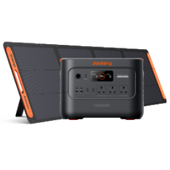
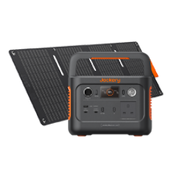
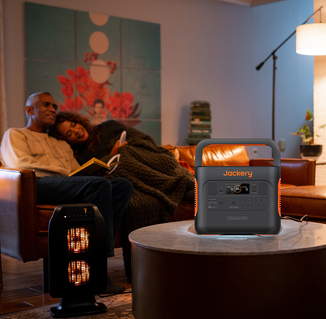
A Jackery Explorer 300D can provide portable charging for phones, cameras or a compatible low-power air pump during a day trip. The Jackery Explorer 500 v2 may be more suitable for a longer group outing or camping stay involving several devices.
Neither power station is swimming-safety equipment. Do not take one into the water or position it where rising water, splashes or rain can reach it. Keep the unit switched and stored according to its instructions, in a dry, ventilated and shaded location away from the water’s edge and extreme heat.

Wild-Swimming Safety in Hot Weather
Hot weather can make open water look inviting, but it does not remove the risks associated with cold temperatures, unstable conditions or pollution. During the UK heatwaves of 2026, the RNLI repeatedly encouraged people to choose lifeguarded beaches where possible and check weather, tides and local signs before entering the water.
Cold-Water Shock Despite Hot Air
Water below 15°C can seriously affect breathing and movement, even when the air feels hot. Sudden immersion may cause an involuntary gasp, rapid breathing, panic and an immediate rise in heart rate. Continued exposure can reduce muscle strength, making it harder to swim or climb out.
Enter slowly through a known, gently shelving access point. Splash water onto the neck and face, keep the head above water initially and allow breathing to settle before swimming. Do not jump or dive into unfamiliar water, as this combines cold-water shock with the risk of striking submerged objects. Anyone with a relevant heart or respiratory condition should obtain medical guidance before cold-water swimming.
Blue-Green Algae and Low Water Levels
Prolonged heat, strong sunlight, nutrient-rich water and slow movement can encourage blue-green algal blooms. Possible signs include:
- Green, blue-green or brown surface scum
- Paint-like streaks across the water
- Small clumps or flakes
- Dead fish or an unusual smell
- Official algae notices beside the water
Appearance alone cannot show whether a bloom is toxic. Avoid entering suspicious water and keep children and dogs away; animals may drink larger quantities or lick contaminated water from their fur. Blue-green algae can cause skin irritation and illness in people and can be particularly dangerous to animals. Report suspected blooms to the appropriate environment agency or landowner and follow any closure notice.
Pollution After Rainfall
Heavy rain can wash faecal bacteria from farmland, roads and urban surfaces into rivers and coastal water. It may also increase storm-overflow discharges. Clear water is not proof that bacteria are absent, while a sample collected several days earlier may not represent current conditions.
Check Swimfo or the equivalent national bathing-water service, local authority notices and relevant water-company alerts. Consider postponing a river or estuary swim following heavy rainfall, particularly if there is discoloured water, sewage debris or a nearby outfall.
Other Hazards
Before entering, look for weirs, fast currents, offshore winds, changing tides, sudden depth changes and submerged branches, weeds or debris. Avoid boat channels and wear a bright cap so paddle craft and other users can see you. Test the exit because a bank that looks manageable may be steep, muddy or slippery from the water.
Hot weather creates additional problems on land. Drink water, use sun protection and avoid a long, exposed walk immediately before swimming if you feel dizzy, weak, nauseous or confused. Never swim after drinking alcohol or taking recreational drugs, as impaired judgement and coordination increase the likelihood of a poor decision.
What to Do in an Emergency?
If you get into difficulty, follow the RNLI’s Float to Live advice: tilt your head back, submerge your ears, relax, control your breathing and move your hands or legs gently if needed. Once breathing is controlled, call for help or swim to safety.
At the coast, call 999 or 112 and ask for the Coastguard. For an inland emergency, call 999 or 112 and explain the exact location. Do not enter the water to rescue someone. Call for help, encourage the person to float and throw a life ring or another buoyant object where possible. The RNLI summarises this as Phone, Float, Throw.
Can Children Do Wild Swimming?
Yes, but they should use carefully selected locations with much closer supervision than a competent adult swimmer would require. For a first experience, choose a lifeguarded beach or supervised open-water venue where swimming is expressly permitted, hazards have been assessed and help is available.
An adult must actively supervise throughout the visit, including while the child is playing at the water’s edge. Young children should remain within immediate reach, not merely within sight. Never leave supervision to an older sibling or assume that a group of adults is watching unless one person has clearly accepted responsibility.
Where the venue or activity requires one, use a correctly fitted buoyancy aid suitable for the child’s weight and the activity. It does not replace close supervision or make deep, cold or moving water safe. A tow float is designed primarily to increase a swimmer’s visibility and should not be treated as a child’s buoyancy aid.
Choose shallow water with a gently shelving entry, firm footing and an obvious exit. Keep the session brief because children can lose body heat more quickly than adults. Watch for shivering, pale or bluish skin, unusual quietness, confusion, tiredness or reduced coordination. Leave the water promptly, dry the child and put on warm layers.
|
More suitable choice |
Unsuitable choice |
|
Lifeguarded beach between red-and-yellow flags |
Unsupervised river with a noticeable current |
|
Managed open-water venue with a children’s session |
Water above or below a weir |
|
Clearly permitted swimming area |
Working or flooded quarry |
|
Shallow, gently shelving entry |
Remote mountain lake without facilities |
|
Calm conditions and easy exits |
Steep, slippery or undercut bank |
|
Good visibility and nearby facilities |
Unknown depth or submerged obstacles |
|
Water without algae or pollution warnings |
Jumping or tombstoning location |
Swimming lessons and strong pool ability are valuable, but they do not remove the effects of cold water, current, waves or poor visibility. Teach children how to float, control their breathing and call for help, ideally first in a supervised pool. Adults should also model careful behaviour by checking conditions, entering gradually and never using alcohol while responsible for children near water.
FAQs
The following are the frequently asked questions about the wild swimming in the UK:
1. What is best to wear for wild swimming?
Wear a well-fitting swimsuit or wetsuit, a brightly coloured swimming cap, outdoor goggles and suitable footwear for the entry surface. A wetsuit can provide additional warmth and buoyancy, but clothing should match the water temperature, weather and planned swim length.
2. Is wild swimming good for you?
Wild swimming provides cardiovascular exercise and time outdoors, while some participants report improved mood and alertness. However, evidence does not support presenting it as a cure for medical or mental-health conditions. Cold water can place strain on the heart and breathing, so people with relevant health conditions should seek medical guidance before starting.
3. Is wild swimming legal in the UK?
It depends on the location. Scotland provides responsible access to most inland water under its outdoor-access framework, whereas access in England, Wales and Northern Ireland is often permission-based or uncertain. Landowner rules, bylaws, navigation rights and local restrictions may still apply.
4. Is it safe to swim during a heatwave?
Not automatically. Open water may remain dangerously cold despite hot air, while heat and low flows can encourage blue-green algae. Check weather, water quality, tides or river flow and official warnings. Prefer a lifeguarded beach and enter gradually.
5. How do I check whether river water is clean?
Use the official bathing-water service for the relevant UK nation and check local pollution notices, recent rainfall and water-company overflow alerts. Avoid water containing scum, sewage debris, dead fish or unusual smells. Clear water is not proof that harmful bacteria are absent.
6. How long should a beginner stay in open water?
There is no universal safe duration because water temperature, clothing, health and acclimatisation differ. A beginner’s first session should be brief and preferably instructor-led. Leave before shivering, weakness, confusion, numbness or poor coordination develops.
7. Should I wear a wetsuit in summer?
A wetsuit may still be appropriate because UK lakes, rivers and coastal waters can remain cold during summer. Consider the water temperature, session length and venue rules rather than air temperature alone. Ensure the wetsuit fits properly without restricting breathing or shoulder movement.
8. Is a tow float a life-saving device?
No. A tow float primarily makes a swimmer more visible and may carry small belongings if designed for that purpose. It is not a life jacket, approved buoyancy aid or substitute for supervision, swimming ability and an emergency plan.
9. Should I swim alone?
No. Swim with a capable companion, recognised group or supervised venue. Ensure someone knows the planned location, route and return time. A companion should remain close enough to notice difficulty and raise the alarm, rather than simply being somewhere else at the site.
Final Thoughts
Before going wild swimming, confirm that swimming is permitted and check current water-quality results, pollution alerts and algae warnings. Review the weather, tide times, river flow and water temperature, then choose an easy entry and identify at least one usable exit before entering.
Tell someone where you are going, swim with a capable companion and wear brightly coloured equipment so that other water users can see you. Keep dry clothing ready, enter gradually and remain within a comfortable distance of the shore. Leave immediately if the weather, water conditions or your physical condition changes.
Finding an attractive location is only the beginning of a responsible wild-swimming trip. Even familiar water can become unsuitable after intense heat, heavy rainfall, pollution, changing tides or increased river flow, so every decision should reflect the conditions on that particular day.


