































Outdoor sockets are one of those home upgrades that can make everyday life noticeably easier. No matter you are mowing the lawn, setting up garden lights, washing the car, or hosting friends on the patio, having safe and convenient access to power outside can save time and reduce the need for messy extension leads.
Choosing the right type of socket, understanding where it should go, and knowing the rules before installation all help you make a smarter decision.
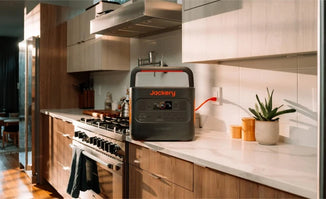
This guide covers the basics of outdoor sockets, can you use an outdoor socket indoors, installation steps, and expected costs. It also looks at why a Jackery Portable Power Station can be a useful alternative if you want flexible power indoors and outdoors without installing a new fixed socket.
|
Key Takeaways: |
|
What Are Outdoor Sockets?
Outdoor sockets are weather-protected electrical outlets designed for use outside the home. They let you power garden tools, outdoor lighting, pressure washers, electric barbecues, pond pumps, and other outdoor appliances without running extension leads through doors or windows.
Unlike standard indoor sockets, outdoor sockets are built to handle tougher conditions. They usually come with a protective cover and a weather-resistant casing to help keep out rain, dust, and debris. This makes them a safer and more practical option for patios, driveways, gardens, balconies, and other exterior spaces.
In most cases, outdoor sockets are fixed to an exterior wall and connected to your home’s electrical system. Many models are designed with extra safety features, such as waterproof seals and lockable covers, so they remain protected when not in use. Some are single sockets, while others are double sockets for powering more than one device at the same time.
Types of Outdoor Sockets
Outdoor sockets are not all built for the same job. Some are designed for simple day-to-day use, while others focus more on safety, flexibility, or a cleaner look in the garden. Choosing the right type depends on where you want to install it, what you plan to power, and how much protection you need from weather and electrical faults.

Single Outdoor Sockets
A single outdoor socket has one outlet, making it a practical choice for light and occasional use. It works well when you only need to power one appliance at a time, such as a lawnmower, hedge trimmer, pressure washer, or a set of outdoor lights.
This type is often chosen for smaller homes, balconies, sheds, or side walls where space is limited. It is also useful if you want a neat and simple installation without adding more outlets than necessary. Because it only serves one plug, it can help keep the setup tidy and reduce the temptation to overload the socket with adapters.
Double Outdoor Sockets
A double outdoor socket has two outlets in one unit, allowing you to run two appliances at the same time. This makes it a more versatile option for busy gardens and outdoor living spaces.
For example, you might use one socket for garden lighting and the other for a lawn tool, or one for an electric grill and the other for a speaker or charger. It can save time and make outdoor tasks more convenient, especially if you often work with multiple powered devices.
Switched Outdoor Sockets
A switched outdoor socket includes an on-and-off switch built into the unit. This means you can control the power supply directly at the socket instead of unplugging the appliance each time.
That small feature can make a big difference in daily use. If you have decorative lighting, water features, or outdoor heating, a switched model lets you turn power on or off quickly and conveniently. It can also add a layer of safety, since you can isolate the power before plugging in or removing a device.
RCD-Protected Outdoor Sockets
RCD-protected outdoor sockets are designed with extra electrical safety in mind. RCD stands for Residual Current Device. This safety feature helps cut off the electricity quickly if it detects a fault, such as current flowing where it should not, which can reduce the risk of electric shock.
Because outdoor areas are exposed to rain, damp air, and wet surfaces, RCD protection is especially important. It is one of the most useful options for powering tools, cleaning equipment, pond pumps, or anything else used outside where moisture may be present.
In-Ground Outdoor Sockets
In-ground outdoor sockets are installed flush with the ground, usually in patios, decking, or paved areas. When closed, they sit neatly within the surface, helping maintain a clean and uncluttered appearance.
This type is often chosen for modern gardens and outdoor entertaining areas where visible wall-mounted sockets may not suit the design. They are useful for temporary power needs, such as plugging in festive lights, garden equipment, or sound systems during outdoor gatherings.
Smart Outdoor Sockets
Smart outdoor sockets combine outdoor power access with app-based or remote control features. Depending on the model, you may be able to turn devices on and off using a smartphone, set schedules, monitor usage, or control appliances through a smart home system.
These sockets are useful for outdoor lighting, seasonal decorations, irrigation systems, or other equipment that benefits from automatic control. For example, you can programme garden lights to switch on in the evening or turn off a water feature without going outside.
|
Type of Outdoor Socket |
Main Features |
Best For |
Advantages |
Things to Consider |
|
Single Outdoor Socket |
One outlet, compact design, weather-protected cover |
Small gardens, balconies, occasional outdoor use |
Simple, space-saving, usually lower cost |
Less flexible if you need to power more than one device |
|
Double Outdoor Socket |
Two outlets in one unit, weather-resistant housing |
Patios, larger gardens, households using multiple devices |
More convenient, supports two appliances at once |
Takes up more space and may cost more than a single socket |
|
Switched Outdoor Socket |
Built-in switch to control power at the socket |
Outdoor lighting, heaters, pumps, regular-use appliances |
Easy power control, can improve convenience and energy management |
Switches should remain well protected from weather and wear |
|
RCD-Protected Outdoor Socket |
Includes or supports residual current protection for fault detection |
Wet areas, garden tools, general outdoor safety |
Better protection against electric shock, safer for damp conditions |
May cost more, and installation should be checked carefully |
|
In-Ground Outdoor Socket |
Installed flush into patios or decking, hidden when closed |
Modern gardens, entertaining spaces, discreet installations |
Clean appearance, power exactly where needed |
Needs careful installation, drainage, and strong weather sealing |
|
Smart Outdoor Socket |
Remote or app control, scheduling, possible energy monitoring |
Garden lights, decorations, automated outdoor devices |
Convenient, programmable, supports smart home use |
Must be rated for outdoor use and may rely on Wi-Fi or app setup |
The best outdoor socket depends on how you use your space. A single socket may be enough for basic gardening jobs, while a double socket suits homes that need more flexibility. If safety is the main concern, RCD-protected models stand out. If appearance matters most, in-ground sockets offer a cleaner finish. And for convenience, smart outdoor sockets bring a more modern way to manage outdoor power.
Can You Use an Outdoor Socket Inside?
Yes, you can use an outdoor socket inside, but in most cases, it is not the most practical choice. An outdoor socket is designed to handle harsher conditions such as rain, dust, damp air, and temperature changes. Because of that, it usually has a heavier casing, a sealed cover, and a more rugged design than a standard indoor socket.
An outdoor socket still performs the same basic job as any other socket. It provides electrical power for plugged-in appliances and equipment. If it is installed properly and meets local electrical standards, it can supply power indoors just as it would outdoors.
In fact, some people choose outdoor-style sockets for indoor spaces that face moisture, dust, or rough use. For example, they may be installed in garages, workshops, utility rooms, basements, or storage areas where a more durable and protective socket makes sense.
Why It Is Usually Not Necessary?
Although an outdoor socket can be used inside, it is usually unnecessary for normal indoor rooms such as living rooms, bedrooms, offices, or hallways. Standard indoor sockets are already designed for these dry and controlled environments.
Outdoor sockets are often bulkier and less visually neat. Their protective lids may also feel inconvenient when used every day indoors. In a regular home setting, they can look out of place and offer features that are not really needed.
When It May Make Sense Indoors?
There are a few indoor situations where an outdoor socket can be a sensible option:
- Garages and Workshops: these areas often deal with dust, tools, and heavier use
- Utility Rooms: splashes and humidity can make extra protection useful
- Basements or Cellars: damp conditions may call for a more robust socket design
- Sheds Connected to the House: a weather-resistant socket may suit mixed indoor-outdoor use better
A Flexible Alternative for Indoor and Outdoor Power
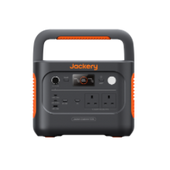
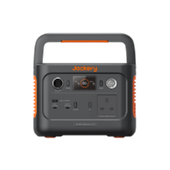
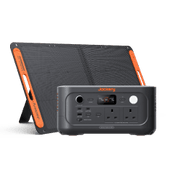
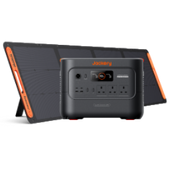
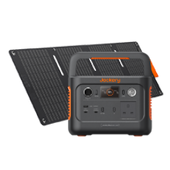
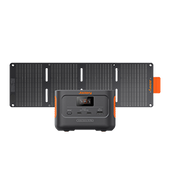
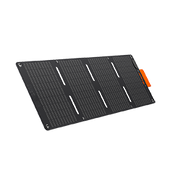
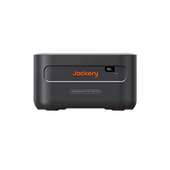
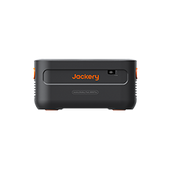
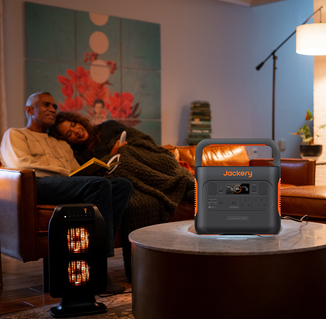
In some situations, a fixed socket is not the most convenient option at all. That is where a Jackery Portable Power Station can be a useful alternative. Rather than relying only on wall sockets, it gives you a portable source of electricity that can be used both indoors and outdoors.

Safety Considerations Before Installing an Outdoor Socket
Installing an outdoor socket can make garden work, lighting, cleaning, and outdoor entertaining much easier, but safety needs to come first. Exterior electrical points are exposed to rain, moisture, dirt, temperature changes, and heavier wear than indoor sockets, so the setup has to be chosen carefully from the start.
Choose a Properly Weatherproof Socket
The first precaution is simple: use a socket specifically designed for outdoor use. A normal indoor outlet is not suitable outside, even if it is placed under a porch or used only occasionally. Outdoor sockets are built with sealed housings, protective covers, and tougher materials to cope with damp and changing weather.
Check the IP Rating for the Location
Not every outdoor location faces the same level of exposure, so the IP rating matters. An outdoor socket under a sheltered canopy may face less direct water than one on an exposed wall, but the rating still needs to match real conditions. Many outdoor sockets are IP66, and choosing the rating for the actual installation conditions and preserving that protection after installation.
Make Sure Fault Protection Is in Place
Fault protection is one of the most important parts of outdoor socket safety. Any socket that may be used for lawnmowers, hedge trimmers, or other power tools should have RCD protection, because an RCD can help protect against electric shock and reduce fire risk.
Think Carefully About the Installation Position
Before installing an outdoor socket, the location should be chosen with both convenience and safety in mind. It should be easy to reach, but not placed where it is likely to be hit constantly by standing water, garden hoses, or physical impact.
Use Outdoor-Rated Accessories and Cables
The socket is only one part of the setup. Plugs, extension leads, and connected equipment should also be suitable for outdoor use when used outside. Even a well-installed outdoor socket becomes less safe if it is paired with damaged cables, unsuitable connectors, or plugs left sitting in wet grass.
Avoid DIY Installation in Risky Conditions
Outdoor electrical work is not a good place to guess. NICEIC’s homeowner guidance says you should never attempt DIY electrics in your home, especially not in the garden because of the added risks from exposure and wet weather, and recommends using an NICEIC-registered electrician.
How to Install an Outdoor Socket: Step-by-Step Guide
Installing an outdoor socket can make garden work, outdoor lighting, cleaning, and entertaining much more convenient, but it also needs to be treated as proper fixed electrical work. In the UK, outdoor electrical installation work must comply with Part P of the Building Regulations and the technical rules in BS 7671, and outdoor sockets should be weatherproof and RCD-protected.

Materials Needed
You will usually need:·
- A weatherproof outdoor socket
- Suitable exterior-grade cable
- RCD-protected supply, if not already provided by the circuit
- Outdoor back box or mounting box if required
- Wall plugs and screws
- Cable clips or conduit for protection
- Masonry drill bits for exterior walls
- Sealant suitable for exterior use
- Screwdrivers
- Voltage tester
- Drill
- Tape measure
- Pencil for marking positions
The exact materials depend on the wall type, cable route, and whether the new socket is being supplied from an existing internal socket circuit or a new dedicated circuit.
Step 1: Choose the Right Location
Start by choosing a practical installation point. The socket should be easy to reach, close to where power is usually needed, and positioned where it is less exposed to direct water, impact, or pooling rainwater. A solid exterior wall near the patio, garden, shed, or driveway is usually the most practical choice.
Step 2: Select a Socket with the Right Outdoor Protection
Next, choose a socket designed specifically for outdoor use. Socket-outlets installed outside should be weatherproof, and many outdoor models commonly sold are IP66 rated.
A switched or lockable cover can also be useful, especially in family gardens or exposed areas. The aim is to make sure the socket remains protected even when it is not in use.
Step 3: Confirm RCD Protection Before Any Installation Work
Before the socket is installed, confirm that the circuit has RCD protection. Any socket likely to be used for lawnmowers, hedge trimmers, or other outdoor tools should have RCD protection, and almost all new sockets added to an installation should have this protection.
Step 4: Isolate the Electrical Supply
Before any physical work begins, the power supply must be fully isolated. This means switching off the relevant circuit and confirming it is dead with the correct testing procedure before touching cables or connection points.
Step 5: Mark the Position and Drill the Mounting Holes
Hold the outdoor socket box or backplate against the chosen wall position and mark the fixing points carefully. Check that it sits level and that the height is practical for normal use. Once the marks are in place, drill the mounting holes and insert the correct wall plugs for the surface.
Step 6: Route the Cable Safely
The cable now needs to be run from the supply point to the outdoor socket position. Depending on the design, it may pass through the wall directly from an indoor socket or spur, or it may be routed by another approved method from the consumer unit or a suitable circuit point.
Step 7: Mount the Outdoor Socket Box
Once the cable route is ready, fix the outdoor back box or socket enclosure securely to the wall. Make sure it sits flush and stable, with no gaps that could let in water. Any cable entry points should be sealed properly using the fittings supplied with the socket or other suitable outdoor-rated sealing methods.
Step 8: Connect the Wiring
The conductors are then connected to the appropriate terminals inside the socket. This includes the live, neutral, and earth connections, all secured correctly and dressed neatly so the socket cover can close properly without strain.
Step 9: Seal and Close the Socket Properly
After the wiring is complete, fit the faceplate or front cover and check that all seals, gaskets, and covers are properly in place. The weatherproof lid should close smoothly and securely. If the installation includes external sealant around cable entries or wall penetrations, this should be finished neatly so rain cannot track into the enclosure or wall opening.
Step 10: Test the Installation
Once installed, the new outdoor socket should be tested to confirm correct polarity, earth continuity, insulation performance, and RCD operation where applicable. Depending on how the socket has been added and where the work is carried out, documentation or certification may be required.
Common Mistakes to Avoid
A few mistakes can undermine an outdoor socket installation very quickly:
- Using an indoor socket or unsuitable enclosure outside.
- Ignoring RCD protection.
- Choosing the wrong position on an exposed wall
- Leaving cable entries unsealed.
- Using the socket before proper testing.
- Assuming outdoor electrical work is just the same as fitting an extra indoor outlet.
Jackery Portable Power Stations Explained
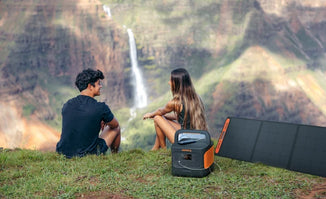
Installing a new outdoor socket can be useful, but it is not always the most flexible solution. If you want power in different places around the home, garden, balcony, driveway, campsite, or during a short outage, a Jackery Portable Power Station can often be the simpler choice.
A portable power station does not need to be wired into an exterior wall, drilled into masonry, or added to a fixed circuit.
That makes it a practical option for renters, people who do not want electrical work done, or households that only need occasional outdoor power. A Jackery Portable Power Station can be moved between the garden, garage, balcony, shed, driveway, and indoor spaces as needed.
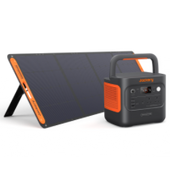
Jackery Explorer 3000 v2
When comparing the installation of a fixed UK plug socket (like adding a double-gang socket to a solid masonry wall) against the Jackery Explorer 3000 v2, the choice depends on whether you need a static connection or a versatile power ecosystem.

Power Capacity and Output (The "Load" Advantage)
Adding a standard socket or a "spur" to an existing UK ring final circuit is strictly limited by the circuit’s total load (usually 32A for the whole floor). Provides a massive 3600W continuous output (7200W surge). This is effectively like having a dedicated 16A circuit in your hand.
You can plug high-draw appliances (like a 3kW electric heater and a kettle) into the Jackery without worrying about tripping the main house breaker or overloading an old ring circuit. It acts as an independent "power island."
Integrated UPS and Indoor Protection
A wall socket is "dead" the moment the National Grid fails. The 3000 v2 features a <20ms Uninterruptible Power Supply. If you wire your sensitive indoor gear (PC, Wi-Fi, Medical equipment) through the Jackery, it provides seamless protection that a standard wall socket simply cannot offer.
To get this same level of protection with fixed wiring, you would need to install a costly home battery storage system and a transfer switch.
Avoiding Structural and Regulatory Hassles
Installing a new socket on a solid UK wall is a destructive process (as seen in the "Step-by-Step" guide). You avoid cutting "chases" into brickwork, which can weaken the wall structure and creates significant dust and noise.
Adding sockets in "special locations" (like kitchens or outdoors in Wales) can be notifiable work under Building Regulations. The Jackery is a portable appliance, requiring zero paperwork, testing certificates, or Part P compliance.
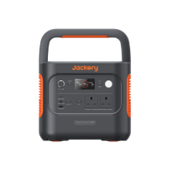
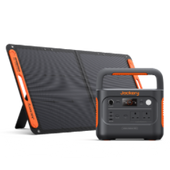
Jackery Explorer 2000 v2
If the 3000 v2 feels like "too much" (either in price or size), the Jackery Explorer 2000 v2 is often the "Sweet Spot" for the UK market. It offers nearly the same technical benefits but in a much more manageable, portable package.
It delivers 2200W of continuous power (4400W surge). It uses LiFePO4 chemistry, rated for 4,000+ cycles (approx. 10 years of daily use).

The "Instant Double Socket" Without the Dust
Adding a new double socket to a solid wall requires masonry work and chasing (as we discussed earlier). It provides multiple AC outlets and high-speed USB-C ports instantly. You don't need an electrician, you don't need to re-plaster, and you don't need to worry about the "safe zones" for cables behind your wallpaper.
Independent Power (The Ring Main Limit)
A standard UK ring final circuit is usually fused at 32A. If you add more sockets and plug in a heater, a kettle, and a vacuum at once, you risk tripping the main breaker. It acts as an independent 2200W circuit. You can run high-draw appliances from the Jackery while the wall socket powers other items, effectively increasing your home's total power capacity without upgrading your consumer unit.
True Indoor/Outdoor Hybrid
Fixed sockets are stationary. The 2000 v2 is built using the same CTB (Cell-to-Body) technology as the 3000 v2, which integrates the batteries directly into the chassis for maximum space efficiency. At only 17.5 kg, it is roughly 35% lighter than the 3000 v2.
How Much Does It Cost to Install an Outdoor Socket?
In the UK, installing an outdoor socket usually costs around £75 to £260, depending on the socket type, cable run, and how simple the installation is. Recent trade-pricing guides put a basic installation at around £120 on average, while broader estimates place many jobs in the £130 to £260 range.
The socket unit itself is usually not the most expensive part. A standard weatherproof outdoor socket can cost from roughly £10 to £60 for materials, while current retail listings show common IP66 single and double switched outdoor sockets selling at entry-level trade prices from around the mid-teens.
Labour is where the total can change more noticeably. Electrician labour often runs at about £30 to £65 per hour for this kind of work, while its separate hourly rate guide gives a broader typical UK electrician rate of £45 to £60 per hour, with emergency or out-of-hours work higher.
The average outdoor socket installation is about £120 and usually takes 1 to 2 hours, which fits the idea that a basic job is often relatively quick when there are no complications.
|
Cost Item |
Typical UK Cost |
|
Weatherproof outdoor socket unit |
£10–£60 |
|
Electrician labour for a basic job |
£30–£65 per hour |
|
Typical total for a straightforward installation |
£75–£150 |
|
Average commonly quoted price |
About £120 |
|
Higher-end typical range for more involved work |
£130–£260 |
These figures come from current UK trade and pricing sources and are best treated as practical budgeting ranges rather than fixed quotes.
If you are paying someone to install the socket, a good working budget for a standard job is usually around £100 to £150, with more complex work often moving toward £200 or more.
Is It Worth It?
For many homes, yes. An outdoor socket can make gardening, cleaning, lighting, and outdoor cooking much easier, and the installation cost is usually modest compared with larger electrical upgrades. If you only need occasional power outside, though, a Jackery Portable Power Station can be a practical alternative because it avoids fixed installation costs and gives you flexible indoor and outdoor power in one unit.
FAQs
The following are frequently asked questions about outdoor sockets indoors in the UK.
1. Do outdoor sockets need to be on their own circuit?
Not always. An outdoor socket can sometimes be added to an existing suitable circuit, but the circuit still needs to be designed and tested correctly, and outdoor sockets should have RCD protection.
2. Can you run a cable from an inside socket to an outside socket?
Yes, that is a common way to add one, especially through the wall from a nearby indoor socket. But it still counts as fixed electrical work, so it must comply with Part P and the relevant wiring rules.
3. What are the rules for outdoor sockets?
In the UK, outdoor sockets should be weatherproof, suitable for outdoor use, and protected by an RCD. The installation also needs to comply with Part P of the Building Regulations and the technical rules in BS 7671.
4. Do I need an electrician to fit an outside socket?
In practice, yes. Outdoor electrical work carries extra shock risk because of water and weather exposure, and safety bodies recommend using a registered electrician.
Final Thoughts
Outdoor sockets are a practical addition for homes that need reliable power in the garden, on the patio, near a shed, or around the driveway. They make outdoor tasks easier, support lighting and entertainment, and help create a more functional outdoor space.
For some households, a fixed outdoor socket will be the right long-term solution. For others, a Jackery Portable Power Station may offer more flexibility by providing portable power wherever it is needed, both indoors and outdoors.


