















































A concise car maintenance checklist tailored to real driving conditions makes it easier to keep your car in good shape. Checking your tyres, fluids, lights, and batteries regularly lowers maintenance costs and keeps you safer year-round.
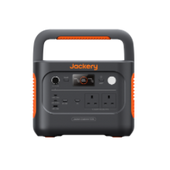
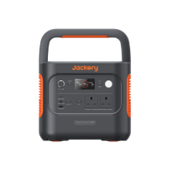
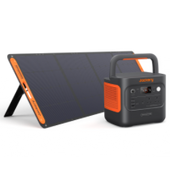
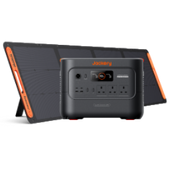
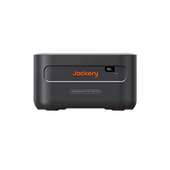
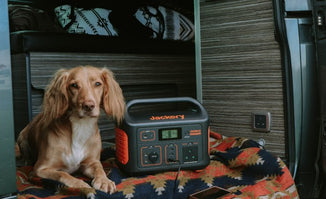
When you work on your vehicle outside or deal with problems on the side of the road, being prepared also includes having a solid backup power source. The Jackery Explorer 3000 v2 and Jackery Explorer 2000 v2 power stations help keep contemporary cars running by powering tools, lights, and other important gadgets when there is no electricity.
|
Key Takeaways: |
|
Car Repair and Maintenance Signs
Understanding the symptoms that your automobile needs servicing or repairs is essential for every car owner. Performing maintenance early on might help you save money by avoiding more costly problems later.
Even a well-maintained automobile that meets the criteria above might develop faults that need service. Here are a few of the most prevalent symptoms that your car may need quick service:
- Check the engine light
- Any problems with braking
- Lacking acceleration
- Vibrations
- Stalling or difficulties starting the vehicle
- Fuel efficiency changes
- Difficult or delayed shifting
When to Perform Maintenance on Your Car Based on Mileage?
A vehicle, apart from a house, is most certainly the most costly thing that most of us will ever buy. To that reason, it is important to take proper care of it in order to safeguard your investment and keep it functioning well.
In addition to service, for cars three years old or older, there are certain duties that should be completed to assist maintain your automobile in good shape. The frequency with which these jobs are necessary is dictated by the number of miles driven each year.

Every 3000 to 7000 Miles
Most manufacturers recommend changing both the oil filter and the oil at this frequency. This is a task most enthusiastic amateurs should be able to handle. Similarly, ensuring that the gearbox fluid and other fluids, such as power steering fluid, are at the proper levels is beneficial here. Inspect your coolant, air conditioning system, radiator hoses, suspension, and brake pads at this time. It's also a good idea to check your lights and tyres.
Between 15,000 to 30,000 Miles
Air filters should be changed, and monitoring the battery after 20,000 miles is a smart idea since it is approaching the halfway point of its usable life. At 25,000 miles, a new fuel filter is likely to be necessary, and at 30,000 miles, a new air filter and power steering fluid are often required.
Between 35,000 and 50,000
Your battery may need to be changed at 35,000 miles. At 40,000 miles, it is advised to inspect the ignition and suspension system (especially the bushes and shock absorbers), and because of the estimated life of these components, they should be examined on a regular basis until replacement is required. Your cam belt may need to be replaced around 40,000 miles. This is crucial since a belt failure might cause severe engine damage.
Download the Car Maintenance Checklist PDF>>
What Maintenance Does a Car Need?
Car problems are a leading source of unexpected costs, but regular car maintenance reduces the likelihood of failures. This is seldom discussed. A two-minute walk-around examination might save you hundreds in repairs and avert roadside problems. Regular checkups provide drivers peace of mind and higher car value later on, but most only respond when anything goes wrong.

Simplified Daily and Weekly Vehicle Checks
Regular car maintenance is the foundation for safe and dependable driving. Drivers may avoid unexpected failures, prolong the life of their vehicle, and assure peak performance by following a regular daily and weekly check regimen.
Daily Vehicle Inspections
Before you begin your travel, a short yet thorough car inspection will save you from possible roadside hazards. According to the UK Health and Safety Executive, drivers should conduct crucial safety checks at the start of each shift.
Begin with a visual walk-around check. Inspect your tires for apparent indications of damage or low pressure. Check for any fluid leaks beneath the car. Inspect the windscreen and windows for cracks or chips that may impair vision. The Highway Code requires that lights, indicators, and number plates be clean and plainly visible.
Weekly Maintenance Schedule
Weekly inspections go deeper into your vehicle's condition. Start by checking the tire pressure and tread depth. The Driver and Vehicle Standards Agency (DVSA) emphasises the need of regular tire maintenance for road safety.
Carefully monitor fluid levels. This contains engine oil, coolant, brake fluid, power steering fluid and windscreen washer fluid. If low fluid levels are not addressed, they might lead to serious mechanical concerns. Top up fluids as required and keep an eye out for any unexpected colour changes or evidence of contamination.
Insightful Maintenance Advice
Make a short checklist and store it in your car. This list, whether digital or real, can help you maintain a regular maintenance regimen. Consider utilising smartphone applications or setting up frequent reminders to help you keep track of your vehicle's health.
Remember that these checks aren't merely to avoid breakdowns. They're concerned about your safety, safeguarding your investment, and maintaining your vehicle's performance. A few minutes of examination might save you hundreds of dollars in maintenance bills and avoid hazardous situations on the road.
Monthly and Seasonal Car Maintenance
Vehicle maintenance does not follow a one-size-fits-all strategy. Different seasons and monthly intervals need appropriate maintenance to keep your vehicle operating smoothly and effectively. Understanding these nuances in maintenance needs will help you prolong the life of your car and avoid expensive repairs.
Critical Monthly Maintenance Checks
Monthly vehicle inspections extend beyond the usual daily and weekly inspections. Fluid levels must be monitored on a regular basis to ensure vehicle performance and safety. Start by meticulously inspecting the engine oil, coolant, brake fluid, power steering fluid and gearbox fluid levels.
Check your vehicle's air filter. A clean air filter helps both fuel economy and engine performance. Check for evidence of filth, debris, or excessive wear. If the filter looks to be blocked or broken, try replacing it. In addition, inspect your battery terminals for corrosion and verify connections are tight and clean.
Inspect your windscreen wipers for wear and tear. British weather may be unpredictable, therefore excellent wipers are required for clear sight. Replace wiper blades that exhibit indications of cracking, splitting, or decreased performance.
Seasonal Maintenance Plans
Each season brings new obstacles for car maintenance.
In the spring, properly clean your vehicle to eliminate winter road salt and dirt, which may cause corrosion. Inspect your tires for winter damage and ensure proper wheel alignment.
Summer necessitates care to your vehicle's cooling system. Check the coolant level and examine the radiator for leaks. Ensure that your air conditioning system is working properly. Extreme heat may strain your vehicle's systems, so regular maintenance is essential. Check your tire pressure more regularly, since heat may cause changes.
Autumn preparation includes inspecting your heating system and defrosting systems. Inspect your battery, since cooler temperatures might affect its performance. If your car requires winter-grade oil, consider switching to it. Check your antifreeze concentration to avoid freezing during the winter months.
Winter maintenance focuses on keeping your vehicle safe in adverse circumstances. Check your tire tread depth and consider winter tyres for added grip. Ensure that your battery is in great condition, since cold weather has a considerable influence on battery performance. Keep your gasoline tank at least half full to avoid fuel line freezing.

Annual Checklist for Long-term Car Health
Long-term vehicle health requires a comprehensive yearly strategy that goes beyond typical monthly maintenance. A comprehensive annual checklist may help you spot possible problems early on, avoid unexpected breakdowns, and preserve your vehicle's overall performance and value.
An yearly vehicle check is essential for determining your vehicle's general condition. According to the UK Health and Safety Executive, a preventative maintenance program should be carried out at regular intervals of time or mileage, precisely according to the manufacturer's recommendations.
Begin with a complete expert diagnostic examination. Modern automobiles have complicated electronic systems that need specialised diagnostic gear.
Critical Assessments of Systems and Components
Tyre maintenance is crucial. Beyond monthly inspections, a yearly complete tire examination is essential. Examine tread depth, look for uneven wear patterns, and evaluate overall tire condition. The Health and Safety Executive encourages thorough tire inspections, emphasising that good tyre care is critical for vehicle safety.
Inspect your vehicle's timing belt or chain. These crucial components have replacement intervals that vary depending on the brand and model. Consult your vehicle's handbook or a skilled technician to establish the proper replacement schedule. Failure to replace them at the appropriate intervals might cause severe engine damage.
Conduct a thorough fluid system evaluation. This is more than just filling up fluids. Have specialists clean and replace the gearbox fluid, brake fluid and coolant. Examine for any evidence of pollution or deterioration, which might suggest underlying mechanical problems.
The Essential Car Maintenance Checklist
There are many automobile maintenance checks you can do around the vehicle and beneath the hood to assist maintain it in excellent working condition and avoid a breakdown.
Spending five minutes every few weeks, and especially before a long drive or a MOT, may save you a lot of time and money in the long run, not to mention keeping you safe on the road.
To keep things easy, here are some basic automobile inspections you can do now to keep your vehicle safe on the road and on the right side of the law:

1. Fuel
First, make sure that you have a sufficient amount of petrol in your tank for the trip. In spite of the fact that it would seem to be self-evident, you might be astonished to learn how many individuals run out of fuel, especially during the severe winter months.
2. Oil
Use the dipstick on your vehicle to determine if the oil level is between the minimum and maximum mark, and if it is, add more oil to the tank.
In the event that you are unsure of the kind of oil that you are required to use, consult the owner's manual of your vehicle or consult with your local dealer.
3. Rubber
When it comes to rubber, inspect your tires and wiper blades on a regular basis.
Check your tires for overall wear and tear, cracks or bulges and most importantly, tread depth. The minimum tread level is 1.6mm, although in the winter it is recommended to have 3mm of tire tread to improve traction and grip.
Also, make sure your tires have the proper pressure, and consult your owner's manual if you're unsure.
Examine your wiper blades; they will not last forever and will need to be replaced from time to time due to splits and cracks.
In the winter, place a small layer of plastic or fabric between the wiper blades and the windscreen to prevent them from freezing to it. Alternatively, you may try using de-icer or warm water to clear them before starting your engine.
4. Electrics
There are several electrics in your automobile, ranging from headlights and fog lights to your batteries, and they must all be checked on a regular basis to ensure your safety.
Have another person go around the vehicle and check that all of your lights function, including the number plate lights, since you may be punished for having a registration that cannot be seen.
You should also inspect your battery, ensuring that the terminals are clean and tight (removing any corrosion with hot water and adding petroleum jelly) and that the engine starts properly.
Please keep in mind that petroleum jelly acts as an insulator and may reduce terminal conductivity over time. A mechanic may recommend materials created particularly for coating battery terminals. These solutions are designed to efficiently prevent corrosion while also improving conductivity between terminals and wires.
5. Coolant
Check your vehicle's coolant level. The last thing you want is for your engine to freeze or overheat.
Although it is a sealed system that should not need topping up, it is always a good idea to double-check, particularly before a lengthy trip.
Check your coolant levels while the engine is cold, and consult your manual for the appropriate coolant and mix to use if you need to fill it up.
6. Brakes
We should all realise the necessity of properly working brakes, thus maintaining them is critical to prevent costly repair costs or future breakdowns.
Start by checking the brake fluid level and, if low, topping it up - check your vehicle's manual for the right fluid specification. Brake fluid is caustic, so use caution, and if you are uncertain, consult an expert.
Brake fluid should be replaced at certain mileage intervals; again, see your manual for servicing information.
7. Screen Wash
Check the amount of screen wash in the tank under the hood, and if required, fill up with a high-quality screen wash additive or pre-mix, which can be purchased at most gas stations.
Screen washing is essential year-round. In winter, snow and grit generate filthy windscreens, while in summer, bugs and pollen can quickly impair your vision - so never put off cleaning your levels.
8. Engine Air Filter
A malfunctioning or clogged air filter may lower fuel economy and engine power, therefore specialists suggest replacing it every 12 months or 12,000 miles, whichever comes first.
If you believe your filter needs inspection or replacement, just find it (typically in a black box under the bonnet) and remove it, taking note of how it fits before inserting the replacement and closing the box.
For instructions, refer to your vehicle's manual.
9. Air Conditioning
Whether it's 35 degrees outside or just above freezing, your air conditioning equipment must be properly functional. However, other from visual inspections of the plumbing, there isn't much you can do yourself.
Air conditioning system service should be performed by a qualified individual using the proper equipment. A common complaint is that the air conditioner does not seem cold enough on hot summer days; this may suggest that the system needs re-gassing; specialised equipment is necessary and should be entrusted to an official maintenance facility.
10. Spark Plug (for Petrol Engines Only)
More of a replacement than a check, spark plugs are essential to the operation of your engine; one or more bad plugs may cause an engine misfire, so you should know how to replace them.
Spark plugs should be replaced every 30,000 miles or so, and you will need the proper equipment if you want to do it yourself. Also, read your manual or see a dealer to see whether a DIY replacement is feasible.
11. Interiors
Nobody wants their vehicle to be regarded as a "skip-on-wheels," so keep it clean with a regular interior clean, which includes cleaning out your footwells, washing down your dashboard, and keeping just the necessary in your boot.
12. Exteriors
Wash your automobile on a regular basis to keep the exterior looking clean. If you're doing it by hand, concentrate on the headlights, brake lights, and number plates, which help you see and be seen on the road.
Always keep all windows clean and clear. In addition to being risky, a filthy windscreen that restricts your vision of the road may result in a fine for driving a vehicle in a dangerous state. Car washing is an important aspect of owning a car.
Car Maintenance Checks to Do Before a Long Journey
Before embarking on a lengthy journey, make sure you:
The battery is completely charged.
The tires are adequately inflated and free of damage.
Brakes are operating well.
The oil level is topped up.
The lights are all functioning.
The air filter is clean.
Transmission fluid has been filled up (if applicable).
Coolant is at the proper level.
Washer fluid is filled.
Windscreen is clean and crack-free.
Wipers are operating well.
Emergency equipment is supplied.
Jackery Portable Power Stations for Smarter Car Maintenance
Checking the tires, oil, and brakes on your car is just part of car maintenance. You also need to be ready for anything. Having a consistent power supply helps with safer and more efficient car maintenance, whether it's for periodic checks or extended trips.
The Jackery Portable Power Stations includes the Jackery Explorer 3000v2 and Jackery Explorer 2000v2 power stations. These are meant to provide drivers reliable portable power so they are always ready for scheduled maintenance and emergencies.
A full car maintenance checklist should have you ready for more than just mechanical problems. Portable electricity is useful for taking care of contemporary cars, particularly when you have to make inspections on the side of the road or work on them outside.
You may use the Jackery Explorer 3000v2 and 2000v2 to:
- Power tire inflators and air compressors that can be moved around
- Use inspection lights to examine at night or when visibility is limited.
- Help with simple service on tiny electric tools
- Charge up phones, GPS gadgets, and emergency gear.
This makes them a good part of any vehicle maintenance regimen, as they let drivers keep their cars running when they can't get to the main power supply.
Jackery Explorer 3000 v2
The Jackery Explorer 3000 v2 is a powerhouse that bridges the gap between a portable battery and a home backup system. In the context of car maintenance in the UK—where damp weather and a lack of driveway power are common—this unit is a game-changer.
Maintaining a car in the UK often involves battling the elements and the "no-outdoor-socket" struggle. Here is how the 3000 v2 helps:

Mobile Valeting & Detailing: With a 3600W continuous output, you can run professional-grade pressure washers (like a Karcher K4 or K5), industrial wet/dry vacuums for upholstery, and orbital polishers anywhere. You don't need to trail 50 meters of extension cable through your front door.
Battery Tending in Winter: If you have a classic car or a vehicle that sits idle during the British winter, you can use the Jackery to run a trickle charger (like a CTEK) for weeks at a time without needing a mains connection.
Emergency Jump-Starting Assistance: While it isn't a tiny jump-pack, you can plug a standard automotive battery charger into its AC outlet to bring a flat lead-acid battery back to life in under an hour.
Tyre Maintenance: It easily powers high-wattage air compressors to ensure your tyre pressures are correct, which is vital for fuel efficiency and safety on wet UK roads.
On-the-Go Repairs: If you're working on a car in a remote lock-up or a street-side parking spot, you can run high-draw power tools like impact wrenches, angle grinders, or heat guns (for those stubborn rusted bolts).
|
Features of Jackery Explorer 3000 v2 |
|
|
Capacity |
3072Wh |
|
Power Output/Peak Power |
3600W/7200W |
|
Battery Cell |
LiFePO4 4000 Cycles to 70% + capacity |
|
Solar Input |
1000W Max |
|
Operating Usage Temperature |
Charge: 0°C~45°C(32°F~113°F) Discharge: -15°C~45°C(5°F~113°F) |
|
Warranty |
3+2 Years |
|
Output Ports |
AC Output: 3 Ports, 230V~ 50Hz, 13A Max, 3600W Total, 7200W Surge peak USB-A Output: 2 Ports, 18W Max, 5-6V⎓3A, 6-9V⎓2A, 9-12V⎓1.5A USB-C Output: 2 Ports, 100W Max, 5V⎓3A, 9V⎓3A, 12V⎓3A, 15V⎓3A, 20V⎓5A Car Port: 12V⎓10A Max |
|
Recharging Methods |
AC+DC (54V) Charging: 1.4 Hrs AC Charging: 1.8 Hrs Solar Input 1000W Max: 3.5 Hrs 1 x SolarSaga 200W: 22 Hrs Car Charging 12V: 36 Hrs |
|
Running Time |
Pressure Washer (1300W): 2 Hrs Trickle Charger (10W): 260 Hrs Air Compressor (1000W): 2.6 Hrs Impact Wrench (900W): 2.9 Hrs |
Jackery Explorer 2000 v2
In the UK, the Jackery Explorer 2000 v2 is an exceptional tool for car maintenance—especially if you don't have a driveway with a power outlet or if you enjoy detailing and DIY.

Car Battery Charging: While it cannot "jump-start" a car (which requires a massive instantaneous current surge), it can be used with a 12V automotive charging cable to "top up" a flat battery. If your car has been sitting in the cold UK winter, you can leave it connected to the Jackery for 30–60 minutes to provide enough charge for a successful start.
Trickle Charging: For classic cars or vehicles kept in lock-up garages without mains power, the 2000 v2 is a perfect mobile source for a trickle charger to maintain battery health over weeks.
High-End Mobile Detailing: The 2200W output means you can run professional-grade cleaning equipment anywhere: You can run a standard electric pressure washer (e.g., Karcher K2 or K4) for a full car wash cycle.
For paint correction and waxing, you can run rotary or dual-action polishers for hours without needing an extension lead from your house. It easily handles 1400W shop-vacs for interior cleaning and upholstery wet-vacs.
DIY Repairs & Power Tools: Use corded or cordless chargers for high-torque impact wrenches during wheel changes or brake jobs. Power high-intensity LED floodlights for evening repairs during the dark UK winter months.
|
Features of Jackery Explorer 2000 v2 |
|
|
Capacity |
2042Wh |
|
Power Output/Peak Power |
2200W/4400W |
|
Battery Cell |
LiFePO4 4000 Cycles to 70% + capacity |
|
Solar Input |
400W Max |
|
Operating Usage Temperature |
Discharge: 14°F~113°F (-10~45°C) Charge: 32°F~113°F (0~45°C) |
|
Warranty |
3+2 Years |
|
Output Ports |
AC Output: 2 Ports, 230V ~ 50Hz, 10A Max, 2200W Rated, 4400W Surge peak USB-A Output: 1 Port, 18W Max, 5-6V⎓3A, 6-9V⎓2A, 9-12V⎓1.5A USB-C Output: 2 Ports, USB-C1: 30W Max, 5V⎓3A, 9V⎓3A, 12V⎓2.5A, 15V⎓2A, 20V⎓1.5A; USB-C2: 100W Max, 5V⎓3A, 9V⎓3A, 12V⎓3A, 15V⎓3A, 20V⎓5A Car Port: 12V⎓10A Max |
|
Recharging Methods |
Emergency Charging (AC) via App : 1.33 Hrs Wall Charging: 1.7 Hrs 400W Solar Input: 5.5 Hrs Car Charging: 24 Hrs |
|
Running Time |
Pressure Washer (1300W): 1.3 Hrs Trickle Charger (10W): 173 Hrs LED Floodlight (300W): 5.8 Hrs Impact Wrench (900W): 1.9 Hrs |
FAQs
The following are frequently asked questions about the car maintenance checklist.
1. What are the 5 most important vehicle checks before driving off?
Before you go on a trip, it's important to do a quick visual check to make sure the car is safe for you and other people on the road. First, make sure that all of your tires seem like they are adequately inflated and don't have any evident damage, such bulges or severe cuts.
Second, make sure that your headlights, turn signals, and brake lights are all working properly and that they are clean enough for other drivers to see.
Third, make sure that your mirrors and windscreen are free of any debris, ice, or other anything that might block your view. Fourth, check the dashboard for any warning lights that stay on.
These might indicate that there is a problem with the engine or the brakes.
Lastly, look for new puddles on the ground under the vehicle. These might indicate that a harmful fluid is leaking.
2. What are the basic PMS checklists?
A simple Preventative Maintenance Service (PMS) focuses on the main parts of your automobile that make it dependable over time. The main thing on this checklist is to check and refill important fluids including brake fluid, power steering fluid and engine coolant to keep the car from breaking down.
It also involves a close inspection of the cabin and air filters to make sure the engine can breathe well and the air inside stays clean. Technicians usually check the drive belts to see whether they are frayed or showing symptoms of wear that might cause them to break.
A basic PMS also includes inspecting the battery terminals for rust and making sure that any rubber hoses are flexible and don't have any fractures or leaks.
3. What regular maintenance should be done on a car?
The best way to think about good auto maintenance is as a tiered plan that combines easy DIY activities with professional help.
Every month, you should check the fundamentals, such the depth of the tire tread, which should be far over the UK legal limit of 1.6mm, and all the fluid levels.
Every six months, you should examine the outside bodywork more closely for stone chips that might rust and see how well the air conditioning system works.
If the automobile is more than three years old, it must pass the required MOT test and have a professional service once a year to keep its mechanical parts in good shape.
Final Thoughts
Using a car maintenance checklist on a regular basis preserves your investment, makes driving safer, and helps keep your car from breaking down unexpectedly. Your car is always ready to go, whether it's for work or for fun, thanks to regular inspections, seasonal planning, and timely service. Adding practical readiness makes this habit even stronger.
When you need them most, the Jackery Explorer 3000 v2 and Jackery Explorer 2000 v2 power stations provide you reliable backup power for tools, lights, and communication devices. Smart maintenance and dependable portable power work together to make automobile care more balanced.


