














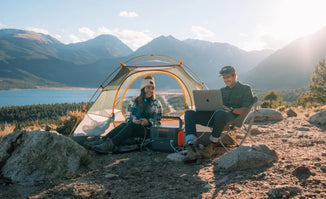















Booking the best northern Ireland glamping sites requires planning 3 to 6 months in advance for weekends. These locations offer a balance between rugged outdoor immersion and hotel-grade comfort, but high demand makes spontaneity difficult.
Amenities like hot tubs, bedding, and firewood are often excluded from the base price. Travelers should verify these inclusions to determine true value. Weather is another critical factor; rain is common in Northern Ireland regardless of the season. Units with adequate heating and sufficient indoor living space ensure comfort during downpours.
Access to remote farm-based sites often requires checking road quality and parking availability beforehand. For those prioritising low-impact tourism, specific eco-credentials such as solar power or leave-no-trace policies should be confirmed prior to booking.
Diverse Glamping Accommodations Across Northern Ireland
Understanding the terminology helps manage expectations regarding space and amenities.
Pods vs. Cabins
- Pods: Glamping pods are compact, arch-shaped timber units typically featuring a double bed and a small kitchenette (microwave/kettle). These structures are ideal for couples.
- Cabins: Glamping cabins are larger structures featuring separate bedrooms and full kitchens with hobs and ovens. Cabins are better suited for longer stays or families.
Serviced vs. Off-grid
- Serviced: Serviced units connect directly to mains electricity, Wi-Fi, and running water. Guests can use standard hair dryers and charge devices easily.
- Off-grid: Off-grid accommodation relies on solar or battery power, compost toilets, and wood stoves. These units offer seclusion but require strict energy management.
Luxury Glamping Pods
These units bridge the gap between camping and a hotel stay.
- Features: Luxury glamping pods feature glazed fronts for panoramic views, hotel-quality linen, and en-suite wet rooms.
- Best for: Romantic breaks and short, low-maintenance stays where guests want to drop their bags and relax.
- Example: Glenarm Castle Glamping offers ocean views and access to the historic estate.
Unique Cabins and Lodges
- Features: Luxury lodges provide full kitchens, separate bedrooms, and generous living space for self-catering.
- Best for: Families or groups needing space to cook and socialise indoors.
- Example: Oaks Luxury Lodges provide high-end amenities and ample room for groups.
Domes and Stargazing Units
- Features: Stargazing domes feature panoramic windows or transparent ceilings and often command premium pricing. Many are adult-only.
- Best for: Stargazing and novelty experiences.
- Example: Finn Lough Domes are renowned for their transparent walls and immersive forest setting.
Shepherd’s Huts and Quirky Stays
- Features: Shepherd's huts offer high character and compact design, with heating often provided by a wood burner rather than central heating.
- Best for: Solo travelers or couples seeking rustic charm over modern minimalism.
- Example: The Oat Box offers a converted horsebox style stay for a unique aesthetic.
Top Locations and Scenic Views
Choosing the right region defines available activity options.
Coastal Retreats (Causeway Coast)
- Appeal: Coastal retreats on the Causeway Coast offer uninterrupted ocean vistas and proximity to the Giant's Causeway.
- Tip: Check for wind shelter. Coastal sites can be noisy during storms. Ensure the site has private beach access if that is a priority.
Mountain Escapes (Mournes, Sperrins)
- Appeal: Mountain glamping sites in the Mournes and Sperrins provide immediate hiking access and some of the darkest skies in the UK.
- Tip: Sperrin View sites often offer superior dark-sky visibility due to lower light pollution compared to the coast.
Lakeside Stays (Lough Erne)
- Appeal: Lakeside accommodation on Lough Erne focuses on water sports, tranquility, and birdwatching.
- Tip: Verify if the site offers kayak/SUP rentals or launch access for personal equipment.
Attraction Proximity
Travel time to key sites like the Dark Hedges can be up to 45 minutes from remote locations. A site might look remote on a map but require significant driving. Check travel times to must-see locations before booking.
Luxury Amenities and Hot Tub Features
Hot tub glamping options generally fall into two categories: electric tubs that are always ready, and wood-fired tubs requiring manual heating.
- Tub Types: Electric tubs maintain constant heat, while wood-fired tubs require user intervention.
- Maintenance: Wood-fired hot tubs require 2-4 hours of guest effort to heat up. Arrivals must be planned to allow time for starting the fire.
- Privacy: Site maps should be checked for privacy. A hot tub is less relaxing if it is overlooked by neighbours or the main car park.
- Cost: Listings marked hot tub included sell out the fastest and command a premium.
- Hygiene: Recent reviews specifically mentioning water cleanliness are essential reading. Poorly maintained tubs are a common complaint.
Travelers looking for glamping with hot tub near me should verify if the tub is electric or wood-fired to ensure it meets their relaxation needs.
Family-Friendly Glamping Tips
Family glamping requires units with separate sleeping areas like bunk beds or adequate floor space for travel cots.
- Capacity Checks: Ensure the unit accommodates the entire family comfortably without overcrowding.
- Safety: Enclosed decking is a critical safety feature for sites near water or on hillsides. Check the distance from deep water or steep drops.
- Amenities: On-site play areas and full kitchens are essential for managing costs and meals with children. Relying on a BBQ in the rain is difficult; a hob is vital.
- Activity Access: Proximity to family-friendly spots like East Coast Adventure or safe swimming beaches is important.
- Packing Tip: Bring extra towels and child-friendly crockery. High-end glamping sites often provide breakable wine glasses and white towels, which are not ideal for toddlers.

Romantic Getaways and Adult-Only Retreats
Adult-only glamping sites strictly enforce no-children policies to ensure quiet and privacy for couples.
- Atmosphere: These sites often enforce noise curfews to maintain a peaceful environment.
- Features: Private decks, dedicated fire pits, and unobstructed sunset views enhance the mood.
- Packages: Couples planning a couples weekend getaway should look for packages with prosecco, s'mores kits, or late checkout options.
- Events: Some sites cater to micro-weddings. Check their events calendar or noise policies if total seclusion is the goal.
Powering Your Glamping Adventure
Power availability dictates what gear can be used during a stay.
Power Reality Check
- Mains-connected: Mains-connected glamping sites offer standard 3-pin plugs. Guests can use hair dryers and standard kettles.
- Off-grid: Off-grid units provide limited lighting and USB charging only. High-draw appliances like hair straighteners or electric heaters will trip the system or are banned entirely.
The Role of Portable Power
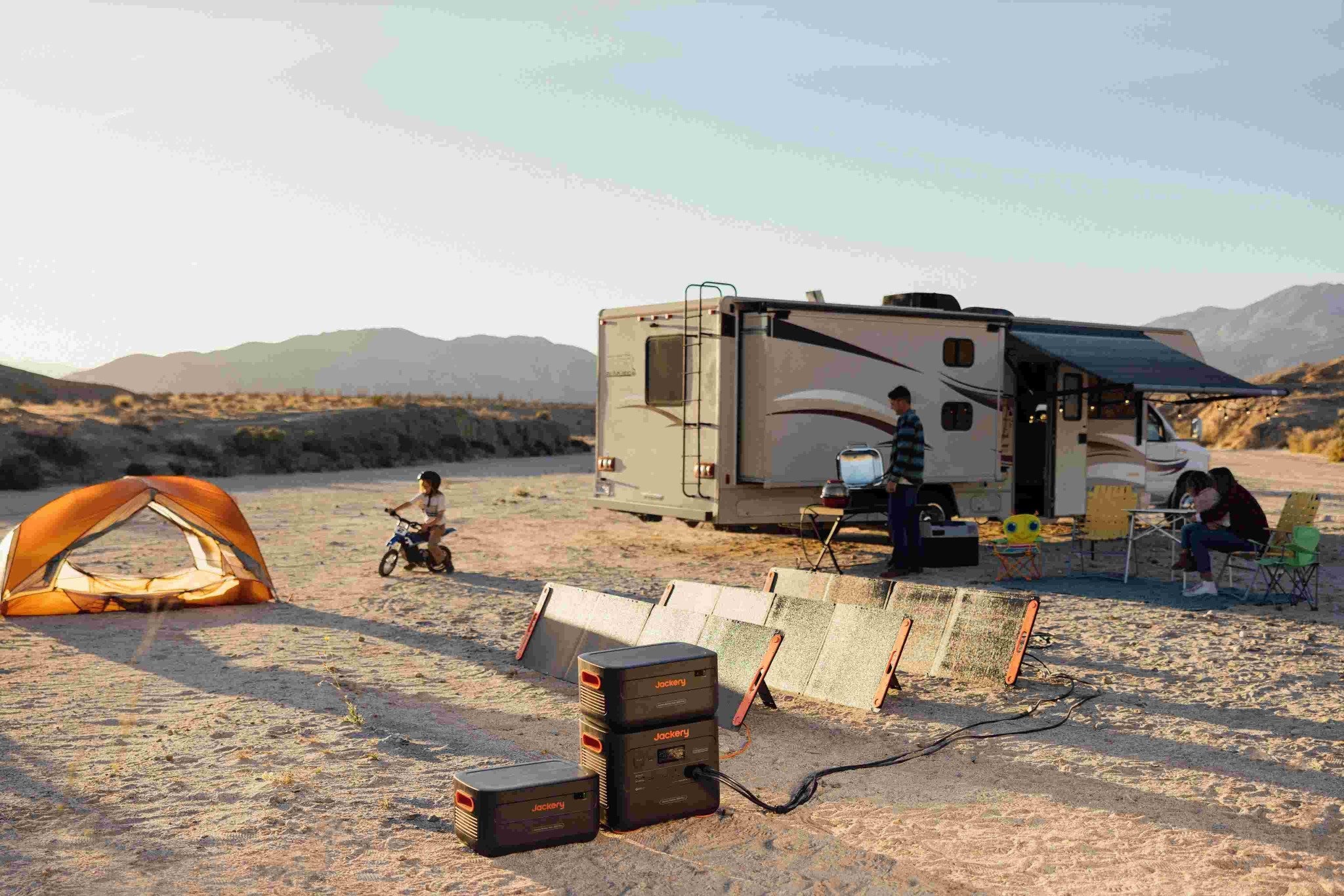
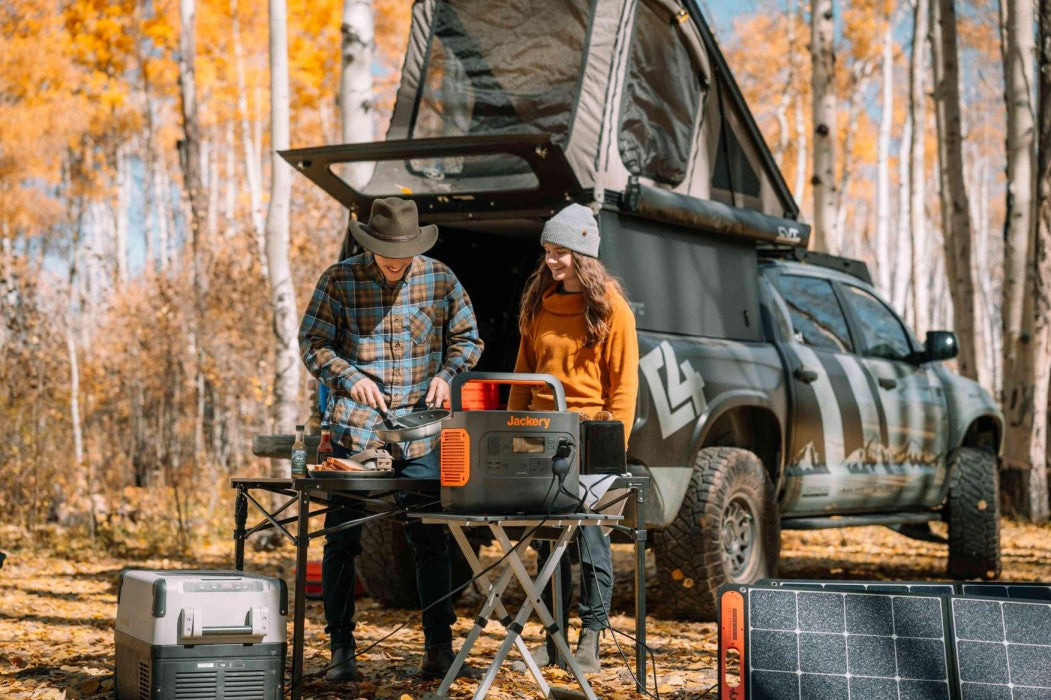
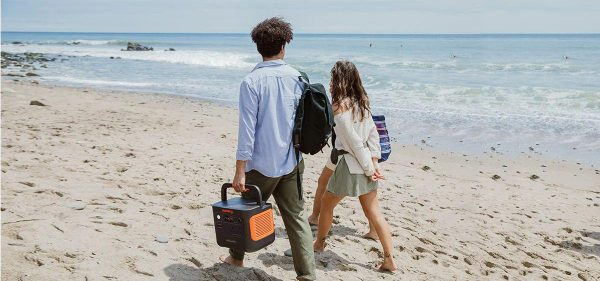
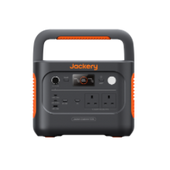
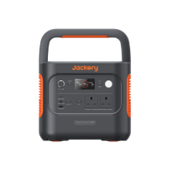
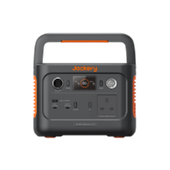
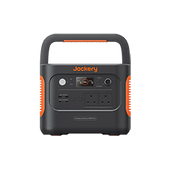
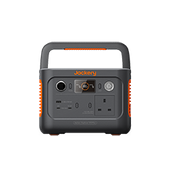
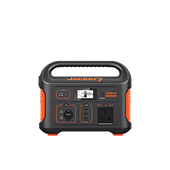
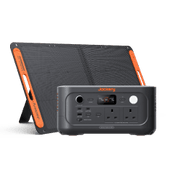
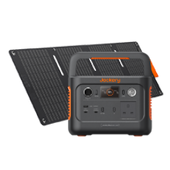
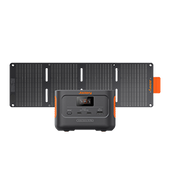
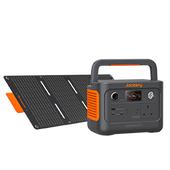
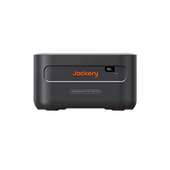
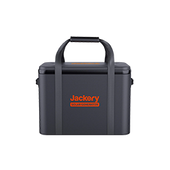
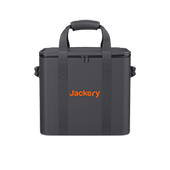
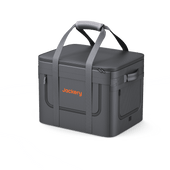
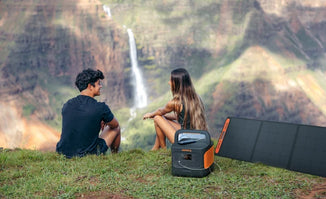
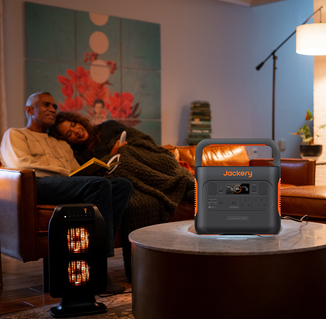
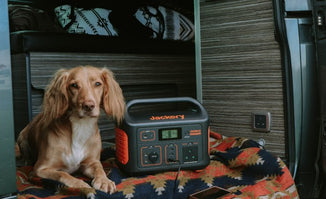
A portable power station allows guests to run electronics like projectors, laptops, and coffee makers in off-grid units without relying on the site's limited solar setup.
- Safety: Only use power stations on stable, dry surfaces. Follow host rules regarding generators (gas generators are usually banned due to noise, but battery units are silent and safe).
Choosing the Right Capacity
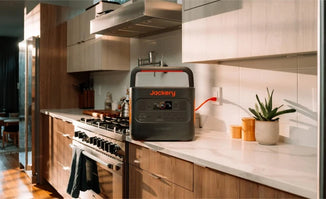
Versatile / Mid-Range Needs For running a coffee maker (approx. 1120W), a movie projector, or a portable fridge for a weekend, a balance of portability and power is required.
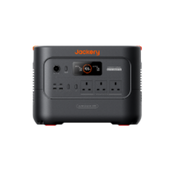
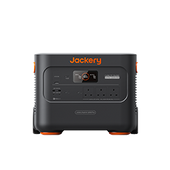
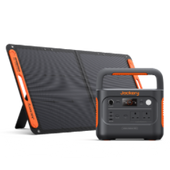
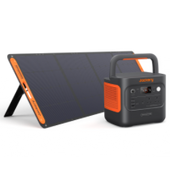
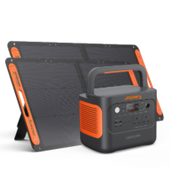
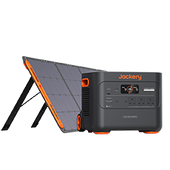
- Solution: Jackery Solar Generator 2000 v2
- Specs: 2042Wh capacity, 2200W output.
- Benefit: The Jackery Explorer 2000 v2 is the lightest and smallest 2kWh LFP power station on the market at just 17.5 kg. This unit charges 0-100% in 1.7 hours (Standard) or 1.33 hours (Emergency Super Charging) via AC wall outlet.
Extended Off-Grid / High Demand Multi-day stays requiring power for electric grills, travel kettles, or medical devices like a CPAP machine need higher capacity.
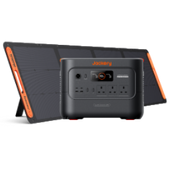
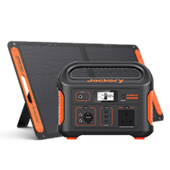
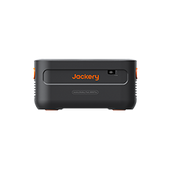
- Solution: Jackery Solar Generator 3000 v2
- Specs: 3072Wh capacity, 3600W output.
- Benefit: The 3600W output can handle 99% of appliances, including high-draw travel kettles (850W) for approximately 2.5 hours continuously. The 3000 v2 is the lightest and most compact 3kWh LFP power station on the market (27 kg).
Solar Charging
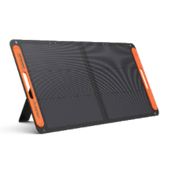
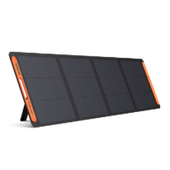
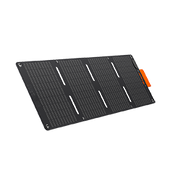
Solar charging is essential for off-grid stays longer than two days without mains access. Portable panels must have clear sky exposure, away from the shade of the glamping unit or nearby trees.
Festival goers can consult our Glastonbury glamping guide for specific solar setups and power management tips.
Planning Your Glamping Trip
Booking Strategy
- Timing: Booking 3-6 months ahead is necessary for summer weekends and bank holidays.
- Shoulder Season: April and September offer lower rates and better availability, though weather is cooler.
Pre-booking Questions
Guests should ask these questions directly before paying:
- Is bedding and toweling provided, or is it an extra cost?
- Is the hot tub private or shared with other units?
- What is the cancellation policy regarding extreme weather?
Packing Essentials
- Clothing: Waterproofs, hiking boots, and warm layers for evenings are non-negotiable.
- Gear: Headlamps/torches (sites are often unlit at night), power banks, and a first-aid kit.
- Kitchen: Coffee/tea, spices, oil, and biodegradable soap are needed for self-catering.
- Tech: Charging cables and adapters for car or solar units.
- Contingency: A rainy day plan is advisable. Identify local museums, spas, or cozy pubs nearby.
Conclusion
Matching accommodation types to group needs ensures a successful trip. A pod is perfect for a couple, while a lodge suits a family reunion. Amenities like power, water, and heat must be confirmed directly with the host before booking to avoid surprises.
Recent guest reviews provide the most accurate picture of cleanliness and comfort. Travelers seeking specialized views can explore star gazing pods UK for unique options. Finally, act responsibly by supporting local businesses and leaving no trace to preserve Northern Ireland's stunning landscapes.
Frequently Asked Questions
How does glamping in Northern Ireland compare to other UK regions?
Northern Ireland glamping offers a compact experience where mountains are within a 90-minute drive of the coast. The sites are often smaller and more integrated into working farms or estates compared to larger English holiday parks.
Are there any specific regulations or permits needed for glamping in NI?
Guests do not need permits for glamping, though site owners must adhere to planning permission and tourism certification. Look for Tourism NI certified establishments to ensure safety and quality standards are met.
What's the best way to find last-minute glamping deals in Northern Ireland?
Last-minute deals often appear on social media 24-48 hours before weekends due to cancellations. Booking mid-week (Tuesday-Thursday) often yields significant discounts and better availability.
Can I bring my pet to glamping sites in Northern Ireland?
Pet-friendly glamping sites often charge an extra cleaning fee (£10-£20). Sites on working farms may strictly forbid dogs due to livestock, so checking in advance is mandatory.
What local food experiences can I expect when glamping in Northern Ireland?
Local food experiences include farm shops selling artisan cheeses, breads, and meats near many glamping sites. Coastal areas offer fresh seafood, while the Fermanagh Lakelands are known for excellent dairy and pork.