































Europe's largest campsite, Shell Island covers 450 acres of North Wales coastline near Harlech. This unique peninsula offers wild camping freedom within a managed site, but tidal causeways restrict access and the lack of electric hook-ups demands self-sufficiency.
Successful shell island camping requires handling tides and off-grid power. This guide covers the essential strategies for navigating the causeway, finding the best pitch, and keeping your gear charged.
Pre-Trip Checklist:
- Check Tide Tables: Access is physically blocked at high tide. Know your crossing window.
- Energy Audit: Calculate the watt-hours required for your devices; there is no grid power.
- Virtual Scouting: Review satellite maps to identify sheltered dune pockets.
- Sand Gear: Pack long sand pegs and a windbreak; standard pegs will fail in the dunes.
- Packing List: Review our ultimate camping must-haves with checklist to ensure you have essential off-grid gear.
1. Discovering Shell Island: A Unique UK Camping Experience
Shell Island operates without allocated pitches, distinguishing it from standard holiday parks. You drive in, find a spot that looks good, and set up camp. This freedom allows you to camp right next to the beach, tucked into the dunes, or high on the ridge. While it mimics wild camping, the site includes essential facilities like water and toilets, ranking it highly among the 10 best campsites in North Wales for scenic views.
Weather Reality
The island is exposed to coastal elements. When winds hit the peninsula, there are no trees to break the gusts. Tents must be robust, and windbreaks are mandatory. Rain can turn the grassy tracks soft quickly. Always check the Met Office forecast for Llanbedr or the specific coastal area before departing.
Crowd Dynamics
Prime beachfront locations fill instantly on Fridays despite the site's massive size. Arriving mid-week or strictly avoiding bank holidays is the only way to guarantee a secluded spot. If you arrive late on a Friday, expect to camp further inland or in the busier main fields.
Live Intel
Ground conditions on Shell Island change weekly. Sand softness and mud levels vary based on recent weather. Check recent Instagram location tags or the Shell Island Facebook page for real-time reports from current campers before you pack your car.
2. Choosing Your Perfect Pitch
Pitches have strictly first come, first served, meaning you cannot reserve a specific spot. Upon arrival, you need a tactical approach to find the best balance between views, shelter, and facility access.
Zone Comparison
Different areas of the island offer vastly different experiences. Use this table to choose your zone:
|
Zone |
Pros |
Cons |
|
Dune Edge |
Best wind shelter and privacy. |
Sandy ground; risk of vehicles getting stuck; sand gets everywhere. |
|
Estuary Side |
Stunning sunrise views over mountains. |
More exposed to wind; ground can be wetter than high dunes. |
|
High Ground |
Excellent drainage; best panoramic views. |
Exposed to wind (tents act as sails); further from beach. |
|
Facilities Radius |
Close to toilets and water (good for kids). |
High foot traffic; less privacy; noisier. |
Navigation and Maps
Paper maps provided at the toll gate do not show elevation or sand density. Using a digital Shell island camping map via satellite view (Google Earth) helps you identify established tracks versus soft sand traps. Save these maps offline before you cross the causeway; 4G signal drops frequently in the remote dune hollows. Follow on-site signage strictly physical boundaries change due to tidal erosion and conservation zones.
3. Booking Essentials and Cost Planning
Pre-booking your entry is essential, even though you pick your own spot. The site has a strict capacity limit. If you turn up without a booking during a heatwave bank holiday, you may be turned away.
Arrival Logistics
Vehicle access is impossible when the tide is high. The causeway floods twice a day, blocking the only road in and out. You must coordinate your arrival strictly around low tide windows. If you arrive during high tide, you will wait in a car park on the mainland until the water recedes.
Fee Structure
Shell Island camping prices are calculated per person, per night, rather than a flat pitch fee. There are often additional charges for large vehicles or gazebos. Always verify the current seasonal rates on the official website to avoid surprises at the toll gate.
Payment Methods
The toll gate and main shops accept cards, but signal failures can happen. Carry enough cash for small purchases or emergency supplies.
4. Essential Facilities and Amenities
Shell Island strikes a balance between a wild atmosphere and civilized amenities.
- Sanitation: Toilet and shower blocks are located centrally and at key points across the island. They are communal and basic.
- Peak Times: Morning shower queues (8:00 AM – 10:00 AM) are notorious. Shower in the afternoon to walk straight in.
- Shops: A well-stocked supermarket and camping shop are on-site. They sell everything from fresh milk to spare tent pegs, though prices reflect the convenience.
- Water Access: Fresh water taps are dotted around the main tracks. Bring a large jerry can (10-20L) to reduce the number of trips you make.
Understanding Free Amenities
Campers often search for Shell Island camping free options, but the site is private land with no free camping. However, once you pay your entry fees, use of the showers, water points, and waste disposal is included. Services like laundry or dedicated device charging lockers (if available) will incur extra costs.

5. Powering Your Adventure: No Hook-ups, Smart Planning
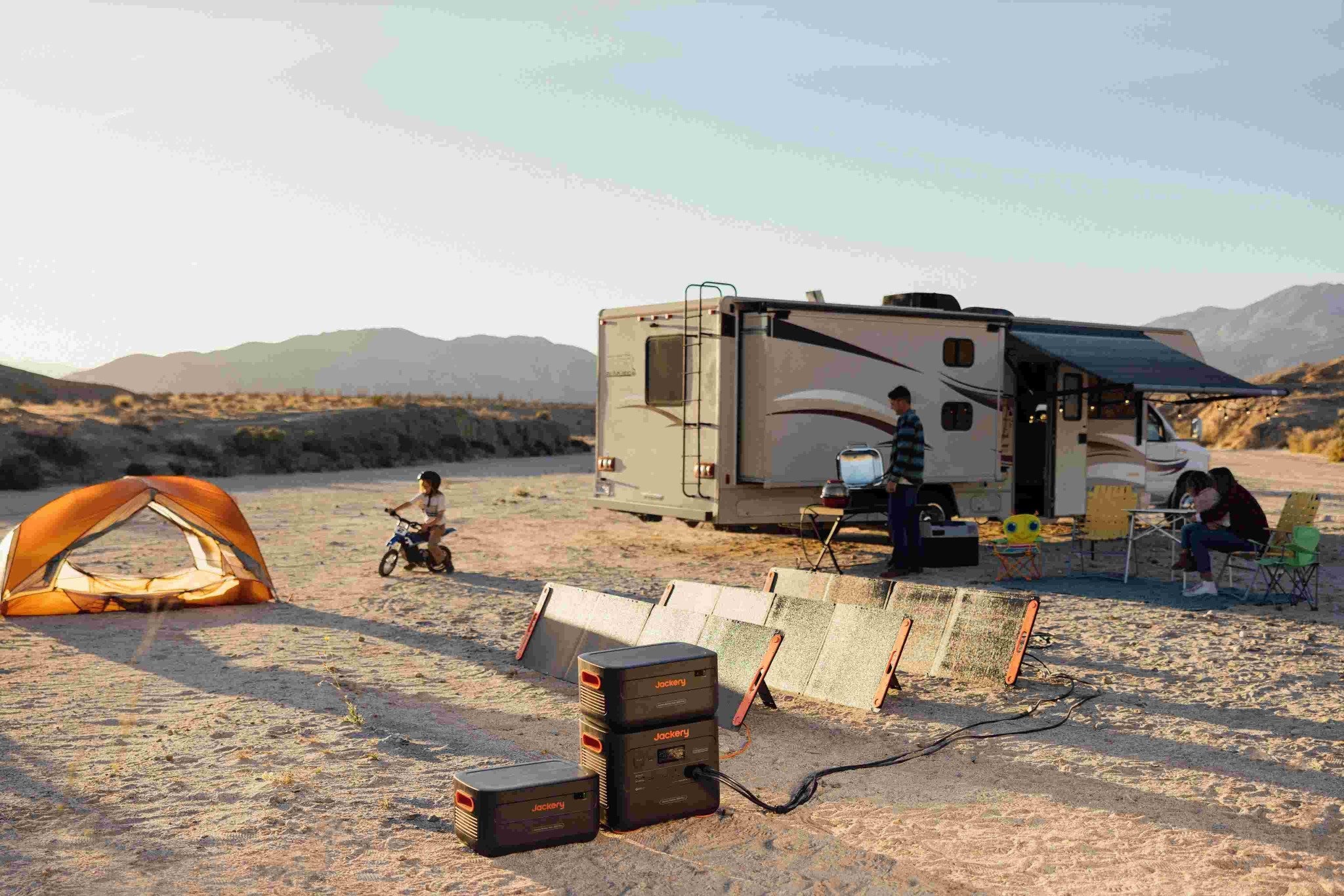
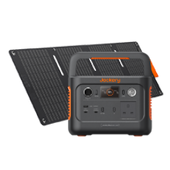
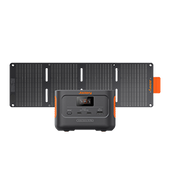
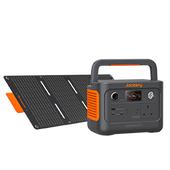
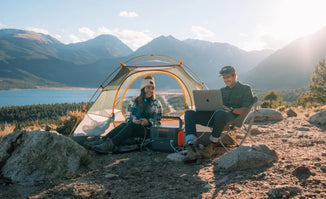
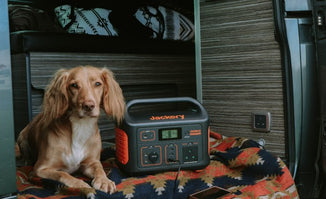
Shell Island has zero electric hook-ups available for campers. Petrol generators are generally restricted or prohibited due to noise pollution rules. To keep phones, lights, and cool boxes running, you need a solar generator.
The Energy Audit
List every device you plan to use to determine your power needs before departure.
|
Device |
Estimated Power Draw |
|
Smartphone |
~15Wh per charge |
|
Electric Cool Box |
~40-60W continuous (eco-mode helps) |
|
LED Lighting |
~5-10W |
|
Air Bed Pump |
~100W (short burst) |
Calculate your total daily watt-hour (Wh) needs. If you need 500Wh per day and stay for three days, you need at least 1500Wh of capacity or a robust solar charging setup.
Solar Generator Solutions
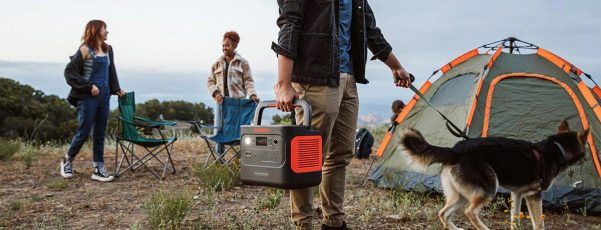
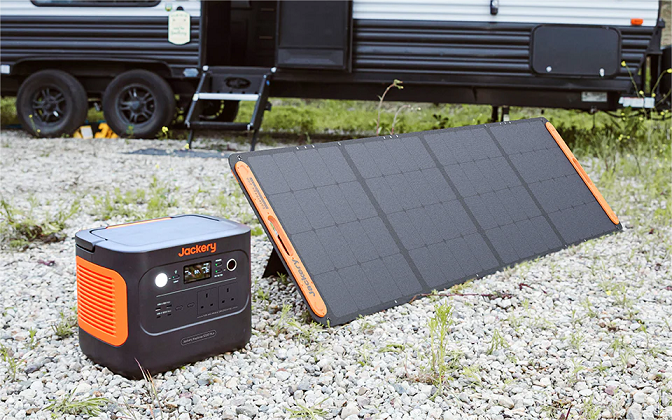
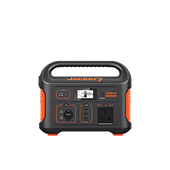
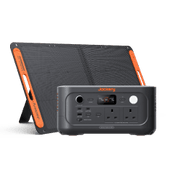
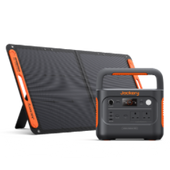
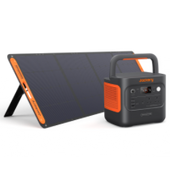
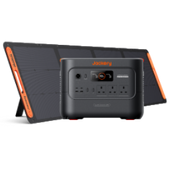
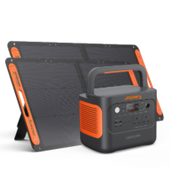
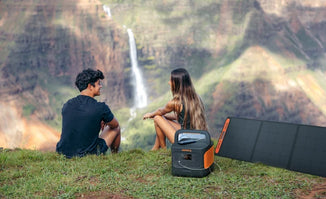
Portable power stations paired with solar panels provide silent, compliant off-grid energy.
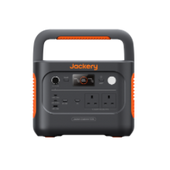
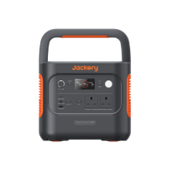
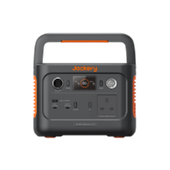
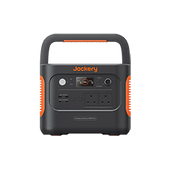
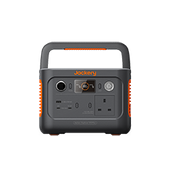
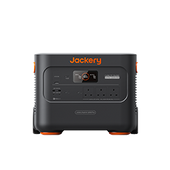
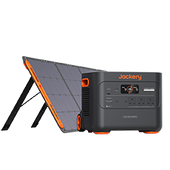
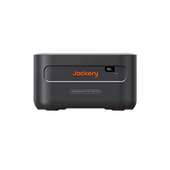
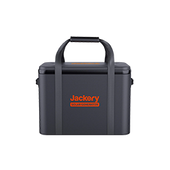
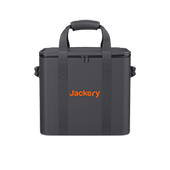
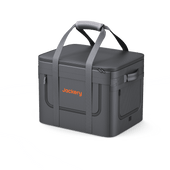
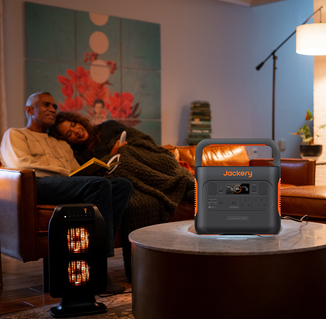
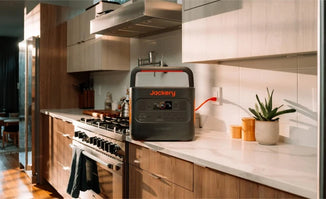
For Weekend Family Trips: The Jackery Solar Generator 2000 v2 provides the ideal balance of portability and power for 2-3 day trips.
- Capacity: 2042Wh (Enough to run a 90W portable refrigerator for 15 hours continuously).
- Output: 2200W (Easily handles kettles or hair dryers).
- Charging: Recharges via AC wall outlet in just 1.7 hours (Standard) or 1.33 hours (Emergency Super Charging). This unit fits easily in a car boot and ensures you can keep phones charged and food fresh for a long weekend.
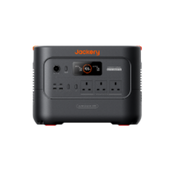
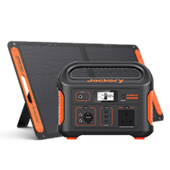
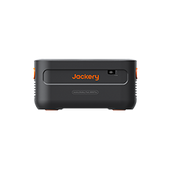
For Extended Stays: The Jackery Solar Generator 3000 v2 is the powerhouse solution for week-long stays or heavy-duty appliances.
- Capacity: 3072Wh.
- Output: 3600W (Surge 7200W).
- Mobility: It is the lightest and most compact 3kWh LFP power station on the market (27 kg), making it manageable to move to your pitch. This model provides energy independence, allowing you to run coffee makers, electric grills, and multiple devices simultaneously.
Solar Realities in Wales
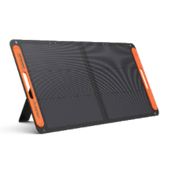
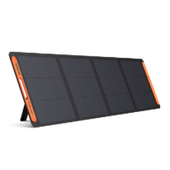
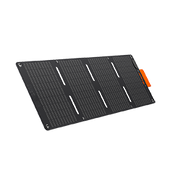
Solar input varies wildly on the Welsh coast. A 200W panel might only generate 100W on a hazy day. Size your battery to last 2-3 days without full sun. Move your portable panels throughout the day to track the sun's arc for maximum efficiency.
Safety & Etiquette
- Cable Management: Keep cables out of wet sand and walkways. Saltwater damages connectors instantly.
- Noise: Solar generators are silent. This respects the quiet enjoyment policy of the island, unlike noisy petrol generators which annoy neighbors.
6. Rules, Safety, and Etiquette
Causeway Rules
Never attempt to cross the causeway once the water touches the road. Saltwater ruins cars, and cars float. If the tide is coming in, wait. Emergency services cannot easily reach you if you get stuck halfway.
Fire Safety
Open fires are strictly regulated on the island. Usually, they are only permitted on the beach below the high tide mark, not in the dunes where the grass is dry and flammable. Check the current bylaws at reception upon arrival.
Quiet Hours
Respect the 10 PM to 8 AM noise curfew. Sound travels incredibly far in the open dune environment.
Emergency Prep
Save the reception number and local emergency contacts in your phone. Know where the nearest defibrillator is (usually at the main centre). Have an evacuation plan: if a severe gale or flood warning is issued, be ready to pack down and leave the island immediately.
7. Practical Packing Lists
Shelter
- Wind-resistant tent (low profile is better).
- Extra guy lines and a mallet.
- Sand pegs: Essential. Standard metal pins will rip out of the sand in a breeze.
Comfort
- Warm sleeping bags (nights are cold, even in July).
- Windbreaks (create a shelter for cooking).
- Sturdy camping chairs.
Power
- Jackery Solar Generator 2000 v2 (fully charged).
- Portable Solar Panels (e.g., Jackery SolarSaga).
- Device charging cables.
Hygiene
- Biodegradable soap.
- Quick-dry towels.
- Portable toilet (optional, but convenient for remote pitches).
Safety
- First aid kit.
- Headtorches with spare batteries (it is pitch black at night).
- Printed tide table.
8. Pro Tips From Experienced Campers
- Scout First: Park near reception temporarily. Walk to scout pitches before committing your vehicle. Getting stuck in sand is a common way to ruin a trip.
- Wind Orientation: Pitch the rear of your tent into the prevailing wind (usually South-West).
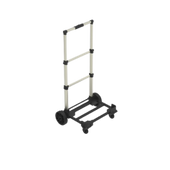
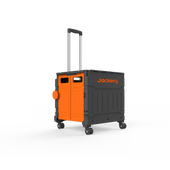
- Water Storage: Bring a rolling water carrier. Carrying 20kg of water across soft sand is exhausting.
- Off-Peak Arrival: Arrive on a weekday if possible. The causeway crossing is calmer, and you have the pick of the best spots.
- Solar Setup: Even on cloudy days, high-efficiency panels can trickle charge your station. Keep the panels clean of salt spray for best performance.
Conclusion
Shell Island offers a rewarding, self-sufficient coastal challenge in Wales. Success hinges on respecting tides and wind and managing power needs. Essential gear, like sand pegs and a Jackery Solar Generator 2000 v2, ensures a comfortable adventure. Always verify prices and tide times on the official site.
9. Frequently Asked Questions
Can I bring my dog?
Yes, but they must be kept on a lead in camping fields to protect livestock. Dogs can run free in designated beach areas.
Are campfires or BBQs allowed?
BBQs are permitted if raised off the grass. Open fires are strictly limited to the beach below the high-tide mark; fires in dunes or fields are prohibited.
How is the mobile signal?
Patchy. EE and Three often work best. Expect 4G near the shops, but dead zones are common in the dunes.
Is there public transport?
It is limited. Llanbedr train station is a 2-mile walk away. A car is strongly recommended for transporting gear.
Can I charge devices without a solar generator?
Charging lockers at the centre are scarce and cost a fee. Bringing your own power source is the only reliable option.