






















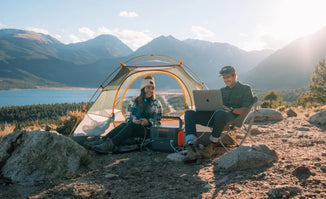


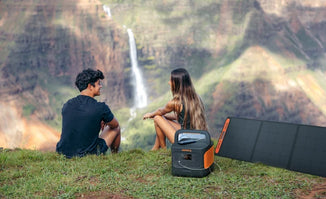


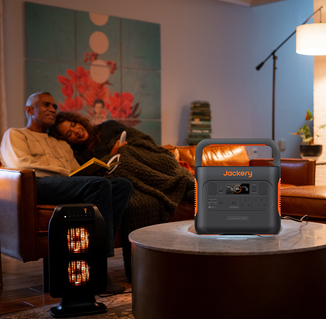




Spring camping is one of the best ways to get back outdoors after winter. The days are longer, campsites feel fresher, and many parts of the UK look at their best as woodland flowers bloom, trees begin to leaf out, and walking routes come back to life.
At the same time, spring camping in the UK is not always easy. The ground often stays colder than many people expect, and a trip that looks simple on paper can feel uncomfortable if you bring the wrong sleeping kit or choose the wrong pitch.
This guide covers the essentials, practical tips, detailed packing advice, and some of the best spring camping destinations in the UK. It also explains how a portable power setup, such as the Jackery Solar Generator, can make your trip easier without feeling like unnecessary extra kit.
|
Key Takeaways: |
|
Why Spring Camping Is Worth It?
Spring has a different feel from summer camping. It is often quieter, calmer, and more scenic. Popular sites are not always as crowded, traffic is usually lighter outside peak holiday weeks, and many natural areas feel more open and peaceful. If you enjoy walking, photography, birdwatching, cycling, or simply sitting outside with a hot drink while everything feels green again, spring is a rewarding time to camp.
In summer, many people plan their camping around long family holidays, festivals, or school breaks. In spring, a short weekend can still feel worthwhile. You do not need a full week away to get the benefit. A one- or two-night trip can be enough to reset after winter and ease back into outdoor life.
Spring camping also suits campers who like variety. One weekend might be a woodland pitch with bluebells nearby, while the next might be a coastal campsite with breezy cliff walks and long sunsets. That variety is part of what makes spring appealing.
What Spring Camping Weather Is Really Like in the UK?
The weather is the main reason spring camping needs a bit more thought. In the UK, spring usually means change rather than stability. March can still feel close to winter. April can be mild and bright one day, then windy and wet the next. May often feels more reliable, but nights can still turn chilly, especially in open countryside, coastal areas, or higher ground.
The key thing many campers forget is that spring discomfort often comes from dampness and cold ground rather than dramatic bad weather. Even when the daytime temperature looks fine, the ground may still hold winter cold. That cold works its way through a thin mat, a lightweight sleeping bag, or damp clothing left out overnight. This is why spring camping gear needs to focus on warmth, dryness, and flexibility rather than pure lightness.
You should also think about wind. A spring day may not look extreme on a weather app, but an exposed pitch can still feel unpleasant if the wind picks up in the evening. A sheltered campsite, a well-pitched tent, and proper waterproof layers can make a huge difference to comfort.
How to Prepare for Spring Camping in the UK?
Preparing for spring camping in the UK takes a little more thought than packing for a summer trip. The weather can change quickly, with mild afternoons, cold nights, rain, and strong winds all possible in a single weekend. A bit of planning before you leave, from checking your gear to choosing the right clothing and campsite, can make the difference between a damp, uncomfortable trip and a relaxing start to the camping season.

Tip 1: Check the Campsite Opening Dates
Not every campsite runs at full capacity all year. Some reopen in spring with limited facilities at first, while others may have partial access depending on the weather. Before you set off, check whether toilets, showers, washing-up areas, electric hook-up points, or food services are actually operating. This matters even more if you are camping with children or planning a more comfortable setup.
Tip 2: Book Early for Popular Weekends
Spring bank holidays, Easter, and sunny weekends can fill quickly, especially in well-known areas such as Cornwall, the Lake District, the New Forest, and North Wales. If you want a specific site or a better pitch, it is worth booking ahead rather than assuming spring will always be quiet.
Tip 3: Test Your Gear Before the Trip
Spring is not the best time to discover that your tent leaks, your stove will not ignite, or your sleeping mat no longer holds air. If this is your first trip of the year, set up your tent at home first. Check the zips, pegs, guylines, poles, and waterproofing. Air out your sleeping bag and inspect it for damp or mould. Test lights, batteries, power cables, and cooking gear.
Tip 4: Plan for Wet Setup Conditions
Spring rain is not unusual, so think about how you will manage if you arrive at the campsite in drizzle. Keep waterproofs near the top of your bag or in the car boot where they are easy to reach. Pack dry clothes in separate bags. Bring a groundsheet or tarp so you have a drier place to unload and organise your gear.
Tip 5: Build Your Trip around Comfort, Not Ambition
A common spring mistake is planning too much. You do not need a perfect outdoor adventure with a huge hike, elaborate camp cooking, and a packed schedule. If the weather turns, simple is better. A short walk, a good campsite, warm food, and a comfortable place to sleep often make for a better spring trip than trying to do too much.
How to Choose the Right Spring Campsite?
Choosing the right spring campsite can shape your whole trip. In this season, it is not only about the scenery but also about comfort, shelter, and how well the site works in changeable weather. A well-chosen campsite can make spring camping feel easy and enjoyable, while the wrong one can quickly become cold, damp, and inconvenient.

Look for Shelter
A site that feels lovely in summer may be far less enjoyable in spring if it is wide open to wind. Trees, hedges, natural rises, and well-planned pitch layouts can help create shelter. You do not need a fully enclosed site, but some protection from the wind makes a noticeable difference.
Think about Drainage
A spring pitch needs good drainage. Flat grass can look ideal until rain turns it boggy. Try to choose ground that is slightly raised rather than low and waterlogged. Avoid obvious dips where water may gather during a downpour.
Match the Site to Your Camping Style
If you are travelling light and like simple setups, a basic campsite may suit you perfectly. If you are camping with children, a dog, or a lot of gear, better facilities can make the trip much easier. Heated washrooms, drying rooms, nearby parking, and covered washing-up spaces all matter more in spring than they often do in warm summer weather.
Check What Is Nearby
In spring, a campsite works even better when there is something close by in case conditions change. A good pub, café, village shop, indoor attraction, or short scenic walk can save the day if the weather becomes less inviting.
Consider Your First Trip of the Season
If it is your first camping trip since winter, it usually makes sense to choose a site that is easy rather than extreme. A well-run campsite with decent facilities and simple access helps you ease back into camping without turning the first trip into a test of endurance.
Common Spring Camping Mistakes to Avoid
Spring camping can be one of the most enjoyable times to get outdoors, but it also comes with a few easy-to-make mistakes. Changeable weather, damp ground, and colder nights can catch campers off guard if they are not prepared. Knowing the most common spring camping mistakes in advance can help you stay comfortable, avoid unnecessary stress, and make the most of your trip.
Packing for a Sunny Forecast Only
A bright forecast can be misleading in spring. Even if the day looks mild, evenings can still turn cold, and one shower can leave you wet and uncomfortable if you do not have waterproofs or spare layers.
Underestimating the Cold Ground
Many campers focus on the sleeping bag and ignore the mat. In spring, the mat matters just as much. Without decent insulation underneath you, the night can feel much colder than expected.
Choosing Style Over Practicality
It is tempting to start the season with a minimal, Instagram-friendly setup. In reality, spring camping is the season for practical decisions. A dry porch area, a proper waterproof jacket, and an easy hot meal are worth much more than trying to camp with the lightest or prettiest setup.
Arriving Too Late
Spring conditions are usually easier to manage if you arrive with enough daylight to pitch carefully and sort your gear before the temperature drops. Arriving late, wet, and tired is one of the quickest ways to make the trip feel stressful.
Forgetting Backup Plans
Spring camping improves instantly when you have a Plan B. That might be a nearby café, a short indoor stop, card games for the tent, or a simpler dinner idea if it is too wet to cook comfortably outside.
Spring Camping Essentials Checklist
It's a good idea to go over your spring camping essentials in advance if you're roughing it in a tent. Examine your tent, sleeping bag, air mattress, and other items for rips, mold, or further damage. Make sure everything you'll need for camping is in working order by giving it a test run.
Make sure your tent and sleeping bag is designed for usage in cold weather and are water resistant. A spring camping checklist should cover warmth, weather protection, comfort, and basic safety. Here is a more detailed version that is useful for UK conditions.

Shelter and Sleeping Kit
- 3-season tent
- Footprint or properly sized groundsheet
- Strong pegs and spare guylines
- Warm sleeping bag suitable for chilly nights
- Insulated sleeping mat
- Camping pillow
- Extra blanket or liner for colder evenings
- Tarp or shelter for wet weather
Your sleep setup is where spring comfort begins. Even if you spend most of the day walking or exploring, the trip is much less enjoyable if you are cold overnight. A decent mat can matter just as much as the sleeping bag because it protects you from the cold ground underneath.
Clothing
- Moisture-wicking base layers
- Fleece or insulated mid-layer
- Waterproof jacket
- Walking trousers
- Spare socks
- Warm hat for the evening
- Gloves if nights are still cold
- Waterproof boots or sturdy shoes
- Comfortable camp clothes for inside the tent
Layering is the best approach in spring because the temperature can change so much across a single day. You want clothing you can add and remove easily rather than relying on one bulky item.
Cooking and Food
- Stove and fuel
- Lighter and waterproof matches
- Pan, kettle, mugs, bowls, and cutlery
- Water bottles or water carrier
- Washing-up kit
- Tea, coffee, porridge, soup, pasta, or other simple hot meals
- Snacks that are easy to grab during walks
Spring camping meals should be easy, warm, and low effort. Hot food and drinks do more than keep you fed. They make the campsite feel comfortable, especially when the weather turns.
Safety and Practical Extras
- First aid kit
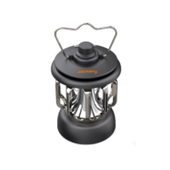
- Head torch or lantern
- Spare batteries or rechargeable lighting
- Toilet paper and toiletries
- Hand sanitiser and wipes
- Map or offline navigation
- Multitool
- Tent repair kit
- Bin bags
- Dry bags for clothing or electronics
These items often get overlooked, but they are the things that save the trip when something small goes wrong. A repair kit, extra bin bags, and proper lighting are far more important than many first-time campers expect.
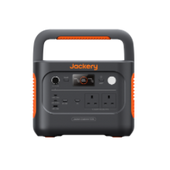
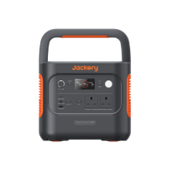
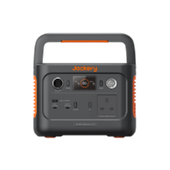
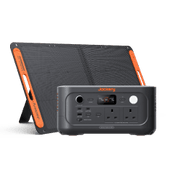
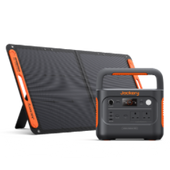
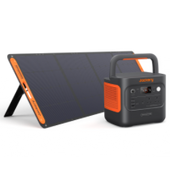
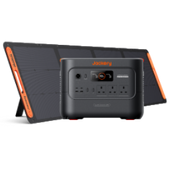
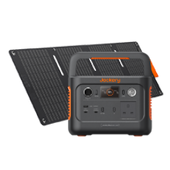
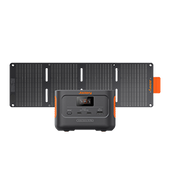
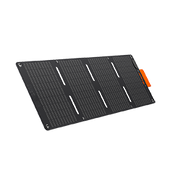
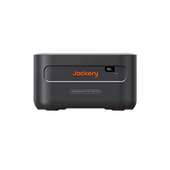
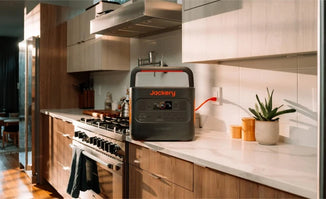
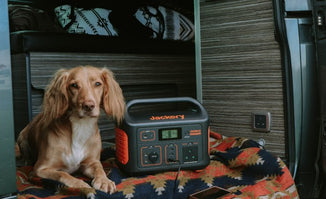
Jackery empowers outdoor adventure by enabling clean charging efficiency and accessibility on or off the grid. Jackery is the leading maker of portable electricity and one of the world's largest producers of outdoor solar utilities. Jackery Solar Generator can technically refer to a solar solution that combines a portable power station with solar panels. It converts sun energy captured by solar panels into electrical power and then stores it in a portable power station for later use. For spring camping, Jackery Solar Generator 1000 v2 and Jackery Solar Generator 500 v2 are highly recommended.
What to Eat on a Spring Camping Trip?
Warm food and easy drinks help you stay comfortable and settle into camp quickly.
For breakfast, keep things simple. Porridge, hot chocolate, tea, coffee, pastries, or breakfast wraps work well. For dinner, one-pot meals are usually the best choice. Pasta, noodles, soup, chilli, curry, and simple rice dishes are easy to cook and easy to clean up afterwards.
It also helps to separate your food into three groups:
- Quick snacks for walks and setup time
- Easy hot drinks for warmth and comfort
- One dependable evening meal that does not rely on lots of prep
Spring is not the ideal season for complicated camp cooking unless you really enjoy it. Most campers are happier with meals that are warm, filling, and fast.
>> Check Spring Camping Essentials Checklist PDF
Top Destinations for Spring Camping in the UK
Spring is a great time for camping in the UK, with longer, brighter days and moderately warm weather. The UK has great options for camping for every taste, including wild woods, coastal areas, rivers and soaring mountains, theme parks, etc.

1. New Forest National Park, Hampshire
The New Forest is one of the easiest spring camping destinations to recommend because it offers a strong mix of woodland, open heathland, wildlife, quiet roads, and coastal access. In spring, the landscape feels especially fresh, and it suits campers who want a balance of gentle outdoor activity and scenic relaxation.
What makes it work so well is variety. You can spend one day walking through woodland, the next cycling along quiet routes, and another exploring villages or nearby coastline. It also feels distinctly different from many other UK camping areas because of its free-roaming animals and open natural spaces.
- Location: New Forest National Park Authority, Lymington Town Hall, Avenue Road, Lymington, SO41 9ZG
- Phone: 01590 646600
- Best Campsites: Hollands Wood Campsite, New Forest
- Activities: Walking, cycling, itineraries, spotting wildlife, family activities, history, and culture
- Best for: Couples, families, first spring trips of the year, walking and cycling weekends
2. Cairngorms National Park, Scotland
The Cairngorms are a stronger choice for campers who want a more dramatic spring trip. This is a destination for bigger scenery, mountain views, wildlife, rivers, and a stronger sense of outdoor adventure. It suits people who enjoy walking, photography, wildlife watching, and active trips built around the landscape.
The Cairngorms National Park is a perfect spring camping offering exciting opportunities with winding rivers and soaring mountains. It's the largest national park, with over 4,500 square kilometers area. Spring is the best season for visiting this park because of the flourishing green fields and plants shining in all vibrant colors.
- Location: Cairngorms, Ballater, UK
- Phone: +44 1479 873535
- Best Campsites: Braemar Caravan Park and Camping Pods, Glenmore Caravan, and Camping site
- Activities: Experiences, walking & hiking, mountain biking & cycling, snowsports, water activities, climbing & mountaineering
- Best for: Experienced campers, walkers and hikers, nature lovers, scenic multi-day trips
3. Rhyd y Galen, North Wales
Rhyd y Galen is a good option if you want a practical base rather than a remote-feeling camp. It works particularly well for campers who want access to both mountain and coastal day trips without changing location. The setting gives you a quieter campsite experience while keeping major attractions nearby.
Rhyd y Galen is a quiet, scenic caravan and parks perfect for spring camping. It is beautiful, with vast natural field views, mountains, and lakes, and even the seaside is a few minutes drive away. You can also enjoy leisure and outdoor activities, Wi-Fi-free play areas, and more. It is a fabulous combination of nature, taking you away from the city's hustle and bustle while providing you with all the required facilities.
- Location: B4366, Bethel, Caernarfon LL55 1UL, United Kingdom
- Phone: +44 1248 671114
- Activities: Sailing, surfing, historical sites
- Best for: Families, campers who want facilities, mixed mountain-and-coast trips, people who want a calm base camp
4. Savernake Forest, Wiltshire
Savernake Forest is ideal for campers who prefer a quieter, slower style of spring camping. It is a strong pick for woodland walks, ancient trees, a more reflective atmosphere, and a trip that feels calm rather than packed with activity.
Savernake is one of England's stunning ancient forests. If you are a naturalist, this is the best treat for you with various towering ancient trees, including oak, beech, and hazel. The famous Big Bellied Oak, one of the world's oldest trees, is also there. You will love the sounds of woodpeckers, firefinch, and other birds around you and enjoy seeing wildlife here.
This destination suits people who want to enjoy the season itself. Instead of treating camping as just a base for big adventures, Savernake allows the campsite and the surrounding forest to become the main attraction. In spring, that can be exactly the right pace.
- Location: Marlborough, UK
- Phone: 0300 067 4800
- Best Campsites: Postern Hill Campsite
- Activities: Forest find, walking, wildlife
- Best for: Woodland lovers, quiet weekends away, spring walking and photography, slower-paced camping trips
5. Godrevy Park, Cornwall
Godrevy Park is a strong coastal option for spring campers who want fresh sea air, beautiful views, and easy access to scenic paths and Cornish villages. It gives you that classic spring feeling of brighter skies, breezy coastal walks, and evenings that still feel adventurous rather than crowded.
Godrevy Park Caravan and Motorhome Club is a candidate for the best camping sites in the UK because it has many attractions, including exploration in scenic raw natural settings and access to nearby villages. You will easily access the many quaint Cornish fishing villages along the coastline, e.g., Coverack, Cadgwith, Mullion, Newlyn, Porthleven, and Mousehole. You can also climb towards St. Micheal's Mount and wander around Glendurgan and Trelissick gardens.
A coastal campsite works well in spring because it can feel open and refreshing after winter. Cornwall also suits a slower travel style where the trip is built around beaches, villages, short walks, and scenic drives rather than one fixed activity.
- Location: Upton Towans, Hayle TR27 5BL, United Kingdom
- Phone: +44 1736 753100
- Activities: Cycling, walking, beach
- Best for: Coastal camping, couples and families, scenic road trips, spring weekends with a holiday feel
Jackery Solar Generators for Spring Camping in the UK
Not every spring camping trip needs a portable power setup, but it can be genuinely useful when you want a little more comfort and flexibility. In spring, you are more likely to rely on your phone for weather updates, route planning, bookings, and navigation. You may also want lighting for longer evenings, power for cameras, a small coffee setup, or charging for laptops and tablets if you are mixing travel with work.
That is where a solar generator, like Jackery Solar Generator, becomes relevant. Instead of treating it as a luxury, it is better to think of it as a practical extra for campers who want to be more self-sufficient. It makes the most sense for car camping, family camping, campervan trips, and longer spring weekends where convenience matters.
A portable power setup also feels more natural in spring than in some other seasons because the weather can be unpredictable. If the trip becomes more tent-based than walk-based because of rain, reliable power can help keep the camp comfortable.
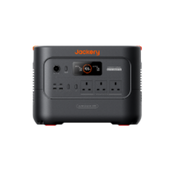
Jackery Solar Generator 1000 v2
The Jackery Solar Generator 1000 v2 is the better option for campers who want more capacity and more flexibility. It suits family camping, longer spring trips, or setups where you expect to power several devices across the day and evening.
With 1070Wh capacity and 1500W output, it is designed for campers who want more than just emergency charging. It is a more capable choice if your trip includes phones, lanterns, cameras, laptops, or a few comfort-focused extras around camp.

Enough Output Power for More Appliances Uses
Spring camping in the UK is not always a simple fair-weather weekend. The 1500W rated output gives the 1000 v2 enough headroom for more demanding camping gear than smaller models, while its mix of AC ports, USB-A, and dual 100W USB-C charging makes it practical for both traditional camping equipment and modern devices.
Easy Storage for Spring Camping
The Explorer 1000 v2 weighs 23.8 lb / 10.8 kg and it as 18% smaller than its predecessor, with a foldable handle for easier carrying and storage. That matters because spring camping in the UK is often car-based rather than ultra-light backpacking. For that style of trip, portability is not only about having the lightest possible unit. It is about having something you can lift easily, store in the boot, and move around camp without too much effort.
Longer Lifespan to Add Value Over Time
the Explorer 1000 v2 uses a LiFePO4 battery, with a stated lifespan of up to 10 years and 4000 charge cycles at 70% capacity. That is important because a spring camping power solution is not usually a one-trip purchase. Many buyers want something they can use for repeated weekends away, summer camping, road trips, festivals, and backup power at home as well. A longer-life battery makes the product more appealing if you want it to stay useful across multiple camping seasons rather than only occasional use.
Safety Features More Suitable for Outdoor Uses
For outdoor gear, safety matters almost as much as power output. The 1000 v2 includes ChargeShield 2.0, 62 protection mechanisms, 12 forms of BMS protection, and 4 forms of physical protection. It also uses LFP cells, which are commonly chosen for durability and stability. For spring camping, that matters because damp conditions, cold mornings, and repeated charging can make buyers more cautious about the power equipment they bring outdoors.
|
Features of Jackery Solar Generator 1000 v2 |
|
|
Capacity |
1070Wh |
|
Cell Chemistry |
LiFePO4 4000 cycles to 70%+ capacity |
|
Weight |
23.8 lbs (10.8 kg) |
|
Dimension |
12.87 × 8.82 × 9.72 in (32.7 × 22.4 × 24.7 cm) |
|
Output Ports |
AC Output: 2 Ports, 230V~ 50Hz, 1500W Rated, 3000W Surge peak USB-A Output: 1 Port, 18W Max, 5-6V⎓3A, 6-9V⎓2A, 9-12V⎓1.5A USB-C Output: 2 Ports, USB-C1: 30W Max, 5V⎓3A, 9V⎓3A, 12V⎓2.5A, 15V⎓2A, 20V⎓1.5A, USB-C2: 100W Max, 5V⎓3A, 9V⎓3A, 12V⎓3A, 15V⎓3A, 20V⎓5A Car Port: 12V⎓10A |
|
Recharging Methods |
Emergency Charging (via App): 1Hr Wall Charging: 1.5Hrs Solar Charging(100W*1): 15Hrs Car Charging: 12Hrs |
|
Working Hours |
Light (13W): 31.3 Hrs TV (60W): 11.7 Hrs Portable Cooler (100W): 7.6 Hrs Heating Blanket (40W): 16 Hrs Coffee Maker (800W): 1.1 Hrs |
Jackery Solar Generator 500 v2
The Jackery Solar Generator 500 v2 is a strong match for spring camping in the UK because it combines compact size, practical output, fast charging, and easy day-to-day usability. Spring trips in the UK often involve short breaks, mixed weather, damp evenings, and more time spent at camp than expected, so a power solution works best when it feels easy to carry, quick to recharge, and useful for the devices people actually bring.

Better Size for Short Spring Camping Trips
One of the main reasons to choose the Jackery Solar Generator 500 v2 is that it suits the way many people actually camp in spring. A lot of UK spring camping is based around weekend breaks, bank holiday trips, and shorter stays, not long off-grid expeditions. With 512Wh capacity and 500W output, the 500 v2 is designed to cover core camping needs without feeling oversized or heavy for a shorter trip.
Easier to Carry, Store, and Pack
Portability matters much more in spring than many people realise. You may be unloading in drizzle, moving gear quickly before dark, or trying to keep the setup simple on a damp campsite. The Explorer 500 v2 weighs 5.7kg, has a foldable handle, and it is the lightest and smallest 0.5kWh portable power station in its range positioning.
Enough Power for the Essentials
The 500 v2 is a good fit for spring camping because it focuses on the sort of power needs most campers actually have, such as phones, laptops, lights, and a small fridge, and it also mentions use with a small coffee maker. That makes it practical for campers who want to keep the trip comfortable rather than completely stripped back.
Multiple Ports for Devices Charging at the Same Time
A good portable power station should make life easier, not more complicated. The Jackery Solar Generator 500 v2 includes 2 AC outlets, 2 USB-C ports, 1 USB-A port, and a 12V car socket, which gives you a flexible mix for both modern devices and traditional camping gear.
|
Features of Jackery Solar Generator 500 v2 |
|
|
Capacity |
20Ah/25.6V DC (512 Wh) |
|
Cell Chemistry |
LiFePO4 6000 cycles to 70%+ capacity |
|
Weight |
About 12.57 lbs/5.7kg |
|
Dimension |
31.1×20.5×15.7 cm |
|
Output Ports |
AC Output: 230V~50Hz, 2.18A, 500W USB-A Output: 18W Max, 5-6V⎓3A, 6-9V⎓2A, 9-12V⎓1.5A USB-C Output: USB-C1 Output=100W Max, 5V⎓3A, 9V⎓3A, 12V⎓3A, 15V⎓3A, 20V⎓5A USB-C2 Output=30W Max, 5V⎓3A, 9V⎓3A, 12V⎓2.5A, 15V⎓2A, 20V⎓1.5A Car Port: 12V⎓10A |
|
Recharging Methods |
AC + SolarSaga 100W: 1 Hr Wall Charging: 1.3 Hrs 200W Solar Input: 2.8 Hrs 12V Car Charging: 6 Hrs |
|
Working Hours |
Torch (5W): 38 Hrs Travel Kettle (300W): 12 Times Portable Cooler (60W): 4.5 Hrs Phone (4,352 mAh): 17 Times Action Camera (1,720 mAh): 64 Times |
FAQs
The following are frequently asked questions about the spring camping in the UK.
1. Is spring a good time to camp in the UK?
Yes. Spring is one of the best times to camp in the UK if you like quieter campsites, greener scenery, and milder days than winter. The main challenge is dealing with colder nights and more changeable weather.
2. What should I pack for spring camping?
Focus on layers, waterproofs, a warm sleep setup, simple cooking gear, lighting, and a few practical extras such as a repair kit, dry bags, and spare socks. In spring, warmth and dryness matter more than packing light.
3. Is March too early for camping in the UK?
Not necessarily, but it does require more preparation. March camping can still feel quite winter-like at night, so a warm sleeping bag, insulated mat, and good waterproof clothing are especially important.
4. Do I need a portable power station for spring camping?
Not always, but it can be very useful. A portable power station is most helpful for car camping, family trips, longer weekends, and campers who want to keep lights, phones, and smaller gear running without depending on campsite hookups.
Final Thoughts
Spring camping in the UK is not about expecting guaranteed sunshine. It is about enjoying the season for what it is: fresh scenery, quieter campsites, longer days, and a real sense of getting back outdoors. The best trips usually come from realistic planning, a warm and dry setup, and a campsite that suits the weather as much as the location.
If you want a simple trip, focus on the basics: a good pitch, proper layers, warm sleep gear, and easy meals. If you want more comfort and flexibility, a portable option such as the Jackery Solar Generator 1000 v2 or 500 v2 can make the trip easier


