










![[Over £1200 Tier Gift] Bluetooth Speaker with Phone Stand - shipped Separately](http://uk.jackery.com/cdn/shop/files/Portable_Bluetooth_Speaker_with_Phone_Stand_2.png?v=1781595581&width=170)















What to wear kayaking is a crucial choice that will impact both your comfort and safety. The appropriate attire protects you from the weather, allows you flexibility of movement, and keeps you ready for sudden splashes or immersion.
From wetsuit and drysuit layering tactics to seasonal adjustments for summer and winter paddling, the right gear can make or break your day on the water. Whether you're a first-time kayaker or an experienced kayaker taking on whitewater rapids, this guide will show you how to dress correctly for every kayaking trip and weather situation.
|
Key Takeaways: |
|
How to Choose the Right Clothing for Kayaking?
The clothes you wear for kayaking can make or break your day, so here's how to dress appropriately for the occasion.
Check Out The Forecast
Checking the weather forecast should always be your first step in determining if you're ready for probable rain, gusts, and freezing temperatures.
Examine The Water's Temperature
When kayaking, the most crucial consideration is the water temperature. While the weather may be 28 degrees, the water may only be 11 degrees, so you must dress appropriately to be prepared in case your kayak makes an unexpected 180-degree turn.
Layer Up!
Even in the summer, dressing up for kayaking is essential. Layers are simple to remove when temperatures rise, but your excursion may be cut short if you wear too little and feel chilly. Always bring additional layers on every kayaking excursion.
Go For Comfort!
Nobody enjoys spending a day feeling uncomfortable. Ensuring you wear the most comfortable gear for your day on the lake is crucial.
What to Wear for Kayaking?
Choosing the right kayaking apparel is crucial for comfort, safety, and optimal performance on the water. From wetsuits to thermals, each type of clothing serves a specific purpose, tailored to the weather and circumstances.

Wetsuits
Wetsuits are suitable for kayaking during the warmer months; composed of insulated rubber, they shield you from the water's warmth and form an excellent base layer. Wetsuits are helpful when the water temperature is low enough to cause your core body temperature to decrease, but the air temperature is still appropriate.
For example, if you're kayaking on a vast lake on a hot summer day, the water may still be dangerously cold due to its depth and volume. Wetsuits are designed to keep you as warm as possible.
Rash Vests
Usually worn underneath the wetsuit, more experienced kayakers skip the wetsuit during the warmer months and instead wear their rash vest as their main layer. A rash vest's primary purpose is to prevent friction between a wetsuit and your skin, allowing you to kayak comfortably for an entire day.
Paddle Bottoms
Paddle bottoms are available in short and long lengths, with performance levels varying depending on the sport. Designed for comfort, they pair well with rash vests for a complete base layer, suitable for any season.
Thermals
Thermals are an essential part of a kayaker's outfit, especially during the cooler months. They not only keep you warm but also help your body eliminate excess moisture, making you feel more comfortable. Thermal shirts and bottoms are helpful to have on hand when the British summer does not appear. Wear thermals below your paddle top and bottoms to help keep you warm, especially on chilly days.
Drysuits
Drysuits are an excellent investment for serious kayakers. These suits are designed to give maximum comfort while also protecting you from the elements. Drysuits, although keeping you dry, do not insulate in the same manner.
Drysuits are typically completely sealed and waterproof, although they require additional warm clothing underneath to maintain body temperature. Drysuits are often heavier and less comfortable to wear when kayaking, but you should make an informed selection based on where you're kayaking and the conditions you'll encounter.
Kayak Shoes
When deciding what to wear for kayaking, remember to consider your feet. Looking for shoes made of neoprene (or a similar material) that are lightweight, waterproof, and give decent protection for your feet and toes while staying flexible.
As appealing as sandals may seem, particularly in hot weather, the gaps can be a nightmare for collecting dirt and debris from the water, making them both unsafe and unpleasant.
Whatever footwear you choose for kayaking, ensure the heels are well-supported. Without this, they'll sweep you off your feet way too quickly. You need to know your feet are safe so you can focus on the exciting things!
Gloves
Gloves are an essential piece of kayaking equipment because they not only provide warmth for your hands on cooler days, but they also help guard against blisters, which are all too prevalent among kayakers.
Gloves generally provide a better grip to assist you in holding onto the paddle. Instead, some kayakers use 'pogies'. Pogies attach to the paddle, allowing you to place your hands within them for a direct grasp on the shaft.
Helmet
Helmets are another essential piece of kayaking gear, particularly when you're on flowing water. Wearing a helmet when kayaking will protect your head from hits and possibly dangerous accidents. Before you go out, ensure your helmet fits correctly and is neither too loose nor too tight.
Sunscreen
It is recommended that you apply sunscreen before kayaking, regardless of whether you believe the weather is hot enough. Even on gloomy days, spending extended amounts of time outside in wide-open spaces may expose you to sunburn. Do not take any risks.
How to Layer With a Wetsuit or Dry Suit?
One of the most common questions individuals have when deciding how to dress for kayaking is whether to wear a dry suit or a wetsuit.

Kayaking Outfit With Wetsuit
Wearing a wetsuit is a wise decision while kayaking in cold or chilly water. Underneath the wetsuit, put on a light base layer or swimsuit. This improves comfort and facilitates the subsequent removal of the wetsuit.
A complete wetsuit is ideal for chilly water, as it protects your arms and legs. It gives some protection from the wind and better insulation. In somewhat milder weather, you may wear a wetsuit with short legs or short sleeves. This protects you from the cold while increasing your flexibility and ventilation.
The wind may get through a wetsuit even if it is waterproof. You can remain warm while you're not in the water by wearing a lightweight, windproof jacket.
Layering With a Long-Sleeved Wetsuit
Base Layer: Warm water inside your wetsuit eliminates the need for a wicking base layer. Having swimwear beneath allows you to remove your wetsuit later without having to locate a private changing space.
Middle Layer: The warm water within and the thickness of the suit provide insulation. Thicker wetsuits may be appropriate for colder weather.
Outer Layer: Your wetsuit is waterproof but susceptible to chilling windchill while wet, so depending on the thickness of your wetsuit and the air and water conditions, you may also want a windproof outer layer.
Layering With a Sleeveless Or Short-Sleeved Wetsuit
Base Layer: Consider wearing a quick-dry shirt below your wetsuit to protect exposed regions of your arms. A long-sleeved base layer or rashguard top provides both warmth and sun protection. If it's chilly outside, go for a little thicker wicking shirt. (However, short-sleeved or sleeveless wetsuits should only be used in moderate circumstances.)
Middle and Outer Layers: Bring a light fleece jacket, a rain jacket, or a paddle jacket (to put over your fleece jacket) to protect your arms from wind chill if the weather becomes colder and wetter.
Kayaking Outfit With Drysuit
When the water or temperature is icy, drysuits are the preferred choice. You need to layer beneath them for warmth, but they keep you fully dry. Under your dry suit, put on long wool or synthetic pants. This will keep you toasty by wicking away moisture. Add a fleece layer on top of your base layer if it's extremely cold.
A dry suit eliminates the need for an additional jacket, as it is completely waterproof and windproof. You will be shielded from the weather by the dry suit.
Layering With A Dry Suit
Base Layer: A dry suit is essentially a raincoat with waterproof seals; therefore, you'll need non-cotton long pants. You may also purchase dry suit liners, and some dry suits have a fleece inner.
Middle Layer: In colder weather, you may throw a thick fleece layer over your long pants.
Outer Layer: Your dry suit will be windproof, waterproof, and breathable, so no extra outer layer is required.
What to Wear for Kayaking at Different Times?
When deciding what to wear for kayaking, you should first evaluate the weather and water temperature. Here are some pointers to help you choose the appropriate wardrobe and accessories.

What To Wear While Kayaking in Summer
In warm weather, it's essential to dress for both sun protection and comfort. The goal is to keep cool while ensuring that your clothes dry rapidly. Here's what to wear.
Swimsuit or Quick-Drying Base Layer: A swimsuit is an excellent choice for summer kayaking because it is designed for water and dries quickly. If you're not comfortable in a swimsuit, consider wearing it with a lightweight, quick-drying top, such as a rash guard, for added comfort.
Water Shirt or Rash Guard: These provide sun protection (look for UPF ratings) and keep you comfortable while paddling. A loose water shirt promotes ventilation, whilst a tight rashguard protects against UV radiation and reduces chafing.
Board Shorts or Quick-Drying Bottoms: Opt for shorts or trousers made from synthetic materials, such as nylon or polyester. These fabrics dry quickly and do not weigh you down when wet.
Footwear: Wear sandals or water shoes with straps for added stability. These provide protection when walking on rocky coasts and are not easily removed in the sea. Avoid flip-flops, which may fall off your feet and are inconvenient when wet.
Hats and Sunglasses: A wide-brimmed hat will shield your face and neck from the sun, and polarised sunglasses will lessen glare from the water. To prevent your cap and glasses from falling off, ensure they are securely strapped in place.
What To Wear While Kayaking in Cold Weather
Kayaking in cooler weather necessitates a different technique for staying warm and dry. Layering is crucial, and you should always dress for immersion if you find yourself in the water.
Here's what to wear:
Wetsuit or Dry Suit: A wetsuit is required if the water is chilly (below 70°F/21°C). It retains a tiny layer of water on your skin, which is warmed by your body heat. For even colder weather, such as kayaking glacial fjords in Iceland, we suggest a dry suit, which keeps all water out while allowing you to wear warm layers below.
Thermal Base Layers: Wear thermal long pants or fleece layers made of moisture-wicking fabrics such as polyester or merino wool beneath your dry suit. This helps to retain heat and keep moisture away from your skin.
Waterproof Outer Layer: If you're not wearing a dry suit, make sure you have a waterproof jacket and trousers to protect against wind and water splashes. A paddle jacket with sealed cuffs is a good alternative for preventing water from entering.
Neoprene Gloves and Socks: Keeping your fingers and toes warm is essential in cold weather. Neoprene gloves or pogies (mittens that connect to your paddle) will shield your hands from the chill of the water and wind. Wear neoprene socks inside your water shoes or boots to keep your feet toasty.
Beanies or Neoprene Caps: Heat escapes via your head, so a tight beanie or neoprene hat will keep you warm, even if it becomes wet.
Footwear: Opt for neoprene paddling boots or waterproof shoes to keep your feet dry and warm. If you wear a dry suit with built-in socks, consider using thick wool or synthetic socks for added warmth.
What to Wear When Kayaking at Night
Do you want to go out after dark to enhance your kayaking experience? Be careful to dress appropriately.
You should dress appropriately for the weather you will be paddling in, just as you would for any kayaking session. Therefore, wearing a wetsuit or drysuit at night is no different from wearing one during the day.
As a precaution, you should wear an additional layer in case the temperature drops further. If you plan to be out for an extended period, consider carrying an extra layer in a dry bag to wear during the paddle. Lights are also necessary for safety while paddling at night. Consider bringing a headlamp to see your destination more clearly.
What to Wear for Kayaking in Different Conditions?
Every form of kayaking presents its own set of problems. When deciding what to wear for kayaking, consider your individual needs and preferences.

What to Wear While Sea Kayaking
Sea kayaking often involves more extended expeditions and open seas, so wearing adequate attire is vital. Here is what to bring:
Paddling Jacket: A waterproof and windproof jacket will keep you safe from splashes and wind. Look for one with a hood to protect your head from the chilly air off the sea.
Quick-Drying Tops and Bottoms: Wear quick-drying garments under your outer layers. Lightweight, UV-protective shirts and shorts are ideal for hot weather. In cooler weather, use thermal layers under a waterproof jacket and trousers.
Waterproof or Dry Trousers: Waterproof trousers help to keep your legs dry and toasty. If it's colder, dry pants with built-in socks are an excellent choice.
Water Shoes or Boots: Sea kayakers frequently launch from rough or uneven coastlines. Protect your feet with neoprene boots or water shoes that have an excellent grip.
What to Wear While Kayak Fishing
Kayak fishing demands apparel that keeps you comfortable for lengthy, often immobile, periods on the water:
Dry Suits or Waterproof Layers: A dry suit or waterproof pants and jacket will keep you warm and dry if you're sitting for lengthy durations. Cold, damp garments might make your travel miserable.
Warm Layers: Dress in layers that keep you warm if you're not moving much. Begin with a thermal base layer, then add a fleece layer for warmth, and finish with a waterproof jacket.
Fishing-specific PFD: Wearing a fishing-specific PFD is a good idea. These PFDs include pockets for items such as scissors, tackle boxes, and phones.
Waterproof Boots: Durable, waterproof boots keep your feet dry as you enter and exit the water. Neoprene socks will provide extra warmth.
What to Wear While Whitewater Kayaking
Whitewater kayaking includes fast-moving water, so you need strong, protective gear.
Wetsuit or Dry Suit: Wear a wetsuit in mild weather, as you'll likely be in the water. Choose a dry suit to keep entirely dry in frigid water. In mild weather, you may not require a dry suit or wetsuit, but you should still wear quick-dry clothes that you don't mind getting totally wet.
Paddle Gloves or Pogies: These insulate your hands from chilly water and provide a firmer grip on the paddle. Pogies connect to the paddle shaft, keeping bare hands toasty within.
Helmet: A helmet is required for whitewater kayaking. It protects your head from rocks and other hazards.
Spray Deck (also known as a spray skirt): Wearing a spray deck to seal your kayak's cockpit can significantly enhance your comfort. This prevents water from entering the boat as you negotiate the rapids.
Paddle Shoes: To traverse slippery rocks while entering or leaving the water, use paddle shoes with high traction. Neoprene boots keep your feet warm and protected.
What Beginners Should Wear When Kayaking?
To ensure your safety and comfort on and in the water, you'll need a few essentials if this is your first time kayaking. Yes, most of your time will be spent on the water. Kayaks are, after all, quite sturdy and not made to topple over quickly.
However, if you do end up taking a plunge, you must be prepared. The following basic rules should be followed when choosing what to wear while kayaking:
Quick-drying garments: Cotton can remain damp, making you feel chilly, so consider using synthetic or moisture-wicking textiles instead.
Layers you can move in: Select apparel that is flexible and light so that it won't impede your paddling motion.
Shoes that remain in place: Steer clear of flip-flops and anything that may come off easily; water shoes, wetsuit boots or even old sneakers work nicely.
Sun protection: You may protect yourself from UV radiation by wearing long sleeves, a peaked cap or wide-brimmed hat, and strapped sunglasses.
A windproof layer: A windproof or waterproof jacket may shield you from cold splashes and gusts, even in moderate weather.
A buoyancy aid: Always wear one. For safety reasons, it cannot be negotiated, and it boosts confidence, particularly in novices.

What Else Should You Take for Kayaking?
Kayaking is more than just paddling and what you wear. The other essential items fall into the critical categories of safety, paddle, personal comfort and navigation.
|
PFD (Personal Floatation Device) |
Whistle |
Bilge Pump |
|
First Aid Kit |
Multi-Tool |
Paddle |
|
Spare Paddle |
Paddle Leash |
Dry Bag |
|
Waterproof Phone Case |
Map or Compass |
Flashlight |
|
VHF Radio |
Water & Food |
Sun Protection |
|
Bug Spray |
Towel |
Portable Power |
The personal floatation device (PFD) is required by law in many places and is your most important piece of safety gear. Must be worn at all times on the water. A small, vital sound-signalling device (often required by law) that can carry much farther than a voice for emergencies. Attach it directly to your PFD.
A corrosion-resistant knife (often blunt-tipped) mounted to your PFD for quick access to cut tangled fishing line, ropes, or straps in an emergency—a small, basic kit packed in a waterproof container or dry bag.
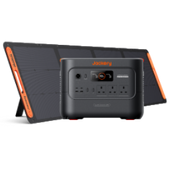
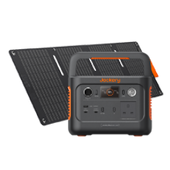
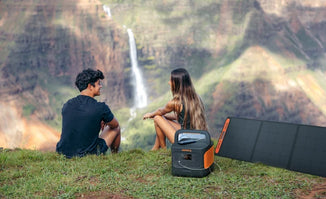
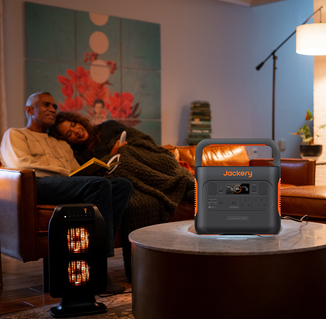
Additionally, it is essential to bring a portable power supply, such as the Jackery Portable Power Station, to power your electronics and devices during long-term or multi-day kayaking trips.
While a Jackery Portable Power Station (PPS) isn't a mandatory piece of gear for the act of paddling itself, kayakers often take them along for various reasons related to safety, comfort, and extended trips, especially in remote areas.
A PPS ensures you can charge essential electronics, such as your smartphone, waterproof GPS device, or satellite messenger, multiple times. This is vital for navigation, checking weather reports, and calling for help in an emergency. Here, we recommend the Jackery Explorer 500 v2.
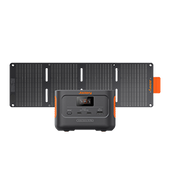
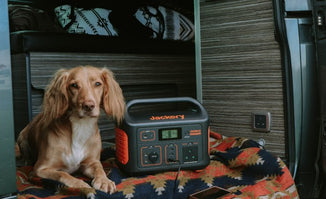
Jackery Explorer 500 v2
The Jackery Explorer 500 v2 is an excellent choice for kayaking in the UK, particularly for overnight or weekend trips, as it strikes the perfect balance between power, portability, and safety for a water-based adventure.

Lightweight (12.57 lbs/5.7kg): The 500 v2 is designed to be one of the lightest and smallest in its power class. At only 12.57 lbs, it is manageable to pack and transport in a dry bag and won't add excessive weight to your boat.
Sufficient 512Wh Capacity: The 512 Wh capacity provides enough power for 1-2 days of essential needs without requiring a recharge. The 100W USB-C PD is ideal for quickly charging modern electronics, such as laptops, tablets, and high-end cameras—necessary for documenting your trip or working remotely.
230V AC Pure Sine Wave Output (500W): The UK AC outlet provides clean power for running any small standard UK appliance you might pack for comfort (e.g., a CPAP machine, a small immersion heater for a single cup of tea, or charging power tool batteries for quick repairs).
Next-Generation LiFePO4 Safety and Durability: This is the safest and most stable lithium battery chemistry available. It significantly reduces the risk of overheating compared to older lithium-ion packs, offering greater peace of mind when stowed in a dry bag or small hatch. The LFP chemistry provides immense longevity, capable of 6,000 charge cycles to 70%+ capacity. This means your investment is built to last for decades of regular weekend kayaking trips.
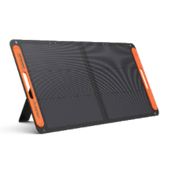
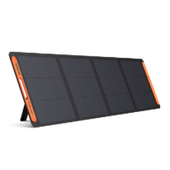
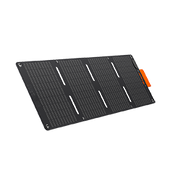
Optimised for UK Off-Grid Charging: When paired with a SolarSaga 100W panel (which is also lightweight and foldable), the unit excels at off-grid charging (for 1 hour), crucial given the UK's often cloudy conditions. The 500 v2 is optimised to accept up to 200W of solar input, allowing it to recharge quickly (2.8 hours). Even with one 100W panel, you can significantly top up the battery in a single afternoon's sun, ensuring you don't run out of power before the end of a long paddle.
FAQs
The following are the frequently asked questions about what to wear for kayaking:
1. What clothing is suitable for kayaking?
A complete wetsuit is suitable for cold water, while drysuits provide superior protection with thermal layers below. Waterproof pants and jacket are perfect for adding additional wind and spray protection to your thermals or wetsuit.
2. What is the 50 90 rule in kayaking?
The 50/90 Rule helps estimate the current speed at the top of the hour. At midday, the speed is 0% of its maximum—slack. At 1 pm1 pm, the current will increase to 50% of its maximum, or 3 knots (6*0.5=3). At 2 pm, the river will flow at 90% of its maximum speed, or 5.4 knots (6*0.9 = 5.4).
3. Should I wear a swimsuit when kayaking?
At the bottom, you may wear a swimsuit or shorts. If the temperature is chilly when you start your kayaking excursion, consider wearing trousers, such as leggings, to keep warm. Board shorts and quick-drying trousers are fantastic choices. Whatever you select, avoid clothing that chafes or is too tight.
4. What are the three golden rules of kayaking?
The Three Golden Regulations of Whitewater Paddling are a set of regulations that all paddlers must follow, regardless of the style of paddling they are doing. Separate your upper and lower body motions, utilise your torso's strength, and maintain control of your kayak with an active blade.
Final Thoughts
Kayaking is an excellent way to interact with nature, but what you wear is essential for comfort and safety. The important concepts are to dress for immersion, layer adequately, and consider the weather and water temperature. From wetsuits to drysuits, thermal layers to quick-drying clothes, each option provides additional safety and confidence when paddling. Always remember to include a buoyancy aid, sunscreen, and secure footwear. With the correct kayaking clothing, you may enjoy the water without worrying about discomfort.


