







































Llangollen's white water rafting ranks among the UK's top outdoor activities. The River Dee, with its varied rapids, balances excitement and beauty. Both beginners and experienced paddlers can enjoy this team challenge set against scenic Welsh backdrops.
Llangollen offers expert guides, key safety gear, and a welcoming experience for swimmers and non-swimmers alike. Beyond the river, the area offers rich history, hiking, and culture, making it perfect for adventure and exploration.
|
Key Takeaways: |
|
What Is White Water Rafting?
Are you seeking an exciting and adrenaline-fueled trip in the UK? Whitewater rafting is a fantastic option. The UK offers many great rivers to explore, and rafting down a rushing river provides an unbeatable sense of excitement.
The UK is known for its rain and grey skies, which can raise concerns about comfort while rafting. Most rafting companies provide all the necessary equipment to keep you warm and dry while on the river.
White water rafting is a group sport in which people paddle calm water and rapids in an inflatable raft that holds 2 to 8 people. On commercial trips, you have a guide who directs you; in peer rafting, you tackle the rapids together!
Is White Water Rafting a Safe Activity?
Rafting is usually very safe, though adventure sports, especially outdoors, carry some risk. Techniques and precautions help make rafting safer and limit hazards.
Before you begin white water rafting, you will be provided protective clothing such as a wetsuit and helmet to keep you warm and safe, as well as a buoyancy aid to keep you floating if you fall out of the raft.
You'll get a detailed briefing on river safety: where to sit, how to use your paddle, safety commands, swimming if you fall out, pulling others aboard, and what to do if the raft flips.
Can People Who Don't Swim Go White Water Rafting?
Swimming abilities are not required for whitewater rafting. Wetsuits and buoyancy aids give floating, allowing us to offer this sport to both non-swimmers and swimmers. We recommend that you notify your guide in advance if you are unable to swim, so they are aware you may need additional assistance in the water.
Is White-Water Rafting Right For You?
White-water rafting is well-suited for those who enjoy teamwork, both in paddling and in organizing longer excursions. It may not be ideal for those seeking only a short adventure, as trips can be longer and more immersive.

White Water Rafting in Llangollen
White water rafting in Llangollen offers a world-class adventure on the River Dee, known for its reliable year-round water levels and beautiful North Wales scenery. The experience typically centers on a 4-mile stretch of river, starting at the scenic Horseshoe Falls and culminating in a dramatic finish at the famous Town Falls, right in the heart of Llangollen.
The River Dee, Llangollen
This is one of the best rivers in the UK for rafting. With rapids ranging from 2 to 4, the journey will take you through various levels of excitement. Once outfitted, you will be taken to the magnificent Horseshoe Falls.
The River Dee in Llangollen is a hidden beauty that's ideal for an outdoor excursion. With rapids ranging from moderate to spectacular, the River Dee provides a memorable rafting experience for both novices and specialists. The breathtaking rural vistas along the route are simply frosting on the cake. Now, let us discuss the real rafting experience.
This activity is not recommended for those seeking a mild experience. Participants will face rapids such as "Serpent's Tail" and "Town Falls" and will need to collaborate with their team to navigate them. Guides provide all instructions and safety recommendations before departure.
Highlights for White Water Rafting in Llangollen
Following an individual safety briefing, you are prepared to tackle the river. Head out and explore rapids like Serpent's Tail, Tombstones, and Town Falls. Don't forget to invite your family and friends to join you on the bridge at Llangollen, or they can watch you finish the trip from the sundeck here at Riverbanc.
Horseshoe Falls: The traditional starting point, featuring a man-made weir that provides an easy introduction to the water.
Serpent's Tail: The most famous and technical rapid on the River Dee, requiring precise paddling and teamwork.
Town Falls: The grand finale! This drop is visible from the Llangollen bridge, allowing spectators to cheer you on as you navigate the last big white water.
White Water Rafting Experiences in Llangollen
You can book any number of seats on a raft, but you may be sharing with others. Each raft can accommodate up to six passengers, plus a certified guide.
Price: £65 per adult (17+), £55 per child. (8-16) includes wetsuits and all safety gear.
The session timings are 9.30 am, 10.15 am, 1.30 pm, and 2.15 pm.
Special Weekend Rafting April-September: 4.30pm (Saturday and Sunday)
Under-16s must be accompanied by an adult.
Private Raft
They also provide private rafts for groups of 2 to 6 people. You can then ensure that you will have the raft to yourself.
From £380 per raft.
Under-16s must be accompanied by an adult. All fees include wetsuits and other safety equipment.
River Bugs Experience
Based on the River Dee, visitors will get one of the most exciting and unique experiences available: River Bugs! You will face a variety of rapids, including Serpent's Tail, Tombstones, Middle, and Bottom Hole, all while sitting in your own personal 'river bug'. During the session, you will be given a comprehensive safety briefing and all necessary safety equipment, and once you are fitted out at the centre, they will drive you to the river 'get-in'.
Session timings are 1.00 pm to 4.00 pm (7 days a week).
Customers should bring appropriate footwear, swimsuits, and towels.
Please ensure that everyone at the party weighs less than 120 kg (19 stone) and has a smaller chest size of 52 inches (132cm).
Please bring footwear, swimsuits, and towels.
From £59.00

When is the Best Time to Go White-Water Rafting?
White water rafting is becoming increasingly popular around the world, so you'll be able to find a course no matter where you are. In other words, rafting is available year-round if you're ready to travel. After all, the dead of winter in the UK is the best time for warm-weather rafting in New Zealand!
Staying local may prove more difficult, as UK rivers depend heavily on rainfall and are often too low to support commercial rafting. The good news is that there are a number of man-made courses throughout the country that offer year-round rafting, as well as dam-release rivers that offer commercial rafting.
Can You Do White Water Rafting In The Winter?
You can go rafting rain or shine, hot or cold; just make sure you have the appropriate equipment for the conditions. Cold temperatures, for example, may require a thicker wetsuit and a water-resistant jacket, while warmer weather may call for lighter or shorter wetsuits.
What Are The Requirements For White Water Rafting?
Rafting is an inclusive activity. It makes no difference how old you are if you are healthy!
Each rafting business has its own set of requirements, so verify them before booking. Shoes, buoyancy aids, and helmets are standard equipment offered across the board. Additional criteria may differ depending on who you raft with; for example, some businesses require everyone to wear a wetsuit.
If you don't know what equipment you'll need for rafting with friends, we recommend scheduling a trip with a commercial rafting company first to gain experience. The best way to ensure everyone's safety on the river is to have at least one commercial guide on the raft and to complete white-water rescue training as a group before you go.
What Shoes Should I Use For White Water Rafting?
The best footwear for white water rafting is either a neoprene boot with a thick sole or a specially designed river shoe/boot. Trainers can be used as White Water Rafting shoes if they are lightweight running shoes or equivalent (avoid materials that collect water and weigh you down).
What to Take for White Water Rafting in Llangollen?
Whitewater rafting in Llangollen requires not only appropriate clothing but also a range of safety and comfort gear. The following is a compilation of essential and recommended equipment, based on professional rafting advice and practical needs.

Life Jacket (PFD)
A life jacket (PFD) provides buoyancy and prevents drowning, making it mandatory for rafting. Choose a professional rafting life jacket that meets British BS standards, fits snugly, and has adjustable shoulder and waist straps.
Helmet
A helmet protects against head injuries from impacts with rocks, the boat, or other obstacles in rapids. Choose a lightweight, ventilated, professional rafting helmet with a chin strap to prevent it from falling off in the event of a capsize or collision.
Change of Clothes and Towel
The weather in the UK can be unpredictable, so dry yourself immediately and change into dry clothing after rafting to prevent catching a cold. Bringing your own towel is also recommended for added convenience and hygiene.
Ready-to-Eat Food and Drinking Water
Carry high-energy snacks like chocolate and energy bars. Keep a thermos filled with hot water, especially in colder weather.
Sunscreen
Even on cloudy days, the water's surface still reflects intense UV rays, so it's recommended to use SPF 50+ waterproof sunscreen.
Waterproof Bag
A waterproof bag can store items like your phone, camera, keys, and wallet that are sensitive to moisture. Use a roll-top waterproof bag and secure it to your boat or your body with a quickdraw. It can also be used to store wet clothing to prevent other items from getting soaked.
Inflatable Seat Cushion
Relieves the discomfort of sitting in cold water for extended periods and prevents cold or scratched buttocks.
Emergency Medicine Kit
An emergency medicine kit should include Band-Aids, iodine swabs, and mosquito repellent. Women can also prepare sanitary pads, tampons, and wet wipes.
Portable Power Supply
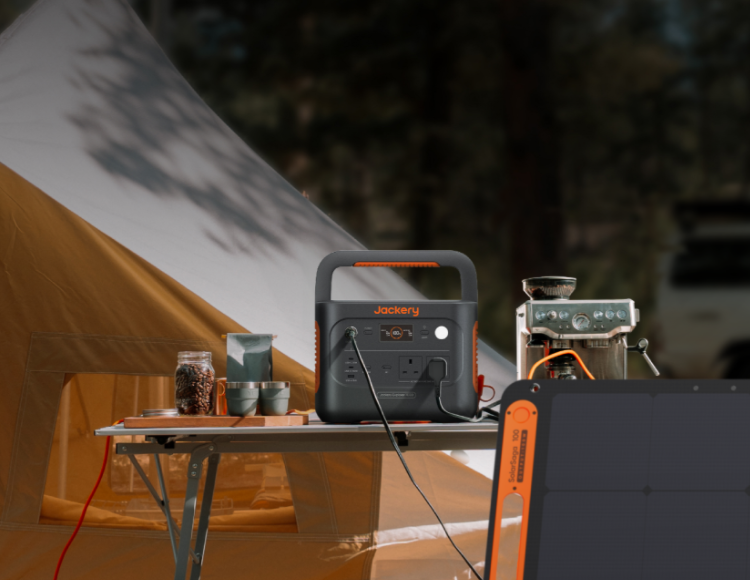
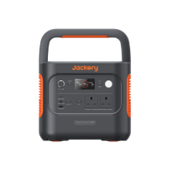
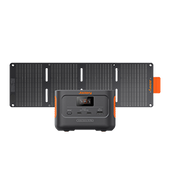
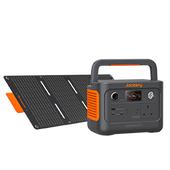
During whitewater rafting, a portable power supply can keep your GPS, walkie-talkie, phone, and action camera charged at all times. Jackery, a renowned name in outdoor power supplies and portable gadgets, sells products like the Jackery Explorer 300D, which provides reliable power for whitewater rafting.
However, rafting companies usually provide the necessary safety gear (including rafting shoes, buoyancy aids, and helmets), so be sure to check before booking exactly what equipment they offer and whether you need to bring anything yourself. This will help you avoid any problems and ensure you're fully prepared.
Jackery Portable Power Stations for White Water Rafting
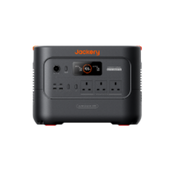
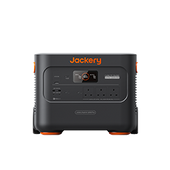
A Jackery Portable Power Station is a vital tool for white-water rafting trips in Llangollen because it provides a reliable, waterproof way to maintain critical gear in the River Dee's damp environment.
While the rafting itself is an "unplugged" activity, the logistical needs before and after the run—such as drying gear, charging action cameras for the Serpent's Tail rapid, and maintaining communication in the Welsh hills—are much easier with portable power.
Rafting the Dee's technical sections (like Town Falls) is a highlight for GoPro users. A Jackery ensures you can recharge multiple batteries between runs so you never miss a shot of the "big splash."
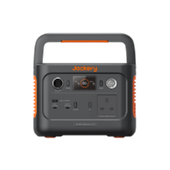
Jackery Explorer 300D
The Jackery Explorer 300D is an ideal companion for white water rafting trips in Llangollen, Wales, because it is specifically designed for high-motion, rugged, and wet outdoor environments. Llangollen's River Dee offers grade 2-4 rapids, requiring gear that is lightweight, shock-resistant, and highly portable.
Its design makes it more suitable for the River Dee than standard power stations due to its focus on lightweight transport and efficient DC-to-DC charging for the gear most common in rafting.

Backpack-Ready Portability
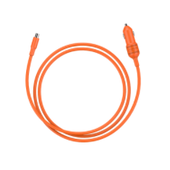
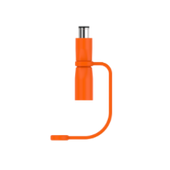
Weighing only 5.5 lbs (2.5 kg), the 300D is roughly 56% lighter than the Jackery Explorer 300 Plus. This is critical when navigating the rocky banks of the Dee or carrying gear to launch points like Horseshoe Falls. The carrying handle is actually a detachable 140W USB-C cable. This means one less thing to lose in your dry bag and immediate access to charging as soon as you step off the raft.
Optimised for Action Gear
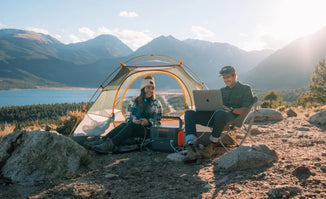
Rafting often involves multiple GoPros, drones, and GPS watches. The 300D features dual 140W USB-C ports, allowing you to fast-charge high-end electronics at maximum speed between river sessions. Delivering 288Wh of battery capacity — equivalent to up to 9 power banks — with up to 300W max output, this lightweight power station features 3× USB-C, 1× USB-A and a car socket, keeping laptops, drones and multiple devices powered at the same time for white water rafting trip.
Extreme Durability
It uses LiFePO4 battery chemistry, which is more thermally stable and can handle the damp, cool Welsh environment better than older lithium-ion models. It is rated for 4,000+ cycles, ensuring it lasts for years of river trips.
Pair the E300D power bank with the compact 40W foldable solar panel for effortless, smart replenishment wherever you go. Compact, rugged and easy to attach to a backpack or bike, it delivers steady solar energy wherever your adventure leads.
Silent Performance
With a fully fanless design, this quiet power station delivers whisper-quiet, almost 0 dB operation—far more silent than traditional units and far more powerful than a standard power bank. Enjoy strong, reliable energy for day or night use without disturbing your sleep, focus, or campsite calm.
10 Essential White Water Rafting Tips
If white water rafting in Llangollen seems appealing, but you have little expertise with the thrills and spills of the river, follow these basic white water rafting recommendations to make your first trip a success.

Tip 1: Wear the Right Clothes
While you may want to stay in the boat for the whole voyage, you may not remain dry. Expect to get wet throughout your voyage, so wear waterproof, anti-chafing clothing that will act as a barrier between you and the raft.
|
Category |
Tips |
|
Clothes Materials |
Avoid cotton, since it takes a long time to dry and draws heat away from the body. Rather, synthetic fabrics are ideal since they are rapid drying. |
|
Shoes |
For shoes, err on the side of enclosed shoes with laces, such as Dunlop Volleys. Thongs or flip-flops are readily lost if you fall in the water. |
|
Wetsuit |
Depending on the forecasted weather and temps, wetsuits may be a possibility. These will increase your buoyancy while also protecting you from the lower temperatures of the ocean and the winter months. |
Tip 2: Put on Your Helmet
Your safety is crucial on all of our rafting adventures; you must always wear protective equipment, including helmets. There are numerous underwater pebbles, logs and branches that are not visible from your sitting posture in the boat, and we want to prevent banging your head on them if you fall in. Keep your helmet on at all times to reduce your chance of harm.
Tip 3: Do Not Take Any Valuables
The usual guideline for rafting expeditions is to avoid bringing anything that you don't want to lose or get wet. Leave your jewellery, such as rings, necklaces, earrings, and bracelets, at home.
Tip 4: Make Sure You are a Skilled Swimmer
While you don't need to be an Olympic swimmer to go rafting, you should be comfortable in the water. Life jackets or personal flotation devices will keep your head above water, allowing you to actively swim around hazards and towards the boat or shore while on the river.
Tip 5: Keep Your Life Jacket On And Tight
Just as you should keep your helmet on at all times, you should likewise keep your life jacket on and attached, even if you are travelling over calm seas. These not only keep you afloat, but they also make it simpler for guides to pull you back into the raft if you go overboard.
Tip 6: Know What To Do If You Fall Off The Raft
If you fall off the raft, you should know what to do next:
- Swim to the raft and grasp the outer safety rope. Call out to your rafting companions and wait for someone to bring you back in. Keep your life vest on, as they will use it to lift you into the boat.
- If you can't make it to the outer safety line, ask your rafting companions to toss you the throw bag (a rescue bag with a rope attached) or offer you a paddle to grasp onto.
- If you are unable to hold onto either of them within a few seconds, take the whitewater swimming posture. Lie on your back, feet pointing downstream. The rafting guides will approach you.
Tip 7: Understand The Protocol In Case Someone Else Falls Out Of The Raft
While you may trust the guides, it is important to learn the protocol in case someone falls out of the raft. Here are some things you can do:
If the individual can cling to the outer safety rope, bring them into the raft by pulling them in with their shoulders.
If the individual has not reached the outer safety line, pass them a paddle to grip onto and pull them closer to the raft. Throw them the throw bag and drag them back to the raft
Tip 8: Acquire the T-grip
The T-grip is vital because it keeps the paddle from sliding out of your hands and striking you or your rafting partners in the head and chest. The T-grip is the end of the paddle that resembles a "T" and is constructed of hard plastic.
Your guides will teach the T-Grip at the start of your rafting adventure. Basically, one hand should always be at the base of the paddle on the shaft, and the other over the T-grip. This helps you keep control of the paddle and cushions any blows to yourself or your rafting companions if something goes wrong.
Tip 9: Paddle! Paddle Harder!
While it may seem that the river current will carry you through the rapids, the rafters' paddling ensures that we successfully cross each rapid. When your guides say "paddle", they mean it.
Many manoeuvres around underwater boulders or rocks require a full team of paddlers to raft around them. That necessitates paying attention to the paddle strokes as directed by your instructors.
Tip 10: Pay Attention To Your Guide
Your guides are skilled wilderness and rafting guides with extensive river expertise. Regardless of whether you've ever gone whitewater rafting before, it's critical that you listen to your guides when they issue directions.
And, although you may have rafted before, your guides will have more river experience than you have, have experienced a wide range of situations and difficulties, and are paid to guarantee your safety throughout the trip.
During portages, players may be required to unload the rafts and carry cargo over short distances around rapids. Rafting is a group activity, and everyone's involvement is welcome.
FAQs
The following are frequently asked questions about white water rafting in Llangollen.
1. What month is best for white water rafting?
There are always possibilities for gentle floats and young families, regardless of the season. If you want your rafting spicy, April to June is the season for you. The high water levels caused by snowmelt are why this time of year is often linked with "spice."
2. Can beginners do white water rafting?
Whitewater rivers are classed according to their difficulty, which ranges from Class I (soft waters) to Class VI (very hazardous and only for specialists). For novices, a Class II or III river offers an exhilarating but doable experience.
3. What not to wear when white water rafting?
When going white water rafting, you should avoid wearing anything made of cotton. You may question why not: cotton is light, right? Cotton, on the other hand, is well-known for becoming and staying wet. Choose clothing that dries fast and is lightweight.
4. What are common rafting injuries?
Smaller ailments, such as stubbed toes, sunburns, and blisters, are the true setbacks on a vacation. Fortunately, they are avoidable! Foot injuries are the most prevalent, but entirely avoidable, discomforts in rafting. Wearing excellent water shoes is the first step towards taking care of your feet.
Final Thoughts
White water rafting in Llangollen is more than simply a river sport; it's a whole journey. This experience mixes thrill, collaboration, and nature, from the adrenaline-pumping rapids of the River Dee to the serene serenity of the Welsh countryside. No matter which you pick, a group rafting excursion, a private raft, or the unique River Bugs experience, there are alternatives for people of all ages and ability levels. With safety as a primary concern and skilled guides guiding the route, tourists may enjoy both thrills and peace of mind.