
















![[Over £1200 Tier Gift] Bluetooth Speaker with Phone Stand - shipped Separately](http://uk.jackery.com/cdn/shop/files/Portable_Bluetooth_Speaker_with_Phone_Stand_2.png?v=1781595581&width=170)

















A garden shed can be much more than a place for lawnmowers and paint tins. It might be a small workshop, a quiet office, a hobby room, a gym corner or simply a storage space that needs reliable lighting. The right power setup depends on how the shed is used, how far it sits from the house, and whether you need permanent electricity or occasional backup.
This guide shows everything about the electricity to garden shed, compares mains wiring, armoured cable, solar power and temporary solutions so you can choose a safer, more practical option.
|
Key Takeaways: |
|
Electricity to Garden Shed: What Are Your Options in the UK?
There are several realistic ways to get electricity to a garden shed in the UK, and the best choice depends on how often the shed is used, what you want to run, and whether the power needs to be permanent.
The most basic option is a temporary extension lead from the house. This may work for occasional jobs, such as using a small power tool for a short period, but it is not suitable as a long-term outdoor power setup. Weather exposure, trip hazards and overloaded sockets can quickly make it unsafe.
For a permanent supply, many homeowners choose an armoured cable installation from the main house consumer unit to the shed. This is usually the safest and most robust solution for lighting, sockets, workshop tools, freezers or a garden office. It should be designed and installed by a qualified electrician, especially where outdoor cabling, RCD protection and building regulations apply.
Solar panels with battery storage offer another route, particularly for sheds used for lighting, charging, small appliances or seasonal garden work. A system such as the Jackery SolarVault 3 Series can be relevant where users want to store solar energy and use it more flexibly without relying only on daytime sunlight.
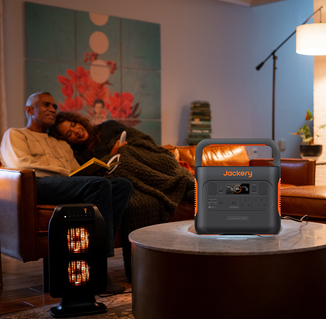
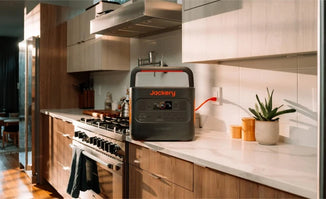
Temporary power solutions, including portable power stations or generator-style backups, suit occasional use, rented homes or sheds where permanent wiring is not practical.
Running Electricity to Garden Shed: What You Need to Know First
Before running electricity to a garden shed, it is worth thinking beyond “how do I get a socket outside?” A shed can be anything from a simple storage space to a workshop, home office or small gym, and each use case needs a different level of power, protection and planning.

Safety Comes First
Outdoor electricity has to deal with damp, rain, soil movement, temperature changes and accidental damage from garden tools. This is why permanent shed power should not rely on loose extension leads or indoor-style fittings. Cables, sockets, lighting and consumer protection all need to be suitable for outdoor conditions, with proper RCD protection to reduce electric shock risk.
Check the Distance from the House
The further the shed is from the main house, the more carefully the cable route must be planned. A short run to a nearby shed may be simpler, while a long garden may need deeper cable routing, more materials and voltage drop calculations. Obstacles such as patios, lawns, trees and paths can also affect installation work.
Think About How the Shed Will Be Used
A storage shed may only need basic lighting and occasional charging. A workshop may need sockets for drills, saws, dust extraction and battery chargers. A garden office could require stable power for computers, WiFi, heating and lighting throughout the day. A gym may need ventilation, lighting, speakers or a small heater.
Consider Planning and Building Requirements
Many small sheds do not need planning permission, but electrical work still needs to be safe and compliant. For permanent mains electricity, it is sensible to use a qualified electrician who can design the supply correctly, check earthing arrangements and provide the right certification after installation.
How to Run Electricity to a Garden Shed Safely: Step-by-Step Overview
Running electricity to a garden shed is not just a matter of taking power from the nearest socket. A safe installation needs proper planning, suitable outdoor materials and electrical protection designed for the load. The steps below give a high-level view of what a qualified electrician would normally consider before installing a permanent shed supply.
Step 1: Plan the Cable Route
The first step is deciding how power will travel from the house to the shed. In most permanent installations, this means running a suitable outdoor cable from the house consumer unit or another approved supply point to the outbuilding. The route should avoid areas where the cable could be damaged by digging, tree roots, garden tools, vehicle movement or future landscaping work.
For underground routes, armoured cable is commonly used because it offers better mechanical protection than a standard indoor cable. The route may need to cross lawns, patios, paths or flower beds, so it should be planned carefully before any trenching begins. A visible route on a simple garden plan can also help later if you need to repair fencing, install decking or redesign the garden.
Step 2: Choose the Right Power Load
Before choosing cable size or protection, it is important to understand what the shed will actually power. A small storage shed may only need LED lighting and a socket for charging cordless tool batteries. A workshop may need several sockets for drills, saws, sanders, dust extraction or a bench grinder. A garden office has a different pattern again, with computers, monitors, internet equipment, lighting and heating.
Heating is often the biggest issue. A small electric heater can draw far more power than lights or laptop chargers. If the shed will include heating, heavy power tools, a freezer or gym equipment, the electrical design must allow for those loads safely. This is where guessing can become risky, because undersized cables or overloaded circuits can overheat.
Step 3: Install Proper Protection
A garden shed supply should include the right protective devices, not just a cable and a socket. RCD protection is especially important for outdoor and outbuilding circuits because it helps reduce the risk of electric shock. Depending on the setup, the shed may also have a small consumer unit with separate protection for lights and sockets.
The electrician will also consider earthing arrangements, cable size, circuit breakers, isolation and whether the installation needs additional protection because of the shed’s construction, damp conditions or distance from the house. Outdoor sockets and fittings should be suitable for external use, and cables should be fixed or buried in a way that reduces the chance of accidental damage.
Step 4: Test and Certify the System
After installation, the system needs to be tested rather than simply switched on. Testing checks that the circuit is correctly connected, protected and safe to use. This may include checks for insulation resistance, earth continuity, RCD operation, polarity and loop impedance.
For a permanent mains supply, proper testing and certification are important because they provide evidence that the work has been completed safely. They can also be useful when selling the property, making an insurance claim or diagnosing future electrical issues. Once the system has been tested, the shed can be used with far more confidence than a temporary lead across the garden.

Best Ways to Power a Garden Shed in the UK: Compared
The best way to power a garden shed depends on whether the shed is a permanent workspace or just a place where you occasionally need light and charging. A garden office, for example, needs reliable power every day, while a simple tool shed may only need a small solar light or temporary supply.
|
Power option |
Typical cost |
Complexity |
Safety level |
Best use case |
|
Hardwired mains connection |
High |
High |
Very good when professionally installed |
Garden offices, workshops, freezers, regular daily use |
|
Armoured cable installation |
Medium to high |
Medium to high |
Very good when correctly specified and tested |
Permanent shed power over a garden distance |
|
Plug-in extension lead |
Low |
Low |
Limited; temporary use only |
Occasional DIY tasks in dry, supervised conditions |
|
Solar power system with storage |
Medium to high |
Medium |
Good when correctly sized and installed |
Lighting, charging, small appliances, lower-consumption sheds |
Hardwired Mains Connection
A hardwired mains connection is the most complete way to run electricity to a garden shed. Power is taken from the house supply, usually through a dedicated circuit, and delivered to the shed through correctly protected cabling. The shed can then have fixed lights, sockets and sometimes a small consumer unit.
The main benefit is reliability. A properly installed mains supply can support more demanding uses, such as a home office, freezer, workshop tools or year-round lighting. It also gives a more permanent, tidy and property-friendly result than loose cables or temporary equipment.
The downside is cost and complexity. It usually involves electrical design, cable routing, protection devices, installation work and testing. If trenching is required, the total price can rise depending on garden length, surface type and access. This is not a shortcut option, but it is often the best choice for sheds used every day.
Armoured Cable DIY or Installer Route
Armoured cable is commonly used for outdoor power runs because it offers mechanical protection against impact, digging and general garden wear. In a typical setup, the cable runs from the house to the shed, either underground or along a suitable fixed route, then connects into suitable outdoor-rated equipment.
Some homeowners may be tempted to dig the trench or prepare the route themselves to reduce labour costs. However, the electrical design, connection, testing and certification should be handled by a competent electrician. Cable size, voltage drop, earthing and protection all need to match the distance and expected load.
The advantage of this route is that it is durable and suitable for permanent use. The main disadvantage is that it still requires proper planning and installation. A poorly chosen cable or badly protected circuit can create problems later, especially if the shed is far from the house or used for higher-power equipment.
Plug-In Extension Lead: Temporary Only
An extension lead is the simplest way to get power to a shed for a short job. It may be enough for using a drill, charging a tool battery or running a small light while working outside. It is cheap, quick and does not require permanent changes to the property.
However, this should only be treated as a temporary solution. A cable running across a garden can become a trip hazard, get damaged by lawnmowers or tools, and be exposed to rain or damp ground. Standard indoor extension leads are not designed for long-term outdoor use, and overloaded sockets can become unsafe.
For occasional use, choose suitable outdoor-rated equipment, keep connections dry, avoid coiling cables while under load, and unplug everything after use. It should not be used as a permanent power supply for a shed office, freezer, heater or workshop.
Solar Power Systems with Storage
Solar power can be a practical option for sheds where a full mains installation is too expensive or unnecessary. A small solar panel can power LED lighting, phone charging, security cameras or low-consumption devices. With battery storage, the energy generated during the day can be used later in the evening or during cloudy periods.
For more capable setups, solar plus storage can support a wider range of shed needs, although the system must be sized realistically. Power tools, heaters and kettles require far more energy than lighting or laptop charging. This makes load planning important before buying any system.
The Jackery SolarVault 3 Series can be relevant for homeowners who want a more flexible solar storage setup rather than a simple shed light kit. It is better suited to situations where the shed is part of a wider home energy plan, such as storing solar energy, supporting outdoor use, or improving how household solar power is used across the day. It should still be matched carefully to the appliances being powered.
The main pros are lower dependence on grid wiring, flexible placement and cleaner operation than fuel generators. The cons are upfront cost, variable solar generation in winter, and limits on what the system can power continuously.

Which Option Is Best for Different Shed Uses?
Based on the following garden shed using situations, there are different options:
Garden Office
A garden office usually needs the most reliable supply. Computers, monitors, WiFi equipment, lighting and heating can run for hours at a time, so a professionally installed mains connection is usually the strongest option. Solar and storage may help reduce running costs or provide backup, but most full-time offices still benefit from a permanent electrical installation.
Workshop Tools
For a workshop, the best option depends on the tools. Light DIY tools and chargers may work with a modest supply, but saws, sanders, compressors or dust extraction can require higher start-up power. A hardwired supply with suitable sockets and protection is usually the safest long-term choice.
Storage Lighting Only
If the shed is mainly used for storage, a simple solar lighting kit or small solar battery system may be enough. This avoids the cost of trenching and permanent wiring. It is also suitable for sheds at the far end of a garden where only occasional light is needed.
Occasional Use Shed
For rare use, a temporary outdoor-rated extension lead may be acceptable for short supervised tasks. If the shed starts being used more often, especially for heating, appliances or regular tools, it is better to move towards a permanent mains supply or a properly sized solar storage system.
Is It Worth Running Mains Electricity to a Shed?
Running mains electricity to a garden shed is usually worth it when the space is used regularly and needs dependable power. A garden office, workshop or hobby room is very different from a shed used only for storage. If you work there most days, use power tools, run lighting in winter, need internet equipment or rely on heating, a fixed mains connection gives the most stable and convenient setup.
For a garden office, mains power often makes sense because laptops, monitors, routers, lighting and heaters may run for several hours at a time. For workshops, the case is even stronger if you use saws, sanders, drills, chargers or dust extraction. Hobby rooms for music, sewing, model making or craft work may also benefit from proper sockets and lighting rather than temporary cables.
The main drawback is cost. A permanent installation may involve an electrician, armoured cable, trenching, a consumer unit, outdoor-rated fittings, testing and certification. If the shed is far from the house or the garden has paving, decking or mature planting, labour and disruption can increase quickly.
Why More UK Homeowners Are Avoiding Full Electrical Installation
Some UK homeowners are now looking for alternatives because a full electrical installation can feel too expensive for light shed use. Rising material and labour costs make a simple lighting setup harder to justify, especially when the shed is only used occasionally.
Disruption is another reason. Running cable across a garden may mean lifting paving, digging a trench or planning around patios, lawns and flower beds. For renters or homeowners who may move soon, that level of work may not feel worthwhile.
Flexibility also matters. Portable power stations, solar lighting kits and solar-plus-storage systems can suit sheds used for charging, lighting and small devices. For example, the Jackery SolarVault 3 Series may be relevant where a homeowner wants stored solar energy for flexible garden or outbuilding use without turning the shed into a fully wired extension of the house.
Solar Power for Garden Shed: A Flexible Alternative
Solar power can be a practical alternative for a garden shed when running a mains cable is too costly, disruptive or unnecessary. Instead of digging a trench from the house, a solar setup collects energy during the day and stores it in a battery for later use. This can work well for sheds used for lighting, phone charging, cordless tool batteries, security cameras, WiFi equipment or occasional small appliances.
The biggest advantage is flexibility. A solar-powered shed does not need to be tied permanently to the house consumer unit, so it can suit long gardens, rented homes, allotment sheds or outbuildings where fixed wiring is not ideal. It also avoids loose extension leads across the lawn, which are only suitable for short-term supervised use.
However, solar performance changes with the season. In summer, longer daylight hours and stronger sunlight can provide enough energy for regular light-duty use. In winter, short days, lower sun angles and cloudy weather reduce output, so the system needs to be sized realistically. A shed used only for LED lighting and charging will be easier to support than one running heaters, kettles or heavy power tools.

Battery storage is what makes solar more useful for sheds. Without storage, power is mainly available when the sun is shining. With storage, daytime generation can be used in the evening or kept for the next day. This is where the Jackery SolarVault 3 Series can fit naturally into a shed power plan. It offers a way to store solar energy and use it more flexibly without trenching cables or committing to permanent wiring.
The Jackery SolarVault 3 Series is Jackery’s next-generation home solar storage solution, designed to help households generate, store, and use solar energy more efficiently. The series includes the SolarVault 3 Pro, SolarVault 3 Pro Max, and SolarVault 3 Pro Max AC, offering flexible options for garden solar systems, existing PV installations, and larger home energy setups. With an integrated inverter, LiFePO4 battery technology, smart energy management, and expandable storage from 2.52 kWh to 15.12 kWh, the SolarVault 3 Series brings solar storage into a compact, modular, all-in-one system.
The Jackery SolarVault 3 Series is expected to go on sale in the UK in July, giving UK users a new way to store solar power, use more of their own clean energy, and make home electricity management smarter and more cost-effective.
Cost Breakdown: How Much Does It Cost to Run Electricity to a Garden Shed?
The cost of running electricity to a garden shed in the UK can vary from under £200 for a very basic temporary setup to several thousand pounds for a permanent, professionally installed supply. The final price depends on the distance from the house, cable route, power load, trenching work, number of sockets, lighting, and whether the shed needs its own small consumer unit.
|
Option |
Typical UK cost range |
What it usually covers |
Best suited to |
|
Temporary outdoor extension setup |
£30–£150 |
Outdoor-rated lead, plug-in RCD, basic short-term power |
Occasional supervised use |
|
DIY preparation with electrician connection |
£300–£900+ |
Homeowner may prepare route or trench; electrician handles electrical connection and testing |
Reducing labour on a permanent supply |
|
Professional shed electricity installation |
£600–£2,500+ |
Armoured cable, sockets, lighting, protection, testing and certification |
Offices, workshops, regular use |
|
Higher-spec garden room installation |
£1,500–£3,000+ |
Longer cable run, multiple circuits, heating load, garden office or studio setup |
Daily use, heavier power needs |
|
Solar-based shed setup |
£100–£1,500+ for small systems; higher for larger storage |
Solar light kit, panel, battery, inverter or solar generator setup |
Lighting, charging, cameras, small appliances |
Basic outdoor socket work is usually cheaper than a full shed supply. UK price guides commonly place a single outdoor socket at around £75–£260 depending on complexity, while electrician labour is often quoted by the hour or day. A full outbuilding supply costs more because it involves cable design, routing, protection and testing, not just fitting a socket.
DIY Cable Installation Costs
DIY can reduce the cost only if it means non-electrical preparation, such as clearing a route, lifting paving carefully or digging a trench under an electrician’s guidance. The mains electrical work itself should still be designed, connected and tested by a qualified electrician.
|
DIY-related cost item |
Estimated range |
|
Outdoor extension lead for temporary use |
£20–£80 |
|
Plug-in RCD adaptor |
£10–£30 |
|
Basic outdoor lighting kit |
£20–£100 |
|
Trench preparation by homeowner |
Labour saving varies |
|
Electrician testing/connection |
Often from £150–£400+, depending on job |
This route suits homeowners who want to reduce disruption costs but still need a safe permanent result.
Professional Electrician Installation Costs
A professionally installed supply is the most reliable option for a shed used as an office, workshop or hobby room. Current UK estimates commonly fall around £600–£2,500 for outbuilding electricity, while more complex garden room installations can reach £3,000 or more where long cable runs, multiple circuits or heating loads are involved.
Solar-Based Setup Costs
Solar costs depend heavily on how much power you need. A simple solar shed light may cost less than a permanent cable, but a battery system capable of supporting regular appliances costs more. Small solar kits can work for lighting and charging, while larger solar-plus-storage setups are better for flexible garden use. The Jackery SolarVault 3 Series can be relevant where the shed is part of a wider solar storage plan and the homeowner wants stored energy without trenching cables or permanent shed wiring.
Solar is not always cheaper than mains electricity, but it can be less disruptive and more flexible for light or occasional shed use.

FAQs
The following are the frequently asked questions about the electricity to garden shed:
1. Can I run electricity to a garden shed myself?
You can do some basic preparation yourself, such as planning the route, clearing access or digging a trench under guidance. However, a permanent shed supply should be designed, connected, tested and certified by a qualified electrician. Outdoor electrical work must be safe, correctly protected and suitable for damp conditions, not improvised from indoor wiring.
2. Do I need building regulations approval?
Electrical work in a home, garden, garage, shed or other outbuilding must comply with building regulations. In England and Wales, Part P covers domestic electrical safety and explains when work needs notification. A registered electrician can usually self-certify notifiable work, which is why using a competent person scheme electrician is the simplest route.
3. How deep should armoured cable be buried?
There is no single depth that fits every garden, because the correct route depends on ground conditions, risk of damage and the installation design. In practice, buried armoured cable should be deep enough to avoid normal gardening activity and should be installed with appropriate mechanical protection and warning tape where needed. The electrician will decide the right approach for the site.
4. Can I use an extension lead permanently?
No. An extension lead should only be used as a temporary, supervised solution. Electrical Safety First recommends using ready-assembled extension leads, positioning them to avoid damage, and not using leads longer than 15 metres. A cable across a garden can be damaged by weather, tools, foot traffic or lawnmowers, so it is not a safe permanent shed supply.
5. Is it legal to run electricity to a garden shed?
Yes, it is legal to run electricity to a garden shed in the UK, provided the work is designed, installed and tested safely. The important point is not whether the shed can have power, but whether the installation complies with electrical safety requirements, building regulations and suitable outdoor wiring practice.
6. Do I need a Part P electrician?
For a permanent shed supply, it is strongly recommended to use a Part P registered electrician in England and Wales. Part P applies to electrical work in dwellings, gardens and outbuildings, and registered electricians can self-certify certain domestic electrical work. You can also check electricians through the Registered Competent Person Electrical search facility.
7. Can a shed have its own fuse box?
Yes. A shed can have its own small consumer unit, often described as a fuse box, especially when it has separate lighting and socket circuits. This must be designed correctly with suitable circuit protection, RCD protection and earthing arrangements. It should not be added casually to an existing house circuit without proper electrical design.
8. What cable is used for sheds?
For permanent outdoor shed supplies, steel wire armoured cable, often called SWA cable, is commonly used because it provides mechanical protection for outdoor or buried routes. The cable size depends on the distance from the house, expected load, installation method and voltage drop. Lighting-only sheds, workshops and garden offices may all need different specifications, so the cable should be selected by a qualified electrician rather than guessed.
Final Thoughts
Running electricity to a garden shed is worth it when the space is used often and needs dependable power. For offices and workshops, a professionally installed mains supply is usually the strongest long-term choice. For lighter use, solar power, storage or temporary solutions may be more flexible and less disruptive. The safest option is the one that matches the shed’s real power needs, outdoor conditions and future use.


