





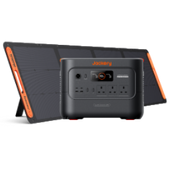
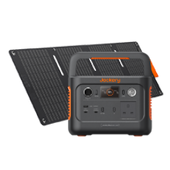

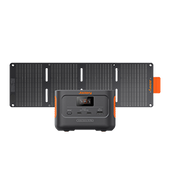
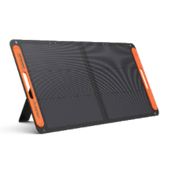
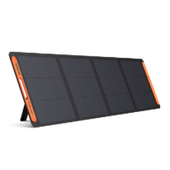
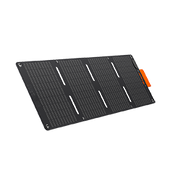
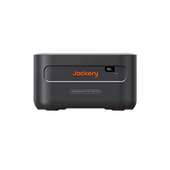
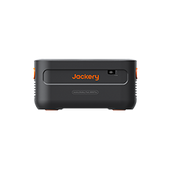



























Can UK households soon plug solar panels into a normal socket? That is the question behind the growing interest in plug-in solar. The government’s new policy direction could make small solar systems under 800W easier to access, especially for renters, flat owners and homes without suitable roof space.
This does not mean every solar kit can already be plugged into any socket. Final technical rules, product standards and safety guidance still matter. The real change is that plug-in solar panels UK households may use in the near future could offer a simpler, lower-cost entry point into home solar
For many people, the appeal is practical. A small plug-in solar setup will not power a whole house or replace a full rooftop PV system. But it may help reduce daytime grid electricity use, support everyday appliances and make solar more accessible to homes that have been left out of the traditional solar market.
|
Key Takeaways: |
|
Plug-in Solar UK: What the New Government Policy Means for Households
Can I soon plug solar panels into a normal UK socket? That is the question many households are asking as plug-in solar starts to move from a niche idea into a real UK policy discussion.
The government has announced a clear direction: plug-in solar panels should become available to households, giving more people a simpler way to generate some of their own electricity at home. For renters, flat owners and households without a suitable roof, this could be an important shift. Instead of paying thousands for a full rooftop system, a small plug-in solar kit could help cover part of the home’s daytime electricity use.
But this does not mean every solar panel can now be plugged into any wall socket without checking the rules. The key point is safety. UK households still need the final technical requirements, product standards and installation guidance before treating plug-in solar panels as a normal DIY appliance. A compliant kit will need to be designed for the UK market, safely connected, properly limited in output and suitable for the socket or connection method being used.
Plug-in solar is likely to become a new entry point into home solar rather than a replacement for rooftop PV. It may help power everyday loads such as a fridge, router, laptop or washing machine during daylight hours. For larger savings, higher evening use or better self-consumption, households may also consider storage later, including options such as the Jackery SolarVault 3 Series where a battery-based setup fits their needs.
What Has the UK Government Announced About Plug-in Solar?
The UK government wants to make small plug-in solar systems available to ordinary households. In simple terms, this means a future where suitable plug-in solar panels under 800W could be connected to a domestic mains socket, provided the system meets the updated technical and safety rules. This would be a major shift for the UK, where plug-in solar has not yet been treated as a normal household product in the same way it has in parts of Europe.
|
Important Note* |
|
It is a regulatory change. The government has said it will work with the Energy Networks Association, Distribution Network Operators, known as DNOs, and Ofgem to update the relevant rules. These include G98, the connection standard used for small-scale generation, and BS 7671, the UK wiring regulations that guide safe electrical installations. |
The aim is to create a clearer route for low-power solar kits to be used safely at home without every household needing a full rooftop solar installation or complex electrical work.
The system needs to be approved for the UK market, limited to the permitted output, designed with proper protection, and suitable for the way it connects to the home. The socket, cable, inverter and mounting setup all need to be safe, not improvised.
What Are Plug-in Solar Panels?
Plug-in solar panels are small solar systems designed to generate electricity close to where it is used. A typical kit includes one or more solar panels, a microinverter, mounting equipment and a cable connection to the home. The solar panels produce direct current electricity, the microinverter converts it into alternating current, and that electricity can then help power household appliances during daylight hours.
These systems are often called plug-and-play solar because the idea is to make installation much simpler than a traditional rooftop PV system. In Europe, they are also widely known as balcony solar systems, especially where panels are fixed to balcony railings, garden structures, exterior walls or small outdoor spaces. The UK term “plug-in solar” is likely to become more common as the market develops.
Plug-in solar panels are not designed to power a whole home on their own. Their role is more modest but still useful: they can reduce the amount of electricity a household buys from the grid when the sun is shining.

What Experts and Regulators Are Saying
The response to plug-in solar in the UK is cautiously positive. Regulators, network operators and electrical safety bodies are not treating it as a simple gadget trend. Their main focus is making sure small solar systems can be connected safely, work properly with the local electricity network and remain easy enough for households to understand.
Energy Secretary Ed Miliband said:
“The government is determined to fight people’s corner in this crisis, which is why we have acted to prevent unfair practices like price gouging and provided immediate help for the most vulnerable facing spiralling heating oil prices.
Whether through solar panels fitted as standard on new homes or making it possible for people to purchase plug-in solar in shops, we are determined to roll out clean power so we can give our country energy sovereignty.”
The government has confirmed that it will work with the Energy Networks Association, Distribution Network Operators and Ofgem to update G98 and BS 7671 for plug-in solar systems under 800W. The goal is not only to allow plug-in solar panels, but to make sure they do not create risks for sockets, cables, installers, neighbours or network engineers.
Industry voices generally see the policy as a chance to open solar to people who have been left out of the rooftop solar market. A full rooftop PV system is not realistic for every home. Renters may not have permission to change the building. Flat owners may not control the roof. Some homes have poor roof orientation, heavy shading or limited installation space. plug-in solar panels UK households can place on a balcony, terrace, garden wall or small outdoor area could offer a lower-cost first step.
Greg Jackson, Founder and CEO of Octopus Energy, said:
“Every solar panel, heat pump and battery cuts bills and boosts Britain’s energy independence. And the government’s latest steps can help cut the costs of electrification.
With solar, many homes can produce and use their own electricity, and cut their bills further by selling the excess back to us. With heat pumps and electric cars, their own electricity can slash heating and driving bills - stuff you simply can’t do with gas and petrol.”
Green building experts also connect the policy to a wider shift in home energy standards. The UK is moving towards more efficient homes, lower-carbon heating and greater use of solar in new-build housing. The Future Homes and Buildings Standards are intended to make new homes and non-domestic buildings more efficient and lower carbon.
Housing Secretary Steve Reed said:
“As we make the switch to clean, homegrown energy, today’s standard is what the future of housing can and should look like. Not only will these changes protect hardworking families from shocks abroad but will also slash hundreds of pounds off their energy bills every year.”
So the overall tone is practical rather than hype-driven. Plug-in solar is promising, especially for flats and renters, but its success depends on clear standards, safe products and simple guidance that ordinary households can follow.
Why This Policy Matters for UK Households?
The biggest reason this policy matters is access. For many UK households, solar has always sounded useful but difficult to achieve. A full rooftop solar system can involve a high upfront cost, roof surveys, scaffolding, planning questions, installer availability and ownership issues. That works for some homeowners, but it does not fit every home.
- Plug-in solar offers a smaller, more flexible entry point into solar power.
- It may suit renters, flat owners, terraced houses, garden offices, and homes with unsuitable roofs.
- It is expected to cost much less than a full rooftop solar system.
- It can help households test solar before investing in a larger setup.
- Plug-in solar is not designed to power the whole home.
- Its main value is reducing daytime grid use when appliances are running.
- Households that work from home or use electricity during the day may benefit most.
- The best results come from matching solar generation with real daytime electricity use.
Who Could Benefit Most from Plug-in Solar in the UK?
Plug-in solar will not suit every property in the same way, but it could be especially useful for households that have been left out of the traditional rooftop solar market. The real value is not only the size of the system, but where it can be used and how well it fits daily electricity habits.

Flats with Balconies
Flats with balconies are one of the clearest examples of where plug-in solar could make sense. Many flat owners and tenants cannot install panels on a shared roof, but they may have a balcony that receives several hours of sunlight each day. A small plug-in solar setup could help run everyday appliances during daylight hours, as long as the mounting system is secure and the building rules allow it.
Terraced Houses with Limited Roof Space
Terraced houses may also benefit from plug-in solar panels. Some UK terraces have small roofs, awkward roof shapes, chimney shading or shared structures that make a full rooftop PV system less attractive. In these cases, plug-in solar could offer a smaller alternative for a sunny wall, rear garden or outbuilding.
Renters Looking for a More Flexible Solar Option
Renters are another important group. A permanent rooftop solar system is usually unrealistic without landlord approval and long-term security. A compliant plug-in solar kit could feel more accessible because it is smaller, potentially removable and less disruptive. Renters would still need permission where panels are fixed to the building, balcony or exterior area.
Homes with Gardens, Patios or Sheds
Households with gardens, patios or sheds may have more placement options than they realise. A sunny garden fence, shed roof or patio area could become a useful spot for small-scale solar, provided the panels are securely installed and the cable route is safe.
People Who Work from Home During the Day
People who work from home are likely to get more value from plug-in solar than households that are usually empty during daylight hours. Laptops, monitors, routers, chargers, kitchen appliances and washing machine cycles can all overlap with solar generation. The closer household electricity use matches solar output, the more useful the system becomes.
Households That Want to Test Solar First
Plug-in solar may also appeal to homes that want to test solar before investing in a larger system. Instead of committing to a full rooftop installation straight away, a household could start small, learn how much daytime energy it uses and decide later whether a bigger solar or battery setup makes sense.
What Is Still Unclear Before Plug-in Solar Becomes Mainstream?
Although the UK policy direction is encouraging, plug-in solar is not yet a completely settled household product category. Several details still need to become clearer before most households can buy a kit with full confidence.

Clear Product Standards
The first question is the final product standard. Consumers need to know exactly what makes a plug-in solar system suitable for the UK market. This should cover the solar panels, microinverter, cable, plug or connection method, safety cut-off functions and output limit. Without a clear standard, it would be difficult for households to separate approved systems from unsafe imported kits.
Suitable Socket Requirements
Socket requirements are another important area. The policy discussion points towards systems under 800W being connected to domestic sockets, but households still need practical guidance on what type of socket is suitable, whether older wiring needs checking, and what should never be used. Extension leads, loose adaptors and poor outdoor cable routes could create unnecessary risks.
Simple Installation Guidance
Installation guidance also needs to be simple. Many people will want to know whether the system is genuinely DIY-friendly or whether an electrician is recommended. Clear instructions are especially important for balcony mounting, garden installations, shed roofs and outdoor weather protection.
Landlord, Freeholder and Building Permission
Permission is another grey area. Renters may need landlord approval. Flat owners may need freeholder or management company permission. Some buildings may have rules about balcony appearance, external fixings, fire safety or structural loading. Plug-in solar may be easier than rooftop solar, but it is not automatically permission-free.
Surplus Electricity and Export Rules
Export treatment also needs clarity. If a system produces more electricity than the home is using at that moment, households need to know whether export is allowed, whether it must be limited, and whether any payment or registration process applies.
Battery-Integrated Plug-in Solar Systems
Battery-integrated systems are another open question. Some plug-in solar panels may be paired with storage so that daytime solar can be used in the evening. It is not yet fully clear whether solar-plus-storage kits will be covered in the same simple route as basic plug-in systems.
What Does <800W Mean for Everyday Households?
The “under 800W” figure is important because it describes the likely size of plug-in solar systems that could fit into the new simplified route. For everyday households, this means plug-in solar will be a small-scale energy-saving option, not a full home power system.
An 800W system may sound powerful, but in real use it depends on sunlight, panel angle, shading and how much electricity the home is using at the same time. On a bright day, it could help cover some daytime loads such as a fridge, broadband router, laptop, monitor, phone chargers or part of a washing machine cycle. In cloudy weather, early mornings, evenings and winter months, the output will be lower.
This is why plug-in solar works best when the household can use electricity during daylight hours. Someone working from home may get more direct benefit than a household that is empty all day. The system is producing electricity when the sun is available, so the best savings come from using that electricity immediately.
The 800W limit also helps manage safety and grid compatibility. A smaller system is easier to standardise, easier for network operators to assess and less likely to create problems than larger uncontrolled generation. It gives households a more accessible route into solar while keeping the system within a controlled size.
What G98, BS 7671, Ofgem and DNOs Have to Do with Your Socket?
For most households, the important question is simple: can a plug-in solar system be connected to a normal UK socket safely? The answer depends on several rules and organisations that sit behind the scenes.
- G98 is the connection standard for small-scale electricity generation. It helps decide how a small solar system can connect to the local electricity network without causing problems. For plug-in solar panels, G98 matters because even a small system can send electricity into the home circuit and potentially towards the grid if the home is not using all the power at that moment.
- BS 7671 is the UK wiring regulation framework. It deals with safe electrical installations inside buildings. For a plug-in solar system, BS 7671 is important because the wiring, socket, cable route and protection features all need to be safe for everyday use.
- DNOs, or Distribution Network Operators, run the local electricity networks that deliver power to homes. They need to know that small plug-in solar systems will not create safety or grid management issues at scale.
- Ofgem is the energy regulator. Its role is linked to fair rules, consumer protection and how small-scale generation fits into the wider electricity system.
The government has said it will work with the Energy Networks Association, DNOs and Ofgem to update G98 and BS 7671 so that UK households can connect plug-in solar systems under 800W to domestic mains sockets, with tailored safety standards and without needing an electrician.
So, while the reader may only see a solar panel, a cable and a socket, the rules behind that socket are what decide whether the system is safe, compliant and suitable for normal household use.
What Households Can and Cannot Do Before the Final Rules Arrive?
The government’s announcement is a positive step, but households should be careful not to move faster than the rules. plug-in solar panels are expected to become easier to buy and use in the UK, with systems under 800W being allowed to connect to domestic mains sockets once G98 and BS 7671 are updated with tailored safety standards.
Until the final technical details and approved product standards are clear, the safest approach is to prepare, compare and check rather than rush into installation.
What Households Can Do Before Plug-in Solar Rules Are Finalised
- Check Daytime Electricity Use: Plug-in solar works best when solar generation overlaps with daytime demand. Households can review when appliances usually run, such as laptops, washing machines, kitchen appliances, routers, garden office equipment and chargers.
- Identify Suitable Installation Spaces: A sunny balcony, patio, shed roof, garden wall or exterior area may be suitable if panels can be mounted securely. Households should check sunlight exposure throughout the day and look for shading from trees, chimneys, fences or neighbouring buildings.
- Check Permission Early: Renters may need landlord approval. Flat owners may need permission from a freeholder, management company or building owner. Rules may apply to balcony appearance, external fixings, shared outdoor areas, fire safety and structural loading.
- Compare Product Types Carefully: Households can start researching plug-in solar panels UK suppliers may offer, but they should look for systems designed for updated UK rules, proper safety protection, reliable components and clear installation guidance.
- Think about Future Storage Needs: Some households may later want battery storage to use more solar power in the evening. This can be useful where daytime generation does not match household electricity use, but the final treatment of solar-plus-battery plug-in systems still needs to be checked.
What Households Should Not Do
- Do Not Plug in a Random Solar Kit Bought Online: A product should not be assumed compliant simply because it is available to buy. It must be suitable for UK rules and designed for safe household connection.
- Do Not Use Unsafe Connection Methods: Avoid extension leads, loose adaptors, damaged sockets, overloaded outlets or improvised outdoor cable routes. These can create unnecessary electrical and fire risks.
- Do Not Install Panels in Unsafe Positions: Panels should not be mounted where they could fall, damage shared property, block access, overheat, suffer water ingress or create risks in strong wind.
- Do Not Ignore Shading and Poor Placement: Even a small plug-in solar system needs good sunlight. Heavy shading from buildings, trees, fences or chimneys can sharply reduce output.
- Do Not Assume Permission Is Automatic: Plug-in solar may be simpler than rooftop solar, but it is not automatically permission-free. Renters, leaseholders and flat owners should check building rules first.

How Much Energy Could Plug-in Solar Produce in Real UK Conditions?
The amount of electricity plug-in solar can produce in the UK depends on system size, location, orientation, shading and the time of year. A panel in southern England with good sunlight and a clear south-facing position will usually produce more than the same panel in a shaded courtyard or on a north-facing balcony.
As a broad UK estimate, a well-placed solar system can generate around 750–1,000 kWh per year for each 1kW of panel capacity. Smaller plug-in solar panels follow the same principle, but their total output is lower because the system size is limited. A 400W setup may produce enough electricity to offset some small daytime loads, while a system close to 800W could make a more noticeable difference for households that use power during the day.
|
Plug-in Solar Size |
Estimated Annual Generation |
Typical Use Case |
|
400W |
300–400 kWh |
Flat, balcony, small daytime loads |
|
600W |
450–600 kWh |
Home office, regular appliance use |
|
800W |
600–800 kWh |
Higher daytime use, family home, garden office |
Generation is not spread evenly across the year. Summer output can be several times higher than winter output, so households should not expect the same result every month.
|
Season |
Expected Output Pattern |
Household Meaning |
|
Spring |
Good and improving |
Useful for daytime appliances |
|
Summer |
Highest output |
Best period for savings |
|
Autumn |
Moderate and falling |
Still useful on clear days |
|
Winter |
Lowest output |
Limited but not zero |
The saving comes from using the solar electricity directly instead of buying it from the grid. From 1 July to 30 September 2026, the electricity unit rate under the Ofgem price cap is 26.11p per kWh for direct debit customers. If a household uses 500 kWh of plug-in solar electricity itself, the rough value would be about £130.55 before considering tariffs, export rules or standing charges.
|
Solar Electricity Used at Home |
Approximate Saving at 26.11p/kWh |
|
300 kWh |
£78.33 |
|
450 kWh |
£117.50 |
|
600 kWh |
£156.66 |
|
800 kWh |
£208.88 |
The key phrase is “used at home”. If the solar system produces electricity while nobody is using much power, the financial benefit may be lower unless export is allowed or the system is paired with storage. A household where someone works from home, runs appliances during the day or uses a garden office is likely to use more of the solar power directly.
|
Household Pattern |
Likely Self-Use |
Savings Potential |
|
Empty most weekdays |
Lower |
Limited without storage |
|
Works from home |
Higher |
Better direct use |
|
Daytime washing/dishwasher use |
Medium to high |
Good if timed well |
|
Garden office or shed use |
High |
Strong match with daylight |
|
Evening-heavy consumption |
Lower |
Storage may help |
So, plug-in solar panels UK households may soon use should be seen as a practical bill-reduction tool, not a whole-home power source. In real conditions, a small system could generate a few hundred kWh per year, and the saving depends on how much of that electricity is used at the moment it is produced.
What Happens to Surplus Solar Power?
Plug-in solar works best when the electricity is used at the same time it is produced. During the day, solar panels may help power a fridge, router, laptop, washing machine cycle or other active appliances. But if the system is generating more electricity than the home needs at that moment, that extra electricity becomes surplus.
For standard rooftop solar, surplus electricity can often be exported to the grid. In the UK, the Smart Export Guarantee allows eligible small-scale generators to receive payments from electricity suppliers for electricity exported to the National Grid, provided the system meets the relevant criteria.
For plug-in solar panels, the exact treatment of surplus electricity still needs clearer guidance. The government has announced work with the Energy Networks Association, Distribution Network Operators and Ofgem to update G98 and BS 7671, allowing suitable systems under 800W to connect to domestic mains sockets with tailored safety standards. Until the final rules are published, households should not assume that export, payments or registration will work in exactly the same way as a traditional rooftop PV system.
Why Battery Storage Could Become Important for Plug-in Solar?
Battery storage could become important because many UK homes do not use most of their electricity at midday. A household may generate solar power while people are out, then use more electricity in the evening for cooking, lighting, entertainment, heating controls, charging devices or running appliances.
Without storage, the value of plug-in solar depends heavily on daytime self-consumption. With storage, surplus solar can be saved and used later. This does not make a small plug-in system behave like a full rooftop solar array, but it can make the available solar power more useful.
|
Setup |
What Happens During Sunny Daytime |
What Happens in the Evening |
Best Fit |
|
Plug-in solar only |
Powers active appliances first |
Uses grid electricity |
Homes with daytime use |
|
Plug-in solar with export |
Surplus may go to the grid if allowed |
Uses grid electricity |
Homes with eligible export setup |
|
Plug-in solar with storage |
Surplus can charge a battery |
Stored solar can be used later |
Homes with evening demand |
|
Rooftop solar with storage |
Larger solar generation charges battery |
Greater stored-energy potential |
Larger long-term solar users |
Jackery SolarVault 3 Series and the Shift from Simple Solar to Smarter Self-Consumption
As plug-in solar develops in the UK, the conversation is likely to move from “Can I generate solar power?” to “How much of that solar power can I actually use?” This is where home storage becomes relevant.

The Jackery SolarVault 3 Series fits this shift because it is designed for households that want to store solar energy and use more of it at convenient times. Rather than focusing only on daytime generation, a solar-plus-storage setup can support better self-consumption, app-based energy visibility and more flexible household energy use.
This type of system is most relevant for homes with regular evening electricity demand, hybrid working patterns, future solar expansion plans or interest in reducing wasted daytime generation. It is not necessary for every plug-in solar buyer. A small household with strong daytime electricity use may start with plug-in solar alone. But for households that generate power when they are not using much electricity, storage could become the part that turns a simple solar kit into a smarter home energy setup.
The key is to match the system to real behaviour. Plug-in solar can lower daytime grid use. Battery storage can help shift some of that solar value into the evening. Together, they could make small-scale solar more practical for UK homes once the final connection and product rules are clear.
FAQs
The following are the frequently asked questions about the plug-in solar:
1. Are plug-in solar panels legal in the UK?
Plug-in solar panels are moving towards legal household use in the UK, but consumers should still wait for systems that clearly meet the updated UK rules. The government has announced that it will update G98 and BS 7671 to allow suitable systems under 800W to connect to domestic mains sockets with tailored safety standards.
2. Can I plug solar panels into a normal UK socket?
The policy direction is yes, but only for compliant plug-in solar panels under 800W once the updated rules are in place. It does not mean any solar kit can be plugged into any socket without checking safety, product approval and installation guidance.
3. Do I need an electrician for plug-in solar?
The government’s aim is to allow approved plug-in solar systems under 800W to connect to domestic mains sockets without needing an electrician. However, if the socket is old, damaged, outdoors, overloaded, or the installation is unclear, getting professional advice is still sensible.
4. Are plug-in solar panels worth it in the UK?
They can be worth it for households with good sunlight and regular daytime electricity use. Plug-in solar is most useful when the electricity is used directly by appliances running during the day. It is less valuable for homes that are empty until evening unless export or battery storage becomes part of the setup.
5. Can renters install plug-in solar panels?
Renters may benefit from plug-in solar, but they should not assume they can install panels without permission. Landlord approval may be needed, especially if panels are fixed to balconies, walls, fences, sheds or shared outdoor areas.
6. Do plug-in solar panels work in winter?
Yes, but output is much lower than in spring and summer. UK winter days are shorter, the sun is weaker, and cloudy weather is more common. A plug-in system can still generate electricity, but households should not base savings expectations on summer performance.
7. Can plug-in solar power a whole house?
No. Plug-in solar is a small-scale energy-saving option, not a whole-home power system. A system under 800W may help with daytime loads such as a fridge, router, laptop, monitor or washing machine cycle, but it will not replace a full rooftop solar system.
8. Should I add a battery to plug-in solar?
A battery can make sense if the system produces more electricity than the household uses during the day. Storage can save some surplus solar power for evening use. It is most relevant for homes with low daytime demand, higher evening use or plans to build a smarter solar setup later.
Final Thoughts
Plug-in solar could become one of the most accessible ways for UK households to start using solar energy. The policy direction is especially important for renters, flat owners and homes where full rooftop solar is too expensive, too complex or simply not possible.
The main benefit is not whole-home independence. A plug-in solar system under 800W will be a modest energy-saving tool, helping to reduce daytime electricity bought from the grid when appliances are running. Its real value comes from simplicity, lower entry cost and better access to solar for households that have had few practical options until now.
A basic kit can help during daylight hours, while storage can make solar energy more useful later in the day. For homes that want to move from simple solar generation to smarter everyday energy use, the Jackery SolarVault 3 Series can fit naturally into that next step.


