












![[Over £1200 Tier Gift] Bluetooth Speaker with Phone Stand - shipped Separately](http://uk.jackery.com/cdn/shop/files/Portable_Bluetooth_Speaker_with_Phone_Stand_2.png?v=1781595581&width=170)
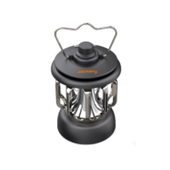
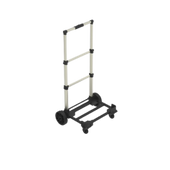


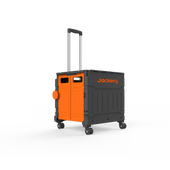








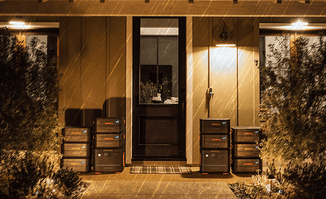




A 72-hour disaster kit is one of the simplest ways to prepare for the unexpected. In the UK, emergencies can take many forms, from storms, flooding, and heavy snow to power cuts, transport disruption, and short-term supply problems. Most of the time, the challenge is not a dramatic long-term crisis. It is the first few days, when everyday services become harder to rely on and households need to manage on their own.
That is why a well-prepared emergency kit matters. In this guide, we look at what to include in a 72-hour disaster kit, how to build extra kits for home, travel, and the car. You will also find tips on storing and checking supplies, staying informed during emergencies, and using a Jackery Solar Generator as a useful backup power option during outages.
|
Key Takeaways: |
|
Why a 72-Hour Disaster Kit Matters?
A 72-hour disaster kit is not about expecting the worst every day. It is about giving yourself and your household a practical buffer when normal services suddenly stop working. In the first hours of a crisis, the main problem is often not total collapse, but disruption.
Power can go out, mobile networks can become unreliable, roads can close, shops can empty quickly, and emergency services may need time to reach the people in greatest danger first.
That is exactly why the European Commission’s preparedness strategy has encouraged households to keep enough essentials to manage for at least 72 hours. It reflects a simple idea: in a serious emergency, self-sufficiency for the first three days can make a real difference.
Europe is dealing with a mix of risks that no longer feel distant or theoretical. Geopolitical tension and armed conflicts have shown how quickly supply chains, fuel markets, and public confidence can be shaken. At the same time, energy security remains a live issue.
Europe is the fastest-warming continent, and the effects are no longer limited to one season or one type of event. Even a short outage becomes more serious when temperatures are very high, roads are impassable, or tap water is temporarily affected. A 72-hour kit helps bridge that vulnerable gap between the moment disruption begins and the point when services are restored.
Be Informed in the UK: Know Who to Call and Where to Check?
In an emergency in the UK, call 999 if there is an immediate risk to life, serious injury, a fire, a crime in progress, or another situation where urgent emergency service attendance is needed. You can also use 112, which works in the UK as well. For urgent medical help that is not life-threatening, NHS 111 is the right route if you are unsure what to do.
- For weather risks, the Met Office should be your main source, especially for official warnings about wind, heavy rain, thunderstorms, snow, ice, fog, and extreme heat.
- If flooding is a concern, use the government’s flood service to check current alerts, warnings, and five-day flood risk information.
- For a power cut, call 105 free of charge or report it online through the official power cut service, which connects you to your local electricity network operator.
- If you smell gas, suspect a gas leak, or are worried about carbon monoxide linked to the gas supply, call the National Gas Emergency Service on 0800 111 999, available 24 hours a day.
- Sign up for alerts and warnings.
|
*Check If You Are Eligible to Sign Up to a PSR |
|
Visit thepsr.co.uk to find out if you are eligible to sign up to your gas, energy or water providers’ Priority Service Registers – by signing up to the register, you can let your supplier know that you need additional support, including when there is an interruption to your supply. |
72-Hour Disaster Kit Checklist
A good 72-hour disaster kit should cover one simple goal: helping you stay safe, hydrated, fed, warm, informed, and able to manage basic health needs for at least three days if normal services are disrupted.

Water
Water is the first priority in any emergency kit. For a 72-hour period, a sensible target is around 4 litres per person per day, especially if you want enough not only for drinking but also for basic hygiene and food preparation.
That means 12 litres per person for three days as a strong planning baseline. Store bottled water in manageable sizes rather than relying only on one large container, because smaller bottles are easier to carry, share, and rotate. Keep them in a cool, dry place and check expiry or replacement dates from time to time.
Food
Your food supply should be simple, filling, and easy to manage without cooking. Official emergency guidance in the UK generally points toward ready-to-eat or non-perishable food for at least three days. Good options include tinned meals, beans, soup, crackers, oat bars, nuts, dried fruit, long-life milk, peanut butter, instant porridge, and other shelf-stable items that match your normal diet as closely as possible.
Do not forget a manual can opener if you are storing tins. If someone in the household has allergies, diabetes, digestive issues, or a medically restricted diet, build the kit around those needs from the start rather than treating them as an afterthought.
First Aid Kit
A proper first aid kit is one of the most useful parts of a 72-hour disaster kit because small injuries often become harder to deal with during a power cut, storm, flood, or evacuation. UK emergency preparedness advice regularly includes a first aid kit among the core essentials.
A well-stocked kit should include plasters, sterile dressings, bandages, antiseptic wipes, adhesive tape, pain relief, gloves, scissors, and any item you would normally reach for in a minor household emergency.
Prescription Medicines and Personal Health Items
Medication should never be left until the last minute. British Red Cross and local UK emergency guidance both highlight the importance of keeping essential medication in your emergency kit, and NHS guidance regularly reminds patients to order repeat prescriptions in advance to avoid gaps. For a 72-hour kit, keep at least several days of prescription medicine where possible, along with copies of prescriptions or a written medicine list.
Light and Power
A torch is one of the most repeatedly recommended items in UK emergency checklists, and it should ideally be paired with spare batteries or a wind-up backup. A battery or wind-up radio matters too, because in a serious outage or extreme weather event, official updates may still be available by radio even when internet access is patchy.
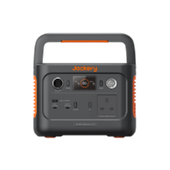
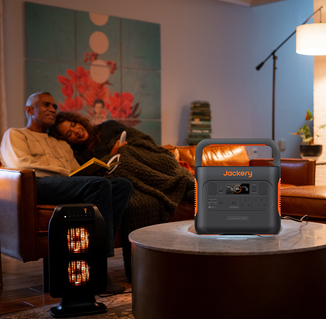
For modern households, power backup now matters almost as much as batteries. A power bank for phones should be part of every 72-hour kit, but for longer outages or higher power needs, a Jackery Solar Generator can be a practical addition. It gives you a cleaner and quieter emergency power source for essentials such as phones, lights, radios, routers, and selected appliances.

Communication and Important Information
Keep a mobile phone charger, a fully charged power bank, and a paper copy of important contact numbers in your kit.
British Red Cross specifically recommends a paper copy because phones can run out of battery or lose signal at the wrong moment. Include emergency numbers, family contacts, your GP, insurer, school contacts, landlord if relevant, and one trusted person outside your local area.
It also makes sense to store copies of key documents in a waterproof pouch. That can include identification, insurance details, prescription lists, utility account information, and home or vehicle details.
Clothing, Warmth, and Shelter Basics
Even if you are planning to shelter at home, spare warm clothes and blankets deserve space in the kit. UK local preparedness guidance often includes spare clothes and blankets, and that makes sense in winter storms, flood events, or power cuts that affect heating. Pack extra socks, a warm layer, waterproofs if relevant, and sturdy shoes if evacuation is possible.
Hygiene and Sanitation
Basic hygiene becomes much more important when water is limited or services are disrupted. Items such as wet wipes, bin bags, and plastic ties for personal sanitation, and many checklists also include toiletries and sanitary products. These are easy to overlook when people focus only on dramatic survival gear, but they make everyday emergency living far more manageable.
A strong hygiene section can include toilet paper, wet wipes, hand sanitiser, soap, toothbrushes, toothpaste, sanitary pads or tampons, nappies, bin liners, and sealable bags for waste.
Cash and Small Essentials
Cash still matters in emergencies, especially when card machines, broadband, or mobile networks go down. Several UK emergency checklists recommend keeping some money and bank cards ready. You do not need a huge amount, but a small reserve of cash in mixed notes can be genuinely useful if digital payments are unavailable for a period.
Baby, Pet, and Household-Specific Supplies
A 72-hour kit should reflect the people and animals actually living in your home. Baby and pet supplies as important additions. That can mean formula, bottles, baby food, nappies, comfort items, pet food, leads, carriers, litter, and any veterinary medication.
For each person, a practical starting point is: 12 litres of water for three days, at least three days of ready-to-eat food, essential medication, a torch, radio, charger or power bank, a basic first aid kit, hygiene supplies, warm clothing, copies of important documents, and a little cash.
More Emergency Supplies to Consider
A basic 72-hour kit is the foundation, but many households in the UK are better off thinking in layers. One kit stays at home, one is ready to grab if you need to leave quickly, and one lives in the car in case you are stranded or delayed on the road.

Emergency Home Kit
An emergency home kit is the supply set you use when you are safest staying where you are. This is the one designed for power cuts, storms, short-term supply disruption, freezing weather, or situations where you are told to remain at home.
UK government and British Red Cross guidance both point to practical basics such as a torch, radio, food, water, medication, chargers, blankets, and important documents.
|
Emergency Home Kit |
||
|
Water |
Non-Perishable Food |
Manual Can Opener |
|
First Aid Kit |
Prescription Medication |
Torch |
|
Battery or Wind-Up Radio |
Phone Chargers |
Blanket or Warm Clothing |
|
Hygiene Items |
Important Document |
Cash and Bank Card |
|
Home & Car Keys |
Baby Supplies |
Pet Supplies |
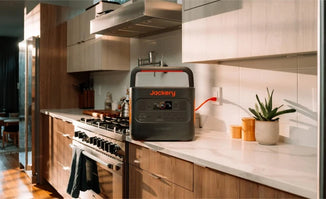
This is also the best place to think about backup electricity in a more practical way. A Jackery Solar Generator can sit alongside your home emergency kit as a useful power source for phones, lights, radios, routers, and selected appliances during outages.
Emergency Kit on the Move
An emergency kit on the move, often called a grab bag, is for situations where you may need to leave home quickly. This could happen because of flooding, fire, evacuation, building damage, or severe weather. Keeping a small, easy-to-carry bag ready with essentials so you are not trying to pack in a rush.
A practical grab bag can include:
|
Emergency Kit on the Move |
||
|
Bottled Water |
Ready-to-Eat Snacks |
Medication |
|
Basic First Aid Supplies |
Phone Charger |
Torch |
|
Copies of Important Documents |
Cash and Bank Cards |
Keys |
|
Toiletries |
Changes of Clothes |
Emergency Blanket |
|
Glasses |
Baby Items |
Pet Supplies |
|
Notebook and Pen |
Emergency Contacts |
Meeting Points |
The key difference here is portability. A grab bag should be light enough to carry without slowing you down too much. It does not need to contain everything from your home kit. It should contain the items that matter most in the first few hours away from home.
Emergency Car Kit
An emergency car kit is designed for breakdowns, severe weather, long diversions, or being stuck on the road. UK government guidance, the British Red Cross, and motoring advice from the Met Office and RAC all recommend keeping a small set of emergency supplies in the boot, especially during winter.
|
Emergency Car Kit |
||
|
Torch & Spare Batteries |
In-Car Phone Charger |
First Aid Kit |
|
Warm Clothes |
High-Visibility Clothing |
Food & Drink |
|
Jump Leads |
Ice Scarper |
Map |
|
Shovel for Snow |
Spare Screenwash |
Gloves |
|
Sturdy Footwear |
Warning Triangle |
Tow Rope |
|
Battery Radio |
Waterproof Clothing |
Flask with Warm Drink |
The car kit should reflect the journeys you actually make. A short urban commute may only need the basics, while longer rural drives in winter call for more warmth, food, and visibility gear. It is also worth checking the kit seasonally.
Make a Plan for Disasters or Emergencies
A 72-hour disaster kit is important, but it works much better when it sits inside a clear household emergency plan. In a real emergency, people often lose time deciding what to do first, where to go, who to call, and what to take. A written plan removes some of that pressure.

Think About the Emergencies Most Likely to Affect You
Start with the risks that make sense for your location and daily life. In the UK, that could mean storms, flooding, heavy snow, extreme heat, power cuts, gas emergencies, transport disruption, or a situation where you need to leave home quickly.
Plan Your Escape Routes
Every household should know at least two ways out of the home if one route is blocked. Walk through your property and identify the main exit and a backup exit. If you live in a flat, think about stairs, communal exits, and what to do if lifts are unavailable. If you live in a house, check windows, side gates, and how you would leave safely at night or in bad weather.
Choose a Meeting Point
Pick one meeting point just outside the home and one outside your immediate area. The first helps during a fire, gas leak, or sudden evacuation. The second is useful if the street is blocked, the area is cordoned off, or family members are in different places when the emergency happens.
For example, your close meeting point could be a neighbour’s driveway, a nearby corner, or the entrance to a local shop. Your wider-area point could be a relative’s house, a library, a community centre, or another easy-to-recognise place.
Write Down Important Phone Numbers
Do not rely only on your mobile phone. Batteries run down, devices break, and signal can be unreliable during severe weather or outages. The UK National Risk Register specifically advises writing important numbers down on paper, including 105 for power cuts.
|
Service |
Number |
When to Use It |
|
Emergency services |
999 |
Immediate danger, serious injury, fire, crime in progress, or any life-threatening emergency. |
|
Emergency services |
112 |
Same emergency service access as 999 in the UK. Useful alternative if needed. |
|
NHS urgent medical help |
111 |
Urgent medical advice when it is not a life-threatening emergency. Also available online in many cases. |
|
Police non-emergency |
101 |
Report non-urgent crime, give information, make police enquiries, or seek advice. |
|
Power cut |
105 |
Report or get help with a power cut through your local network operator in Great Britain. |
|
Gas emergency |
0800 111 999 |
Smell gas, suspect a leak, carbon monoxide emergency, or a struck gas pipeline. |
Write a Simple Household Emergency Plan
A household emergency plan does not need to be complicated. In fact, the best ones are short enough that people will actually use them. Write down:
- Who lives in the home
- Who may need extra help
- Where the emergency kit is stored
- Where the grab bag is kept
- Your escape routes
- Your meeting points
- Your key phone numbers
- Where important documents are stored
- What to do with pets
- Who will collect children if needed
- Who will contact relatives
Try to keep it to one or two pages. Print it and place copies somewhere easy to find. Here is a PDF Household Emergency Plan you can download.
Talk to Children About What to Do
Children cope better in emergencies when they have heard the plan before. Keep the explanation calm and practical. Show them how to recognise smoke alarms, who to go to, where to meet, and when to dial 999. Younger children do not need lots of detail. They mainly need clear instructions, familiar routines, and reassurance.
Prepare Your Home
Emergency planning is not only about what you would do after something goes wrong. It is also about making your home easier to manage beforehand.
- Check smoke alarms regularly.
- Know where you would switch off utilities if it is safe and appropriate to do so.
- Keep torches where you can reach them in the dark.
- Store your emergency kit somewhere dry and easy to access.
- If your area is at flood risk, sign up for flood warnings in advance.
A Jackery Solar Generator can be useful as part of home preparation, especially for keeping phones, lights, radios, routers, and household essentials running during a prolonged outage.
Talk to Others Before an Emergency Happens
Preparedness works better when it is shared. Tell relatives, neighbours, carers, and close friends what your plan is, especially if someone in your household might need extra help. That might include an older person, a disabled family member, a child, or someone who depends on powered medical equipment.
You should also agree on a simple communication plan. For example, decide who will send updates, who will collect children if parents are delayed, and who the out-of-area contact will be if local phone networks are busy.
Review the Plan Regularly
An emergency plan is only useful if it still matches your life. Review it after a house move, a new baby, a medication change, a new school, a change in car ownership, or a new health need in the family. Check batteries, update numbers, refresh food and water, and make sure everyone still knows the meeting point and the basics.
That is often the step people forget, but it is what keeps the plan realistic. A plan made once and ignored for years is much less useful than a simple plan reviewed every few months.
Jackery Solar Generators for Disaster Preparedness
A solar generator can be a practical addition to a disaster preparedness plan because it helps cover one of the first problems many households face in an emergency: loss of power. Keeping torches, a radio, and charged phones ready, and it also notes that communication becomes much harder when devices run flat. That is where a backup power source becomes genuinely useful.
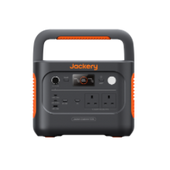
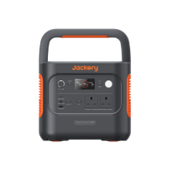
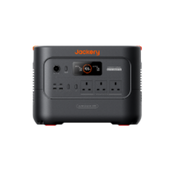
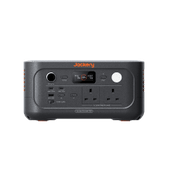
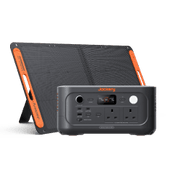
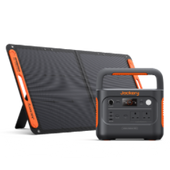
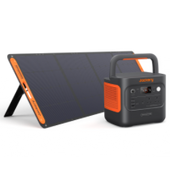
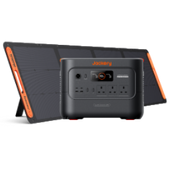
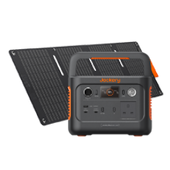
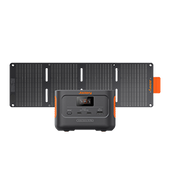
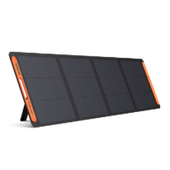
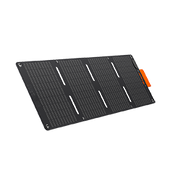
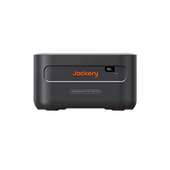
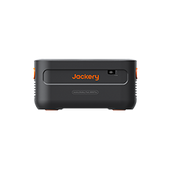
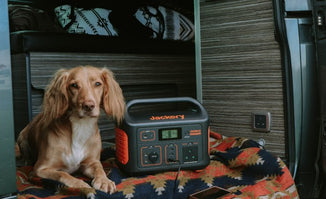
The Jackery Solar Generator setup as a combination of a Portable Power Station and Jackery Solar Panels, with the panels capturing sunlight and the power station storing that energy for later use. A smaller setup can work for communication, lighting, and personal electronics, while a larger model is more suitable for heavier home backup needs.
|
Appliances |
Working Hours |
|
|
Jackery Solar Generator 3000 v2 |
Jackery Solar Generator 2000 v2 |
|
|
Refrigerator (200W) |
11.8 Hrs |
7.7 Hrs |
|
Light (5W) |
96.7 Hrs |
155 Hrs |
|
Radio (8W) |
87 Hrs |
64.4 Hrs |
|
Phone (29W) |
144 Times |
80 Times |
|
CPAP Machine (60W) |
31.8 Hrs |
21.5 Hrs |
(*The working hours are only for reference, the actual working time based on the actual usage)
Jackery Solar Generator 3000 v2
The Jackery Solar Generator 3000 v2 is a strategic choice for UK disaster preparedness because it balances high-capacity home backup with a surprisingly portable, space-saving design. In a region where indoor space can be limited and power outages are often sudden, its specific technical profile offers several advantages.

High Output for "Heavy" British Appliances
UK households often rely on high-wattage appliances like electric kettles (typically 3000W), toasters, and space heaters. 3600W Continuous Output: Unlike many mid-range units that cap at 2000W or 2400W, the 3000 v2 can actually run a standard UK kettle or a high-powered microwave without tripping. 7200W Surge: This handles the massive initial "spike" of power needed to start compressor-based appliances like full-sized refrigerators or sump pumps.
Efficiency in Limited Space
The "v2" model utilizes Cell-to-Body (CTB) technology, which integrates the battery cells directly into the chassis. It is roughly 47% smaller and 43% lighter than previous 3kWh industry standards, weighing about 59.5 lbs. This makes it much easier to move between rooms or load into a vehicle during an evacuation compared to older, bulkier 3000W units.
Unlike petrol generators, it produces zero fumes and operates at a whisper-quiet 27dB (roughly the volume of a library), allowing you to keep it in a living area or bedroom during an overnight blackout.
Reliability for Long-Term Storage
A disaster kit is only useful if it works when you finally need it. ZeroDrain™ Technology: This allows the unit to retain approximately 95% of its charge for up to a year in storage. This is a critical "set-and-forget" feature for emergency kits. LiFePO4 Longevity: The Lithium Iron Phosphate battery chemistry is rated for over 4,000 cycles, meaning it can provide daily backup for over 10 years before the capacity drops to 70%.
Jackery Solar Generator 2000 v2
The Jackery Solar Generator 2000 v2 serves as a more agile, cost-effective alternative to the 3000 v2 while maintaining the same "next-gen" design philosophy. It is particularly well-suited for scenarios where portability and fast emergency recovery are prioritized over absolute maximum power output.

Extreme Portability
The 2000 v2 is significantly easier to handle than its larger sibling. It weighs approximately 38.6 lbs, compared to the 27kg of the 3000 v2. This makes it much more manageable for a single person to carry up and down stairs or load into a car quickly during a flash flood or evacuation.
It is roughly 41% smaller than industry standards for the 2kWh class, taking up about as much space as a medium-sized printer.
Balanced Power Output
While it lacks the 3600W "kettle-crushing" output of the 3000 v2, it still handles the vast majority of UK household needs. 2200W continuous / 4400W surge: This is sufficient for full-sized refrigerators, microwaves, hair dryers, and most power tools. You would simply need to be more mindful of "stacking" high-wattage devices (e.g., don't run the microwave and a space heater at the same time). 2042Wh capacity: In a typical 72-hour blackout, this can keep a standard fridge running for over 30 hours or charge a smartphone over 150 times.
Record-Breaking Emergency Charging
One of the standout features of the 2000 v2 is its "Emergency Super Charge" mode. It can reach a 100% charge in just 1.33 hours (80 minutes) from a UK wall outlet. If you know a storm is hitting in two hours, you can have a completely full battery ready to go in very short order. It supports up to 400W of solar, which is lower than the 3000 v2 but sufficient for maintaining essential levels during multi-day outages if the weather permits.
How to Store and Check Your 72-Hour Disaster Kit?
Proper maintenance is the difference between a kit that provides security and one that offers a false sense of security. A 72-hour disaster kit is not a "set it and forget it" project; it is a living resource that requires regular oversight to ensure every component functions exactly when the grid goes regardless of the season.
Tip 1: Keep it in one easy-to-reach place.
Store your main kit somewhere dry, cool, and easy to access, such as a hallway cupboard, utility room, or another spot you can reach quickly in the dark or during a power cut. UK emergency guidance consistently recommends keeping essential items together so they are ready when needed.
Tip 2: Use sturdy, waterproof containers.
Pack supplies in strong boxes, sealed bins, or waterproof bags. This helps protect food, documents, batteries, clothing, and first aid items from damp, leaks, and general damage. It is especially useful in homes where flooding or water ingress is a possible risk.
Tip 3: Separate home kit and grab bag items.
Keep your larger home emergency kit in storage, but also prepare a smaller bag for leaving quickly. British Red Cross guidance distinguishes between an at-home kit and an emergency kit on the move, which is a practical way to stay organised.
Tip 4: Label everything clearly.
Group similar items together, such as food, water, first aid, hygiene supplies, chargers, and documents. Clear labelling makes the kit much easier to use when you are stressed or in a hurry.
Tip 5: Check expiry dates regularly.
Review food, bottled water, medication, batteries, and other time-sensitive supplies from time to time, and replace anything expired, damaged, or already used. This is one of the simplest ways to keep the kit reliable.
FAQs
The following are frequently asked questions about the 72-hour disaster kit.
1. What should be in a 72-hour disaster kit?
A 72-hour disaster kit should include water, non-perishable food, a first aid kit, prescription medication, a torch, spare batteries, a radio, phone chargers, a power bank, hygiene items, warm clothing, important documents, and some cash. If you have children, pets, or medical needs at home, add those supplies as well.
2. How much water do you need for a 72-hour emergency kit?
A practical rule is to store enough water for three days for each person in the household. Many people aim for around 12 litres per person for 72 hours, depending on drinking, basic hygiene, and food preparation needs. You should also store extra water for pets if you have them.
3. How often should you check a 72-hour emergency kit?
You should check your 72-hour emergency kit every few months. Review expiry dates on food, water, batteries, and medication, and replace anything used, damaged, or out of date. It is also a good idea to check it before winter, storm season, or any period of severe weather.
4. Is a solar generator worth having for emergency preparedness?
A solar generator can be very useful for emergency preparedness, especially during power cuts. It can help keep phones, lights, radios, and other small essentials running when the grid is down.
Final Thoughts
Preparing a 72-hour disaster kit is not about overreacting. It is about making everyday emergency readiness more realistic and more manageable. When bad weather, power cuts, flooding, or sudden disruption affect your area, having the basics already in place can make a real difference to your comfort, safety, and peace of mind.
The best approach is usually a simple one. Build a solid home kit, prepare a smaller grab bag, keep a few essentials in the car, and write down a clear household emergency plan.


