



















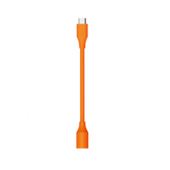
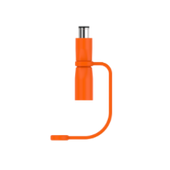






















Many travellers choose to enjoy the freedom of the open road from the comforts of their own homes. A safe electrical connection is essential to this experience, and it all begins with a heavy-duty caravan extension cable. Understanding the technical standards, from amp ratings to weatherproofing, is essential for every UK campground visit.
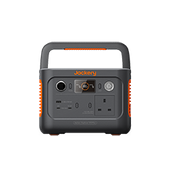
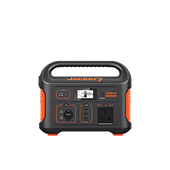
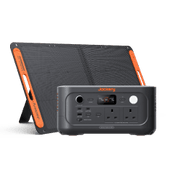
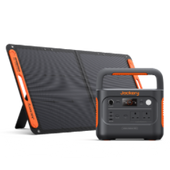
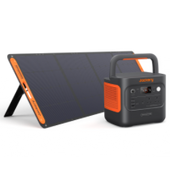
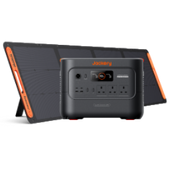
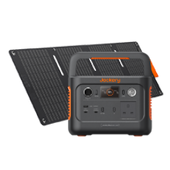
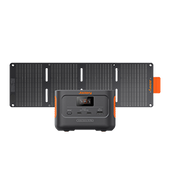
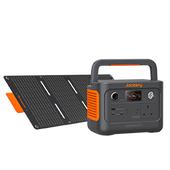
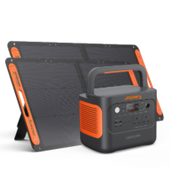
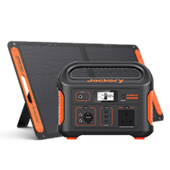
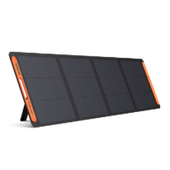
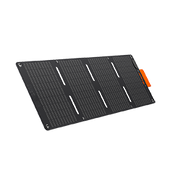
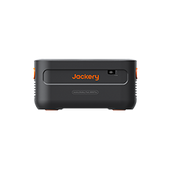
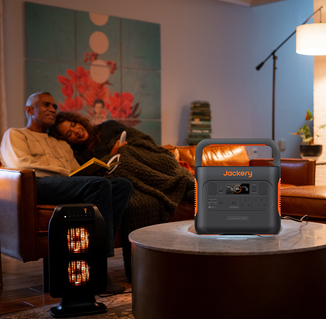
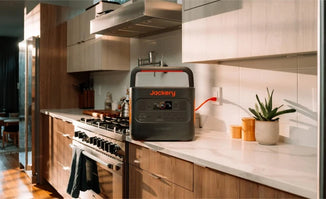
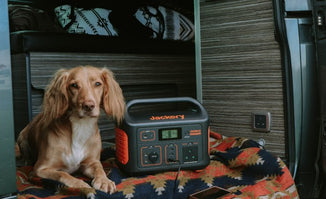
While a physical connection is typical, modern travellers are increasingly supplementing their setups with portable power stations such as the Jackery Portable Power Stations. This guide will teach you everything you need to know about mains connections so that your electronics can be safely powered as you explore the great British outdoors.
|
Key Takeaways: |
|
l Using a heavy-duty caravan extension cable is critical to avoid electrical shocks or fire hazards caused by drawing more current than a standard domestic lead can safely handle. l A continuous caravan 25m extension cable is the best way to get to hook-up posts that might be farther away from your spot. l A caravan extension cable works by having a heavy-duty plug on one end and a matching socket on the other. The plug end goes into the campsite's main power supply post, while the socket end connects to a specialised power input on the outside of the caravan. l When using the cable, make sure it is completely uncoiled and laid out loosely. If you keep it coiled on a reel, it can get hot and provide a major fire risk. l Adding a portable power station like the Jackery Explorer 1000 v2 or 2000 v2 to your setup can provide you energy independence off the grid and make you less dependent on a caravan extension wire. l Three main core wires make up the inside of the cable. Each one has a different job and is marked with certain colours to fulfil safety standards. |
How to Connect the Caravan Electricity?
It's easy to connect a caravan to a power source, which makes sure that all the amenities on board are available during a visit. It is very important to use a caravan extension cable in the right order to make sure it is safe and works well.
Step 1: Checking the Electrical System in The Caravan
Before trying to connect the vehicle to the electrical hook-up post at the campsite, the internal electrical system must be checked to make sure it is working properly.
You should examine the circuit breakers and fuses to make sure they are working properly. Also, all appliances and electronic gadgets should be turned off before the connection process to avoid power surges.
Step 2: Connecting the Caravan Extension Cable
The first step in connecting is to link the caravan extension cable into the vehicle's outside inlet. Most of the time, this socket is on the outside wall of the caravan and is covered by a flap that keeps the weather out. The first step in making sure that the power flow is safe is to make sure that this connection is secure.
Step 3: Connecting to the Campsite Hook-Up Post
Then, the other end of the cable needs to be plugged into the electrical outlet on the campsite's designated hook-up post. These posts are normally tall, strong pillars that are put up within 25 metres of the pitch. For the optimum performance, it is best to have a direct connection without any joins in between.
Step 4: Activating the Power Supply
You can turn on the electrical supply at the camping post once the caravan extension cable is securely connected at both ends. This could mean flipping a breaker switch or turning a rotary dial to the "on" position to start the flow of energy in some cases.
Step 5: Final Testing of the System
Once the electricity is on, the caravan's internal systems should be checked to make sure they are all working properly. This means making sure that the lights, appliances, and other devices are getting power.
To avoid overloading, it's important to use a cable that is rated correctly and meets UK safety standards. Overloading the system is dangerous and can cause a lot of harm to delicate electrical equipment.

How Do Caravan Electric Hook-Up Cables Work?
The main job of a caravan extension cable is to make a safe connection between the infrastructure at a campsite and the internal grid of the vehicle. This specific gear lets a campervan run on a regular mains power source instead of only a leisure battery.
Establishing the Connection
A caravan extension cable works by having a heavy-duty plug on one end and a matching socket on the other. The plug end goes into the campsite's main power supply post, while the socket end connects to a specialised power input on the outside of the caravan. This makes a closed loop that lets electricity flow directly into the car.
Distributing Power to Internal Systems
The caravan's electrical system gets power from the mains supply once the connection is made. This power flow makes it possible to use important things on board, such the fridge, lighting, and TV. It also gives high-draw appliances like kettles the power they need and lets you charge your phone and iPad easily through interior plugs. A high-quality caravan extension cable makes sure that this power distribution is stable for the whole trip.
Which Extension Cable Should I Use for My Caravan?
Choosing the right caravan extension cable is important for making sure you have a safe and steady power supply while you're on the road. People sometimes term these cables "mains hook-up cables" because they are made to work outside.
Understanding the Cable Specifications
Most conventional camper extension cables can handle 16 amps or more, which is enough for the electrical needs of a modern caravan or motorhome. The outer sheath of these cables is strong and weatherproof, so it can protect the inside circuitry from the British weather.
Finding the Three Main Wires
Three main core wires make up the inside of the cable. Each one has a different job and is marked with certain colours to fulfil safety standards:
|
Three Main Wires of Caravan Electricity |
|
Brown: This is the live wire. Blue: This is the neutral wire. Green and Yellow: This is the earth wire. |
The brown and blue cables bring AC electricity to the car's electrical system, and the green and yellow wire keeps everything safe by grounding it.
Factors to Consider When Purchasing
When looking for the best caravan extension cable, you need to think about some technical things to make sure they work together. The length of the cable is very important. Most UK campsites use a 25m caravan extension cable, but if the pitch is farther away from the hook-up post, you may need a longer one.
You should also verify the amp rating to make sure it works with the trailer or campervan you have. Most of them are rated at 16 amps, however other alternatives may be rated at 10 or 25 amps. Also, the quality of the build is very important. To avoid electrical risks, you need to choose a cable made of high-quality materials with better insulation.
Connection and Compatibility
Most caravan extension cables come with a plug on one end that matches the vehicle's intake and a socket on the other end that fits the electrical hook-up post at the campsite. It's very important to make sure that the cable fits the exact trailer or motorhome's intake. Some models may need a different type of connector. Most cables sold in the UK, on the other hand, are made to work with all conventional site posts.
Maintenance and UK Safety Standards
To be in line with UK electrical installation rules, the cable should be checked often for any signs of wear or damage. Replacing a worn cable right away is one of the most important things you can do to make sure you can use it safely and avoid electrical problems while travelling.

Why a Heavy-Duty Caravan Extension Cable is Essential?
A ordinary household lead can't replace a specific caravan extension cable because it doesn't have enough power and isn't safe. A standard house extension chord can handle 10 amps, but most caravans and motorhomes in the UK need a 16-amp power source to work properly.
Using a regular 10-amp home cord can cause you to draw up to 1.5 times more power than the cord is rated for. This extra current makes the wire too hot, which can cause the insulation to melt or possibly catch fire.
Heavy-duty caravan extension cables are made with thicker internal wiring so they may securely manage these greater current demands. Even "heavy-duty 10-amp" cables are not good alternatives; they are just stronger versions of a regular lead and still don't have the power needed for a 16-amp caravan system.
Using the wrong tools might have effects that go beyond safety. For example, if there is an electrical problem, using an unapproved or under-rated caravan extension cable could make a vehicle's insurance coverage worthless.
Determining the Number of Cables Needed
Preparation is key to a successful trip, and many experienced travellers choose to carry at least two cables to ensure flexibility for different pitch layouts. Not all caravan parks in the UK are the same.
Some pitches are right close to a hook-up post, while others are at the very end of the park. A caravan 25m extension cable and a shorter 10m lead are two examples of lengths that make sure the vehicle never loses power, no matter how far away it is from the post.
Also, having a second caravan extension cable is a very important backup in case the first one becomes destroyed while you're on the road.
Managing Electrical Consumption
You need to keep an eye on the total wattage of the gadgets you are using so you don't trip the circuit breaker at the campsite. Most UK sites have a 16-amp or 10-amp supply, and the load on the caravan extension cable can't go over these restrictions. For instance, a mobile fridge and LED TV use very little power (less than 1 amp combined), yet a home kettle or electric heater can use between 4.3 and 8.7 amps apiece.
A caravan extension cable must have a conductor cross-sectional area of at least 2.5mm² for a typical UK 16-amp hook-up. This makes sure that the wire can take a total load of about 3.6kW without getting too hot. Always make sure the cable is completely uncoiled before using it. If you leave it wound on a reel, heat can build up, even if the total wattage is within the limits of the caravan extension cable.
How to Connect to Mains Power at UK Caravan Parks?
When you move from one caravan park to another, you still need to connect to the mains power supply in order to get electricity on board. It is important to make sure that a vehicle is appropriately outfitted so that everything goes smoothly and safely when you arrive at a new pitch.
The Standard Requirement for Site Outlets
Most commercial camper parks in the UK have outlets that can handle 16 amps, although some may only have 10 amps. You can only use a heavy-duty caravan extension cable that satisfies British Standard BS 7671 with these outlets.
Not only is it dangerous to try to use a regular 10-amp extension cord, but site wardens often stop people from doing so since they have a duty to keep electrical fires from happening. A home plug may fit into a bigger 16-amp socket with an adaptor, but it doesn't have the right insulation or wire thickness to support the constant electrical load of a caravan.
Avoiding "Powerless" Stays
If you go to a powered site without the right caravan extension cable, you might not be able to utilise the energy you've already paid for. Site operators put safety first and will often check a visitor's gear to make sure it is safe to use. If a lead is broken or not rated high enough, power may be cut off until a suitable replacement is found.
Key Features of a Compliant Cable
To make sure that the caravan extension cable works with everything and is safe all across the UK, it should have the following features:
Length: A 25m continuous caravan extension cable is the best standard to use to get to hook-up points that might be far distant from the field.
Connectors: It must have the standard blue, round 3-pin connectors (BS EN 60309-2) that are used in all UK parks.
Visibility: A lot of cables are bright orange or yellow so they can be seen in tall grass. This lowers the risk of tripping over them or having them damaged by lawnmowers and other maintenance equipment.
Travellers can make sure their vehicle stays powered securely and dependably on their trip to different UK caravan sites by keeping the right equipment in good shape.
How to Use a Caravan Extension Cable Safely?
To avoid getting shocked or starting a fire, it's very important to use a caravan extension cable safely. Following certain safety rules keeps the power supply constant and keeps everyone in the car safe while they are there.

Inspection Before Connection
It is very important to check the cable for wear and damage before trying to use the machine. If you see any symptoms of fraying, exposed wires, or damaged insulation, you need to replace the lead right away. A broken caravan extension cable is very dangerous, especially in the UK, where the weather is often wet.
Correct Order of Connections
To stay safe, you must follow the connecting sequence exactly. First, link the caravan extension cable into the vehicle's intake, and then plug the other end into the campsite's main power supply. To make sure that a "live" wire is never left laying on the ground, this order should be reversed after disconnecting.
Using Safety Devices
A residual current device (RCD) should always be employed to defend against earth faults as much as possible. Most modern caravans in the UK have an RCD integrated into their consumer unit, however it's important to check this for safety. An RCD is a safety device that cuts off power right away if it finds an electrical leak. This greatly lowers the chance of getting shocked.
Preventing Overheating and Overloads
Managing the load on the caravan extension cable is very important for electrical safety. The cable needs to be completely uncoiled and stretched out loosely. If it stays coiled or tightly twisted on a reel, it can get too hot and start a fire. Also, the overall power demand from appliances should be watched to make sure it doesn't go above the cable's or the site's supply post's amp rating.
Enhancing Your Caravan Electricity Setup with Jackery
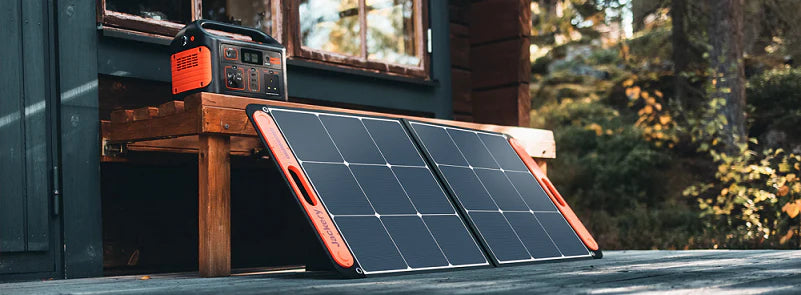
Choosing a Jackery Portable Power Station for your caravan setup in the UK is an increasingly popular alternative to (or upgrade for) traditional fixed leisure batteries. While a standard leisure battery is built into the van’s 12V system, a Jackery offers a "plug-and-play" versatility that is specifically beneficial for the UK’s unique caravanning landscape.
Traditional leisure battery setups often require complex wiring, split-chargers, and external inverters to run 230V appliances. A Jackery combines the battery, a pure sine wave inverter (to safely run laptops/TVs), and a solar charge controller into one box. If you have an older caravan or a "weekend" micro-camper, you can get full mains power without drilling holes or paying for professional electrical installation.
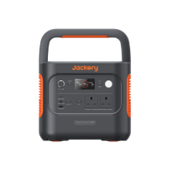
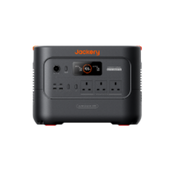
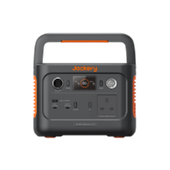
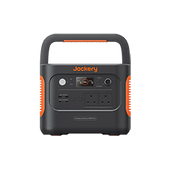
Jackery Explorer 2000 v2
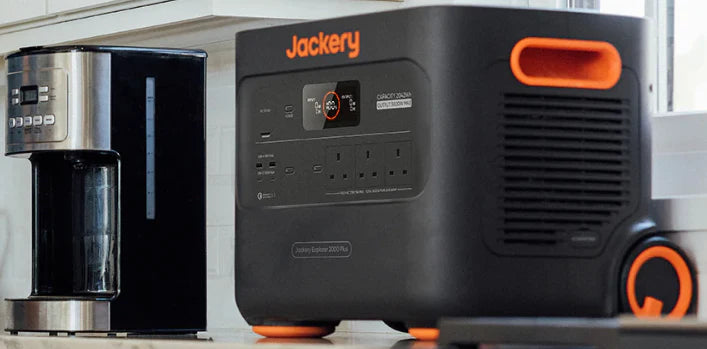
While the Explorer 3000 v2 is a powerhouse for home backup, the Jackery Explorer 2000 v2 is arguably the "Goldilocks" model for caravanning in the UK. It offers high capacity without the bulk, making it a more practical choice for mobile life.

Significant Weight & Space Savings
Space is at a premium in any caravan or campervan. The 2000 v2 is a dramatic improvement over its predecessors. 41% smaller and 36% lighter than the industry standard for 2kWh units. At just 38.6 lbs (17.5 kg), it is roughly 10 kg lighter than the 3000 v2 or the 2000 Plus. This makes it easy to lift in and out of storage lockers or move to an outdoor table for an electric BBQ.
Powers Nearly 95% of Caravan Appliances
Despite its smaller footprint, it maintains a 2,200W continuous AC output (4,400W surge and 2042Wh capacity). For a UK caravanner, this means you can run most UK travel kettles or standard low-wattage ones (under 2.2kW). High-draw grooming tools that often trip smaller power banks. Induction hobs, air fryers, or microwaves for quick off-grid meals.
Rapid "Emergency" Charging
UK weather is famously unpredictable. When the sun disappears, you need to be able to top up quickly during a short stop. It can charge from 0% to 80% in just 52 minutes via the app's "Emergency Super Charge" mode (or 1.7 hours for a full charge). You can top it up via your caravan’s 12V socket while driving between sites.
Whisper-Quiet for Small Spaces
Sleeping in a caravan means you are in close proximity to your gear. The 2000 v2 features a Silent Charging Mode (≤30dB). This is roughly the volume of a whisper, ensuring that if you need to charge your devices or run a CPAP machine overnight, you won't be kept awake by loud cooling fans.
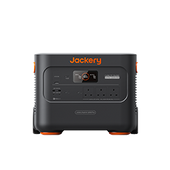
Jackery Explorer 1000 v2
The Jackery Explorer 1000 v2 is widely considered the "sweet spot" for UK caravanning. Released as a significant upgrade to the original 1000 model, it was redesigned specifically to handle the modern needs of van-life and camping in the UK's unique climate and campsite culture.

Significant Power in a Smaller Frame
The v2 model is 18% smaller and lighter than the previous version, weighing only 23.8 lbs (10.8 kg). The 1500W continuous output: This is a crucial jump from the old 1000W limit. In a UK caravan, this means you can finally run "higher-draw" appliances like a travel kettle, a small microwave, or a coffee pod machine without the unit tripping.
Space is tight in UK caravans. The v2 features a foldable handle and a flat-top design, making it easy to stack or tuck away in a cupboard when not in use.
Next-Gen LiFePO4 Battery (10-Year Life)
Unlike older lithium-ion units, the Explorer 1000 v2 uses Lithium Iron Phosphate (LiFePO4) chemistry. You can charge and discharge this unit every single day for over 10 years before the battery capacity even drops to 70%. LiFePO4 is thermally stable and non-flammable, providing peace of mind when you are sleeping in the confined space of a caravan.
"Emergency Super Charge" for the Road
UK weather can change in minutes. If you realise you're low on power before leaving a site with a hook-up, or before a storm hits. By enabling "Emergency Super Charging" via the Jackery App, you can top the battery from 0% to 100% in just 60 minutes at a wall outlet. (Standard charging takes about 1.7 hours to protect battery health).
Whisper-Quiet for UK Campsite Etiquette
UK campsites often have strict "quiet hours" and close-set pitches. <22dB operation: The Explorer 1000 v2 is exceptionally quiet. You can run a CPAP machine or charge your laptop overnight without the fan noise disturbing you or the caravan parked three metres away.
FAQs
The following are frequently asked questions about the caravan extension cable in the UK.
1. Can you use a normal extension cord for a caravan?
No, in short. A basic domestic extension lead is meant to be used indoors and usually has a 10-amp rating. Most caravan parks in the UK have a 16-amp supply, and trailers are made to use more power than a regular household lead can safely handle.
If you use a regular cord, it could get too hot, melt, or even cause a fire. To follow the laws and keep you safe, you must use a heavy-duty caravan extension cable with a 2.5mm² core and connectors that can handle the weather.
2. What is the 6 Metre rule for caravans?
The "6 Metre Rule" is a basic fire safety rule that all UK campsites and caravan parks must follow. It says that there must be at least 6 meters of space between units that are next to each other, like caravans, motorhomes or caravan tents.
This space is used to keep fire from spreading between cars. There are times when cars or awnings are allowed in this area, however there must always be a clear route of at least 3 meters.
3. Can I plug my caravan into house mains in the UK?
Yes, however you can't put a regular caravan extension cable directly into a 3-pin socket in your home because the plugs are different. You need to use a 13A plug to 16A socket adapter, which is also known as a "fly lead," to do this safely.
Be aware that a house socket can only handle 13 amps, so you shouldn't use high-powered goods like electric heaters or kettles in the trailer while it's plugged into a home supply.
4. Does BS7671 apply to caravans?
Yes, BS7671 (particularly the 18th Edition of the IET Wiring Regulations) applies directly to both caravan site installations and the wiring within caravans and motorhomes. Section 721 of the rules talks with the electrical work in caravans. It makes sure that the wiring, grounding, and protection are all up to high safety standards. To follow these British Standards, you need to use a certified caravan extension cable.
5. What is the 4 year rule for caravans?
In the past, the "4-year rule" in UK planning legislation said that some "breaches of planning control," including putting a trailer on land to use as a permanent home, could not be enforced if they had been there for four years without the council stepping in.
But as of April 2024, a new law in England has mostly replaced this with a 10-year norm. This implies that getting "lawful development" status for a caravan without first getting planning clearance is now extremely harder.
Final Thoughts
If you want to have a great caravan holiday, you need to know how to set up your electrical system. You may keep your automobile and your peace of mind safe by buying a compatible caravan extension cable and connecting it in the right order. The Jackery Portable Power Station is a great energy option that works with your existing hook-up gear. It's perfect for anyone who want to go even further off the grid or just want a reliable backup.