









































Understanding the differences between 4WD, AWD, and 4x4 is often the first step in choosing the right car for the UK's changeable weather. Choosing the right powertrain is important for safety and performance, whether you're driving on icy city streets or muddy country roads.
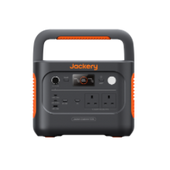
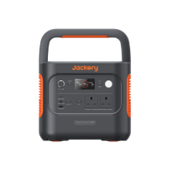
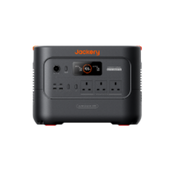
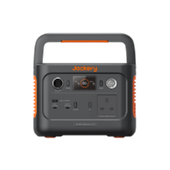
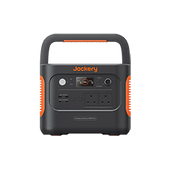
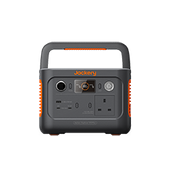
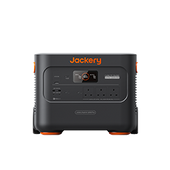
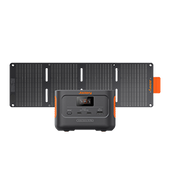
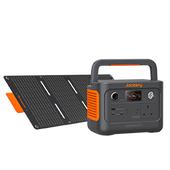
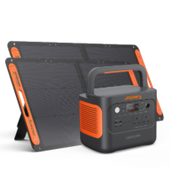
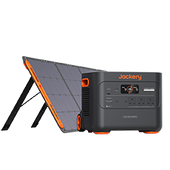
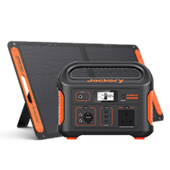
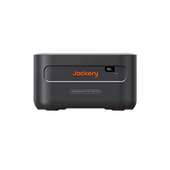
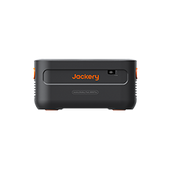
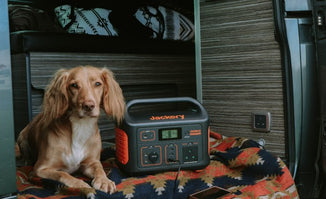
To really make your trip better, you need to connect your car to a stable power source. The Jackery Explorer 1000 v2 and Jackery Explorer 500 v2 are portable power sources that fit well with your on-the-go lifestyle.
|
Key Takeaways: |
|
What Exactly Does 4×4 Mean?
A 4×4 system, often known as 4WD, distributes power equally to all four wheels of a car or truck. This applies exclusively to four-wheel vehicles. While all 4×4 automobiles are 4WD vehicles, not every 4WD is a 4×4. For example, a six-wheel truck may be a 4WD but not a 4×4.
The first four in '4×4' refer to the number of wheels on the vehicle, while the second four indicate how many wheels get power. Most ordinary automobiles have four wheels, but only two are powered.
What Is 4WD?
Four-wheel drive (4WD) systems, often found in larger cars and SUVs, provide excellent grip by distributing power to all four wheels.
This characteristic makes 4WD cars ideal for off-road situations and difficult terrains found in rural or rugged locations of the United Kingdom.
In contrast to AWD, the driver typically engages or disengages 4WD manually. This is often accomplished via a dial that lets you choose from a range of options.
How Does Four-Wheel Drive Work?
Four-wheel drive systems are part-time configurations designed for off-road or highly slippery conditions. Vehicles with these configurations require the driver to physically shift into and out of 4WD by turning a knob, pressing a button, or pulling a lever. This locks the front and rear driveshafts together, ensuring that the front and rear axles revolve at the same speed.
In sand, mud, and snow, this ensures that at least one front and one rear wheel gets engine torque, without depending on computers to forecast or detect wheelslip. That means more force is applied to the ground in ultraslippery conditions to get you started and keep you going. However, 4WD is not meant for usage on paved roads. It's usually reserved for cars with considerable off-road capabilities.

What Is AWD?
AWD vehicles have a system that automatically distributes power to all four wheels, improving grip and handling on slick or uneven ground.
Unlike classic two-wheel-drive cars, AWD systems often operate without driver assistance, automatically adapting to provide optimal traction. An AWD vehicle is useful in typical British weather, providing greater handling in rain, ice, and snow.
How Does All-Wheel Drive Work?
AWD is designed for on-road usage. It can constantly deliver power from the engine to all four tyres. As a result, AWD keeps your car moving ahead more effectively than front- or rear-wheel drive on snow-covered or rain-slicked roadways.
In high-performance automobiles, AWD helps transmit engine torque to the ground when turning at high speeds or when launching from rest with the engine at full power. Many AWD systems easily transfer torque between front and rear tyres as required.
These systems are often capable of switching to two-wheel drive in certain driving conditions to increase fuel efficiency. In such cases, these configurations will often switch to transmitting power to all four wheels as soon as one or both of the driven wheels slide.
AWD can be used on pavement without causing damage, as it is designed to allow each tyre to spin at its own pace in turns—inboard tyres rotate more slowly in bends. This makes AWD a superior technology to 4WD for the ordinary motorist seeking poor-weather protection. As a result, most current SUVs and passenger automobiles include all-wheel drive. It's also becoming more common in pickup trucks, which have traditionally used 4WD.

Understanding the Difference Between 4WD, AWD, and 4x4
In the UK, it's important to understand a car's drivetrain before buying, for both performance and safety. While many motorists use these terms interchangeably, there are distinct differences between 4WD, AWD, and 4x4 systems that dictate how a vehicle handles everything from a rain-slicked motorway to a muddy track in the Highlands.
The Technical Difference Between 4x4 and 4WD Systems
A 4x4 system, often called 4WD, is designed to provide equal power to all four wheels of a vehicle. This name only refers to cars with four wheels. Not all 4WD cars are 4x4, even though all 4x4 cars are officially 4WD. A heavy-duty six-wheel vehicle may have four-wheel drive, but it wouldn't be called a 4x4.
The first "4" in these systems indicates the total number of wheels, while the second "4" indicates how many wheels are powered by the engine. A 4x4 locks the front and rear driveshafts together, unlike a regular passenger car, which powers only two wheels. This ensures that all axles turn at the same speed, delivering maximum power in very slippery conditions.
All-Wheel Drive: The New Way to Drive on Roads
When you look into All-Wheel Drive (AWD), the differences between 4WD, AWD, and 4x4 become clear. AWD is designed for driving on roads and always sends power to all four tyres to increase traction in typical British conditions, such as rain or ice.
AWD systems are quite advanced and often operate without driver assistance. They may automatically adjust by moving torque between the front and rear tyres as needed. Unlike conventional 4WD systems, AWD systems can be safely operated on concrete and asphalt without mechanical damage, since each wheel can spin at its own speed during turns.
Comparing Different Drivetrains
The following table shows the main features of each setup to help you understand the differences between 4WD, AWD, and 4x4.
|
Feature |
4WD (Four-Wheel Drive) |
AWD (All-Wheel Drive) |
4x4 |
|
Power Distribution |
Equal power to all wheels |
Variable power to each wheel |
Equal power to four wheels |
|
Primary Terrain |
Rugged off-road / Mud |
Paved roads / Snow / Rain |
Difficult off-road terrain |
|
Driver Input |
Manual engagement (usually) |
Automatic / Seamless |
Manual or Selectable |
|
On-Road Use |
Not meant for dry pavement |
Ideal for daily road driving |
Reserved for off-road/slippery use |
|
Key Component |
Transfer case / No center diff |
Center differential or clutch |
Transfer case for gear reduction |
Four-Wheel Drive (4WD or 4x4): Pros and Cons
In four-wheel-drive cars, engine power is sent to all four wheels or both axles, rather than just one axle as in front- and rear-wheel-drive cars. A major distinction between 4WD and AWD systems is that 4WD cars don't have a central differential; instead, they use a transfer case to reduce gear ratios.
This mechanical setup lets the driver use four-wheel drive only when needed, not all the time. Most cars in the UK use two-wheel drive on tarmac because the absence of a middle differential allows the front and rear axles to turn at the same speed without "binding" together.
Four-wheel drive has several benefits:
More Grip in Dangerous Situations: This method gives you a huge edge on ice, snow, and mud. Locking the axles together sends power to the wheels with grip, keeping the vehicle moving even when one or two wheels lose contact with a solid surface.
The Versatility of Low-Range Gear: The transfer case lets you use low-range gearing, which increases engine torque. This is important for getting out of tough situations, such as going up a very steep hill or through thick, heavy mud when regular high-range gears could stop working.
Better Grip on Asphalt: Because the 4x4 drivetrain is heavier and has a larger footprint, these cars might feel more grounded, helping them stay stable on uneven or broken roads.
Better Safety Off-Road: A 4x4 is safer to operate off-road because it gives the driver greater predictable control over how the vehicle moves on loose or steep ground.

When thinking about the cons of 4x4 automobiles, it's important to think about:
More Expensive to Buy: Because of the complicated transfer case, additional driveshafts, and heavy-duty axles, these cars cost more at the dealership.
Higher Upkeep Costs: There are more fluids to replace and more parts that might wear down over time in the drivetrain system, since it has more moving parts.
More Gas Used: Because they have more gears and a heavier curb weight, these cars need more energy to move, which makes them more expensive to fill up than RWD or FWD cars.
Longer Distance to Stop: The heavy-duty powertrain system adds significant weight, so even though you may be able to accelerate more quickly in the snow, it will take longer for the car to come to a full stop.
All-Wheel Drive (AWD): Pros and Cons
When comparing 4WD, AWD, and 4x4, it's evident that none of the powertrain systems is always better than the others. Instead, you should look at each one based on your needs and the kinds of roads you could travel on. To get the most out of the powertrain you choose, you always need to use high-quality, well-maintained tyres for safety.
Front-wheel-drive cars are cheaper because they consume less petrol and are easier for new drivers to manage when they understeer. But the weight on the front axle might make the vehicle harder to handle and less responsive at high speeds.
On the other hand, rear-wheel-drive cars have a better ride, greater grip on bends, and better steering control. They also have great traction when you speed up.
The good things of all-wheel drive are:
Control in All Weather Without Gaps: AWD gives you better control in bad weather, such as heavy rain or light sleet. The technology "thinks" for the driver and automatically sends power to the wheels with the highest grip, without the driver having to do anything.
Great Grip While Accelerating: AWD evenly distributes power to all four tyres, reducing wheel spin. This lets you drive away from traffic signals or crossroads more quickly, particularly on wet UK roads.
More Active Safety: AWD systems often work with electronic stability control to prevent skids before they happen, making them a highly safe option for family cars.

The drawbacks of all-wheel drive are:
Weight and High Prices: AWD systems are nonetheless more expensive and heavier than two-wheel-drive systems, even if they are usually lighter than a 4x4.
Bad Fuel Economy: Because many all-wheel-drive systems are "always on" or have additional rotating parts, they require more petrol, making them less efficient in all scenarios.
Not Very Good at Heavy-Duty Work: Most all-wheel-drive systems are great for driving on the road, but they don't have the gear reduction and strong locking mechanisms required for real rock crawling or deep muck.
4WD and AWD and 4x4: Which Should I Drive?
Both 4WD and AWD make more torque than a typical two-wheel-drive car, but the differences between 4WD and AWD and 4x4 systems become clear when you look at how they are used.
4WDs and 4x4s usually perform better in tough off-road situations because they offer stronger mechanical traction and greater physical grip. On the other hand, AWD systems are often better for driving in cities and on paved highways.
The Many Uses of 4x4 and 4WD
A 4x4 or 4WD system is great for those who have to drive on rough roads or in bad weather, as it provides more pulling power when needed. You may choose from many modes on these vehicles, which makes them quite flexible:
4L (Low Range): This mode uses a low gear ratio to deliver the most torque at low speeds. It's great for climbing steep, rough slopes, thick muck, or heavy snow.
4H (High Range): This mode provides four-wheel grip at higher speeds. It's best for firmer yet slippery conditions, like gravel tracks or packed snow.
The Efficiency of All-Wheel Drive (AWD)
AWD vehicles are also great for driving in the snow or on slick roads, which is common in the winter in the UK. When driving in these conditions, the road may quickly change from a rough surface to soft snow, hard-packed ice, or standing water.
The main benefit of AWD is that it can automatically adapt to changing circumstances without the driver having to do anything. This means that AWD cars are a great choice for those who live in colder places and desire a smooth, high-traction ride on regular roads.
Finding Your Ideal Drivetrain
To help you decide which system best fits your needs, the table below breaks down the differences between 4WD, AWD, and 4x4 based on common UK driving factors.
|
Feature |
AWD (All-Wheel Drive) |
4WD / 4x4 (Four-Wheel Drive) |
|
Best Environment |
Urban roads, motorways, and light tracks |
Remote rural areas, farms, and heavy off-road |
|
Winter Capability |
Excellent for ice and light/moderate snow |
Best for deep snow drifts and unplowed lanes |
|
User Experience |
Fully automatic; requires no driver input |
Typically manual; driver selects 2WD, 4H, or 4L |
|
Mechanical Grip |
Intelligent torque shifting between wheels |
Maximum torque via low-range gear reduction |
|
Fuel Efficiency |
More efficient but heavier than 2WD |
Generally lower due to weight and friction |
|
Towing Performance |
Good for light trailers or caravans |
Superior for heavy-duty towing and hauling |
Jackery Portable Power Stations for 4WD and AWD Journeys
If you want to drive off-road or in the winter in the UK, you need to know the difference between 4WD, AWD, and 4x4. But vehicle capacity is just one aspect of the problem. It's important to have a dependable portable power supply for safety and comfort, whether you're driving your 4x4 deep into the Scottish Highlands or going camping in the winter with an AWD car. The Jackery Portable Power Stations are designed to go with these high-traction vehicles by giving them the power they need to operate culinary gear, warm blankets, and navigation gadgets far away from the national grid.
Jackery Explorer 1000 v2: The Ultimate 4x4 Companion
If you drive a 4x4 or 4WD vehicle into rough, off-grid areas, the Jackery Explorer 1000 v2 has the high-capacity power you need for long travels. Your power station has to be just as strong as your 4x4 system since they are designed for rough terrain and bad weather.
This unit has a strong 1070Wh battery capacity, so it can readily power the appliances that require a lot of electricity on long-distance 4x4 trips. You can easily charge it while you're driving from one place to another using your car's 12V outlet.

Fast Charging for Road-Heavy Trips: The "Emergency Charge" mode allows the unit to reach full capacity in just 1 hour. This is perfect for UK road trips where you might move between remote campsites daily; a quick stop at a café or a short drive is often enough to top it up.
Built for Longevity: The move to LiFePO4 (LFP) batteries gives this model a 10-year lifespan with over 4,000 charge cycles. For 4x4 enthusiasts who face bumpy terrain, LFP batteries are inherently more stable and shock-resistant than older lithium-ion versions.
Space-Saving Design: Space is at a premium in any 4x4 rig. The v2 is smaller and lighter than the original model, weighing around 23.8 lbs (10.8 kg). Its fold-flat handle creates a level surface, allowing you to stack other gear on top when the boot is packed.
High Output for Comfort: With a 1500W continuous output (and 3000W surge), it can easily run UK essentials like an electric kettle, a 12V portable fridge, or even a travel hair dryer—appliances that would trip smaller power stations.
Jackery Explorer 500 v2: Compact Power for AWD Explorers
The Jackery Explorer 500 v2 is the appropriate lightweight companion for your AWD car if you choose it because it works well in cities and snowy situations. It strikes a good mix between the convenience of an all-wheel drive system on the road and the versatility to complement your outdoor activity.
It fits neatly in the trunk of most new AWD SUVs without taking up too much room. This type is great for the average driver who sometimes goes into the cold. It has enough power for computers, cameras, and portable lights.

The "Toolbox" Factor (Space Efficiency): In an AWD vehicle or a small 4x4 like a Suzuki Jimny or Land Rover Defender, every inch of cargo space matters. The v2 has been redesigned into a compact, flat-top "toolbox" shape. It measures roughly 31.1×20.5×15.7 cm, making it far easier to wedge between crates or under a seat compared to the bulky, rounded original.
Rapid Charging (Car & Wall): When you're on the move, you don't have 8 hours to wait for a recharge. If you stop at a pub or a campsite with mains power, the 500 v2 can hit 100% charge in just 1.3 hours. It supports high-speed DC charging from your vehicle's 12V socket, meaning a few hours of driving between UK national parks is enough to top the unit back up for the night.
Built for the British Climate: The UK's "four seasons in one day" can be brutal on electronics. The 500 v2 uses a new LFP (LiFePO4) cell chemistry with a ceramic multi-layer membrane. It can discharge effectively at -20°C, which is vital if you're wild camping in the Cairngorms in February.
CTB (Cell-to-Body) Technology: Similar to modern EVs, the batteries are integrated into the chassis, making the unit more vibration-resistant—ideal for the rattling and bumping of off-road "green lanes."
FAQs
The following are frequently asked questions about the differences between 4WD, AWD and 4x4.
1. Is 4x4 the same as 4WD and AWD?
Even though people commonly use the names interchangeably, they refer to distinct types of machines. A 4x4 is a 4WD vehicle in which all four wheels receive power. 4WD is a kind of 4x4, however not all 4WDs are 4x4s.
For example, a six-wheeled vehicle might have 4WD. AWD differs from both of these because it is usually a permanent or "always-on" system that automatically distributes power to all wheels for stability on the road. Traditional 4WD and 4x4 systems, on the other hand, are commonly activated by hand for off-road use.
2. Which is better, AWD or 4WD?
The best system for you depends on where you drive. AWD is usually better for driving in cities, commuting to work, and driving on normal British roads when it's raining or sleeting lightly, since it automatically adapts to provide smooth traction.
For serious off-roading, navigating rough terrain, and dealing with the tough terrains common in the UK countryside, including thick mud or steep, unpaved hills, 4WD is usually preferred.
3. Which is more reliable, 4x4 or AWD?
Mechanical simplicity and electrical intricacy are frequently what make anything reliable. People often think that 4x4 and 4WD systems are better for heavy-duty work because they employ strong mechanical locks and transfer cases.
However, since they are commonly utilised in tougher conditions, the transfer case and differentials may need to be serviced more regularly. AWD systems are quite reliable for everyday use, but they are more complex because they require many sensors and computers to control torque. If the electronics break, repairs may be more expensive.
4. Is it better to have 4WD or AWD in snow?
Most UK drivers on roads that have been graded or ploughed should choose an all-wheel-drive (AWD) vehicle, as it automatically adjusts to light snow and patchy ice without any driver input.
If you live in a rural or hilly area with a lot of snow that hasn't been ploughed, however, a 4WD or 4x4 system is better. The low-range gears (4Lo) of the 4WD system give it the strength to pull through thick drifts where an AWD vehicle could have trouble.
Final Thoughts
In short, the main difference between 4WD, AWD, and 4x4 is how power is distributed between your axles to provide you with the maximum grip when you need it. AWD systems keep you on the road without issues, but 4x4 systems are still the best for off-road driving.
No matter what kind of car you drive, being ready for the trip is important. If you add the Jackery Explorer 1000 v2 and Jackery Explorer 500 v2 to your setup, you'll always have electricity for your trips.