

































Setting up a fish aquarium is about much more than choosing a tank and adding fish. The accessories behind the scenes do most of the real work. They help keep the water clean, maintain oxygen levels, control temperature, support plant growth, and make day-to-day tank care much easier.
For beginners, the number of fish aquarium accessories can feel a bit overwhelming at first. Filters, heaters, lights, test kits, siphons, lids, substrates, and extra add-ons all seem important, but not every aquarium needs the same setup.
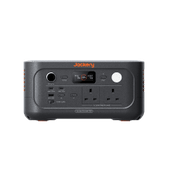
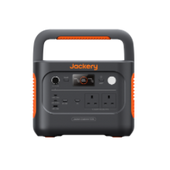
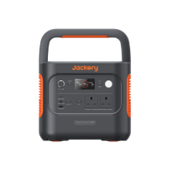
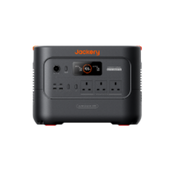
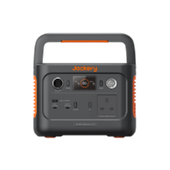
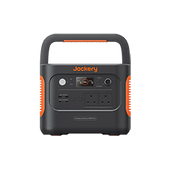
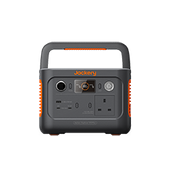
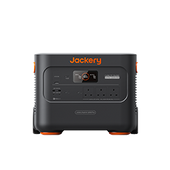
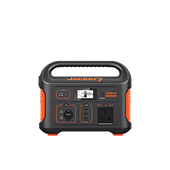
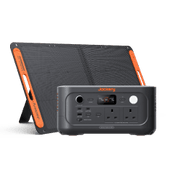
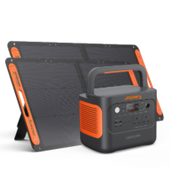
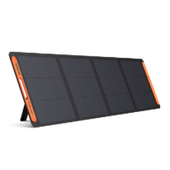
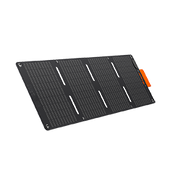
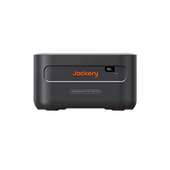
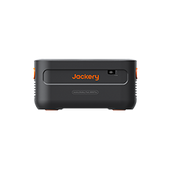
This guide brings those essentials together in one place. It covers the main categories of aquarium accessories, explains how to choose the right equipment. You will also see where a reliable backup solution such as a Jackery Portable Power Station may fit in, especially for emergencies or short power cuts.
|
Key Takeaways: |
|
How to Choose a Fish Aquarium: Types of Tanks and Practical Buying Tips
Choosing a fish aquarium sounds simple at first, but the tank itself shapes almost everything that comes later. It affects what fish you can keep, how easy the aquarium is to maintain, how stable the water conditions stay, and how well the tank fits into your home.
There is no single “best” fish tank for everyone. Different tank styles suit different homes and fishkeeping goals.

Standard Rectangular Aquarium
This is the most common and practical option. A rectangular tank gives fish more horizontal swimming space, is usually easy to equip, and works well for both freshwater and saltwater setups. It is also one of the easiest shapes to clean and decorate. For most beginners, this is still the safest starting point.
Nano Aquarium
A nano tank is a small aquarium, often chosen for desks, flats, or tight spaces. It can look neat and modern, but small tanks are usually harder to keep stable. Water temperature, waste levels, and water chemistry can shift faster in a smaller volume. They are attractive, but they are not always the easiest option for first-time fishkeepers.
Tall Aquarium
Tall tanks can look elegant, especially in narrow spaces, but they are not always the most practical. Many fish prefer horizontal swimming room rather than height. Cleaning can also be a little more awkward, especially near the bottom.
Bow Front Aquarium
A bow front tank curves outward at the front, which gives a more decorative look and can make the tank feel larger visually. Many people choose this style for living rooms or display areas. The main trade-off is that cleaning the curved glass may be slightly less convenient than cleaning flat panels.
Corner Aquarium
Corner tanks are designed to fit into unused corners of a room. They can save floor space and create a striking focal point. Shape and access can make equipment layout and maintenance a bit more complicated than with a standard rectangular tank.
Rimless Aquarium
Rimless tanks have a clean, minimalist appearance and are popular in modern interiors. They often look more premium and pair well with planted tanks or carefully designed aquascapes. Because they rely on strong glass construction and visible neatness, they usually suit aquarists who care about presentation and regular upkeep.
All-in-One Aquarium
An all-in-one tank often comes with built-in filtration, lighting, and sometimes a lid or cabinet. This can make setup easier, especially for beginners who do not want to piece everything together separately. It is a convenient choice, though the built-in equipment may not always offer the same flexibility as a custom setup.
|
Tank Type |
Best For |
Main Benefits |
Things to Watch |
|
Standard Rectangular |
Most homes and beginners |
Practical, easy to maintain, good swimming space |
Less decorative than some designer tanks |
|
Nano Tank |
Small spaces, minimalist setups |
Compact, stylish, lower initial size footprint |
Water conditions change faster |
|
Tall Tank |
Narrow spaces, display use |
Elegant look, useful where floor space is limited |
Less horizontal swimming space |
|
Bow Front |
Decorative home display |
Attractive front view, spacious feel |
Curved glass can be trickier to clean |
|
Corner Tank |
Making use of room corners |
Space-saving and visually striking |
Access and layout can be less convenient |
|
Rimless Tank |
Modern interiors, aquascaping |
Clean premium appearance |
Needs careful setup and regular tidy maintenance |
|
All-in-one Tank |
Beginners wanting convenience |
Equipment often included, simpler buying process |
Less flexibility for upgrades |
How to Choose the Right Fish Aquarium?
Once you know the tank styles, the next step is choosing the one that actually fits your needs.
1. Start with the Fish You Want to Keep
The best aquarium depends heavily on the fish. Small community freshwater fish need very different conditions from cichlids, goldfish, marine fish, or planted aquarium species.
Some fish need more swimming length.
Others need more volume because they grow large or produce more waste. A tank that looks big enough in a shop may still be too small for the species you want.
2. Choose a Tank Size That Gives You Stability
Many beginners assume smaller tanks are easier because they take up less room and cost less. In practice, a slightly larger tank is often easier to manage because the water stays more stable.
3. Think About Glass or Acrylic
Most home aquariums are made from glass or acrylic.
- Glass tanks are more common. They resist scratches better and usually stay clearer over time. They are often heavier, but many fishkeepers prefer them for their durability and familiar look.
- Acrylic tanks are lighter and can come in more unusual shapes. However, they scratch more easily, so cleaning must be done carefully.
4. Check What Equipment Is Included
Some aquariums are sold as tank-only models, while others come as full kits. A kit may include a filter, heater, light, lid, and sometimes even a cabinet. This matters because the initial price can be misleading. A cheap tank may not look so cheap after you add everything needed for a safe setup.
5. Consider Long-Term Running Costs
The aquarium is only part of the cost. Larger tanks may need stronger filters, more substrate, more lighting, and more water for changes. Saltwater tanks usually need more equipment again. At the same time, very small tanks can be demanding in a different way because they need close monitoring.
Fish Aquarium Accessories Checklist
A fish tank is never just a glass box with water. The accessories you choose shape water quality, fish health, daily maintenance, and how enjoyable the aquarium is to keep over time.
Some items are essential from day one, while others are optional upgrades that make tank care easier or improve the look of the setup. The easiest way to choose properly is to group aquarium accessories by purpose. Below is a practical fish aquarium accessories checklist, organised by category so it is easier to plan your setup.
Download the Fish Aquarium Accessories PDF Checklist>>
 Equipment for Keeping Water Clean
Clean, stable water is the foundation of a healthy aquarium. This is where filtration matters most. A good filter removes waste, helps beneficial bacteria grow, and keeps water moving.
Internal Filters vs External Filters
- Internal filters sit inside the tank. They are common in small and medium aquariums, especially beginner setups. They are usually affordable, easy to install, and simple to maintain.
- External filters sit outside the aquarium, usually in the cabinet below. They offer stronger filtration, hold more filter media, and free up space inside the tank. They are often preferred for medium to large tanks.
In general, internal filters suit simpler tanks, while external filters are often better for larger aquariums or setups with more fish.
Small, Medium, and Large Filters
The right filter size depends on tank volume, fish load, and the type of aquarium.
- Small filters are usually suitable for nano tanks or lightly stocked small aquariums.
- Medium filters suit many standard home tanks with moderate stocking.
- Large filters are better for bigger tanks, messy fish, or aquariums that need stronger filtration.
A filter should not be chosen by size alone. It also needs to match the flow requirements of the fish. Some species like stronger movement, while others prefer calmer water.
Filter Media
Many fishkeepers focus on the filter unit itself, but the media inside also matters.
- Mechanical media traps debris.
- Biological media supports beneficial bacteria.
- Chemical media can help with specific issues such as odour or impurities.
A well-equipped filter usually combines more than one type.
|
Checklist: Water Cleaning Equipment |
||
|
Internal filter |
External filter |
Filter cartridges |
|
Sponge media |
Ceramic or biological media |
Activated carbon or other chemical media |
|
Replacement filter parts |
Pre-filter sponge |
Spray bar or outlet attachments |
Equipment for Maintaining Oxygen Levels
Fish and beneficial bacteria need oxygen, and many aquariums benefit from extra aeration. Water movement at the surface is often enough in some tanks, but in others, air equipment helps improve oxygen exchange.
Air Pumps
An air pump pushes air through tubing into the tank. It is often used to power air stones, diffusers, or sponge filters. This is especially common in freshwater aquariums, quarantine tanks, and tanks where extra surface movement is useful.
Air Stones and Diffusers
Air stones break the air into small bubbles.
Diffusers spread air more evenly and can create a finer bubble effect depending on the design.
These do not just add bubbles for appearance. They can help improve water circulation and surface agitation.
Airline Tubing and Connectors
Air systems also need the supporting parts that make them work properly. Airline tubing carries the air from the pump to the tank, while check valves and connectors help keep the setup safe and tidy.
|
Checklist: Oxygen and Aeration Items |
||
|
Air pump |
Air stone |
Air diffuser |
|
Airline tubing |
Check valve |
Control valve |
|
Airline connectors |
Sponge filter |
Suction clips for tubing |
Temperature Control Equipment
Stable temperature is important for fish health. Tropical fish, in particular, need a consistent environment rather than constant fluctuations.
Heater
A heater keeps the water within the correct temperature range for the fish you keep. Even in homes that feel warm enough, room temperature can drop at night or change seasonally.
The heater should be chosen for the tank size and used according to the needs of the species. It also helps to place it in an area with good water flow so heat spreads evenly.
Thermometer
A thermometer tells you whether the heater is actually maintaining the right temperature. It is a simple item, but it is essential. A heater without a thermometer leaves too much guesswork.
Digital and stick-on thermometers are both common, though many fishkeepers prefer something easy to read at a glance.
Lighting
Lighting does more than make the aquarium look attractive. It affects plant growth, fish colour visibility, and the daily rhythm of the tank.
For tanks with live plants, proper lighting supports photosynthesis and healthy growth. In non-planted tanks, lighting still helps create a natural day and night pattern and makes it easier to enjoy the aquarium.
Too much light can contribute to algae problems. Too little light can make the tank look dull and may not support plants properly. Balance matters more than brightness alone.
How to Choose Aquarium Lighting
The right light depends on the tank size, depth, and whether you keep live plants. A simple fish-only setup usually needs practical viewing light, while planted tanks often need more suitable intensity and duration. Look at:
- Tank length and width
- Whether the tank has live plants
- How bright the room already is
- Whether you want adjustable brightness or timer functions

Tools for Tank Upkeep and Cleaning
Regular maintenance is much easier when you have the right tools. These are the everyday items that help keep the tank clean without creating stress for the fish.
A fish net helps when moving fish, removing floating debris, or catching uneaten food.
A siphon or gravel vacuum is one of the most useful tools for water changes and substrate cleaning.
Brushes and scrapers help remove algae from glass, decorations, and equipment.
These are not glamorous items, but they are the tools that usually save the most time.
|
Checklist: Tank Upkeep Tools |
||
|
Fish net |
Gravel vacuum |
Siphon hose |
|
Bucket for aquarium use only |
Algae scraper |
Glass cleaning magnet |
|
Filter brush |
Pipe brush |
Towel or cleaning cloth |
|
Aquascaping tweezers |
Aquascaping scissors |
Gloves |
Water Monitoring and Testing Items
An aquarium may look clean while the water chemistry is still wrong. That is why testing and water treatment products matter so much, especially in new tanks.
Test Kits
Test kits help you monitor the most important water parameters. In freshwater tanks, this often includes ammonia, nitrite, nitrate, and pH. Depending on the setup, you may also want to check hardness or other values. Testing is especially important during cycling, after adding fish, and whenever something seems off.
Water Conditioner
A water conditioner makes tap water safer by removing or neutralising chlorine and chloramine. This is one of the most essential supplies for many freshwater setups.
Other water treatment products can also help depending on the tank, but a good conditioner is the starting point.
|
Checklist: Water Monitoring and Testing |
||
|
Ammonia test kit |
Nitrite test kit |
Nitrate test kit |
|
pH test kit |
Multi-parameter test kit |
Water conditioner |
|
Bacteria starter |
Water test strips |
Liquid test kit |
|
GH/KH test kit if needed |
Salinity tester for marine tanks |
|
Safety and Protection Items
Aquariums should be safe for both fish and the home around them. A few protective items can prevent common problems such as jump-outs, water splashes, cable issues, and accidents.
Lid and Covers
A lid helps reduce evaporation, keeps fish from jumping out, and stops dust or household contamination from entering the water. It can also help stabilise temperature.
Some tanks come with fitted lids, while others need a separate cover.
Safety Materials
Safety also includes the setup around the tank. Cables should be arranged neatly, plugs should be protected from splashes, and the stand should be stable enough for the aquarium’s full weight.
|
Checklist: Safety & Protection |
||
|
Aquarium lid |
Glass or plastic cover |
Cabinet mat or foam base if required |
|
Cable clips |
Drip loops for power cords |
Splash protection around plugs |
|
Locking lid clips if needed |
Child- or pet-conscious cover design |
|
Substrate: Gravel, Sand, and Stones
Substrate affects both appearance and function. It helps define the look of the tank and may also support plants or bottom-dwelling fish.
Gravel
Gravel is one of the most common choices. It is practical, beginner-friendly, and available in many colours and sizes. It also tends to be easier to clean than very fine substrate.
Sand
Sand creates a softer, more natural look and suits certain fish better, especially species that sift or rest on the bottom. However, it can compact more easily and may need a bit more attention during maintenance.
Stones and Specialty Substrates
Decorative stones can be used as part of the layout, and planted tanks may use nutrient-rich substrate layers depending on the goal of the aquarium.
|
Checklist: Substrate Materials |
||
|
Gravel |
Sand |
Decorative stones |
|
Plant substrate |
Root tabs for plants |
Substrate levelling tools |
Fish, Plants, and Decorations
This is the category most people think about first, but it should come after the life-support basics. Once filtration, temperature, and water quality are covered, you can plan the look and stocking of the tank.
Fish
Choose fish based on tank size, compatibility, water conditions, and long-term adult size rather than impulse. A beautiful tank still needs a sensible stocking plan.
Plants
Live plants can make the tank feel healthier and more natural. They also help many aquariums look more balanced and finished. Artificial plants are easier to manage and still provide shelter and visual structure.
Decorations
Decorations give fish places to hide and help shape the style of the aquarium. Driftwood, rocks, caves, and ornaments can all work well, as long as they are aquarium-safe.
|
Checklist: Fish, Plants, and Decorations |
||
|
Fish suitable for your tank |
Live plants |
Artificial plants |
|
Driftwood |
Rocks |
Caves or shelters |
|
Background panels |
Aquarium-safe ornaments |
|
It is easy to overspend on aquarium accessories, especially at the start. A better approach is to buy the essentials first: filtration, temperature control, water treatment, testing supplies, substrate, and the basic cleaning tools. Once the tank is stable, you can add upgrades based on how you actually use it.
The most useful aquarium accessories are not always the most expensive ones. Often, the best setup is the one that keeps the water stable, makes maintenance manageable, and gives fish a safe, consistent environment.
Jackery Portable Power Stations for Fish Aquariums
A fish aquarium does not usually use as much electricity as people expect, but it does rely on power in a very consistent way. Filters often run 24/7, heaters switch on and off throughout the day, lights may stay on for several hours, and some tanks also use air pumps, wavemakers, UV sterilisers, or automatic feeders.
That means aquarium power use is less about one high-watt appliance and more about a group of smaller devices working continuously. Over time, that steady demand matters. It also means that during a power cut, even a short interruption can become a problem, especially for tanks that depend on filtration, oxygenation, and stable temperature.
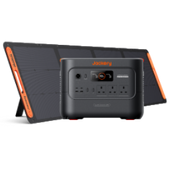
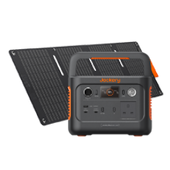
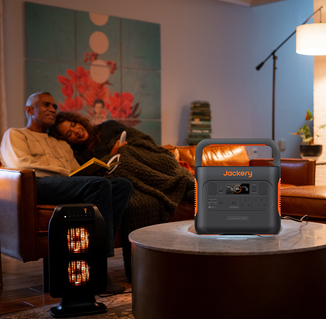
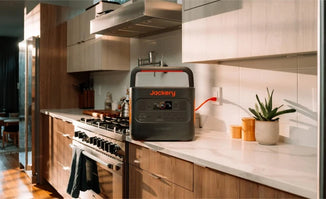
This is where a portable backup power option can make sense. A Jackery Portable Power Station can help keep essential aquarium equipment running during outages, and it can also give you more flexibility in managing important daily power needs around the tank.
The table below shows general wattage ranges for common aquarium equipment.
|
Aquarium Item |
Typical Wattage |
Jackery Explorer 3000 v2 |
Jackery Explorer 2000 v2 |
|
Small Internal Filter |
3–10W |
81.6-104.4H |
59.8-79.7H |
|
Medium Internal Filter |
8–20W |
62.2-87H |
44.1-64.4H |
|
External Canister Filter |
10–40W |
42.1-81.6H |
28.9-59.8H |
|
Air Pump (Small) |
2–5W |
96.7-108.8H |
72.8-83.7H |
|
Air Pump (Medium to Large) |
4–15W |
70.6-100.4H |
50.7-76.1H |
|
Aquarium Heater |
25–300W |
8.1-55.6H |
5.3-38.9H |
|
LED Aquarium Light |
5–120W |
18.4-96.7H |
12.1-72.8H |
|
UV Steriliser |
5–30W |
50.2-96.7H |
34.9-72.8H |
|
Wavemaker / Circulation Pump |
5–50W |
36.3-96.7H |
24.6-72.8H |
|
Protein Skimmer |
8–40W |
42.1-87H |
28.9-64.4H |
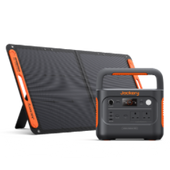
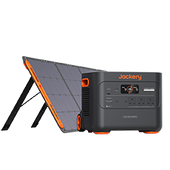
Jackery Explorer 3000 v2
Aquarium hobbyists know that even a brief power outage can be catastrophic for sensitive fish and coral. The Jackery Explorer 3000 v2 is a professional-grade insurance policy for your home aquarium, offering features that go far beyond a simple battery backup.

20ms UPS (Uninterruptible Power Supply)
The most critical feature for an aquarium is the Ultra-Fast UPS. Seamless Transition: If the UK grid fails, the 3000 v2 switches to battery power in less than 20 milliseconds.
This is fast enough that your filters, air pumps, and heaters will not even "flicker" or restart. Maintaining constant oxygenation and water flow is vital for preventing the rapid buildup of ammonia that can kill fish during a blackout.
Massive 3072Wh Capacity for Long-Term Outages
Typical UK tropical aquariums (heaters, LED lights, and filters) consume between 30W and 150W on average. The 3000 v2 can power a standard 200-litre tank setup for 24 to 48 hours straight.
You can use the Jackery App to turn off "non-essential" aquarium lights while keeping the life-support systems (filter and heater) running for even longer—potentially up to 3 or 4 days.
Pure Sine Wave for Sensitive Equipment
Aquarium equipment, particularly variable-speed DC pumps and high-end LED controllers (like those from Fluval or Ecotech), is sensitive to "dirty" electricity.
The 3000 v2 provides a Pure Sine Wave AC output, which is identical to the power from your wall socket. This prevents humming in motors, overheating in pumps, and potential circuit damage to expensive lighting controllers.
Whisper-Quiet for Living Room Placement
Most aquariums are centerpiece features in living rooms or bedrooms. In "Silent Mode," the unit operates at just 27dB. This is quieter than most aquarium air pumps or the gentle bubbling of the water itself. It can sit near your tank without creating a noisy distraction.
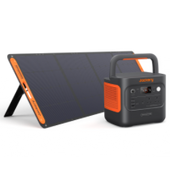
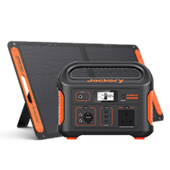
Jackery Explorer 2000 v2
The Jackery Explorer 2000 v2 is the compact, high-efficiency sibling of the 3000 v2. While the 3000 v2 is built for maximum capacity, the 2000 v2 focuses on a "best-in-class" power-to-weight ratio, making it much easier to integrate into a standard UK home or a medium-sized aquarium setup.

Revolutionary Compactness (CTB & GaN)
The 2000 v2 is significantly more portable than other stations in the 2kWh category. 41% Smaller: Thanks to Cell-to-Body (CTB) integration and a Gallium Nitride (GaN) inverter, it occupies much less floor space. At just 17.5 kg, it is roughly 10 kg lighter than the 3000 v2. This is a massive advantage if you need to move the unit from a storage cupboard to your fish tank or home office during a sudden outage.
High-Efficiency GaN Inverter
The 2000 v2 uses GaN (Gallium Nitride) technology in its inverter, which is more efficient than the silicon-based inverters found in many older models. It loses less energy to heat during the DC-to-AC conversion. This means you get more of the 2042Wh capacity actually powering your appliances. Because it runs cooler, the fans don't engage as often, maintaining that critical ≤30dB silence for indoor use.
Professional-Grade UPS Protection
Like the 3000 v2, this unit features a ≤20ms UPS switchover. 20ms is faster than a human blink and is the industry standard for preventing desktop PCs, Wi-Fi routers, and aquarium filters from restarting during a power cut. When plugged into the wall, your devices run directly off the grid (up to 1500W), preserving the battery's lifespan for when you actually need it.
Hyper-Fast "Emergency" Charging
In the UK, where storms can cause rolling blackouts, the ability to recharge quickly between outages is vital.
0–80% in 52 Minutes: Using "Emergency Super Charging" via the Jackery App, you can top up almost the entire battery in under an hour.
1.7 Hour Full Charge: A complete 0–100% charge from a standard UK wall socket takes less than two hours.
What Are the Signs That My Fish Aquarium Accessories Need Replacing?
Fish tank accessories do not last forever. Some parts wear out slowly and become less effective over time, while others fail more suddenly. The tricky part is that aquarium equipment can look “good enough” on the outside even when performance has already started to drop.

Your Filter Is No Longer Working Properly
The filter is one of the most important parts of the aquarium, so problems here should never be ignored. If the filter starts to lose performance, the water can become dirty or unstable quite quickly. Signs your filter or filter parts may need replacing:
- Weaker water flow than usual
- Unusual rattling, buzzing, or grinding sounds
- Repeated clogging even after cleanin
- Leaking around seals or housing
- Motor not starting reliably
- Water staying cloudy despite regular maintenance
- Damaged sponges, cartridges, or media baskets
Sometimes the full filter does not need replacing, only the worn part. Sponges, impellers, seals, and cartridges may simply be at the end of their usable life.
The Heater Is Struggling to Maintain Temperature
A heater may still switch on, but that does not always mean it is working accurately. If the temperature starts drifting or changing more than usual, the heater may be wearing out. Signs your heater may need replacing:
- Water temperature is inconsistent
- Heater turns on and off at the wrong times
- Thermometer reading does not match heater setting
- Visible condensation or water inside the heate
- Cracks in the glass or casing
- Rust or damage around seals
- Heater fails to power on
The Air Pump Has Become Weak or Unreliable
Air pumps are small, but they matter in tanks that rely on extra aeration. Over time, the diaphragm or internal parts can wear down. Signs your air pump may need replacing:
- Weaker bubbles than before
- Pump has become much noisier
- Inconsistent airflow
- Pump vibrates excessively
- It stops and starts unpredictably
- It no longer powers air stones or sponge filters well
Aquarium Lights Are Dimming or Flickering
Lighting affects both the appearance of the aquarium and, in planted tanks, the health of the plants. Old or failing lights often change gradually, so the decline can be easy to miss. Signs your aquarium light may need replacing:
- Visible flickering
- Light is dimmer than before
- Colour looks different or uneven
- Sections of the light no longer work
- Timer functions fail regularly
- The fixture overheats
- Plant growth declines without another clear reason
FAQs
The following are frequently asked questions about the fish aquarium accessories in the UK.
1. How often should I clean my aquarium?
Light cleaning should usually be done every week. That often includes checking the glass, removing waste, and changing part of the water. A deeper clean depends on the tank size, filter type, and stocking level, but most aquariums benefit from regular weekly maintenance rather than occasional heavy cleaning.
2. Can I use household items as fish tank accessories?
It is better not to unless you are completely sure they are aquarium-safe. Many household items can release harmful chemicals, rust, paint, or residues into the water. Products made specifically for aquariums are the safer choice.
3. Can fish tank accessories be used in both freshwater and saltwater tanks?
Some can, but not all. Basic items such as nets, siphons, and certain tanks may work for both. However, filters, pumps, lights, heaters, decorations, and testing products are not always equally suitable for freshwater and saltwater use. Always check the product details before using it in a marine tank.
4. How much fish a week is safe?
Add fish slowly rather than all at once. For a new tank, adding a small number of fish each week is usually the safer approach so the filter can adjust to the extra waste. The exact amount depends on tank size, fish species, and filtration, so there is no single number that fits every aquarium.
5. How long should I leave my tank before adding fish?
You should wait until the tank has completed its nitrogen cycle. In many cases, that takes around 2 to 6 weeks, depending on the setup and cycling method. The safer approach is not to count days alone, but to add fish only when water tests show the tank is ready.
Final Thoughts
The right fish aquarium accessories do more than complete the setup. They help create a stable, healthy environment where fish and plants can thrive. From filters and heaters to lighting, testing kits, and cleaning tools, each item plays a part in keeping the tank safe, practical, and easier to manage over time.
A good approach is to focus on the essentials first, then add upgrades based on the needs of your aquarium rather than buying everything at once. When accessories are chosen carefully and replaced when needed, the tank becomes more reliable and much more enjoyable to maintain.


