
































Hair dryers may only run for a few minutes at a time, but they are still among the higher-wattage appliances used in daily routines. That is why understanding hair dryer wattage matters. This guide explains the key electrical terms behind hair dryer power use, shows how much electricity different wattages consume, and breaks down what that means for UK energy bills.
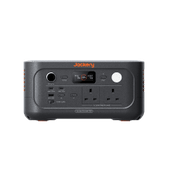
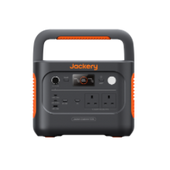
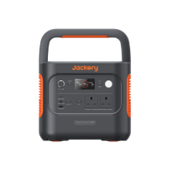
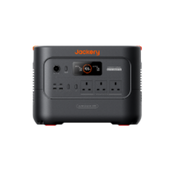
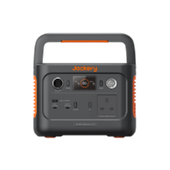
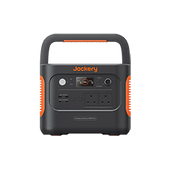
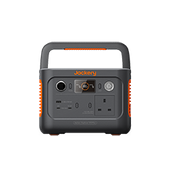
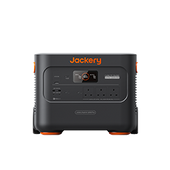
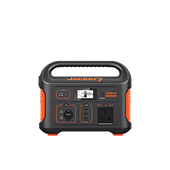
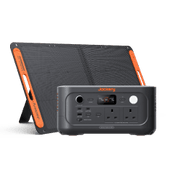
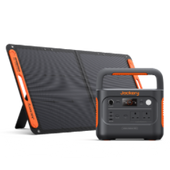
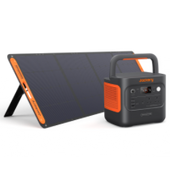
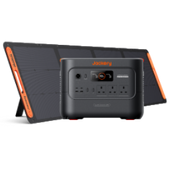
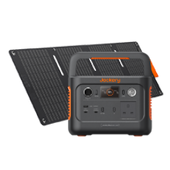
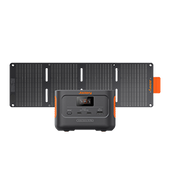
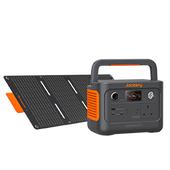
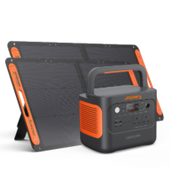
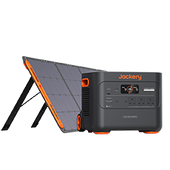
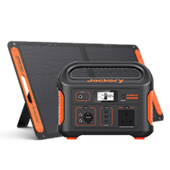
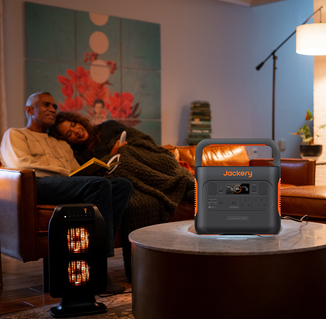
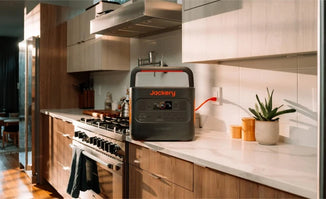
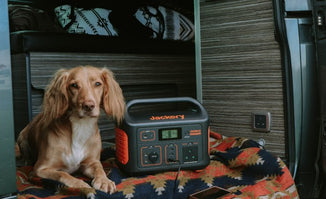
It also looks at how to calculate your own hair dryer’s energy use, how to reduce costs in everyday use, and when a Jackery Portable Power Station may be suitable for running a hair dryer at home, on the road, or off-grid.
|
Key Takeaways: |
|
How Many Watts Does a Hair Dryer Use?
How many watts does a hair dryer use? The answer lies in wattage, the measurement that quantifies a hair dryer's energy consumption and performance.
Definition of Amps, Volts, Watts, Running Watts, and Kilowatt-hours (kWh):
To understand the intricacies of hair dryer wattage, it's crucial to grasp the fundamental electrical terms that form the foundation:
- Amps (amperes): Amps represent electric current—the flow of electrons in a circuit. It measures the number of electrons passing through a point in a given time, indicating the rate of electricity flow.
- Volts: Volts denote the electrical potential difference, or voltage, which signifies the force that propels electrons through a circuit. It's the push that drives the electric current.
- Watts: A watt is a unit of power equivalent to one joule per second. It's a measure of how quickly energy is consumed or produced. Watt indicates how much energy is used or produced per unit of time. In the context of a hair dryer, it quantifies the rate at which electrical energy is transformed into heat and airflow.
- Running Watts: Running watts pertain to the power a device requires to operate normally while running. For a hair dryer, this encompasses the energy consumed by the motor, heating element, and other components.
- Kilowatt-hours (kWh): Kilowatt-hours measure energy consumption over a specific period. It's the product of the power (in kilowatts) and the time the device operates. This unit is commonly used for billing by utility companies.
Low to High-Wattage Hair Dryers
The best hair dryer wattage relies on your hair type, styling preferences, and worry about hair dryer power usage. It's all about striking the appropriate balance between creating the ideal look and conserving energy.
- Low Wattage (800–1400W): These hair dryers lead the way in terms of power consumption efficiency. They are ideal for folks who value environmental stewardship and are willing to sacrifice some speed for increased energy efficiency. Suitable for fine or thin hair types.
- Medium Wattage (1400–1800W): This range creates a compromise between drying time and hair dryer power usage. It works well with a variety of hair types and is a popular choice for everyday styling.
- High Wattage (1800W or above): When you need to get the job done quickly, high-wattage hair dryers are your best option. They provide tremendous airflow and are ideal for thick or long hair. However, take in mind how they affect hair dryer power usage and electricity expenditures.

How Many Watts Does A Hair Dryer Use Per Minute?
How many watts does a hair dryer use per minute while you're getting ready? Let's break it down: a hair dryer's energy usage is measured in watts.
Watts shows how much electricity something uses in a certain amount of time. Now, on average, a regular hair dryer uses about 1500 watts. So, it means it is using 25Wh a minute.
Estimate your hair dryer's energy consumption.
Typically, hair dryers rely on around 1,500 to 2,000 watts of electricity to function.
These watts represent the energy they need to produce the warm air that dries and styles your hair.
If you consider using your hair dryer for about 10 minutes every day, this seemingly short span accumulates over time. Within a month, your 10-minute daily hair-drying routine amounts to roughly 9.13 kilowatt-hours (kWh) of electricity. When you extend this usage pattern over a year, it adds up to approximately 109.5 kWh.
Over the course of a year, different wattage hair dryers consume varying amounts of electricity. Here's how much electricity you'll use over the course of a year for various wattage hair dryers, assuming you run it for a moderate period of time (10 minutes a day or 70 minutes a week):
|
Hair Dryer Wattage |
Hours per Year Run |
Yearly kWh of Electricity |
|
1500W |
60.8 Hrs |
91.2 kWh |
|
1600W |
60.8 Hrs |
97.3 kWh |
|
1700W |
60.8 Hrs |
103.4 kWh |
|
1800W |
60.8 Hrs |
109.5 kWh |
|
1900W |
60.8 Hrs |
115.5 kWh |
|
2000W |
60.8 Hrs |
121.6 kWh |
How to Find the Wattage of a Hair Dryer?
Finding the wattage of a hair dryer is usually quite simple. In most cases, the wattage is clearly listed on the appliance itself, on its packaging, or in the product information. Once you know where to look, you can quickly tell whether the hair dryer is a low-, medium-, or high-wattage model.
The easiest way is to look directly at the hair dryer. Manufacturers usually print the wattage on a small label or rating plate. You can often find it:
- On the handle
- Near the plug cord entry
- On the back of the dryer body
- On the base of the appliance
Most hairdryers feature a power rating label that indicates their highest possible wattage. The wattage range for hair dryers typically spans from 800 to 1800 watts. A hair dryer's energy consumption varies based on its mode. The cool air mode, which uses unheated air, can have minimal energy usage, potentially as low as 70 watts.
Check the Product Listing Online
If you know the brand and model, you can search for it online. Retailers and manufacturer websites usually include the wattage in the product description or technical specifications.
Look for Voltage and Current Information
Sometimes the label may show voltage (V) and current (A) instead of wattage directly.
In that case, you can estimate wattage using this formula:
- Watts = Volts × Amps
For example:
230V × 8A = 1840W
So if your hair dryer says 230V and 8A, its wattage is about 1840 watts.
Check Different Heat or Speed Settings
Not every hair dryer uses the same amount of power all the time.
A model rated at 2000W may only reach that level on its highest heat and airflow setting. On lower settings, it may use less electricity. So if you are checking energy use, keep in mind that the maximum rated wattage is not always the constant running wattage.
Factors Affect the Hair Dryer Wattage
Hair dryer wattage is not chosen at random. It depends on how the dryer is designed, what kind of users it is made for, and how much airflow and heat it needs to produce. In simple terms, wattage affects how powerful the hair dryer is, how quickly it dries hair, and how much electricity it uses.

Hair Type
One of the biggest factors is the type of hair the dryer is meant to handle. People with fine, thin, or short hair usually do not need extremely high wattage. A lower-wattage hair dryer is often enough because the hair dries more quickly and needs less heat.
People with thick, coarse, curly, or long hair often prefer a higher-wattage dryer. These hair types usually take longer to dry, so a more powerful model can speed up the process.
Drying Speed
Wattage is closely linked to how fast a hair dryer can dry hair. A higher-wattage dryer can usually generate stronger airflow and more heat, which helps remove moisture faster. That is why professional or salon-style dryers often have higher wattage ratings.
Lower-wattage models tend to dry more slowly, but they may still work well for light use or simple daily styling.
Heat Output
The amount of heat a hair dryer is designed to produce also affects its wattage. More heat usually requires more electrical power. If a dryer is built to reach higher temperatures, it will often have a higher wattage. This can help shorten drying time, but too much heat may also increase the risk of heat damage if used carelessly.
Airflow Strength
Hair dryers do not rely on heat alone. Airflow also matters. A dryer with a stronger motor can push more air through the appliance, which improves drying performance. Stronger airflow often means higher power demand, and that can increase the wattage.
Intended Use
The purpose of the hair dryer also affects its wattage.
A travel hair dryer is usually designed to be small, lightweight, and convenient, so it often has lower wattage.
An everyday home hair dryer usually sits in the mid-range, offering a balance between drying speed and energy use.
A professional salon hair dryer is more likely to have high wattage because it is made for fast drying, repeated use, and handling different hair types throughout the day.
How Much Does It Cost to Run a Hair Dryer in the UK?
Based on your assumption of 10 minutes of hair-dryer use per day, and using Ofgem’s current average electricity unit rate for a standard variable tariff paid by Direct Debit — 24.67p per kWh from 1 April to 30 June 2026 — here is what it costs to run a hair dryer in the UK.
The formula is:
Cost = Power (kW) × Time (hours) × Electricity Rate
For example, a 1500W hair dryer used for 10 minutes per day uses about 0.25 kWh per day, which works out to about 6.17p per day at 24.67p/kWh.
Hair Dryer Running Cost in the UK
Assuming 10 minutes per day:
|
Hair Dryer Wattage |
Daily Use |
Monthly Use (30 days) |
Yearly Use (365 days) |
|
800W |
3.29p |
£0.99 |
£12.01 |
|
1000W |
4.11p |
£1.23 |
£15.01 |
|
1200W |
4.93p |
£1.48 |
£18.01 |
|
1400W |
5.76p |
£1.73 |
£21.01 |
|
1500W |
6.17p |
£1.85 |
£22.51 |
|
1800W |
7.40p |
£2.22 |
£27.01 |
|
2000W |
8.22p |
£2.47 |
£30.02 |
Low-wattage hair dryers: 800W to 1400W
These are the cheapest to run. At 10 minutes a day, they cost roughly 3.29p to 5.76p per day, or about £12.01 to £21.01 per year.
Medium-wattage hair dryers: 1400W to 1800W
This range gives a balance between speed and running cost. At the same usage level, the cost is about 5.76p to 7.40p per day, or around £21.01 to £27.01 per year.
High-wattage hair dryers: 1800W to 2000W+
These dry hair faster, but they cost more to run. Based on 10 minutes a day, an 1800W to 2000W model costs about 7.40p to 8.22p per day, or around £27.01 to £30.02 per year.
Even a high-wattage hair dryer is not usually very expensive to run in the UK because it is normally used for short periods. The difference between an 800W model and a 2000W model, at 10 minutes a day, is only about £18 per year.

How to Calculate How Much Energy Your Own Hair Dryer Uses?
Working out how much energy your own hair dryer uses is actually quite simple once you know the basic formula. The main things you need are the hair dryer’s wattage and how long you use it. After that, you can calculate the electricity used per minute, per use, per day, or over a month or year.
Step 1: Find the Wattage of Your Hair Dryer
First, check how many watts your hair dryer uses. You can usually find this:
- On the label of the hair dryer
- In the user manual
- On the product box
- On the product page online
This number tells you how much power the hair dryer uses when running.
Step 2: Convert Watts to Kilowatts
Electricity usage is usually measured in kilowatt-hours (kWh), so you need to convert watts into kilowatts. The formula is:
- Kilowatts = Watts ÷ 1000
Examples:
1200W ÷ 1000 = 1.2kW
1500W ÷ 1000 = 1.5kW
1800W ÷ 1000 = 1.8kW
Step 3: Work Out How Long You Use It
Now calculate how long you use the hair dryer. Time for electricity calculations should be in hours, not minutes. The formula is:
- Hours = Minutes ÷ 60
Examples:
5 minutes = 5 ÷ 60 = 0.083 hours
10 minutes = 10 ÷ 60 = 0.167 hours
15 minutes = 15 ÷ 60 = 0.25 hours
Step 4: Calculate the Energy Used Per Session
Now multiply the hair dryer’s power in kilowatts by the number of hours used. The formula is:
- Energy used (kWh) = Power (kW) × Time (hours)
Example 1: 1500W hair dryer used for 10 minutes
1500W = 1.5kW
10 minutes = 0.167 hours
So: 1.5 × 0.167 = 0.25kWh
That means the hair dryer uses about 0.25 kWh per session.
Step 5: Calculate Daily Energy Use
If you use the hair dryer once a day, the result from Step 4 is also your daily energy use. For example:
If one use = 0.25kWh
Then daily use = 0.25kWh
If you use it more than once a day, multiply by the number of uses. For example:
0.25kWh × 2 = 0.50kWh per day
Step 6: Calculate Monthly Energy Use
To estimate monthly electricity use, multiply the daily energy use by the number of days in a month. The formula is:
- Monthly energy use = Daily kWh × 30
Example:
Daily use = 0.25kWh
Monthly use = 0.25 × 30 = 7.5kWh
So the hair dryer uses about 7.5 kWh per month.
Step 7: Calculate Yearly Energy Use
To estimate yearly usage, multiply the daily energy use by 365. The formula is:
- Yearly energy use = Daily kWh × 365
Example:
Daily use = 0.25kWh
Yearly use = 0.25 × 365 = 91.25kWh
So the hair dryer uses about 91.25 kWh per year.
|
Hair Dryer Wattage |
Usage Time |
Energy Used Per Session |
|
1200W |
10 minutes |
0.20kWh |
|
1500W |
10 minutes |
0.25kWh |
|
1800W |
10 minutes |
0.30kWh |
|
2000W |
10 minutes |
0.33kWh |
How to Save Your Electric Bills When Using Hair Dryer?
Using a hair dryer does not usually cost a huge amount on its own, but regular use can still add up over time, especially if you use a high-wattage model every day. The good news is that a few simple habits can help reduce electricity use without making your routine difficult.
 Choose the Right Wattage for Your Hair Type
One of the easiest ways to cut electricity use is to avoid using a hair dryer that is more powerful than you really need.
If you have fine, thin, or short hair, a lower-wattage dryer is often enough. You may not need a 2000W model if your hair dries quickly anyway.
If you have thick, long, or curly hair, a higher-wattage dryer may still make sense because it can reduce drying time. In some cases, a more powerful dryer used for a shorter time can be more efficient than a weaker one used for much longer.
Towel-Dry Your Hair First
This is one of the most effective ways to reduce hair dryer energy use. Before switching on the dryer, gently remove as much water as possible with a towel or microfibre hair wrap. The less moisture left in your hair, the less time the dryer needs to run.
Let Your Hair Air-Dry Partially
If you have time, let your hair dry naturally for a while before using the dryer. For example, you can let your hair air-dry to about 50% to 70% dry first, then use the hair dryer only for finishing and styling. This reduces the running time and therefore the electricity used.
Use a Lower Heat or Speed Setting When Possible
Many people automatically use the highest heat setting, but that is not always necessary. If your hair is already partly dry, a medium or low setting may be enough. Lower settings can reduce power draw on some models and may also help protect your hair from heat damage.
Upgrade to a More Efficient Hair Dryer
An old hair dryer may not be as efficient as a newer one. Modern models are often designed with better airflow, better heat control, and improved motor efficiency. That means they may dry hair faster, even if the wattage is similar.
Use an Alternative Power Source to Charge Hair Dryer
While a hair dryer is only used for a few minutes, its high wattage adds up on a monthly bill. You can "arbitrage" energy prices using a Jackery Portable Power Station. Use the Jackery App to schedule charging during off-peak hours (e.g., between 00:00 and 05:00 on tariffs like Octopus Agile or Go). You then use that "cheap" stored energy to run your hair dryer during expensive peak morning hours.
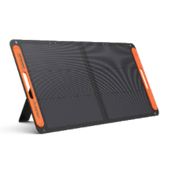
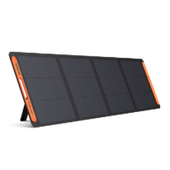
In the spring and summer, charging a Solar Generator 2000 v2 with SolarSaga 200W panels provides literally free energy. A 5-minute hair drying session uses roughly 0.15–0.20 kWh. If your Jackery is solar-charged, that cost drops from ~25p per session to £0.
The Best Portable Power Stations for a Hair Dryer
Using a Jackery Portable Power Station to power a hair dryer involves balancing the high wattage requirements of the appliance with the efficiency of the power station's battery architecture.
A standard hair dryer in the UK typically draws between 1200W and 2200W. To run this successfully "on the go" or to save on bills, the internal voltage and inverter technology are critical.
|
Jackery Products |
Capacity |
Output Ports |
Hair Dryer Watts |
Working Hours |
|
Jackery Explorer 3000 v2 |
3072Wh |
AC Output: 3 Ports, 230V~ 50Hz, 13A Max, 3600W Total, 7200W Surge peak USB-A Output: 2 Ports, 18W Max, 5-6V⎓3A, 6-9V⎓2A, 9-12V⎓1.5A USB-C Output: 2 Ports, 100W Max, 5V⎓3A, 9V⎓3A, 12V⎓3A, 15V⎓3A, 20V⎓5A Car Port: 12V⎓10A Max |
Small Hair Dryer (800-1400W) |
1.8-3.2 Hrs |
|
Medium Hair Dryer (1400-1800W) |
1.4-1.8 Hrs |
|||
|
Large Hair Dryer (1800W above) |
1.4 Hrs |
|||
|
Jackery Explorer 2000 v2 |
2042Wh |
AC Output: 2 Ports, 230V ~ 50Hz, 10A Max, 2200W Rated, 4400W Surge peak USB-A Output: 1 Port, 18W Max, 5-6V⎓3A, 6-9V⎓2A, 9-12V⎓1.5A USB-C Output: 2 Ports, USB-C1: 30W Max, 5V⎓3A, 9V⎓3A, 12V⎓2.5A, 15V⎓2A, 20V⎓1.5A; USB-C2: 100W Max, 5V⎓3A, 9V⎓3A, 12V⎓3A, 15V⎓3A, 20V⎓5A Car Port: 12V⎓10A Max |
Small Hair Dryer (800-1400W) |
1.2-2 Hrs |
|
Medium Hair Dryer (1400-1800W) |
0.9-1.2 Hrs |
|||
|
Large Hair Dryer (1800W above) |
0.9 Hrs |
Jackery Explorer 3000 v2
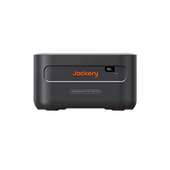
The Jackery Explorer 3000 v2 is the premier choice for powering a hair dryer in the UK, particularly because it addresses the two biggest hurdles: massive power draw and portability. While smaller units may struggle or run out of energy quickly, the 3000 v2 is engineered for high-wattage sustained performance.

High-Voltage Efficiency (51.2V Architecture)
Hair dryers are among the most energy-intensive appliances, often requiring 1800W–2200W in the UK. Because the internal voltage is high (51.2V), the unit draws less current (Amperes) to achieve that high wattage. This prevents the internal wiring from overheating, ensuring the unit remains safe and quiet even during long drying sessions.
Stepping up power from 51.2V to the UK's 230V AC is far more efficient. This means less energy is lost as heat, giving you more of the 3072Wh capacity for your styling.
Massive 3600W Output & 7200W Surge
UK hair dryers often have a high "inrush" current—a massive spike of power the moment you turn them on. With a 3600W continuous output, the 3000 v2 can run even the most powerful professional-grade hair dryers at full heat and speed without breaking a sweat. The 7200W peak surge capacity ensures that the initial power spike won't trip the station's safety breakers, a common issue with smaller 1000W or 1500W units.
Lightweight "CTB" Design
Despite being a 3kWh powerhouse, the 3000 v2 features Cell-to-Body (CTB) technology. At just 59.5 lbs, it is roughly 47% more compact than previous 3kWh models. This makes it feasible to keep in a bedroom or utility room and move it to where you need it, rather than being stuck near a fixed wall socket.
If you are using it on the go (like in a campervan or at a professional shoot), the built-in wheels and handle allow for easy "luggage-style" transport.
Saving on UK Electric Bills
The 3000 v2 is more than just a battery; it’s an energy management tool for the UK's fluctuating electricity prices: Using the Jackery App, you can schedule the unit to recharge during the cheapest overnight hours (such as on an Octopus Agile or Go tariff). You can then use that "low-cost" electricity to run your hair dryer during expensive peak morning hours.
Jackery Explorer 2000 v2
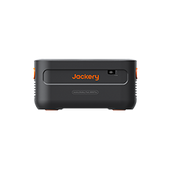
The Jackery Explorer 2000 v2 is often considered the "sweet spot" for powering a high-wattage appliance like a hair dryer in the UK. While a 1000W unit might struggle with professional-grade dryers, and a 3000W unit is much heavier, the 2000 v2 provides the specific mechanical and technical profile needed for high-heat styling.

2200W Output & 4400W Surge
Hair dryers are notorious for their high "inrush current" (the massive spike of power needed when the heating element and motor first kick in). Most UK hair dryers pull between 1600W and 2100W. The 2000 v2’s 4400W surge capacity ensures that flipping the hair dryer to "High" won't trip the power station's safety circuit breaker.
It can maintain a steady 2200W flow, allowing you to use the maximum heat and speed settings without the unit overheating or shutting down.
High-Voltage GaN Inverter
The 2000 v2 utilizes a 44.8V internal battery paired with a Gallium Nitride (GaN) inverter. Since a hair dryer is essentially a machine that turns electricity into heat, it is extremely energy-intensive. The GaN inverter is roughly 90% efficient at converting DC battery power into 230V AC.
Lower voltage systems generate significant heat inside the power station when running a hair dryer. The 44.8V/GaN architecture stays cooler, ensuring more of your 2042Wh capacity is used for drying your hair rather than being lost as heat inside the Jackery.
Ultimate Portability for "On the Go"
If you are at a UK campsite or in a campervan, space and weight are at a premium.
35% Lighter: At only 38.6 lbs, the 2000 v2 is dramatically easier to move from a vehicle to a styling mirror than the 2000 Plus.
Compact Footprint: Its Cell-to-Body (CTB) design makes it roughly 41% smaller than traditional 2kWh units, meaning it can tuck away in the corner of a dressing area or under a van seat easily.
Financial "Arbitrage" for UK Bills
With UK electricity prices fluctuating, you can use the 2000 v2 to offset the cost of high-wattage grooming: In the summer, you can fully charge the 2000 v2 for free using SolarSaga 200W panels. Since a 10-minute hair drying session uses about 0.3kWh, you could get a full week of styling for free on a single solar charge.
If you have an economy tariff (like Octopus Go), you can use the Jackery App to schedule the unit to charge at 7p/kWh overnight. Using that stored power for your 2000W hair dryer during the 30p/kWh morning peak saves you money every single day.
FAQs
The following are frequently asked questions about the hair dryer.
1. Is 2000 watts good for a hair dryer?
Yes, a 2000W (watt) hair dryer is considered very good, offering a powerful, fast, and efficient drying experience suitable for most hair types, especially thick or coarse hair. This power level ensures quick drying times, making it excellent for everyday home use and salon-quality results.
2. Is 1000 watts good for a hair dryer?
A 1000 watt hair dryer is best for fine to medium hair types, providing gentle drying and styling. Thick hair might require higher wattage for quicker results.
3. What is Philips hair dryer wattage?
Philips hair dryers have different models with varying wattage ratings. There are 1000 watts, 1300, and also 1600 watts Philips hair dryers.
4. What is Remington hair dryer wattage?
The Remington hair dryer has 1875 watts; however, some models use 2400 to 3000 watts of energy.
5. What is the average wattage of a hair dryer?
The average wattage of a hair dryer can range from slightly lower than 500W to as high as 3600W. However, 1000W to 1800W is the more typical range.
6. Can a Jackery Portable Power Station run a hair dryer?
Yes, some Jackery Portable Power Stations can run a hair dryer, but it depends on the hair dryer’s wattage and the Jackery model’s continuous AC output. Hair dryers are high-draw appliances, so this is mainly about output power first, then battery capacity second.
Final Thoughts
"How many watts does a hair dryer use?" it depends on the model, features, and intended use. A hair dryer's wattage can vary from 800 to 1800 watts. A hairdryer that runs at a greater wattage, such as one that does so at 1800 watts, is typically more potent and capable of producing a stronger airflow.
It's crucial to consider a hair dryer's wattage when discussing energy sources like portable power stations. We have also discussed and recommended the best Jackery Portable Power Stations to make your living on the go a comfortable and convenient experience, and also lower your electric bills.


