































There could be a variety of reasons why someone wants to start homesteading in the UK. Many people enjoy the idea of being more self-sufficient. Growing your own food may undoubtedly provide a sense of security and pride. So, the first step in beginning a homestead is to find adequate land.
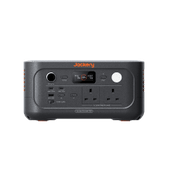
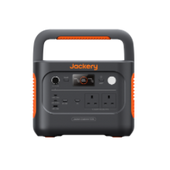
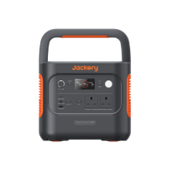
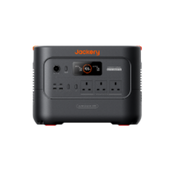
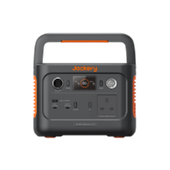
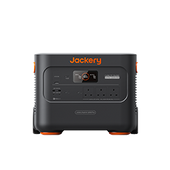
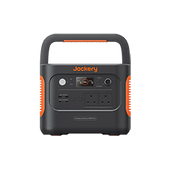
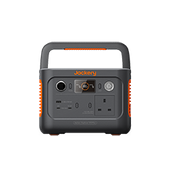
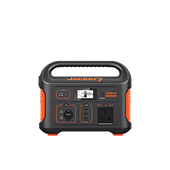
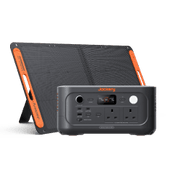
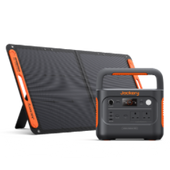
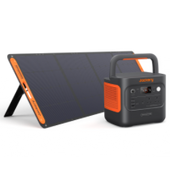
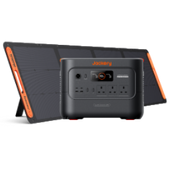
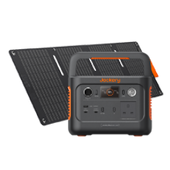
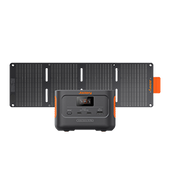
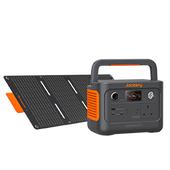
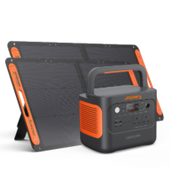
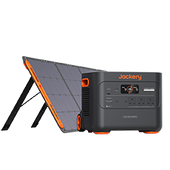
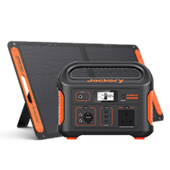
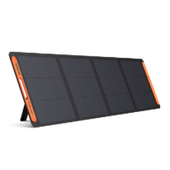
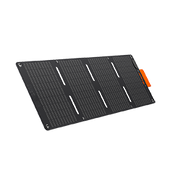
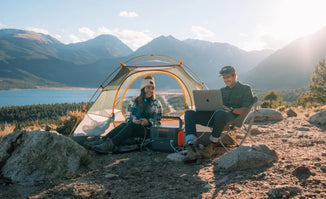
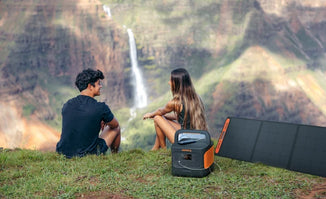
Please ensure that the site is zoned for agricultural or similar purposes. Furthermore, homesteading often implies sustainability; consider green options such as solar power systems. The portable solar sources, such as the Jackery Explorer 3000 v2 and Explorer 2000 v2, offer a reliable power source for homesteading in the UK when paired with Jackery Solar Panels.
|
Key Takeaways: |
|
What Is a Homestead?
In the United Kingdom, homesteading is commonly known as smallholding. Alternatively, crofting occurs less commonly. Most people define a homestead as owning their land and structures and engaging in small-scale farming with the objective of becoming self-sufficient, or at least reducing their dependence on external sources.
Aside from raising their own food and cattle, many homesteaders find the idea of being entirely "off-grid" appealing. Homesteads are much more likely than normal homes to use renewable energy sources such as wind or solar electricity.
In actuality, anyone can start or maintain a homestead no matter where they are. That's because homesteading is more of a notion than a location: how to live as self-sufficiently as possible. To be self-sufficient, homesteaders do everything they can to live off and with the land.
Small-scale farming, for example, is an important aspect of homesteading, urban gardening is also important for those living in cities with little space. Although homesteading is commonly associated with farms, it is also feasible to be an urban homesteader by incorporating sustainable living practices, urban agriculture, and a thrifty lifestyle.
Is Homesteading Legal in the UK?
In the UK, homesteading—a lifestyle in which individuals or families attain self-sufficiency by growing their own or leased land—is permitted. Individuals can lawfully engage in agricultural producing activities if they gain land use rights through purchase, lease, or inheritance.
However, in practice, homesteading is limited by considerations such as land costs and planning approvals.
While homesteading is not unlawful, there are several key factors to consider. Similar to off-grid living, homesteading in the UK may be subject to a series of penalties if certain regulations and systems are violated, including:
Fines: If you are found to have breached land use restrictions or building codes, the local authorities may levy a fine.
Eviction: If you are found to be living illegally in an area, you may be evicted by the landowners, or a legal injunction may be issued mandating complete compliance with all applicable laws.
Mandatory Removal: Placing an improper structure on land may result in its obligatory removal or modification.
Relationship Damage: Failure to comply with regulations (and neighbours' expectations) may do irreversible harm to your relationship with the local community.

How to Find the Right Location and Land for Homestead UK?
Most of you can start a homestead where you already live. Others may need (or wish) to invest in new land to begin homesteading in the UK. Finding the proper piece of land can take some time, so be patient. If you intend to make homesteading your full-time job and lifestyle, you'll need enough land to grow all of your veggies and fruits, as well as room for cows, lambs, or whatever other livestock you desire.
Here are a few things you should consider while purchasing land to homestead:
Zoning Laws: Ensure that the property is zoned agricultural or something comparable to allow you to have cattle, hens, gardens, and any fencing you require.
Land Area: You don't need 100 acres, much alone ten, to have the homestead of your dreams. For a single family, 2 to 5 acres is usually more than adequate to meet their needs.
Soil Quality: When growing vegetables, consider fertile, well-drained soil away from oil drilling sites and other potential health concerns.
Water Access: When purchasing land, consider its closeness to natural water bodies such as streams or lakes, as well as the feasibility of well digging.
Sunlight: Sunlight directly influences crop output and variety. To maximise sunshine exposure, prioritise south-facing plots that do not have big trees or hillsides.
Proximity: Land that is too far from a town raises commute costs and limits access to vital amenities like healthcare and education. It is recommended to select a site that is 15 to 30 minutes away from a town.
How to Start Homesteading in the UK Today?
Transitioning from a regular modern lifestyle to being a homesteader is frequently a gradual process. To begin your own homesteading journey, follow the steps outlined below:

Step 1: Set Goals for Yourself
Determine your long-term goals for homesteading. Do you only want to eat from your own garden? Do you want to live off the grid and be self-sustaining? Do you wish to generate revenue from your homestead? Remember to set realistic goals. You can set your priorities and complete tasks in whatever order makes the most sense to you.
Step 2: Prepare a Budget for Your Homestead
There may be some significant upfront investments required to get started. For example, you might need to buy land, equipment, materials, solar panels, animals, and other ready items. Important considerations for creating and adhering to a budget include:
Non-negotiable monthly expenses include rent or mortgage payments, water and gas bills, insurance and so on.
Creating new sources of revenue, such as selling milk, surplus crops, and other household crafts.
Making savings in case of an emergency, such as when something breaks or a family member becomes ill or injured.
Step 3: Begin on a Smaller Scale
As you achieve little goals, you will gain confidence and develop excellent habits that you can maintain.
Start a Garden: Gardening does not have to be expensive. In truth, all you need is a few dollars to buy some seed packets. Dirt, water, and sunlight are all free and sufficient to get started.
Chicken Farming: When first starting out on a homestead, one of the easiest animals to raise is chickens. They don't require a lot of space if you only have 2-3 birds, and they produce 2-3 eggs per day.
Step 4: Become Friends with Other Homesteaders
Having a more experienced homesteading companion can be quite beneficial if you have questions or concerns at any stage of the process. They'll be familiar with the weather, growing conditions, rules, and a variety of other important facts because they've likely experienced it all before.
Step 5: Setup More Aspects of Your Homesteading
In the United Kingdom, choosing homesteading frequently entails adopting a more self-sufficient and sustainable lifestyle. For some who want to live more off-grid, it's about managing energy, water, and garbage in a sustainable way without relying on public infrastructure.
Electricity: Solar Power Systems
A reliable power supply is a major barrier for off-grid life. Solar photovoltaic (PV) systems are the most popular solution. Solar panels turn sunshine into electricity, which directly powers homes. PV systems, especially on sunny days, can generate enough electricity to power lighting, appliances, and water pumps.
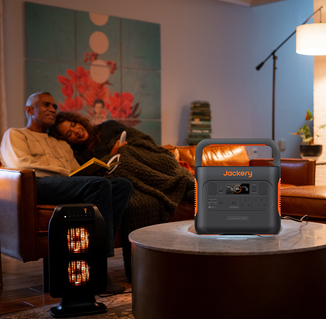
In addition to effective battery storage systems, portable energy storage power supplies like the Jackery Explorer 3000 v2/2000 v2 can be used to store extra electricity generated by solar panels during the day and use it at night or on cloudy days.

Water: Rooftop Harvesting Systems
Rainwater harvesting is the primary water management approach for British self-sufficient farmers. Rooftop harvesting systems are the most popular method. Rainwater flows to massive subterranean storage tanks via roof-mounted gutters and pipes.
Following first filtering to remove leaves and debris, the water can be used for irrigation, washing, or additional purification for household use. Given the unpredictable nature of rainfall, low-flow faucets, water-saving showerheads, and greywater recycling systems (which recycle washing water for flushing or irrigation) are used to make the best use of every drop.
Toilets: Compost Toilets
Composting toilets are becoming the preferred option for self-sufficient farmers, as standard flush toilets fade. They separate urine from solid waste and use natural mechanisms like ventilation and microbial decomposition to convert excrement into safe, odourless organic fertiliser. This fertiliser contains nutrients that plants require, such as nitrogen and phosphorus, making it an ideal source of nutrients for vegetable gardens.
Jackery: Renewable Energy Solutions for Homesteading
Faced with insufficient grid coverage in remote areas and the noise and pollution of traditional generators, portable green energy devices have become the ideal choice for homesteading UK residents seeking self-sufficiency.
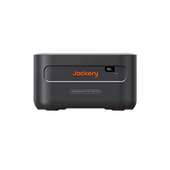
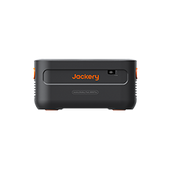
Jackery Portable Power Stations provide an ideal solution for homesteading lifestyles that are far from the grid or seeking energy independence through clean solar power and powerful energy storage capabilities. Among them, the Jackery Explorer 3000 v2 and Explorer 2000 v2 portable power supplies, with their superior performance and practicality, are solar energy devices that can cover different needs from household backup to daily power consumption.
Jackery Explorer 3000 v2 Portable Power Station
The Jackery Explorer 3000 v2, as a green energy solution for continuous power supply for homesteading, offers the following key advantages:

Large Energy Storage Capacity to Meet All-Day Household Power Needs: With a massive 3072Wh battery capacity, the Jackery Explorer 3000 v2 can easily power a refrigerator for over 24 hours, power LED lighting systems for several days, or drive water pumps for farmland irrigation.
For homesteading farmers who need to live off-grid for extended periods, it effectively ensures the continuous operation of essential household appliances, providing a stable power buffer even on rainy days or during periods of insufficient sunlight in winter.
Lightweight Design and Portable Structure Adapt to Complex Farm Environments: Despite its powerful 3 kWh capacity, the Jackery Explorer 3000 v2 utilises CTB (Cell to Body) technology, improving space utilization by 14% (compared to the Explorer 3000 Pro) and enhancing durability. Weighing only about 59.5 lbs, it is 43% lighter than comparable products.
This allows for easy movement from your home to greenhouses, barns, or orchard work areas, truly making power on the go.
Multi-Mode Fast Charging for Efficient Use of Renewable Energy: The Jackery Explorer 3000 v2 supports direct solar charging, AC fast charging, vehicle charging, and AC + DC (54V) charging. In sunny UK summers, it can be fully charged via solar power in approximately 3.5 hours (maximum solar input power: 1000W), achieving a true green cycle.
A backup power threshold can be set in the "Self-Powered Mode" of its app. When the battery level exceeds this threshold, the system will use 100% solar charging.
High Power Output, Supporting Various Agricultural Equipment: The Jackery Explorer 3000 v2 provides up to 3600W of pure sine wave output power (peak power 7200W) and is equipped with three 230V~13A British sockets, two 100W USB-C ports, two 18W USB-A ports, and one 12V vehicle port. It can directly power agricultural tools such as electric drills, chainsaws, electric pruning shears, and small feed grinders, eliminating the need for a fuel generator.
Jackery Explorer 2000 v2 Portable Power Station
As a green energy solution for continuous power supply for homesteading, the Jackery Explorer 2000 v2 offers the following key advantages:

Long Battery Life, Reduced Long-Term Costs: The Jackery Explorer 2000 v2 features a built-in 2042Wh lithium iron phosphate (LiFePO4) battery cell with excellent cycle stability. After 4000 charge-discharge cycles, the battery capacity still retains over 70%, equivalent to more than 10 years of continuous use with daily charging and discharging.
For homesteading farmers seeking cost-effectiveness and sustainability, this significantly reduces equipment replacement frequency and maintenance costs.
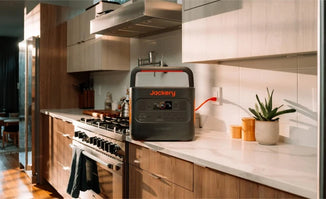
Wide Device Compatibility to Meet Diverse Daily Needs: The Jackery Explorer 2000 v2 has a rated output power of 2200 watts and is equipped with multiple ports, including two AC power outlets, one 18W USB-A port, and two USB-C ports (100W + 30W), allowing simultaneous charging of devices such as mobile phones, laptops, tablets, lights, small TVs, and electric blankets. It supports home entertainment during off-seasons and powers handheld tools during farming, offering multiple uses in one device.
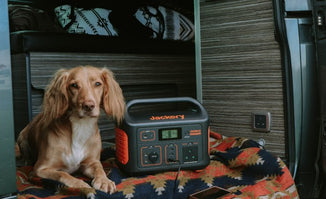
Flexible Deployment, Suitable As a Mobile Emergency Power Source: The Jackery Explorer 2000 v2 is compact (33.5 × 26.4 × 29.2 cm) and moderately heavy (17.5 kg), making it easy to transport to different work sites. Its CTB structure maximises space utilization to 59%, similar to a medium-sized printer. It also features a foldable handle for easy portability, allowing it to be carried around to continuously power electric pruning shears, for example, during orchard pruning.
Long-Lasting Backup Power, Quiet and Environmentally Friendly Operation: The Jackery Explorer 2000 v2 has passed the rigorous IEC60068-3-3 seismic resistance test, proving its durability even in a magnitude 9 earthquake. Unlike traditional fuel generators, it maintains a minimal noise level during operation (42dB AC, 30dB DC) and emits no exhaust fumes, making it ideal for use near residences, poultry houses, or vegetable gardens. It can also power indoor lighting at night without disturbing family members or poultry.
Some Practical Skills for Homesteading UK
Homesteading, a self-sufficient lifestyle, necessitates specific abilities. Countless tools are available to assist you develop your talents, including YouTube videos, online courses, books, and local outreach services. The most useful self-sufficient living skills are:

Practical Skill #1: Compost
Even if you can't buy fertiliser or premium soil at initially, after a year of composting, you'll be able to create your own wonderful nutrient-rich soil. Throwing all of your garden's food scraps, leaves, chicken dung, and additional plant matter into the compost requires very little effort. It's also difficult to get it wrong. Allow everything to decay and turn it over once in a while, and you'll have free soil to put back into your garden in no time.
Practical Skill #2: Preserving Food
Even learning a single food preservation skill, such as canning, pickling, freezing, cold storage, dehydrating, or smoking, can help you save money on your food. Starting to use cold storage is as simple as finding a cool, dark location in your basement or under your house to keep items.
Practical Skill #3: Sewing and Clothing Repair
While working on your homestead, you will most likely wear out your clothing while tending to your veggies or cattle. For the price of a few threads, you can mend your own garments and extend their life by months or years.
Practical Skill #4: Basic Carpentry and Repair
You don't have to become an experienced carpenter, but you should be able to fix things around your house when they break without having to call someone else. If you can build things like tables, cabinets, or even a barn on your own, you will save a lot of money.
Why Choose Homesteading in the UK?
Whether you wish to "live off the grid" or simply enjoy farm-fresh eggs every morning, the homestead lifestyle has a lot to offer. People are drawn to homesteading for a variety of reasons.
Food Security
One of the primary advantages of homesteading is the ability to cultivate your own vegetables, keep livestock, and prepare and store your own food. This ensures that you will have enough food to feed your family even in the event of a grocery store scarcity, natural disaster, or more catastrophic SHTF scenario.
Sustainability
Homesteading represents ultimate sustainability. Homesteaders reduce their environmental effect by rotating crops, composting, harvesting rainwater, and using renewable energy sources. They do not pursue large-scale production, but instead prioritise soil health and ecological balance.
Mental and Physical Health
Furthermore, physical and mental health have greatly improved. Daily physical labour develops the body, while the rural environment alleviates anxiety and sadness. Fresh air and a fulfilling life also benefit general health.
Freedom and Independence
Homesteaders are not constrained by their jobs or commutes; they live according to the seasons and their needs. They are in charge of their time, labour, and output. Furthermore, as self-sufficient persons, they are eager to learn skills like as gardening, cattle keeping, trapping, fishing, and hunting.
FAQs
The following are the frequently asked questions about the homesteading in the UK.
1. Is homesteading legal in the UK?
In fact, self-sufficient farming is lawful. However, you must remain knowledgeable about any rules, regulations, and policies that may influence you. Stay informed about any prospective legislative changes that may jeopardise your lifestyle.
Most importantly, while a self-sufficient farming lifestyle seeks to remove you from the hustle and bustle of city life and its associated problems, you must still pay taxes, including land and property taxes, as well as any other applicable fees or taxes incurred as a result of land use.
2. How to start homestead in the UK?
Our most important suggestion is to establish why you want to start a farm or live in the countryside. Do you want to live a simpler life, get away from the crowds, become more self-sufficient, or simply reconnect with your family and surroundings?
Determining your goals will help with all elements, including initial planning, decision-making procedures, and day-to-day operations or actions. You want to enjoy the journey and ease into it. When you take on too much too soon, you risk failing, feeling dejected, and abandoning your dream.
3. How to live off grid legally in the UK?
Living off the grid legally in the UK will necessitate careful study and respect to a variety of legal requirements, including as land ownership restrictions, planning permissions, building codes, and environmental standards.
4. What is the minimum land for homesteading?
On an acre of quality land, you should be able to provide the majority of the food that a small family need. However, maintaining peak production would be difficult and time-consuming. However, you do not need 10 or even 100 acres. For a single family, 2 to 5 acres is usually more than adequate to meet their needs.
Final Thoughts
Starting a homestead is a huge project that necessitates investing time and money, learning new skills, and adopting a completely new way of life. Fortunately, homesteading for beginners is feasible. Homesteading in the UK requires practical skills such as composting and food preservation, as well as sewing, basic woodworking, and repairs. Don't be concerned about electricity, water, and toilets; consider solar power systems, rainwater harvesting systems, and composting toilets.
Don't worry if your solar electricity is erratic. We recommend adopting portable solar power sources, such as the Jackery Explorer 3000 v2 and Explorer 2000 v2 to turn solar energy into electricity in a sustainable way.


